Category Archives: Uncategorized

Media Innovation: Caleb University Students Charged on Strategic Communication, Branding, Technology

By Precious Iwuoha

The Department of Mass Communication, Caleb University, Imota, Lagos State has charged students to explore the growing influence of branding, communication strategies, and technology in shaping the future of the media industry.

This was the focus at a media consultancy campaign organised for the 300 level students of the department with the theme, “Empowering Brands: Transforming the Future of the Media.”

Speaking at the event, Mrs Amina Omoike, an advertising expert,
explained that every brand is a media organisation because every brand communicates a message to its audience.

She described Caleb University as a brand and emphasised that organisations must pay attention to their reputation, communication style, and relationship with their audiences.

Mrs Omoike stated that media consultancy is the role of an expert who provides professional advice and strategies to brands and media organisations. She highlighted different forms of media, including television, magazines, and digital platforms, as important tools for communication.

She also identified strategic planning, digital messaging, data interpretation, and emotional intelligence as important skills needed in media consultancy, noting that understanding audiences remains a key part of effective communication.

Dr Monday Ashibogwu , Group CEO, Billsbox Services Limited,
shared personal experiences from his academic journey and encouraged students to view media consultancy as a field that requires creativity, professionalism, and problem-solving skills.

He explained that media consultants help brands identify communication challenges and develop strategies to improve their public image. He challenged the students to think about their responsibilities as future media consultants and asked them how they would approach real-life communication challenges.

Dr Ashibogwu also discussed the growing influence of Artificial Intelligence (AI) in media consultancy and explained how technology is changing the way media professionals create content, analyse information, and develop strategies.

While speaking on the media industry, Dr Ashibogwu explained the difference between media practitioners and media consultants, adding that journalism, public relations, and media consultancy all contribute to effective communication.

Mrs. Joy Joseph, the Course Lecturer explained that the programme was an avenue for the students to learn from professionals and horn their skills in communications and media consultancy.

“The event was organised to expose the students to best practices in media communications and consultancy. To let them know that there are opportunities in strategic communications where in the changing world of technology, they can use communication to solve problems and make impact.”

The programme was attended by distinguished members including the Dean, College of Communication and Media Studies, Dr Kayode Okunade; Head of Department (HOD) Mass Communication, Dr Sunday Ogbonna; Dr Solomon Oyeleye; Mrs Funmi Falobi; Dr Samson Bello; Dr Charles Adewale.

The event empowered students where they gained more knowledge about the future of the media profession. There were group presentations by the students on strategic communications, event planning and branding. The event left the students with valuable lessons on branding, innovation, and the changing opportunities within the media industry.

Ekiti Decides: IPC, CEMESO partner police on safety, task journalists on professional coverage

As the Ekiti governorship election holds on Saturday, 20th June, 2026, the International Press Centre (IPC) and Centre for Media and Society (CEMESO), have reiterated call to journalists and other media professionals to adhere to professional standards while also being safety conscious during coverage.
.
The governorship election is scheduled to hold across 16 Local Government Areas (LGAs) within the state.

IPC Executive Director, Mr. Lanre Arogundade, said the admonition had become necessary in the light of the critical role that the media plays during electioneering processes and elections during which journalists’ safety may be threatened.
“It is very important for journalists covering the Ekiti State election to be safety conscious in the discharge of their duties, and to avoid situations that will put them in harm’s way. Journalists are expected to be non-partisan. Being partisan is not only about being a member of a political party but also includes the use of expressions and/or impressions with statements, tags, symbols and colours that portray or identify with a particular political party or personality, ” he said.

While advising journalists covering the election to be well kitted, he added that, “Journalists who are to cover the elections should ensure that they are fully kitted and accredited to do so, in order to avoid situation wherein security agencies would have to question them or bar them from performing their duties. Journalists, who are not on election duty, should avoid straying into the identified polling units at will during the stipulated period of the election. At all times, journalists covering the elections must have their identification card and press/media tag clearly displayed to avoid undue harassment and unnecessary identity checks by the security agencies. “

Similarly, Dr. Akin Akingbulu, Executive Director, Centre for Media and Society (CEMESO), a partner organisation in the IPC/CEMESO-Safety of Journalists framework, underscored the democratic imperative of journalists safety, noting that the conditions under which journalists are permitted to work constitute a direct measure of a society’s commitment to its own civic values. “Every election is, at its core, a test of those values — and nowhere is that test more visibly administered than in the field.

Amongst other activities, IPC/CEMESO will, during the election, be partnering with the Ekiti State Police Command in ensuring the safety of journalists deployed to the field. Through the IPC/CEMESO safety initiative journalists who face any form of violation or attack on the field can directly reach the Divisional Police Officer (DPO) assigned to that area command/division.

“We expect the security forces to note that the media is a critical part of the electoral process and so the media should be accorded with due rights and privileges to enable them to carry out their social obligations as partners in enshrining the credibility of the electoral process.

“Other stakeholders, including elections observers should also proactively provide journalists covering the elections with information to ensure that all work together for the credibility of the electoral process,” Arogundade stressed.

As part of initiatives to keep tab on the safety consciousness of journalists, IPC/CEMESO said that there are safety alert officers who journalists under threat/attack can report to.

In cases of attacks or insecurity issues, concerned journalists on the field can contact any of the following persons:

Melody Akinjiyan (Press Freedom Officer) – +2348132776441
Stella Nwofia (Monitoring Officer) – +2348063810424
Bukola Obaujo (Monitoring Officer) – +234 8146333108
Naomi Ibrahim (Monitoring Officer) – +2348065545113

Arogundade also encouraged journalists to report any threats to the Nigeria Union of Journalists (NUJ), Ekiti State Chapter.

The deployment of journalists to cover the Ekiti governorship election is not merely a professional exercise; it is an act of democratic service. When a journalist is harassed, barred, or attacked at a polling unit, it is not simply that individual who suffers — it is the electorate that is robbed of the witness it deserves. The partnership between the IPC/CEMESO-Safety of Journalists initiative and the Ekiti State Police Command is a meaningful structural intervention, but it must be understood as a floor, not a ceiling. The real measure of our seriousness will be seen not in the protocols we announce, but in the culture of protection we actually demonstrate on election day,” Dr. Akingbulu declared.

On the broader relationship between security forces and the press during elections, Dr. Akingbulu called for functional collaboration grounded in mutual respect for institutional roles. “The relationship between security personnel and journalists during elections has historically been one of the most contested frontiers in Nigeria’s democratic experience — shaped by mutual suspicion on both sides.
What the IPC/CEMESO-Safety of Journalists initiative field coordination model represents is an attempt to convert that adversarial dynamic into one of purposeful cooperation, not because the press and security forces share the same mandate, but because both are ultimately accountable to the same civic outcome: a credible election. I would, however, caution against a naïve reading of this arrangement. Collaboration must never drift into co-optation. The media’s independence is not a courtesy that security institutions extend to journalists — it is a right guaranteed by the democratic framework within which those institutions themselves derive their legitimacy. Every stakeholder in the electoral ecosystem must internalise that protecting the press is not a favour to journalists. It is an investment in the integrity of the process itself,” Akingbulu said.

Towards the Presidential elections in 2023, IPC launched a safety and professional advisory for the purpose of ensuring journalists who are covering the elections are fully equipped with safety tools and precautions to engage with while on the field.
The PDF Version is on: https://www.ipcng.org/2023-general-elections/

Beyond the Tribe: Caleb University Students Showcase Nigeria’s Rich Cultural Heritage

By Simisola Ogunremi, Okikiola Lawal & Ajuzie Emmanuel

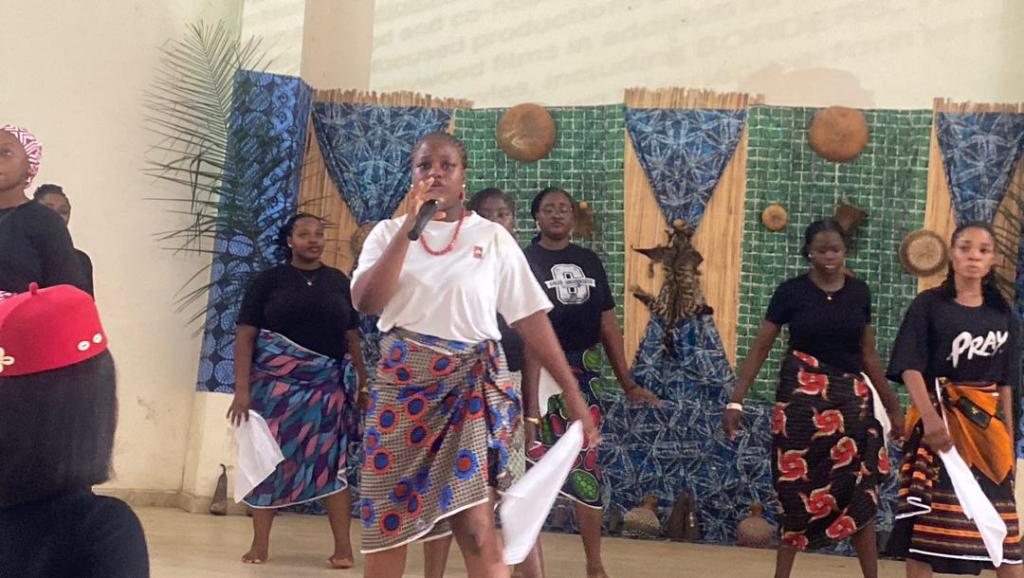
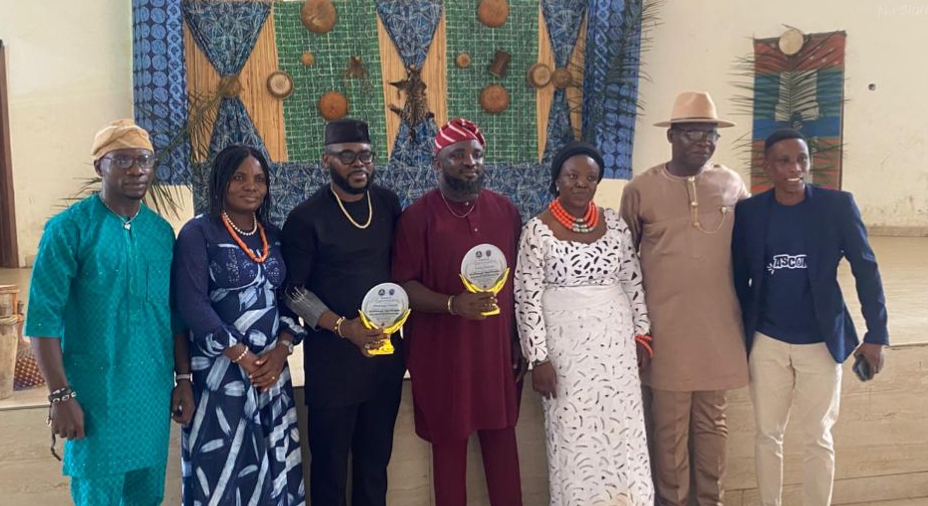
It was a celebration of culture, identity, and national unity as students of the College of Communication and Media Studies (COCOMS), Caleb University, Lagos, staged a Cultural Heritage Campaign themed “Beyond the Tribe: Unity in Diversity.”

At a time when technology and globalization continue to reshape societies and influence cultural values, the event served as a timely reminder of the importance of preserving Nigeria’s rich cultural heritage and strengthening the bonds that unite its people.

The event, which had rhythmic beats of traditional drums echoed amid colourful attires representing Nigeria’s diverse ethnic groups, lit up the atmosphere with songs, dances, drama, and cultural displays that brought to life the beauty of a nation whose strength lies in its diversity.

Delivering the keynote address, actor, businessman, and creative media strategist, Olanrewaju Olakanlu, popularly known as Mr. Kogberegbe, challenged Nigerians to rise above stereotypes and ethnic divisions by embracing their shared humanity.

Speaking before an enthusiastic audience of students, lecturers, and guests, he stressed that cultural diversity should be seen as a source of strength rather than a basis for division.

According to him, friendships and relationships should extend beyond tribal boundaries, as the similarities that bind Nigerians together are often greater than the differences that separate them.

Reflecting on the various cultural performances showcased during the programme, Olakanlu noted that the presentations demonstrated remarkable creativity, collaboration, and mutual respect among students from different backgrounds.

“Culture is more than tradition and entertainment; it contains wisdom, values, and lessons that can help bridge social divides and strengthen national cohesion,” he said.

He described the event as a commendable initiative that reflects the university’s commitment to cultural preservation and appreciation. He particularly praised the dedication and teamwork displayed by the students, noting that their performances went beyond mere entertainment to become powerful expressions of identity and unity.

Olakanlu also highlighted the growing importance of cultural storytelling in an era increasingly shaped by globalization and artificial intelligence. He urged aspiring journalists, broadcasters, and media practitioners to become custodians of Nigerian stories by promoting authentic narratives that preserve cultural identity for future generations.

Earlier, in her welcome address, Mrs. Funmi Falobi, course lecturer for the 100-level Journalism students, emphasized the significance of cultural heritage as a foundation for national development and social harmony.

She noted that cultural gatherings such as the campaign create valuable opportunities for people to appreciate one another’s traditions while strengthening the spirit of unity.

“The theme of this year’s campaign, Beyond the Tribe: Unity in Diversity, reminds us that while our ethnic identities are important, our shared humanity and common aspirations are even greater,” she said.

“Nigeria’s strength lies not in uniformity but in the richness of its many cultures, languages, traditions, and experiences.”

Addressing the students directly, Falobi challenged future media professionals to use their platforms responsibly by promoting understanding rather than division.

“As future journalists, broadcasters, public relations practitioners, and media professionals, you have a responsibility to tell stories that bridge divides rather than widen them. The media possesses immense power to shape perceptions, foster understanding, and promote peaceful coexistence among diverse peoples and cultures,” she stated.

Providing the academic context for the programme, Mrs. Joy Joseph, lecturer for the 200-level students, explained that the campaign was designed to complement two important courses within the college.

She said the event provided practical learning opportunities for students enrolled in Cultural Heritage, a course that examines the preservation and promotion of cultural values and identities, as well as Foundation of Cultural Reporting, which introduces students to the principles of reporting cultures, traditions, and communities with professionalism and sensitivity.

The event also featured a thought-provoking presentation by award-winning investigative journalist with THISDAY Newspaper, Mr. Sunday Ehigiator, who explored the complex relationship between culture and the media.

Ehigiator observed that Nigeria continues to experience the influence of cultural imperialism, with foreign media content increasingly shaping societal values and lifestyles. While acknowledging the media’s role in facilitating cultural exchange, he stressed that it can also serve as a powerful instrument for preserving and promoting indigenous cultures.

He urged journalists to be deliberate in telling authentic Nigerian stories and warned against the growing tendency for social media-driven journalism to prioritize attention and engagement over accuracy and ethics.

According to him, the future of journalism depends on maintaining professionalism, upholding ethical standards, and embracing responsible storytelling.

For many students, the event offered more than academic engagement. It was an opportunity to experience firsthand the richness of Nigeria’s cultural diversity while reflecting on their future roles as communicators and storytellers.

As the colourful displays, energetic performances, and cultural exhibitions unfolded, one message resonated throughout the event: Nigeria’s diversity is not a weakness to be managed but a strength to be celebrated.

The Cultural Heritage Campaign, which formed part of the Continuous Assessment exercise for 200-level Mass Communication students and 100-level Journalism students, attracted students, lecturers, and distinguished guests, including the Dean of the College of Communication and Media Studies, Dr. Kayode Okunade.

By the end of the programme, the message was unmistakable: beyond tribe, language, and ethnicity lies a shared Nigerian identity—one that can flourish when culture is preserved, celebrated, and passed on to future generations.

UN Women, TY Danjuma Foundation launch agro-processing centre in Kwali

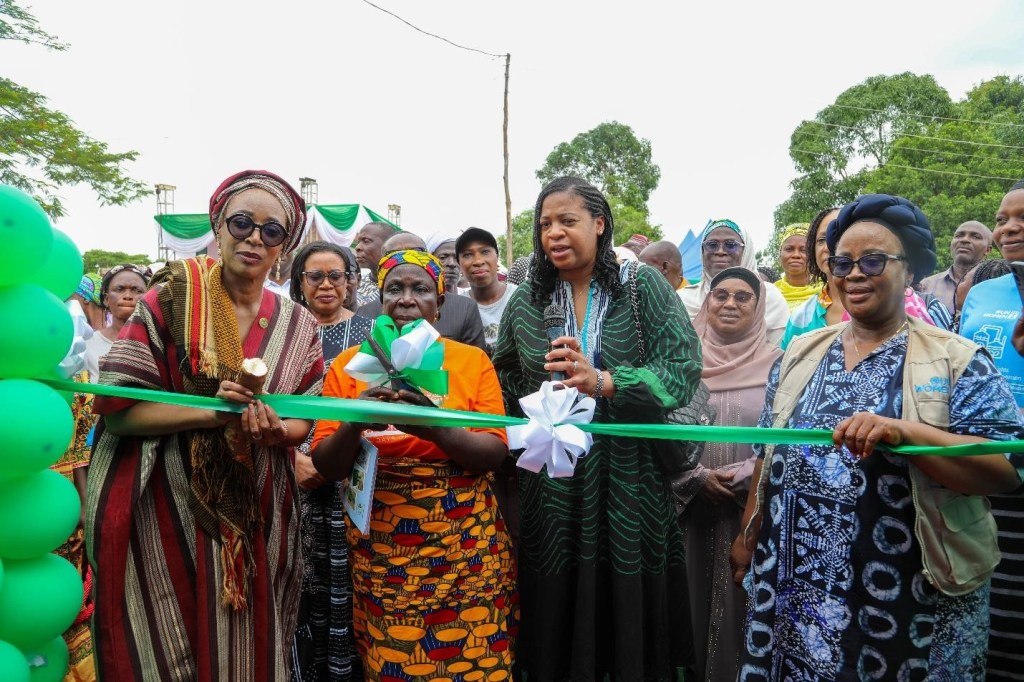
Rural women in Great Sheda Community, Kwali Area Council in Federal Capital Territory (FCT), Abuja, are set to benefit from improved livelihoods and enhanced economic opportunities following the launch of a new Agro-Processing Centre established through a partnership between UN Women and the TY Danjuma Foundation. The Agro-Processing Centre is equipped with a cassava peeling and grinding machine designed to significantly reduce the time and labour required for processing cassava into Akpu, a staple food and important source of income for many women in the community.

For years, women in Great Sheda have relied on manual methods of peeling and grinding cassava, a process that is physically demanding and time-consuming. The introduction of the new machine will ease this burden, increase productivity, improve processing efficiency, and enable women to dedicate more time to other income-generating and productive activities. The initiative forms part of ongoing efforts by UN Women and the TY Danjuma Foundation to advance women’s economic empowerment, strengthen rural livelihoods, and create sustainable pathways for women to participate fully in local economic development.

Speaking at the launch, Beatrice Eyong, UN Women Representative to Nigeria and ECOWAS, highlighted the importance of investing in rural women’s economic empowerment.
“Today, we are investing in not only in a machine; we are investing in the time, productivity, and economic potential of rural women. By reducing the burden of manual cassava processing, this Agro-Processing Centre will enable women to increase their earnings, pursue other productive opportunities, and strengthen their contribution to the economic development of their families and communities,” she said.

The Chair of the TY Danjuma Foundation, Ms. Hannatu Gentles, also reaffirmed the Foundation’s commitment to improving the lives of underserved communities through strategic investments in education, health, and economic empowerment.
“We believe in putting economic power directly into the hands of women, the true backbone of our rural economy. The TY Danjuma Foundation is deeply committed to supporting communities that need it most, and we are confident in the capacity of the women of the Akpu Women Association to use this facility to grow their businesses and build better futures for their families,” she affirmed.

The Former FCT Mandate Secretary and Director-General, Mariam Babangida Centre, Dr. Adedayo Benjamins-Laniyi also noted that “When women who have laboured with their hands for decades are empowered with the right tools, they do not only process cassava — they strengthen food security, economic growth, and community resilience.”

Community members welcomed the intervention, describing it as a transformative investment that will improve productivity, increase household incomes, and contribute to the overall development of the community. The Agro-Processing Centre is expected to serve women processors across Sheda and surrounding communities, creating opportunities for increased earnings, improved food processing practices, and stronger local economic growth.

Through strategic partnerships and targeted investments in women’s livelihoods, UN Women and the TY Danjuma Foundation continue to support efforts that empower women as key drivers of economic development, food security, and community resilience.

Natures Gentle Touch Trains Next Generation on Healthy Haircare

In a bid to promote proper haircare habits among young people, Recare—makers of Nature’s Gentle Touch and one of Nigeria’s leading haircare brands—has launched an awareness programme focused on best practices for maintaining healthy hair, particularly natural hair.

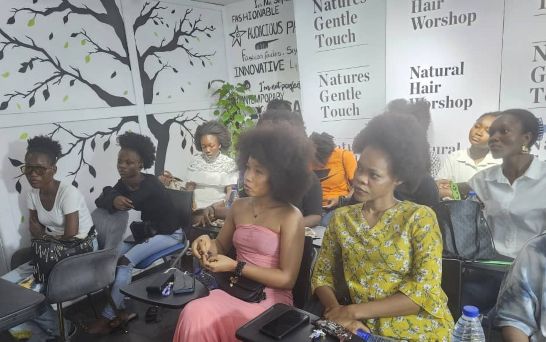
At a training workshop held in Lagos, Chijioke Anaele, Chief Executive Officer, CEO, Natures Gentle Touch Institute, shed light on common hair challenges such as lice infestation. According to her, many young people experience lice due to poor hygiene and close contact with someone who had it.

“Lice is communicable. If you stay near someone who has it, it can easily be transferred,” she noted. “It often occurs due to dirt. We recommend heat for treatment, and products with mint. For relaxed hair, chemical application usually kills the lice, but for natural hair, heat works best. Our dandruff products also help because they contain mint.”

Anaele also explained that hair breakage remains a major concern and can be triggered by ageing, prolonged braiding, the use of rubber bands, and misuse of chemical products.

“As someone ages, hair growth slows down. Women often experience breakage due to childbirth or postpartum changes. Leaving chemicals on the hair for too long causes damage, and rubber bands are not ideal for securing hair,” he cautioned.

To maintain healthy natural hair, she recommended deep conditioning at least every two weeks to restore texture and strength.

On dandruff, Anaele emphasised that although it has no permanent cure, it can be effectively managed with consistent care.

“There’s no absolute cure for dandruff yet. What we do is manage it so it’s no longer visible or embarrassing. Consistency is key,” he added.

Blessing Sunday, Digital Marketing Manager at Natures Gentle Touch Institute, explained that the goal of the workshop was to help young people understand the value of natural hair and how to care for it properly. She described natural hair as a symbol of African identity and pride.

“Today, many young people rely on braids and wigs, but we want them to embrace their natural hair—learn to style it and nurture it proudly as Africans,” she said.

Now in its 18th edition—and the fourth and final session for 2025—the workshop has successfully reached its target audience.

“We’ve been able to encourage the younger generation to appreciate their natural hair in the same way older generations did. This boosts confidence and strengthens cultural pride,” Sunday affirmed.

Participants praised the initiative for its relevance and impact.
Amos Abosede, who previously battled an itchy scalp and dandruff, expressed relief:

“The training has been insightful. My itching stopped after I started using Nature’s Gentle Touch products. I’ll recommend them to anyone—they work.”

Another participant, Anuoluwaposi Bamidele, a student and fashion designer, shared a similar experience:

“I’ve seen real improvement in my hair growth and length. Before now, I didn’t know how to care for my hair and struggled with: dandruff. The training changed everything, and the products have been effectve’

DSS delists Nigerian Journalist, Lanre Arogundade from watchlist 40 years after

By SDN

The Nigerian Chapter of the International Press Institute (IPI) on Tuesday, May 6, 2025, announced the removal of the name of the Executive Director, International Press Centre, Mr Lanre Arogundade, from the Department of State Security’s watchlist after about forty years.
 
IPI Nigeria President, Mr. Musikilu Mojeed made this known in Abeokuta, Ogun State at the 3rd Nigerian Media Leaders’ Summit convened by Journalism Clinic led by veteran Journalist Taiwo Obe with media owners and top editors in attendance.

Mr. Mojeed said the Director-General of the DSS, Adeola Oluwatosin Ajayi, informed IPI Nigeria of the development during a recent engagement with the Service.
 
The DSS decision followed sustained and intensive campaign by IPI Nigeria to get Mr. Arogundade’s name removed from the watchlist. The renewed campaign became necessary when Mr. Arogundade’s name was not removed despite previous assurance.
 
For about forty years, Mr Arogundade was subjected to persistent harassment and embarrassment, including brief detention by security operatives at the Murtala Muhammed International Airport, Lagos.
 
IPI Nigeria says it welcomes the decision and commends the DSS for finally removing Mr. Arogundade’s name from the watchlist.
 
Media executives present at the Abeokuta summit applauded the announcement while Mr. Arogundade, who was also among them, expressed his gratitude and that of his family to IPI Nigeria for the commendable effort.
 
Mr.  Arogundade’s journey to the watchlist started during the military regime when he served  as the president of the National Association of Nigerian Students (NANS) between 1984 and 1985.

Ibadan-Ife-Ilesa Road: Stakeholders Send SOS to Tinubu, Lament Neglect Despite Award for Rehabilitation

>By Sanmi Falobi <

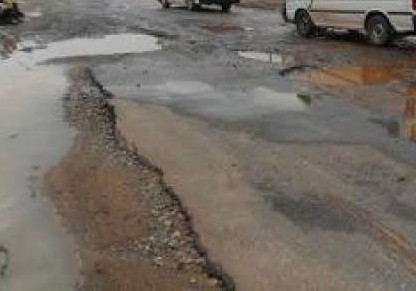
Concerned stakeholders, citizen groups and individuals have lamented the increasingly hazardous condition of the Ibadan-Ife-Ilesa Expressway, which has significantly deteriorated in recent months, with the current state of disrepair now posing serious risks to road users and impeding economic activities across the region.

According to Chief Abiola Falayajo, a concerned citizen and one of the arrowhead of the call for rehabilitation of the road, the critical highway, which serves as a major transport corridor, connecting key towns in Oyo, Osun and Ondo States, has suffered significant deterioration, resulting in deep potholes which pose a serious risk to road users, leading to accidents, burst tyres and exposure to hazards and attack by assailants.

In a statement, as a Save our Soul (SOS) open letter to His Excellency, President Bola Ahmed Tinubu, Chief Falayajo lamented that the road is in a very critical condition and that there is the need for the urgent rehabilitation.

 “I, a concerned citizen of Nigeria, humbly bring to your esteemed attention the urgent need for the rehabilitation of the Ibadan-Ife-Ilesa Expressway. This critical highway, which serves as a vital economic and social lifeline for millions of Nigerians, is now in a state of severe disrepair, posing grave risks to the lives and livelihoods of those who depend on it daily”, he stated.

“The Ibadan-Ife-Ilesa Expressway is not just a regional road; it is a strategic national asset that facilitates trade, commerce, and movement between major states, including Oyo, Osun, Ondo and Ekiti, as well as other parts of the country. However, its current condition has become a source of pain and concern for commuters, businesses, and transporters.

Large potholes, eroded road sections, and structural failures have turned what should be a smooth transit route into a dangerous journey marked by frequent accidents, vehicle breakdowns, and tragic loss of lives”, he added.

“Your Excellency, I am positive, and appreciate the Renewed Hope Agenda and your administration’s commitment to infrastructure development.  I am positive that under your leadership that Nigeria will witness significant progress in road rehabilitation and national development. It is in this spirit that I earnestly appeal for your intervention to ensure that this expressway receives the urgent attention it so desperately needs”, he further stated.

It would be recalled that Chief Falayajo is not the only one concerned about the deteriorated condition of the Ibadan-Ile Ife-Ilesa road. Over the past year, several other groups, including students of the Obafemi Awolowo University, commuters and travelers alike have been calling for urgent repairs of the road.

In a recent media report by the Nation newspaper, Senator Sharafadeen Alli, representing Oyo South Senatorial District in Senate and Senator Lere Oyewumi, representing Osun West Senatorial District had appealed to the aggrieved people of Oyo and Osun states as well as other road users to exercise patience on the Ibadan-Ife-Ilesa Highway project, assuring that efforts are on to get the project completed as soon as possible.

According to the report, the lawmakers explained that they had also written to the President, seeking special intervention to ensure that funds were made available for the speedy completion of the highway.

“All of us,  as lawmakers in Oyo and Osun states, we are working on it. And we have written the President, seeking for special intervention to provide funds for the completion of the highway. We know how important the road is, and we are working on it”, Senator Sharafadeen Alli was quoted to have said.

Similarly, other stakeholders including the members of the Osun State Council of Obas, have appealed to the Federal Government to fix the Ibadan-Ife-Ilesa Express Road.

In a communiqué issued at the end of their monthly meeting in Osogbo, in June 2024, they described the Ibadan-Ife-Ilesa Express Road as a death trap for motorists. The Council noted that the road is one of the major Federal Government roads in the South West, linking several states together and appealed to President Bola Tinubu to quickly intervene and fix this important road.

Meanwhile, available information have it that the road had been awarded for repairs to KOPEC Construction Company. It was supposed to be supervised by Oyo and Osun States Field Office of the highway development and management initiative (HDMI) phase II programme under sukuk funding. However since it was awarded, the work has been abandoned with less than 5% work done. The highway, which is about 224km from Iwo road in Ibadan to the Brewery Area in Ilesa, was also noted to have been included and captured in the 2024 appropriation budget as ‘Emergency/palliative repairs of Ibadan-Ife-Ilesa dual carriageway in Oyo and Osun states.

Concluding the SOS open letter to President Tinubu, Chief Falayajo stated further: “I kindly appeal to your esteemed office to direct the Federal Ministry of Works and other relevant agencies to prioritise the reconstruction and maintenance of this road. A swift and decisive action in this regard will not only prevent further loss of lives but also enhance economic activities, improve regional connectivity, and restore public confidence in governance.”

“Your Excellency, I trust in your dedication to the well-being of Nigerians and remain hopeful that this appeal will be met with the prompt action it deserves” Chief Falayajo further stated.

FGBMFI SW3 Praise Day 2025: When faith embeds business in atmosphere of praise

>By Sanmi Falobi <

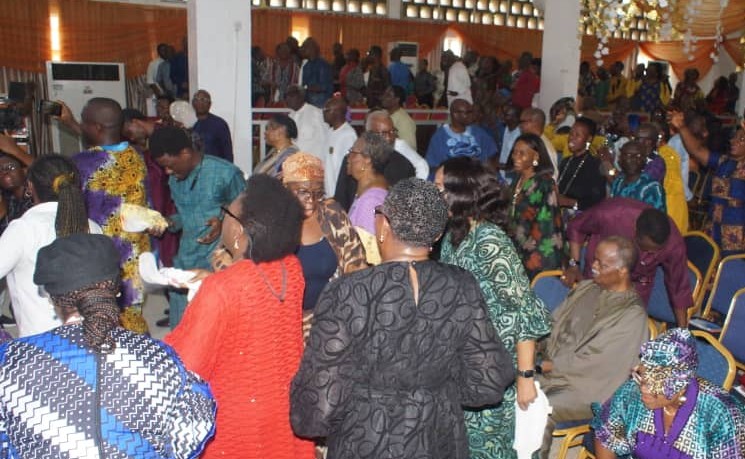
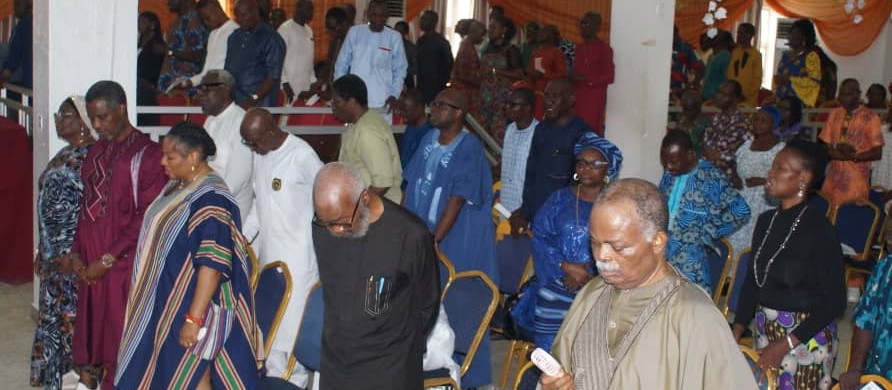
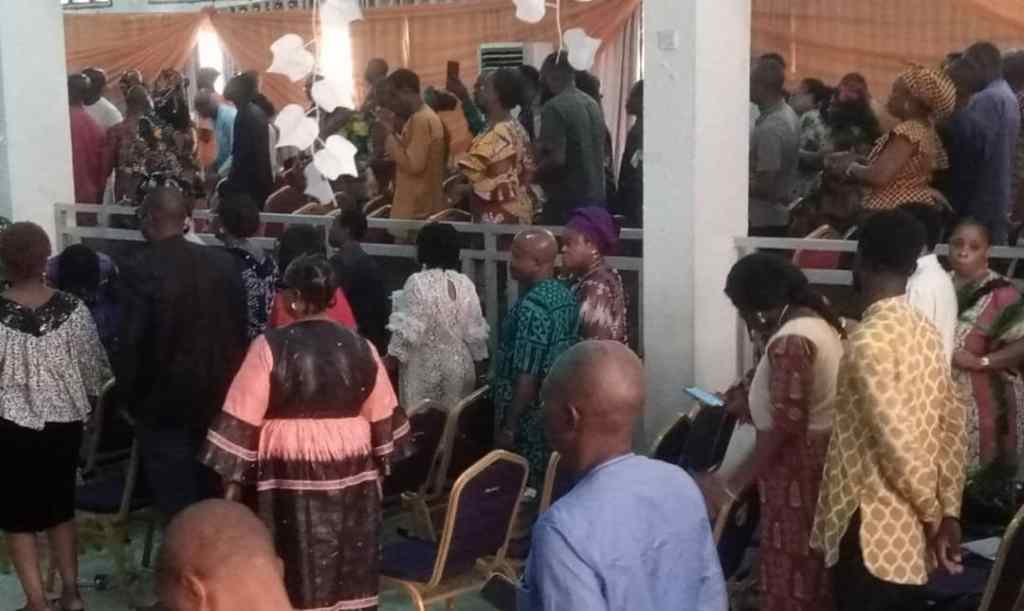
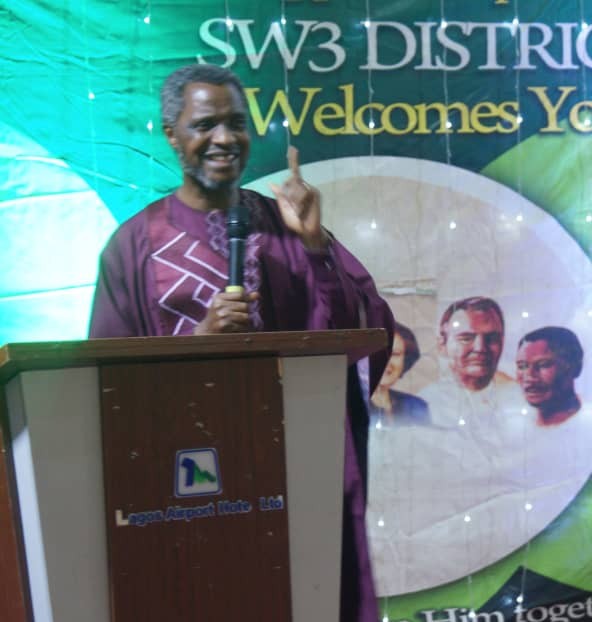
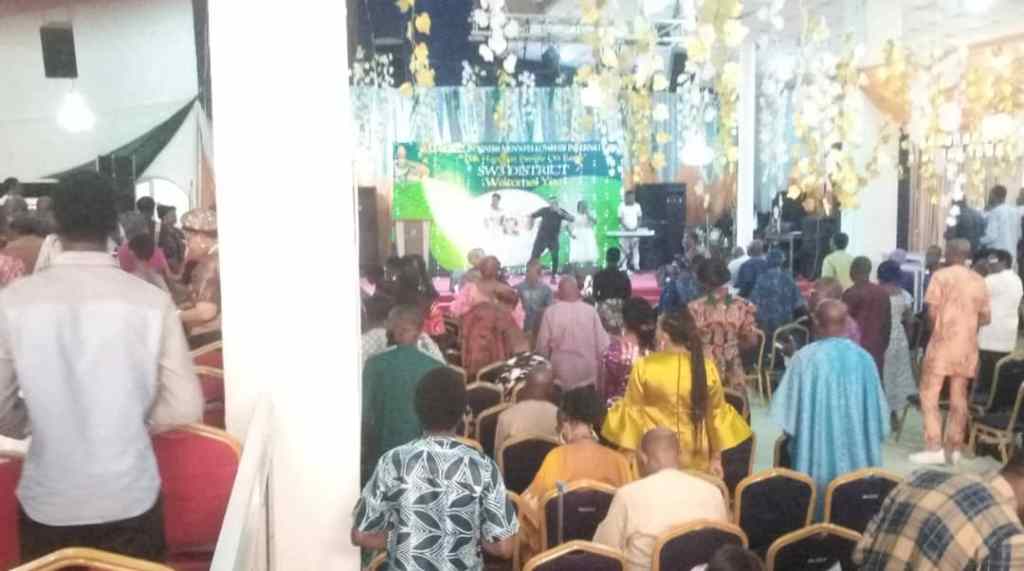
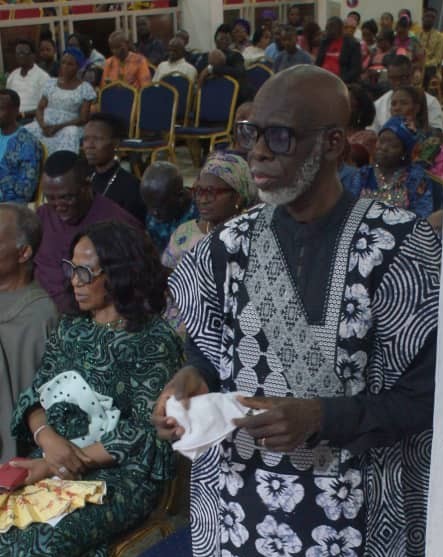
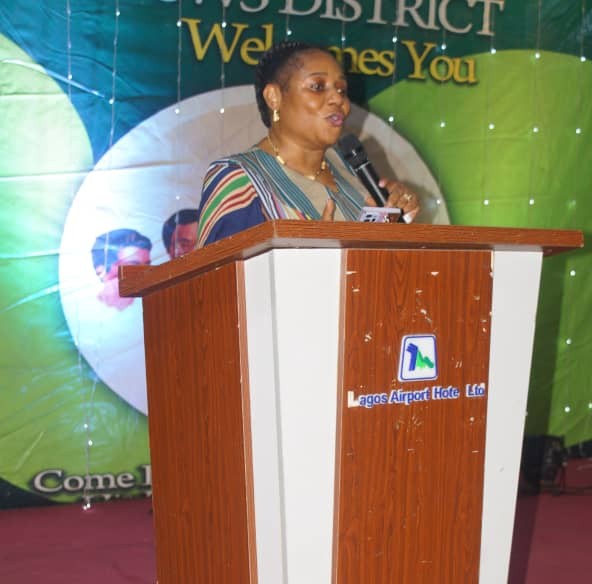
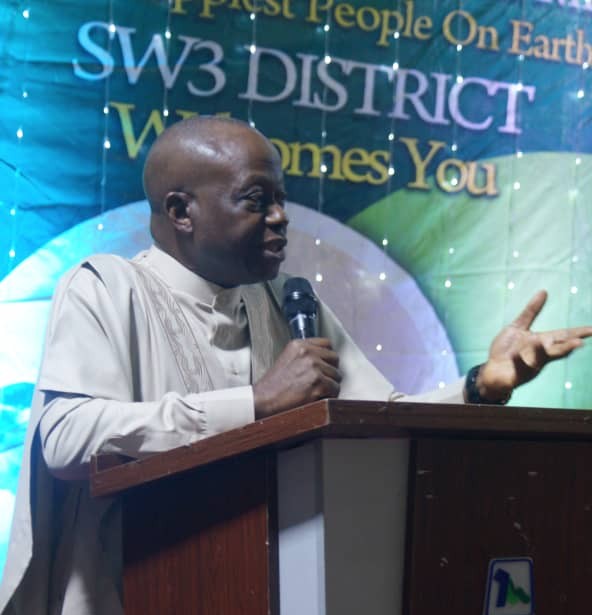
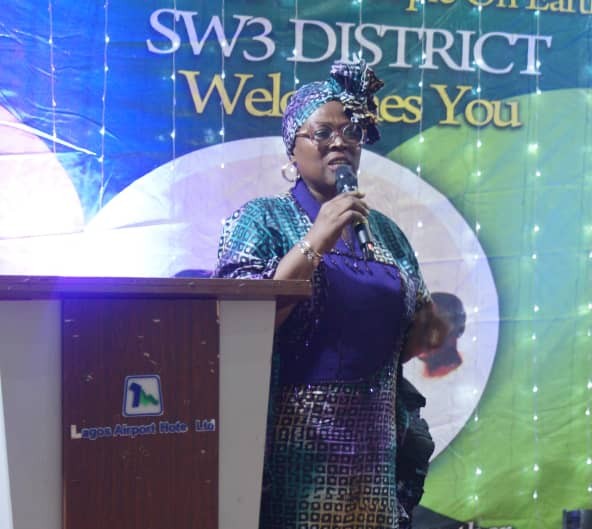
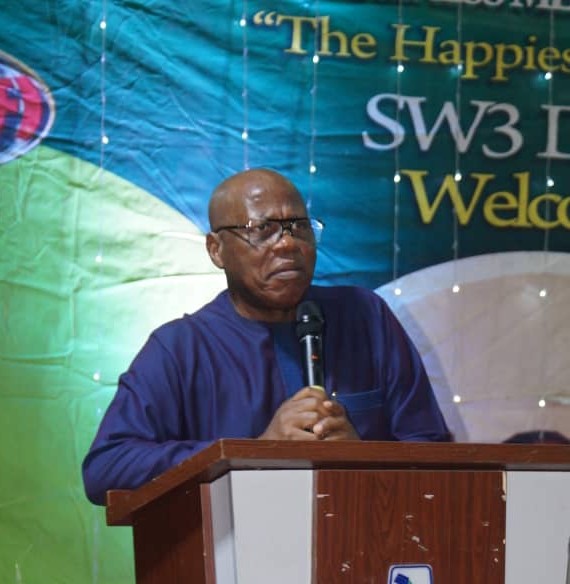
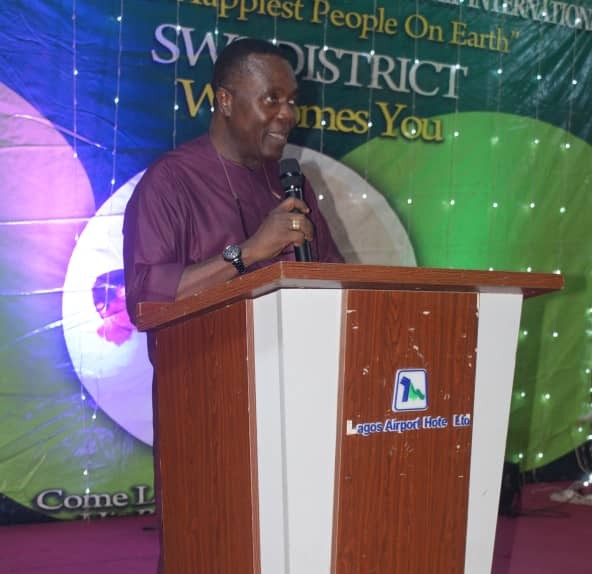
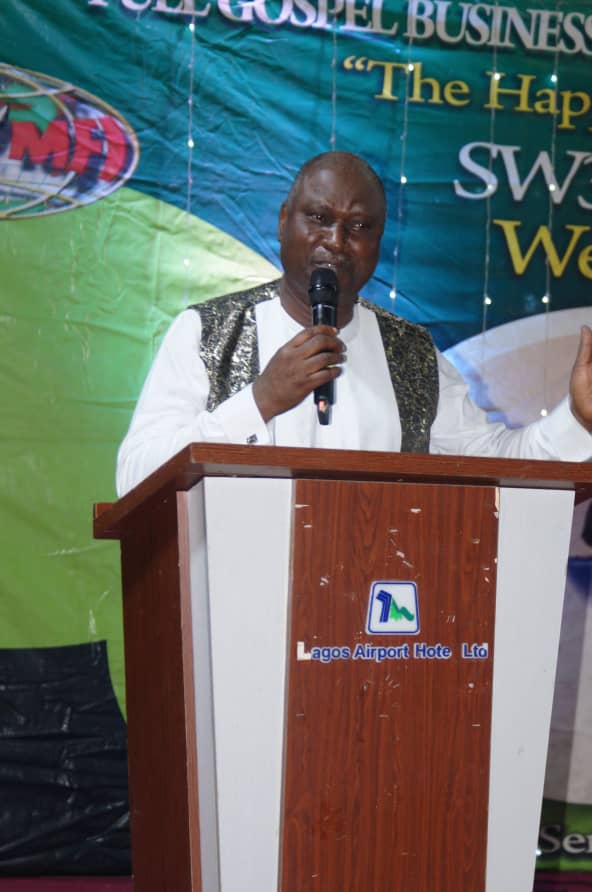
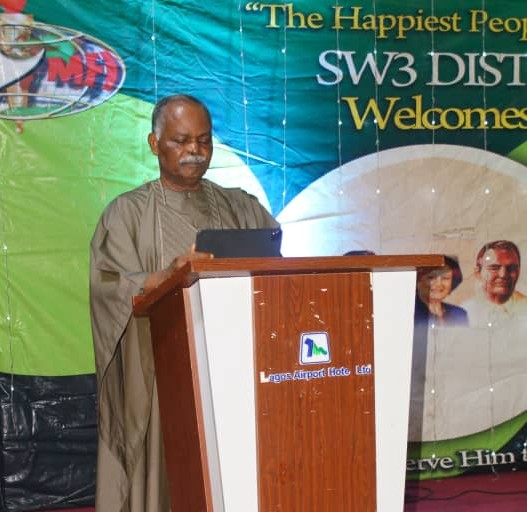
When faith embeds business in an atmosphere of praise, it creates a powerful synergy where spiritual principles and professional endeavours align. That was what played out as Mr. Sunny Beyioku, District Coordinator, South West 3 of the Full Gospel Businessmen’s Fellowship International, led accomplished career and business men in praising God at the International Praise Day 2025 which held on Saturday, February 8, 2025 at Airport hotel, Ikeja, Lagos.

Gratitude to God, fellowshipping for greater impact

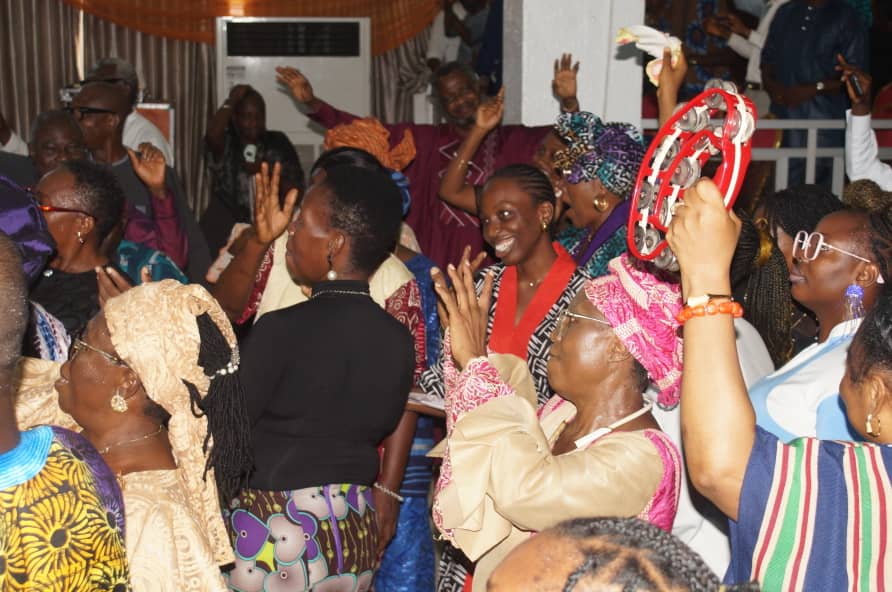
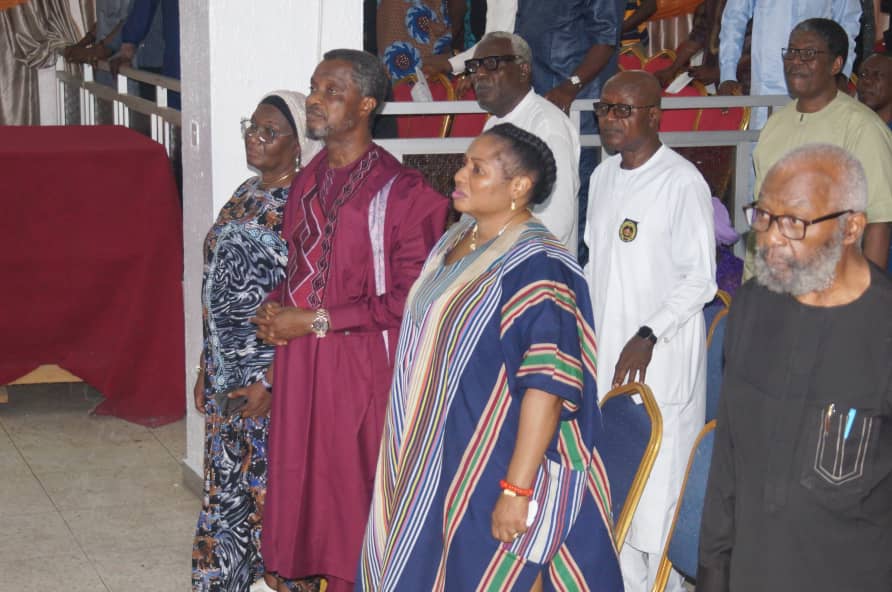
The event, which brought together entrepreneurs, business leaders, and professionals from across the city for a transformative day of worship, inspiration, and empowerment was a powerful fusion of faith and business, including series of heartfelt testimonies, intermittent prayer sessions, electrifying praise and deep worship sessions in appreciation to God for His faithfulness over the past year, while also thanking Him in appreciation ahead of wonderful things to manifest in the new year.

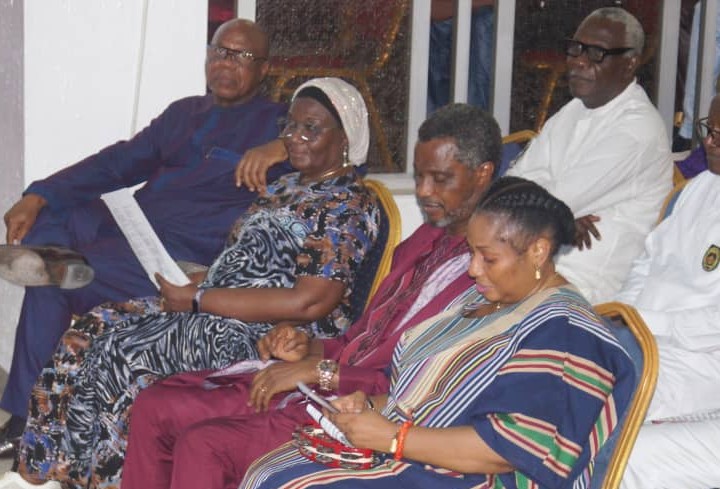
The event also provided the opportunity for the consolidation of friendship, networking, fellowship and strategic business connection under an atmosphere of worship and prayer within the fold of members across several chapters.

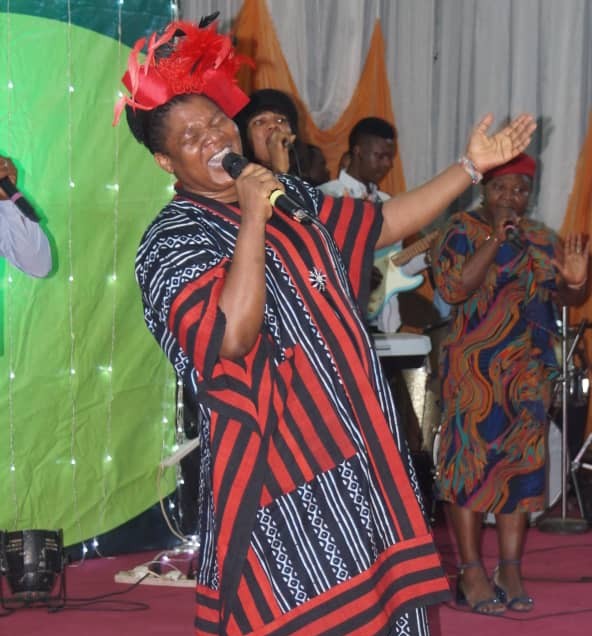
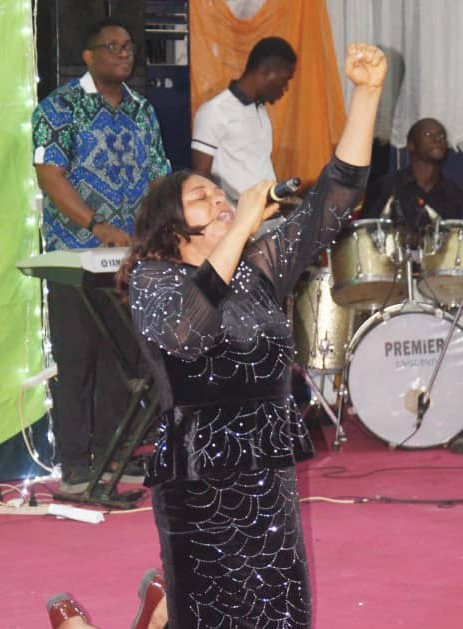
Joy overflowing as men danced to the lyrics, hymnals and worship sessions

It was a ‘no-holding-back’ session as men, not minding their social status, positions or financial prowess danced and swayed to the rhythm and beat of melodious songs and high praises by renowned Gospel Artists which included Bukola Bekes, Dancia Ngozi and Joy Ogbetere.

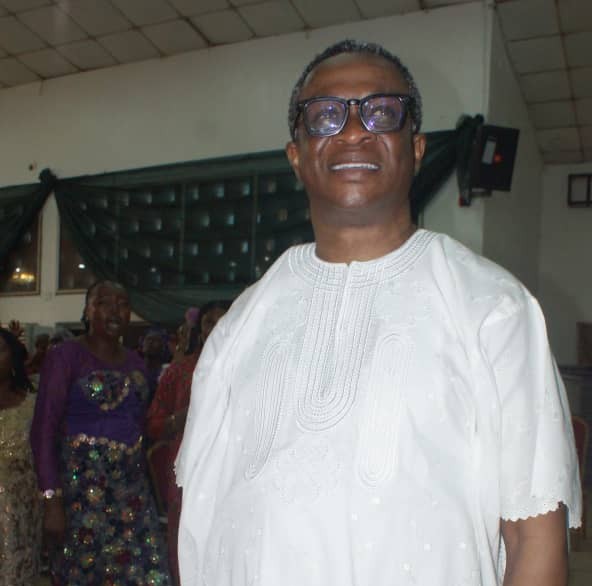
Dancing to the melody and serving as anchors of sessions and as persons executing tasks at the event were accomplished and distinguished businessmen, career professionals and leaders across 17 zones and almost 100 chapters under SW3, most of whom were present with their wives. They include: Dr. Wole Olufon, Engr. Charles Aladewolu, Ambassador Tony Ewelike, Engr. Banjo Adeyoju, Mr. Fola Aguda, Barr. Tunji Omole, Pharm. Ifeanyi Atueyi, Sir. IK Onyemekara and Pharm. Jude Elue.

Others were: Mr. Biola Ayeni, Engr. Femi Adesanya, Mr. Akin Oluwole, Mr. IK Obazee, Dr. Dapo Collins, Dr. Taiwo Makinde, Engr. Titus Abiola, Dr. Muna Chira, Dr. Kehinde Makinde and Engr. Olasina Giwa, among others.

The annual international praise day is a way of ushering members into the new year, thanking God for His wondrous works, what He has done and the anticipations of greater things in the new year.
It is to be noted that the members of FGBMFI, who are also called the ‘Happiest People on earth’ is not only for men, as women are well integrated to play strategic roles under the Ladies of the Fellowship (LOF) platforms, hence the event had women; wives of members and other guests in attendance.

Sharing insights and a testimony about his work and membership as a member of FGBMFI for over 30 years, Engr. Charles Aladewolu related the vision of the founder of the Full Gospel Business Men’s Fellowship International (FGBMFI), Demos Shakarian, who upon receiving the vision of the FGBFMI in 1952 had to go through phases of trails and undertook intense prayers, seeking the face of God for intervention in manifesting the vision. According to Engr. Aladewolu, he too had to depend on God upon his election as Vice president of a chapter and then later as president, when he became a member, some 30 years ago.

Engr. Charles Aladewolu

“The person who brought me to the Full gospel fellowship about 30 years ago is my friend who is still with me today. God used him to bring me to the fellowship and since that time, till now, God has been faithful in taking me from one height of accomplishment to the other” he said.

Looking Ahead

FGBMFI SW3’s Praise Day 2025 has undoubtedly set the tone for a new year of faith-centered business practices. The event demonstrated that when faith is embedded into business environments, it leads to greater prosperity, ethical leadership, and, most importantly, a deeper sense of purpose.

As the event wrapped up, attendees left feeling renewed, inspired, and ready to take on the challenges of their industries, armed with both faith and renewed mindset to accomplish greater success in respective endeavours.

With the 2025 Praise Day event, FGBMFI chapters under SW3 are now buoyed and inspired to commit to greater service in implementing chapter programmes and initiatives and advancing the gospel under the unique mandate of the FGBMFI principles, in both the marketplace and the communities.

Here are snapshots of pictorial and video highlights.

https://drive.google.com/file/d/1WlOn4_TXLZGF91txyaKSAyuU3Bkk3A-V/view?usp=drive_link

https://drive.google.com/file/d/1ZiVZKYrBvsM1cuC0Gj5To5NPTrGn0gqz/view?usp=drive_link

https://drive.google.com/file/d/15Ej_3j8fODqu9ktA28l0rN1hcDSCzKhN/view?usp=drive_link

https://drive.google.com/file/d/11yeZyexXGOtBnXFOxjoQPFOskf-OCCXg/view?usp=drive_link


__________________________________
* Picture credit: Olasina Giwa