By SDN
Women continue to play important roles in society and, despite persistent stereotypes, biases and emerging challenges in the digital age, many continue to break barriers and contribute meaningfully to leadership and national development.
Yet, despite their potential and contributions to nation-building, women remain insufficiently visible in the media, while their voices are often inadequately amplified. They are also less frequently recognised as decision-makers, authoritative news sources, experts and leaders whose perspectives should shape public discourse.
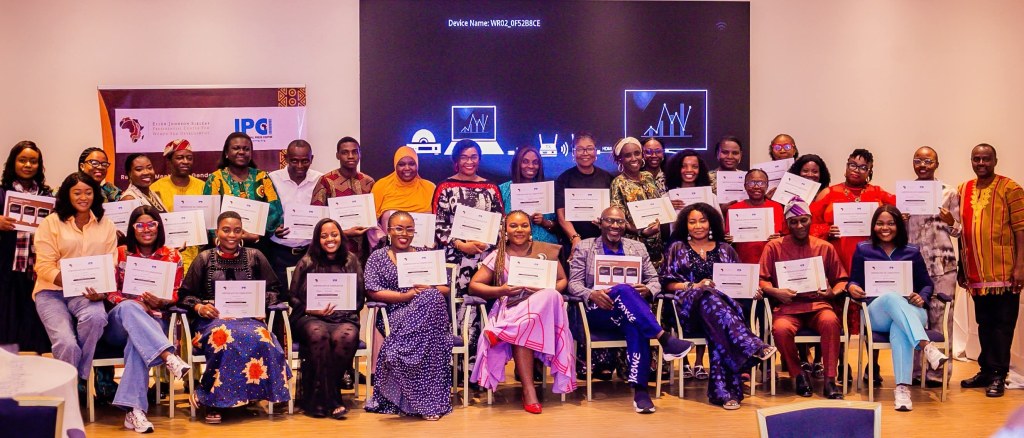
It was against this backdrop that the Ellen Johnson Sirleaf Presidential Center for Women and Development (EJS Center), in partnership with the International Press Centre (IPC), convened a reflection meeting of key media stakeholders on gender-sensitive reporting and media coverage of women in public leadership.
Held under the theme, “Reporting on Leaders: See Her, Hear Her, Cover Her,” the meeting provided an opportunity for media professionals and other stakeholders to reflect on how the Nigerian media report women, frame their leadership and amplify their voices as leaders and decision-makers. The conversation also focused on practical approaches to improving the representation of women in public leadership, particularly as Nigeria moves towards the 2027 general elections.
One reality stood out from the discussions: considering available electoral data and the current representation of women in political leadership at the national, state and local government levels, greater media visibility and more substantive coverage of women remain important.
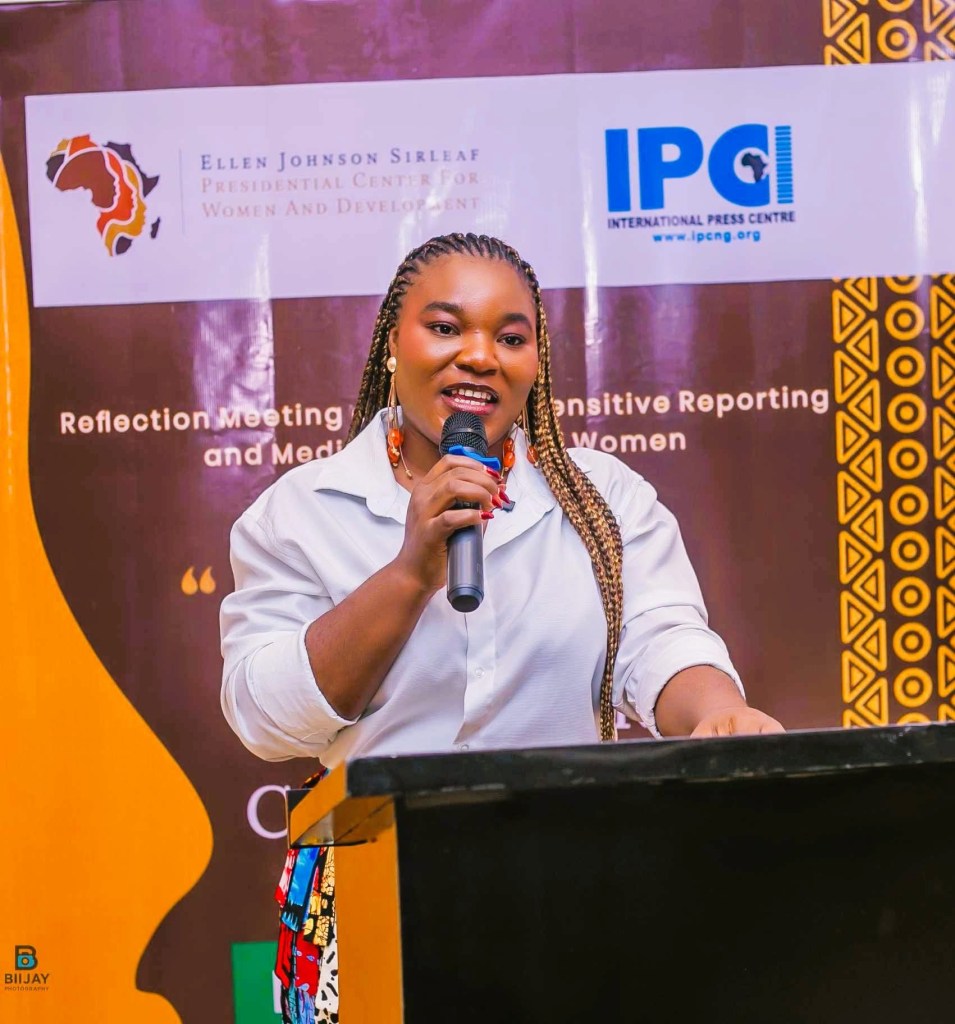
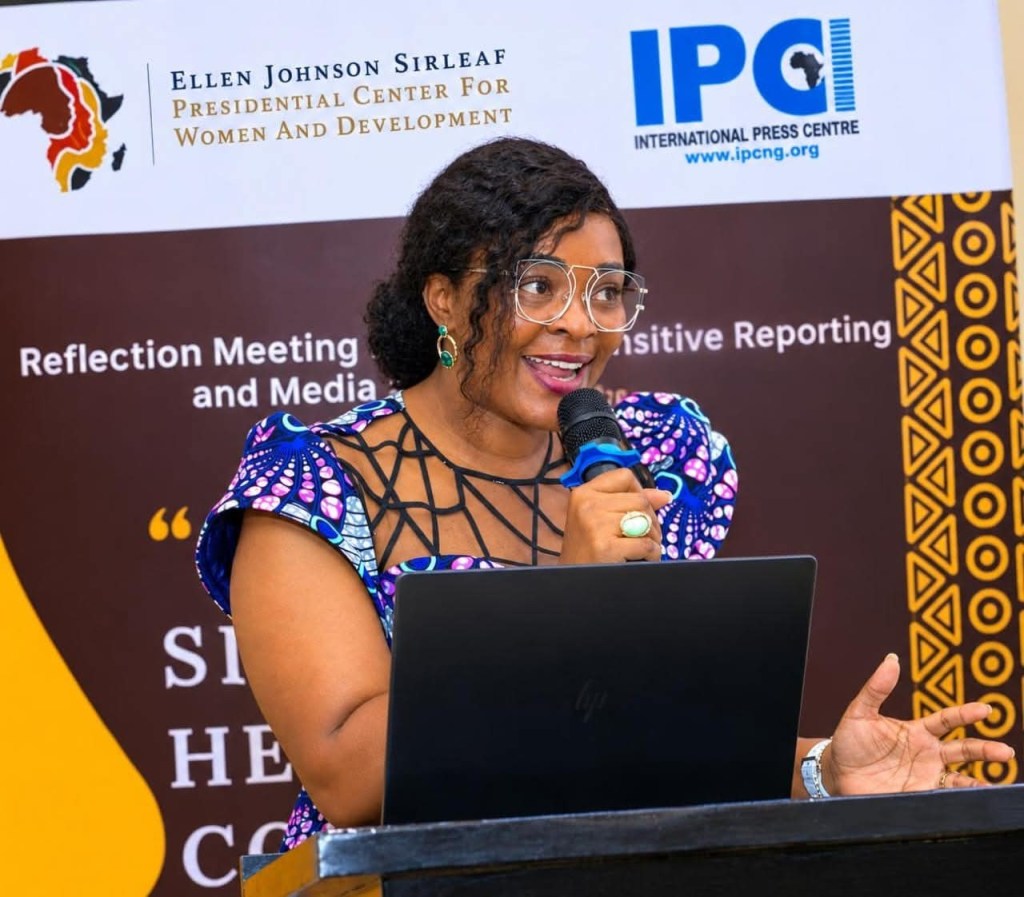
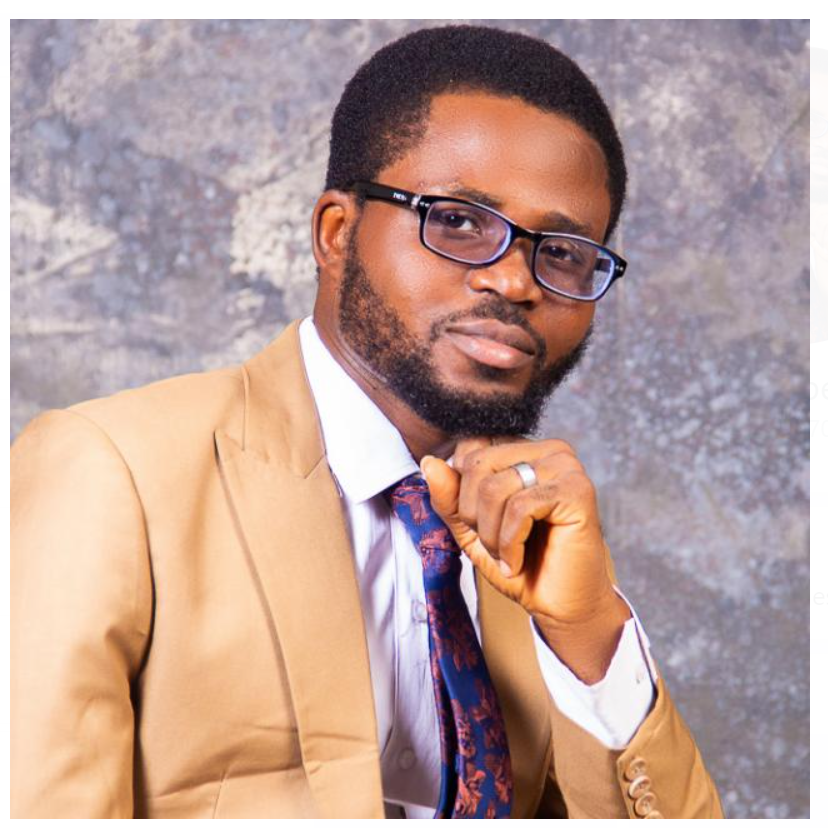
According to Noella Ngunyam, Communications Lead at the EJS Center, the meeting was designed to enable participants to engage in a process of reflection and learning by examining existing media coverage and considering what more meaningful reporting of women in public leadership could look like. Challenging participants to interrogate some of the assumptions that shape public perceptions of women leaders, she asked:
“Why is a woman leader’s marriage, children or family life so often part of the story, while the same questions are rarely central to coverage of male leaders?”
She stressed the need to examine the assumptions and biases underlying how women leaders are perceived and portrayed.
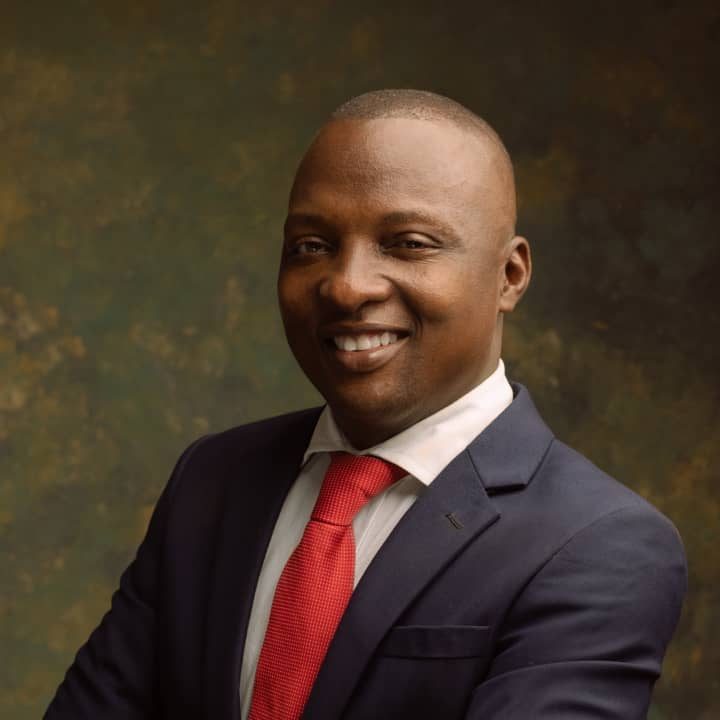
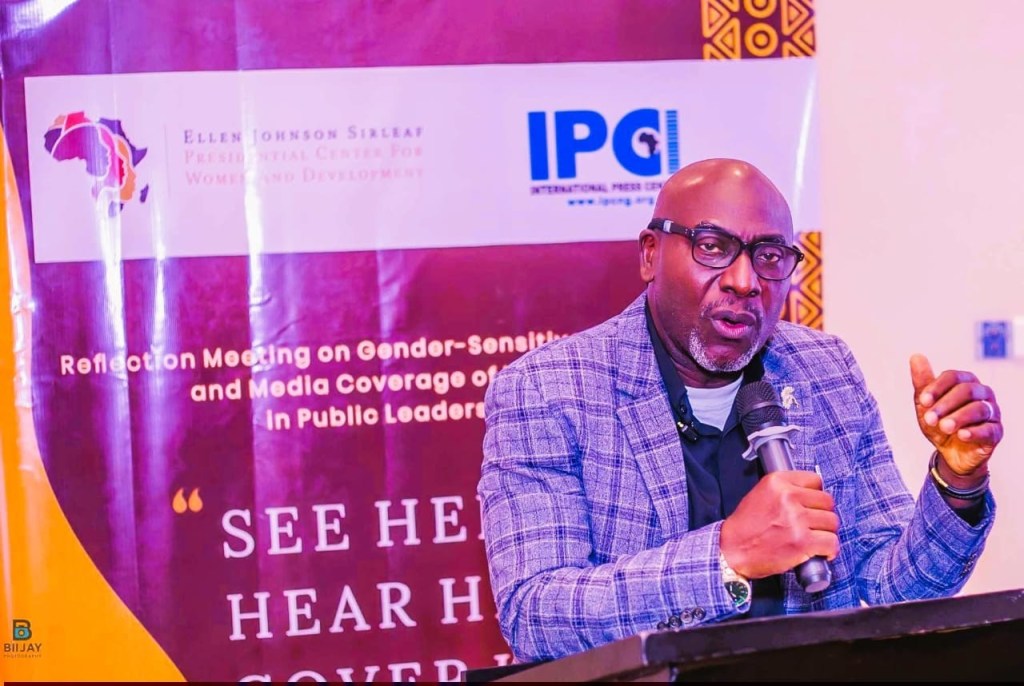
For Lanre Arogundade, Executive Director of the International Press Centre, the challenge goes beyond simply increasing the visibility of women in public life. It also requires reframing how women are presented and recognised as leaders.
“On women’s leadership and participation, gender-sensitive journalism should translate into more rigorous, substantive and impactful reporting of political and electoral processes in paving the way for more women to get in,” he said.
He urged journalists to ensure that women are recognised not merely as subjects of media coverage but “as decision-makers, experts, agenda-setters and holders of power.”
Moderating the meeting, Kathleen Ndongmo, Head of Digital at News Central TV, facilitated discussions on how women public leaders are positioned, framed and recognised in media coverage.
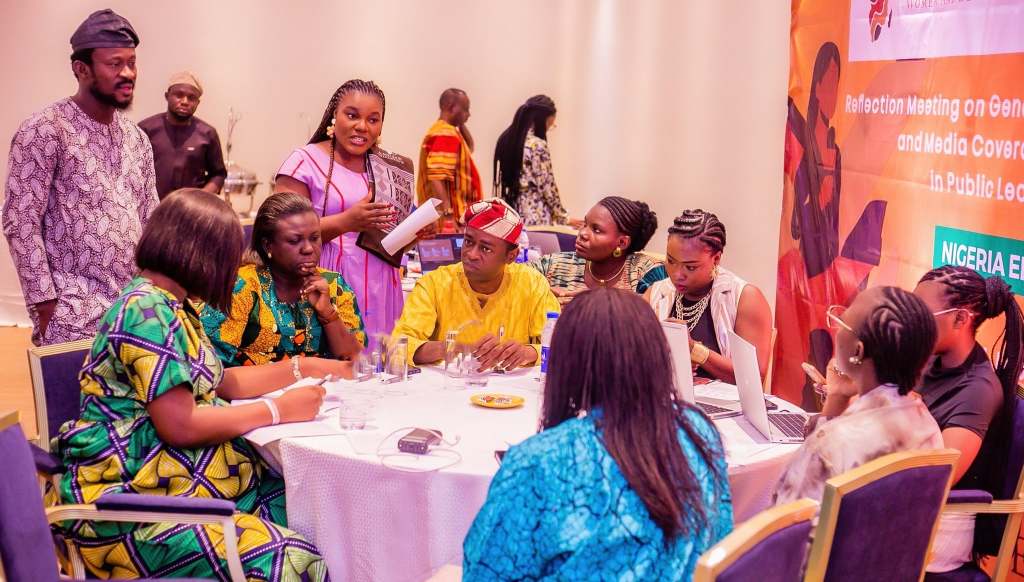
Participants examined several dimensions of reporting, including the centrality given to women in stories, leadership in action, authority and expertise, structural context, language and tone, as well as digital amplification and associated risks.
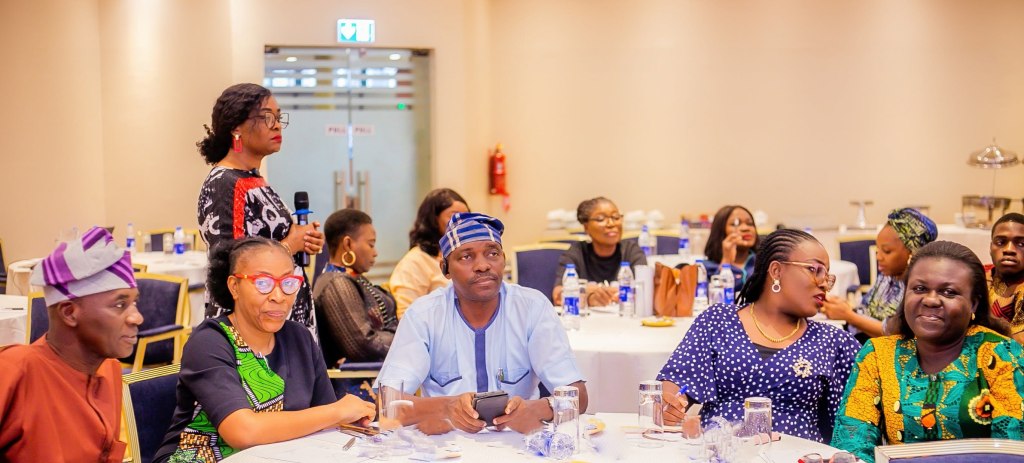
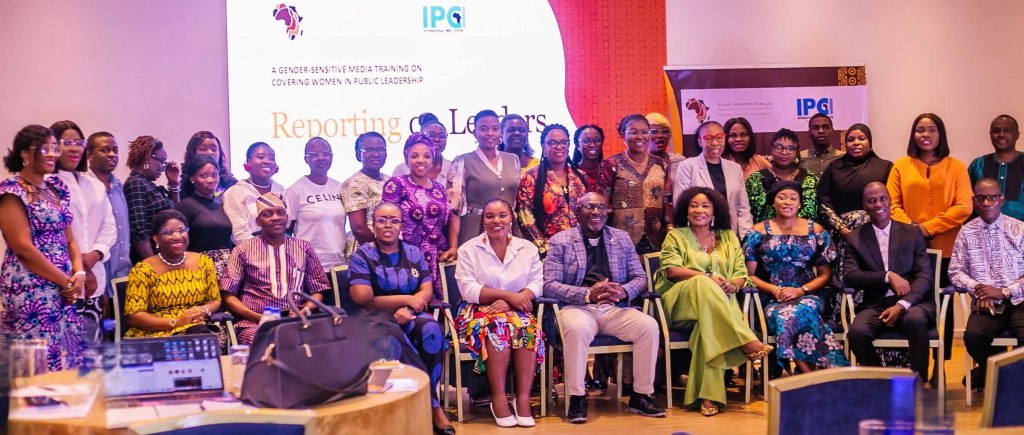
Newsroom Realities and Women’s Visibility
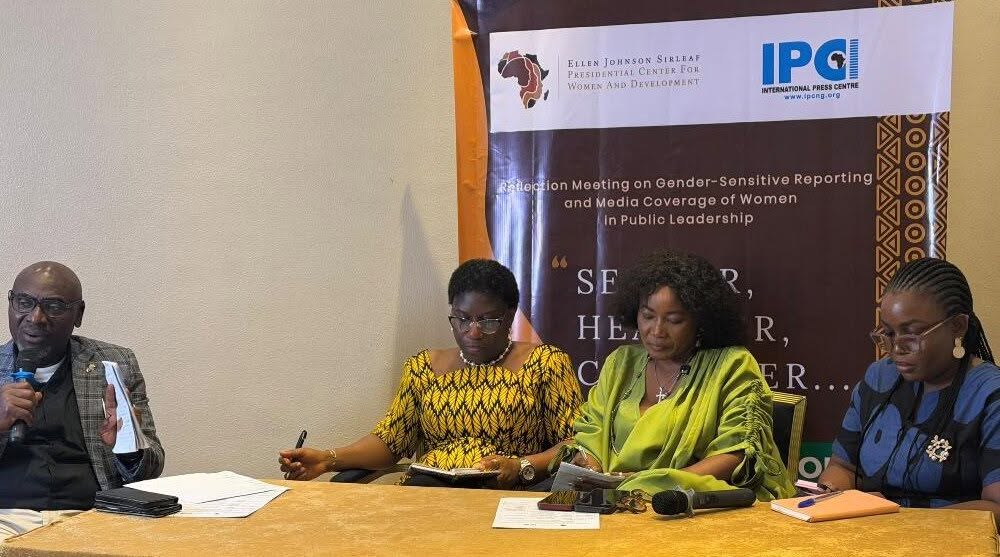
Sharing experiences on newsroom realities, opportunities and challenges in covering women leaders, panellists identified factors that continue to affect women’s visibility and proposed ways of strengthening their representation in the media.
Toun Okewale Sonaiya, Founder/CEO of Women Radio 91.7FM, represented by Olufunmilayo Bamgbala, challenged journalists to demonstrate greater patience and understanding when engaging women in public leadership. She reflected on how traditional socialisation and stereotypes can shape women’s willingness to speak publicly and engage with the media.
According to her, many women grow up with the notion that they should “be seen, not heard”, which can subsequently affect their confidence and engagement in public life.
She stressed that women leaders also need to understand how the media operate and the processes involved in politics and public communication.
“If women can put down their egos and support each other, they would achieve greatly. As women, sometimes, we are not approachable. On the part of the media, patience and understanding are important. Women should connect with people at the grassroots,” she said.
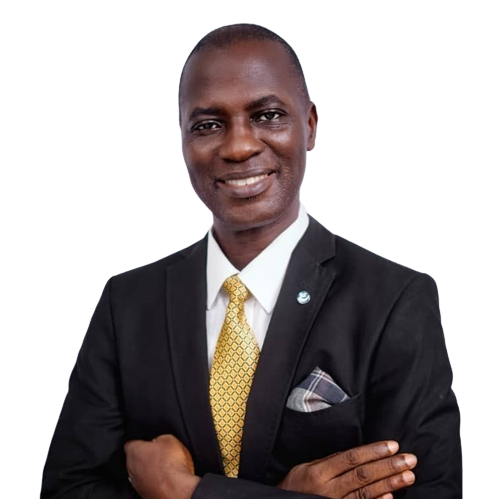
Motunrayo Alaka, Executive Director of the Wole Soyinka Centre for Investigative Journalism, emphasised the importance of substantive reporting that examines the actual performance of women in leadership while also holding political institutions accountable. She called for media reportage to hold National Assembly accountable as Senators and House of Representatives members before spotlighting women.
“Being out there as a woman is your first responsibility. Media reportage should hold NASS accountable before spotlighting women. They should know their roles, speak about what they do and this will help the media,” she said. She also identified culture, religion and the different ways boys and girls are socialised as factors affecting women’s participation and visibility.
“We are dealing with issues beyond us. We look at structure and system. A woman should be in position and make a change to make room for other women and empower them,” she added.
Similarly, Anike-Ade Funke Treasure, a gender advocate, linked the relative silence of some women in public leadership to their backgrounds and socialisation, while urging journalists to be more intentional about reporting women.
“Some of these women are quiet; do they really want the noise around them? For the few elected, are we doing enough? Many of the women don’t know the importance of visibility. Journalists should help them to set up communication teams,” she said.
Technology, Online Abuse and Women’s Voices
The discussions also drew attention to a new layer of challenges confronting women in public life as political and public conversations increasingly migrate to digital platforms.
While digital spaces have expanded opportunities for women to exercise their communication rights, they have also exposed women to technology-facilitated gender-based violence, online abuse, harassment and other digital safety risks.
These emerging threats have implications not only for women in public leadership but also for journalists reporting on them in increasingly hostile and polarised digital environments.
A multi-perspective panel on women leaders in public spaces brought together voices from journalism, digital media, feminist media advocacy and women journalists to examine how women leaders are represented across online and offline platforms.
The conversation explored how media coverage could be strengthened to give greater prominence to women’s leadership, expertise, agency, performance and public record, rather than stereotypes or aspects of their personal lives that would ordinarily receive little attention in the coverage of male leaders.
Men as Allies
The meeting also recognised the importance of engaging men as advocates and allies in advancing more inclusive media coverage.
Participants reflected on the role male journalists, editors, media managers and other stakeholders can play in challenging newsroom practices and stereotypes that limit women’s visibility and in creating greater opportunities for women’s voices to be heard.
The meeting ultimately challenged media professionals to move from awareness to deliberate newsroom practice.
Stakeholders were encouraged to prioritise the visibility of women, deliberately seek out women as expert sources, and ensure that women in public leadership are reported not simply because they are women, but as leaders, experts, decision-makers and holders of public responsibility.
As Nigeria approaches another general election in 2027, the message from the reflection was clear: better representation of women in the media requires more than simply increasing the number of stories about women. It requires journalism that sees their leadership, hears their voices and covers their contributions with the same depth, scrutiny and seriousness accorded to other holders of public power.