
Beyond the Tribe: Caleb University Students Showcase Nigeria’s Rich Cultural Heritage
By Simisola Ogunremi, Okikiola Lawal & Ajuzie Emmanuel
It was a celebration of culture, identity, and national unity as students of the College of Communication and Media Studies (COCOMS), Caleb University, Lagos, staged a Cultural Heritage Campaign themed “Beyond the Tribe: Unity in Diversity.”
At a time when technology and globalization continue to reshape societies and influence cultural values, the event served as a timely reminder of the importance of preserving Nigeria’s rich cultural heritage and strengthening the bonds that unite its people.
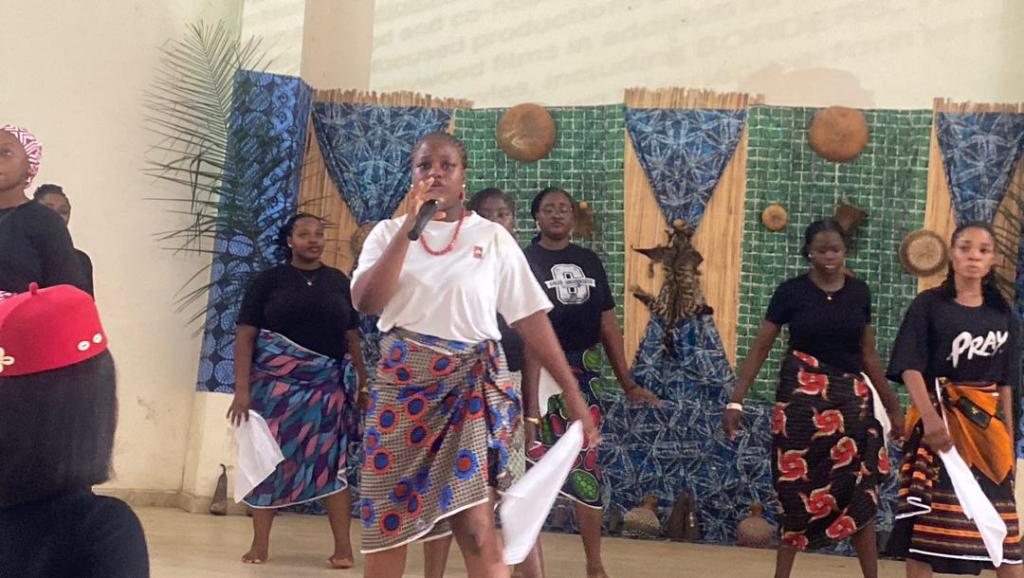
The event, which had rhythmic beats of traditional drums echoed amid colourful attires representing Nigeria’s diverse ethnic groups, lit up the atmosphere with songs, dances, drama, and cultural displays that brought to life the beauty of a nation whose strength lies in its diversity.
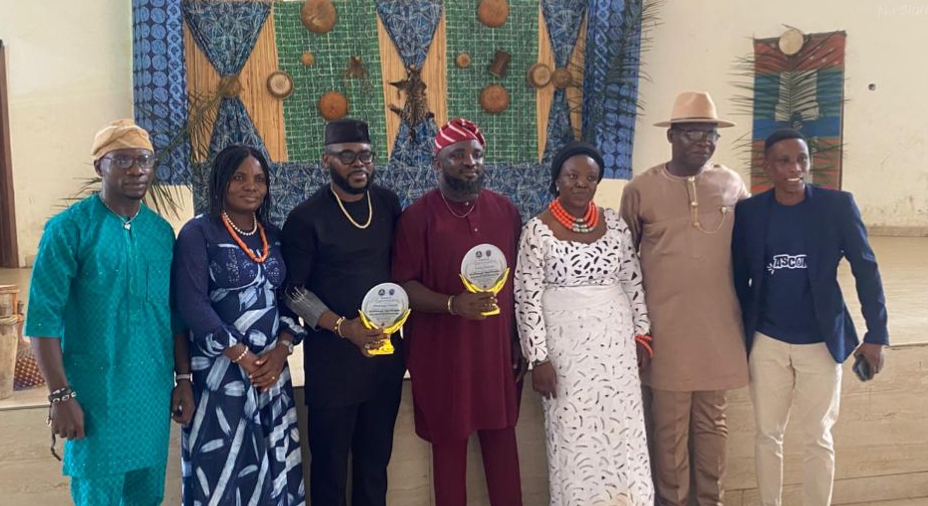
Delivering the keynote address, actor, businessman, and creative media strategist, Olanrewaju Olakanlu, popularly known as Mr. Kogberegbe, challenged Nigerians to rise above stereotypes and ethnic divisions by embracing their shared humanity.
Speaking before an enthusiastic audience of students, lecturers, and guests, he stressed that cultural diversity should be seen as a source of strength rather than a basis for division.
According to him, friendships and relationships should extend beyond tribal boundaries, as the similarities that bind Nigerians together are often greater than the differences that separate them.
Reflecting on the various cultural performances showcased during the programme, Olakanlu noted that the presentations demonstrated remarkable creativity, collaboration, and mutual respect among students from different backgrounds.
“Culture is more than tradition and entertainment; it contains wisdom, values, and lessons that can help bridge social divides and strengthen national cohesion,” he said.
He described the event as a commendable initiative that reflects the university’s commitment to cultural preservation and appreciation. He particularly praised the dedication and teamwork displayed by the students, noting that their performances went beyond mere entertainment to become powerful expressions of identity and unity.
Olakanlu also highlighted the growing importance of cultural storytelling in an era increasingly shaped by globalization and artificial intelligence. He urged aspiring journalists, broadcasters, and media practitioners to become custodians of Nigerian stories by promoting authentic narratives that preserve cultural identity for future generations.
Earlier, in her welcome address, Mrs. Funmi Falobi, course lecturer for the 100-level Journalism students, emphasized the significance of cultural heritage as a foundation for national development and social harmony.
She noted that cultural gatherings such as the campaign create valuable opportunities for people to appreciate one another’s traditions while strengthening the spirit of unity.
“The theme of this year’s campaign, Beyond the Tribe: Unity in Diversity, reminds us that while our ethnic identities are important, our shared humanity and common aspirations are even greater,” she said.
“Nigeria’s strength lies not in uniformity but in the richness of its many cultures, languages, traditions, and experiences.”
Addressing the students directly, Falobi challenged future media professionals to use their platforms responsibly by promoting understanding rather than division.
“As future journalists, broadcasters, public relations practitioners, and media professionals, you have a responsibility to tell stories that bridge divides rather than widen them. The media possesses immense power to shape perceptions, foster understanding, and promote peaceful coexistence among diverse peoples and cultures,” she stated.
Providing the academic context for the programme, Mrs. Joy Joseph, lecturer for the 200-level students, explained that the campaign was designed to complement two important courses within the college.
She said the event provided practical learning opportunities for students enrolled in Cultural Heritage, a course that examines the preservation and promotion of cultural values and identities, as well as Foundation of Cultural Reporting, which introduces students to the principles of reporting cultures, traditions, and communities with professionalism and sensitivity.
The event also featured a thought-provoking presentation by award-winning investigative journalist with THISDAY Newspaper, Mr. Sunday Ehigiator, who explored the complex relationship between culture and the media.
Ehigiator observed that Nigeria continues to experience the influence of cultural imperialism, with foreign media content increasingly shaping societal values and lifestyles. While acknowledging the media’s role in facilitating cultural exchange, he stressed that it can also serve as a powerful instrument for preserving and promoting indigenous cultures.
He urged journalists to be deliberate in telling authentic Nigerian stories and warned against the growing tendency for social media-driven journalism to prioritize attention and engagement over accuracy and ethics.
According to him, the future of journalism depends on maintaining professionalism, upholding ethical standards, and embracing responsible storytelling.
For many students, the event offered more than academic engagement. It was an opportunity to experience firsthand the richness of Nigeria’s cultural diversity while reflecting on their future roles as communicators and storytellers.
As the colourful displays, energetic performances, and cultural exhibitions unfolded, one message resonated throughout the event: Nigeria’s diversity is not a weakness to be managed but a strength to be celebrated.
The Cultural Heritage Campaign, which formed part of the Continuous Assessment exercise for 200-level Mass Communication students and 100-level Journalism students, attracted students, lecturers, and distinguished guests, including the Dean of the College of Communication and Media Studies, Dr. Kayode Okunade.
By the end of the programme, the message was unmistakable: beyond tribe, language, and ethnicity lies a shared Nigerian identity—one that can flourish when culture is preserved, celebrated, and passed on to future generations.

