>By Sanmi Falobi<
It was an immersive three-day hybrid executive training programme that brought together nearly 60 journalists from newsrooms across Nigeria, all united by a common professional challenge — how to report science and technology in ways that are accurate, accessible and meaningful to the public.
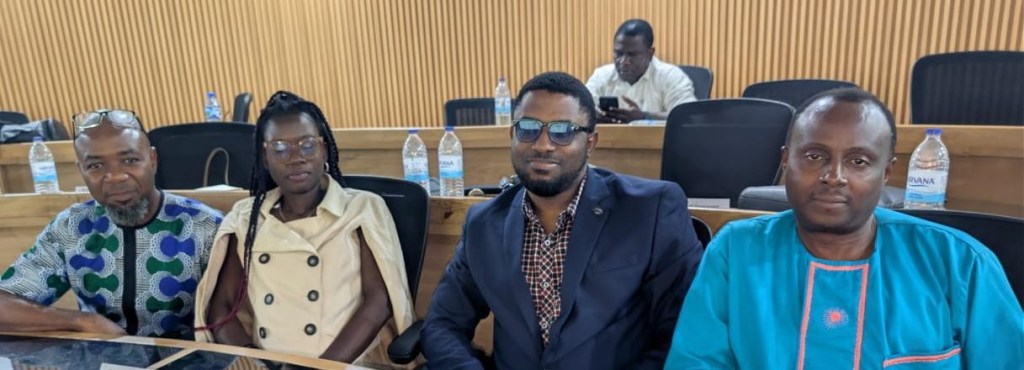
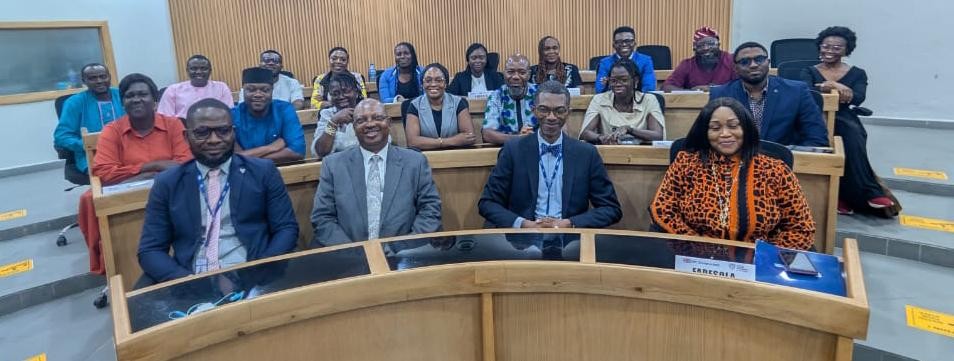
In a blend of learning, reflection and practical engagement, about 25 journalists from major print and broadcast media organisations gathered physically in Lagos, while nearly 30 others joined virtually from Abuja, Kano, Edo, Ibadan and other parts of the country.
The 3-day sessions, which held May 5-7 was sponsored by the British High Commission and organised in collaboration with the School of Media and Communication (SMC), Pan-Atlantic University (PAU), Lagos.
While a major focus of the training was strengthening journalists’ capacity to communicate science and technology issues clearly and responsibly, the programme was also used to interrogate and address broader concerns around media ethics, press freedom and public trust in journalism.
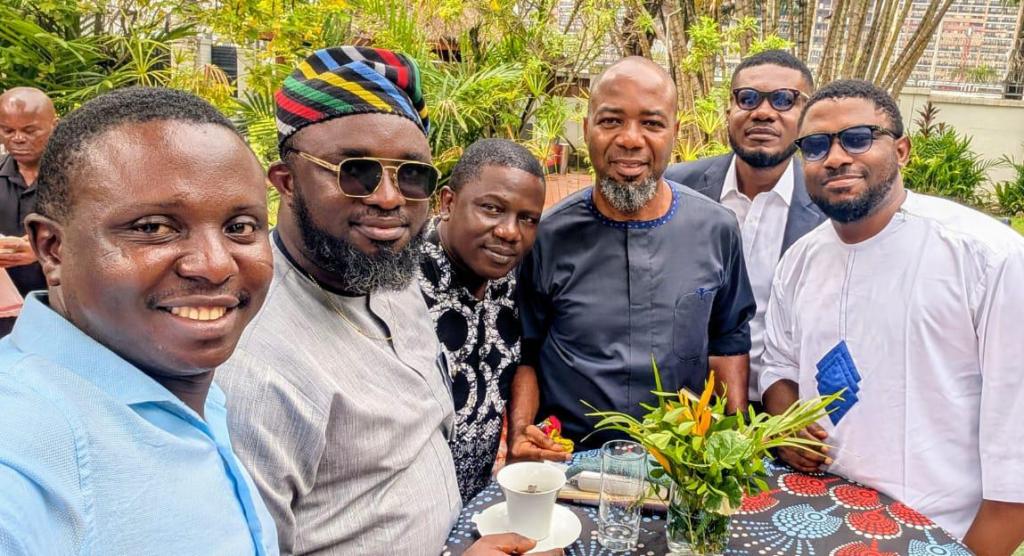
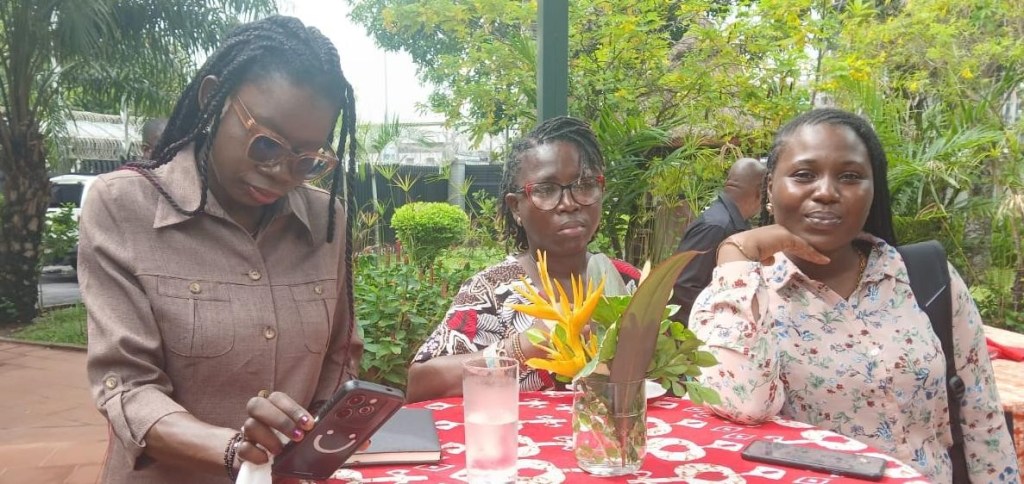
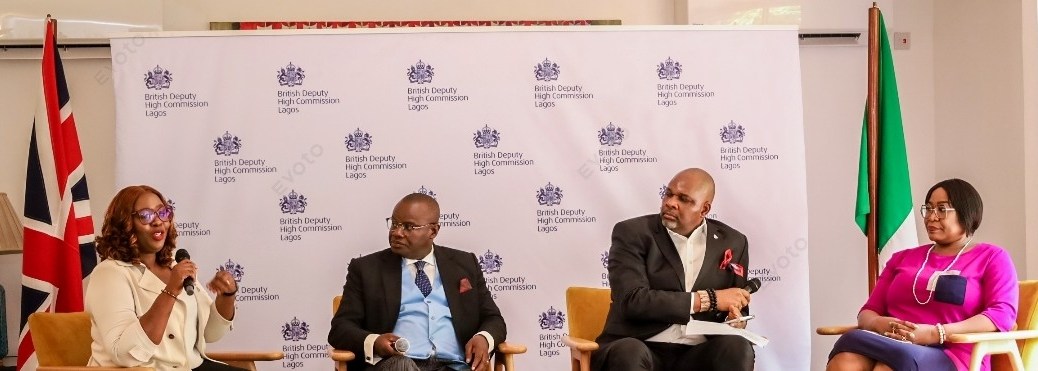
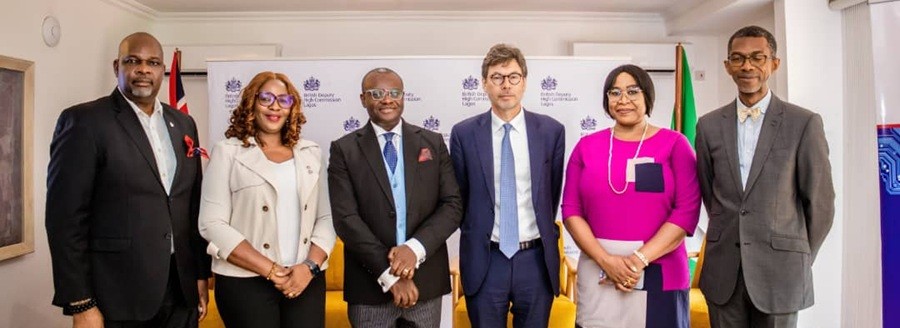
This key intervention was in form of a special panel session held at the Ikoyi residence of Jonny Baxter, British Deputy High Commissioner. The session, organised to commemorate the 2026 World Press Freedom Day, was an extension of the main training that had commenced at PAU, with the theme; Advancing Press Freedom through Science and Tech Journalism.
Journalism, Press Freedom and ethical reporting
While the main sessions at PAU was to address science and tech reporting, the programme integrated wider conversations around media freedom, ethical journalism, misinformation and the evolving responsibility of the press in an increasingly digital and fast-paced information environment.
Setting the tone for the discourse at the panel session, Dr Ikechukwu Obiaya, Dean of the School of Media and Communication, said journalism must remain rooted in accuracy, fairness, ethics and responsibility.
“Good journalism is that which is accurate, fair and ethically responsible,” he said.
Dr Obiaya noted that technological advancement had created what he described as a “free-for-all” information environment in which professional journalism competes with misinformation and unverified claims.
According to him, the democratisation of information production means that both professionals and non-professionals now shape public narratives, making critical thinking and ethical reporting more important than ever.
“People turn to the media because they expect to be told the truth,” he added, noting that good journalism should be about balance, accuracy, fairness, creativity and responsible reporting.
When Journalism meets Public Trust
Earlier in his welcome remarks, Jonny Baxter reaffirmed the United Kingdom’s support for independent journalism and freedom of expression in Nigeria.
“The UK strongly supports freedom of expression and a free press. That is why we are proud to support this training, which focuses on media freedom and the important role of science and technology reporting,” he said.
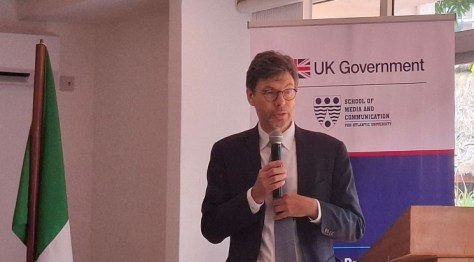
He stressed the importance of ethical and credible journalism in an era where unverified information spreads rapidly across digital platforms.
“In a time when unsubstantiated information spreads rapidly, journalists and media organisations play a vital role in ensuring that evidence-based and credible information is disseminated to the public,” Baxter added.
According to him, the British High Commission would continue to engage with Nigerian journalists through dialogue, training and professional development initiatives aimed at strengthening public communication and responsible reporting.
“Over the past two years, we have organised several training sessions and activities in Abuja, Lagos and the UK. This training is aimed at reinforcing professional values and supporting journalists’ commitment to responsible reporting,” he said.
Who Watches the Watchdog?
Moderating the panel session was Associate Professor of Human Resources Management and Organisational Behaviour, Silk Ogbu, of the Lagos Business School, Pan-Atlantic University.
Ogbu explored the relationship between media freedom, freedom of expression and access to information, explaining that while freedom of expression remains a fundamental democratic right, it must still operate within legal and ethical boundaries, particularly in areas involving misinformation, incitement and public safety.
He also identified structural challenges affecting journalism practice in Nigeria, including limited access to public information, political and commercial pressure, among others.
“We are supposed to be watchdogs, but who is watching the watchdog?” he asked, stressing the need for stronger accountability systems within the media ecosystem.
Furthering the discourse, the session delved into critical questions on media practice and press freedom, engaging the panelists, made up of Margaret Agada-Mba, senior lecturer at Pan-Atlantic University, media law expert Tomi Vincent, also a senior lecturer at PAU, and Channels Television Diplomatic Editor, Amarachi Ubani.
The engagement with the panelists emphasised the importance of evidence-based reporting in an age where misinformation travels quickly across digital platforms.
Learning to explain the complex issues
Away from the panel session, the participants reverted to continue the interactive and immersive sessions at PAU, entailing formal presentation, reflections and case studies interpretation. Participating journalists also took part in effective communication exercises and open conversations around the realities of impactful journalism, decision-making, the psychology of communication and the responsibility of interpreting complex issues for public understanding.
The sessions included lectures, case studies and practical exercises facilitated by Prof Silk Ogbu, Dr Uzoma Okoro and Dr Richard Ikiebe, who took participants through inter-linking presentations that shed light on how journalists can break down technology and scientific terminologies in context, descriptive, explanatory, narrative ways and with depth and evidence.
With presentations that criss-crossed topics such as emotional intelligence, decision-making skills, interpreting and translating technology terms, as well as understanding the fundamentals of science and technology reporting, the facilitators stressed that science journalism is about understanding and breaking down the technical terms, and making complex information understandable, including examining how audiences receive, process and interpret information.
“Journalism is not just about what is said, but how it is understood,” one facilitator noted during a session.
“Your job is not to impress with jargon. Your job is to inform with clarity,” another facilitator noted, while another added: “balancing your content with context is key”.
The sessions also discussed how emotional triggers, bias and digital culture shape public understanding of news and influence how stories are consumed online.
“Add evidence to your reporting,” one of the facilitators noted, adding that “authority is not proof, evidence is. That an expert or a government official has spoken is not the basis of truth. Investigate and have evidence to back up what was said; that is when truth is established,” another facilitator explained.
Networking, learning and alignment
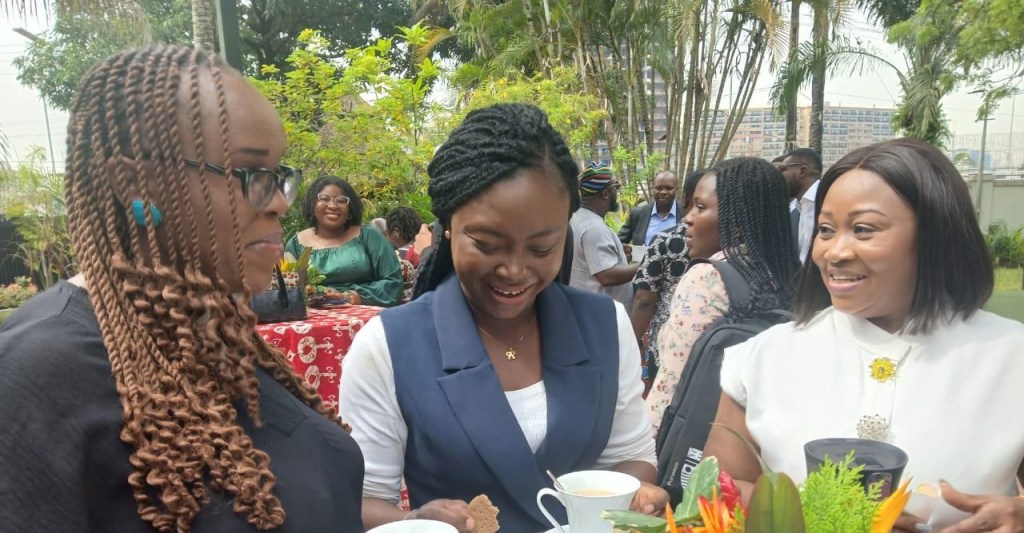
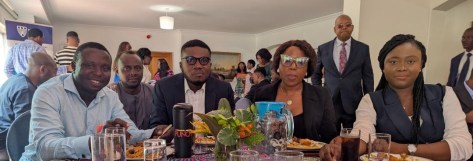
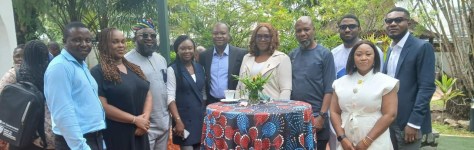
Apart from classroom learning, the PAU-British High Commission training also created opportunities for networking and peer learning across participating journalists from different media organisations. Informal conversations during break and lunch sessions became extensions of the classroom experience, allowing participants to exchange professional experiences, newsroom challenges and personal reflections on their journalism practice.
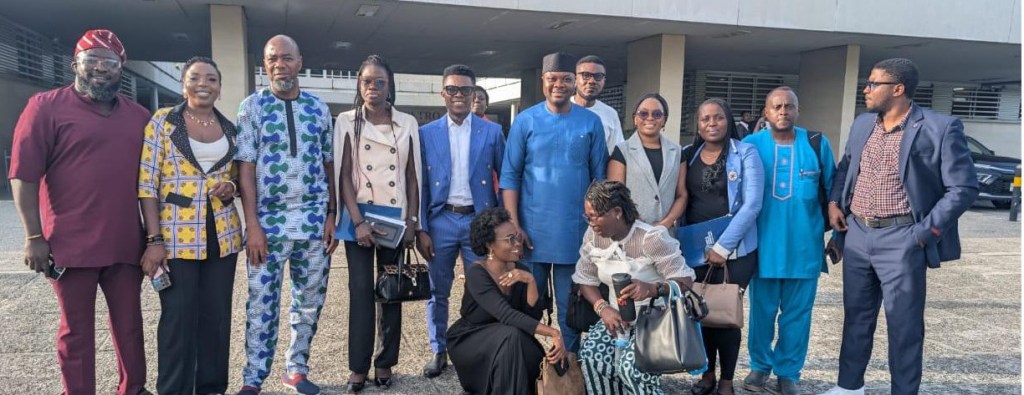
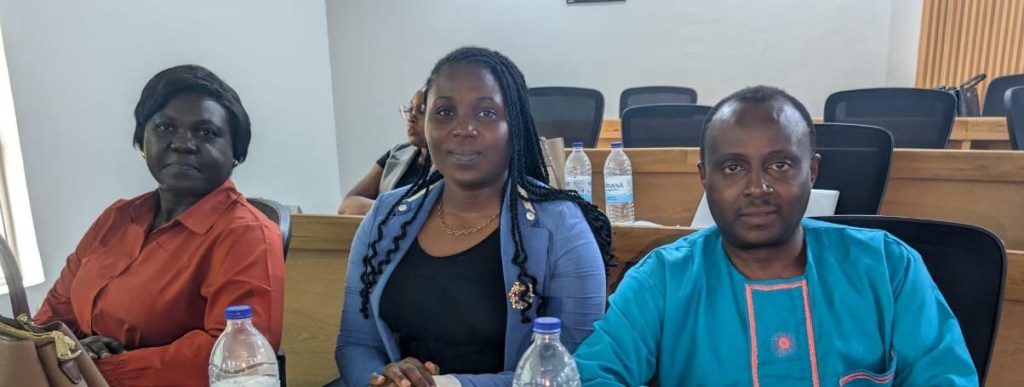
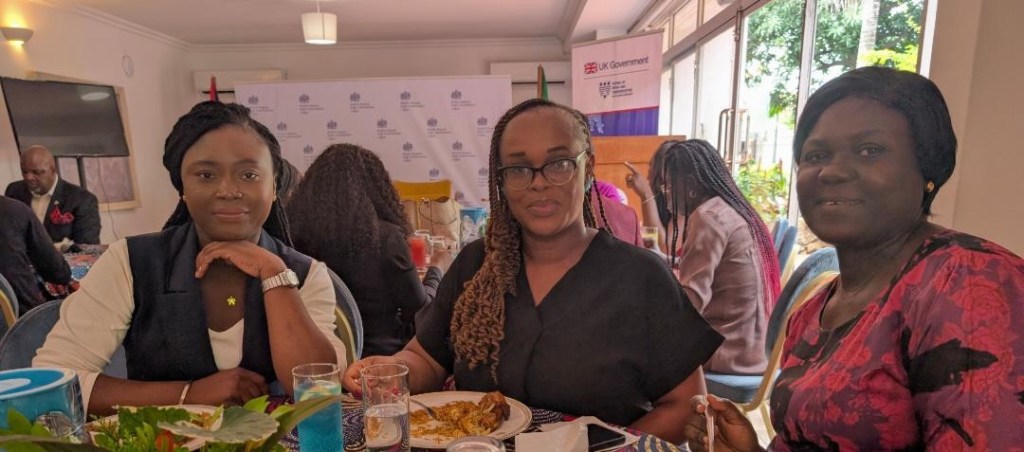
Participants also enjoyed a guided visit to the Yemisi Shyllon Museum of Art (YSMA) located within the University, which further generated lively conversations around culture, arts and communication.
For many attendees, these informal moments became some of the most memorable aspects of the programme, creating opportunities for deeper connection, professional bonding and personal learning experiences.

Unwinding the Mixed Experience
Though the experience throughout the three days reflected not only professional development, but also intellectual exchange, collaboration and community building among the participating journalists, participating in the programme came with its own realities, especially for Lagos-based attendees.
Indeed, the mixed experience each day with participants navigating the familiar stress of Lagos traffic in a determined effort to arrive at Pan-Atlantic University for the 8.30am commencement time, came with its own toll and challenges. Yet, beyond the stress and demanding commute, many participants considered the experience worthwhile, as the opportunity to strengthen their skill-set in Science and Technology reporting, gaining deeper insight into how communication, psychology and audience perception intersect in modern journalism, was considered imperative than the associated stress of travel time commuting daily to PAU.
It’s noteworthy to recognise the efforts of the organisers, coordinated by a team from the Pan-Atlantic University led by Isaac Ogugua-Ezechukwu, Director of Professional Education, ably assisted by Samsideen Akano. The presence of the Communications/Public Affairs department from the Abuja and Lagos offices of the British High Commission, led by the Head of Communications, Aseosa Uwagboe, which included Ndidiamaka Eze, Atinuke Akande-Alegbe and Onyinye Madu, also added sparks to the community of those to network with.
Overall, the Executive training programme reflected a shared commitment between the British High Commission and Pan-Atlantic University in strengthening journalism practice in Nigeria and improving public understanding of science and technology in a rapidly evolving digital society.
______________________
Sanmi Falobi, Project Manager with the International Press Centre (IPC) is Guest Writer/Executive Editor, Social Devt News