Tag Archives: mental-health

Peculiarities of the Challenges Faced by Men and Boys in Africa: A Deep Look at Mental Well-Being

>By Oluwaseun Ola-Daniels<

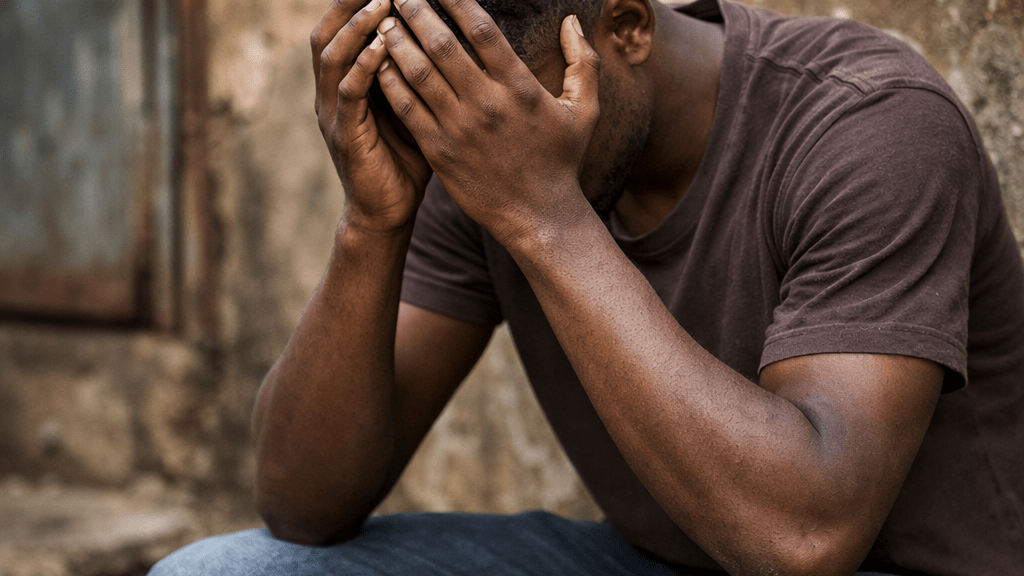
Across Africa, men and boys face unique mental health challenges that often go unspoken, misunderstood, or ignored. These challenges are not merely personal; they are structural and cultural, deeply rooted in social expectations surrounding strength, emotional control, and success. While mental health conditions affect people of all genders and ages, men and boys on the continent experience them in distinctive ways due to entrenched cultural norms, economic pressures, limited access to care, and persistent stigma.

A Widespread but Under-Recognised Crisis

According to the World Health Organization (WHO), nearly 150 million people in Africa are living with mental health conditions, including depression, anxiety, and substance use disorders. Despite this scale, access to mental health services remains severely limited, particularly outside major urban centres.

Suicide is another pressing concern. WHO data indicate that Africa’s age-standardised suicide rate stands at 11.5 per 100,000 people, with men accounting for a disproportionate share of these deaths. In many African countries, including Nigeria, men die by suicide at significantly higher rates than women. This pattern mirrors global trends but is intensified by region-specific social and economic pressures.

Cultural Expectations: “Be Strong” at All Costs

One of the most powerful influences on male mental health in Africa is the cultural expectation that men must be unshakeably strong and emotionally restrained. From an early age, boys are taught—directly and indirectly—that vulnerability equates to weakness. Phrases such as “boys don’t cry” and “man up” are commonly used to discourage emotional expression and help-seeking behaviour.

Psychologists and mental health advocates argue that this rigid cultural script pushes many boys and men to internalise stress, anxiety, and emotional pain rather than express it or seek support. Over time, this silent endurance often manifests in harmful ways, including depression, substance misuse, aggression, and, in extreme cases, suicide.

Nigeria: A Case Study of Young Men and Mental Strain

Nigeria presents a stark illustration of how these pressures intersect. Research has shown that 82.5 per cent of adolescent boys in a Nigerian correctional facility exhibited symptoms of psychiatric disorders, including disruptive behaviour, substance use, anxiety, and mood disorders.

Substance abuse among young Nigerians is particularly alarming. National surveys reveal that 14.4 per cent of people aged 15 to 64 report drug use—almost three times the global average. Anxiety disorders affect millions nationwide, and men are three to four times more likely than women to die by suicide.

Economic insecurity further compounds these challenges. High youth unemployment, financial instability, and the entrenched expectation that men must act as providers exacerbate feelings of hopelessness, shame, and depression among young men. These realities reveal how multiple pressures—emotional suppression, economic uncertainty, substance misuse, and interaction with the criminal justice system—converge to worsen mental health outcomes.

Societal Stigma and Limited Access to Help

Across Africa, particularly in rural areas, access to mental health services is grossly inadequate. Nigeria, for instance, has fewer than 0.1 psychiatrists per 100,000 people—a figure far below what is required for a population exceeding 200 million.

In many communities, mental health challenges are interpreted through spiritual or cultural frameworks, prompting families to seek help from traditional healers or religious leaders rather than trained mental health professionals. While such support may offer comfort, delays in professional intervention often worsen conditions. Combined with stigma, these barriers mean that many men only seek help when they are already in crisis, if they seek it at all.

Barriers Unique to Men: From Silence to Suicide

Experts consistently observe troubling patterns across the continent. Men are generally less likely to seek mental health support due to stigma and restrictive gender norms. In several African countries, male suicide rates far exceed those of women. In places such as South Africa, men are reported to die by suicide up to five times more often than women.

Young men face additional burdens from economic instability, unemployment, and social expectations of financial responsibility. Together, these factors create an environment in which men and boys suffer in silence—often with fatal consequences.

Conclusion: A Crisis That Demands Compassion

Mental health is not merely a personal concern; it is a societal responsibility. When boys and men are expected to suppress their pain, ignore emotional distress, and conform to rigid definitions of masculinity, the consequences are devastating. Lives are lost, families are broken, and communities are weakened.

Addressing this crisis requires compassion, listening, and systemic change. By challenging harmful norms, expanding access to mental health services, and creating spaces where emotional well-being is recognised as a fundamental part of human health, Africa can begin to heal a deeply rooted and dangerous silence.

Oluwaseun Ola-Daniels is Programme Manager, Mega Impact Foundation, Delta State.
2025 WDBC: Building Self Esteem in Boys

By SDN

The world of the boy child is a peculiar one that must be given attention. This is so because neglect of the boy child is tantamount to creating a dysfunctional society where the untrained boy would become a threat to the trained girl, and society in general.

This, among others necessitates the call for concerted attention for the boy child and for which May 16 was initiated as the World Day of the Boy Child (WDBC) by Dr Jerome Teelucksingh of the University of West Indies, Trinidad & Tobago. The WDBC is also widely acknowledged as the International Boys Day, a day to celebrate the positivity of boys and proffer solutions to myriad of challenges being faced by boys and adolescent males globally.

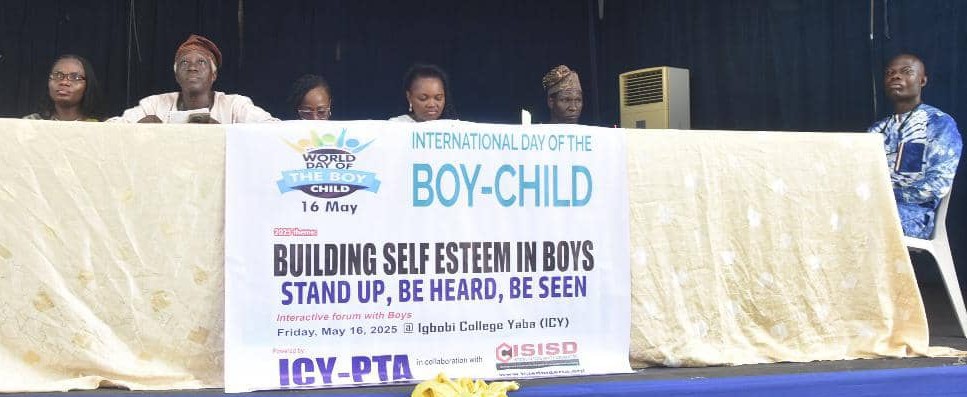
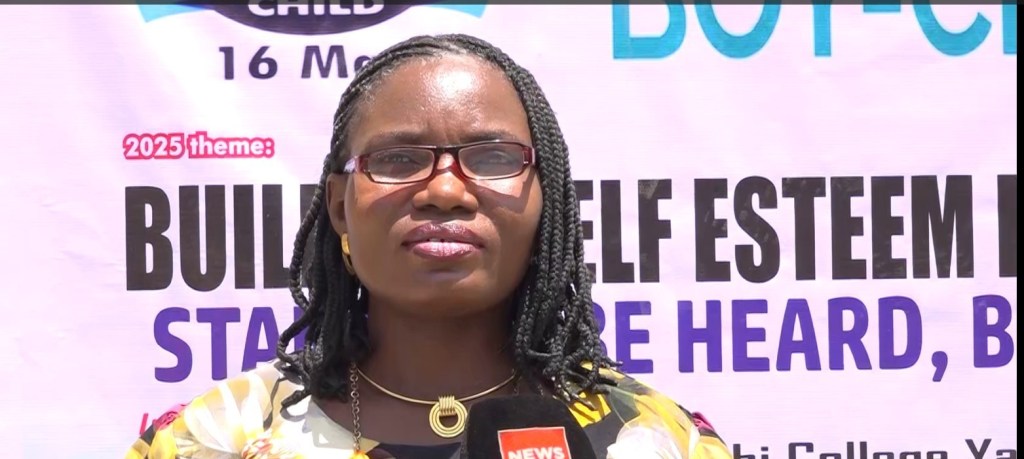
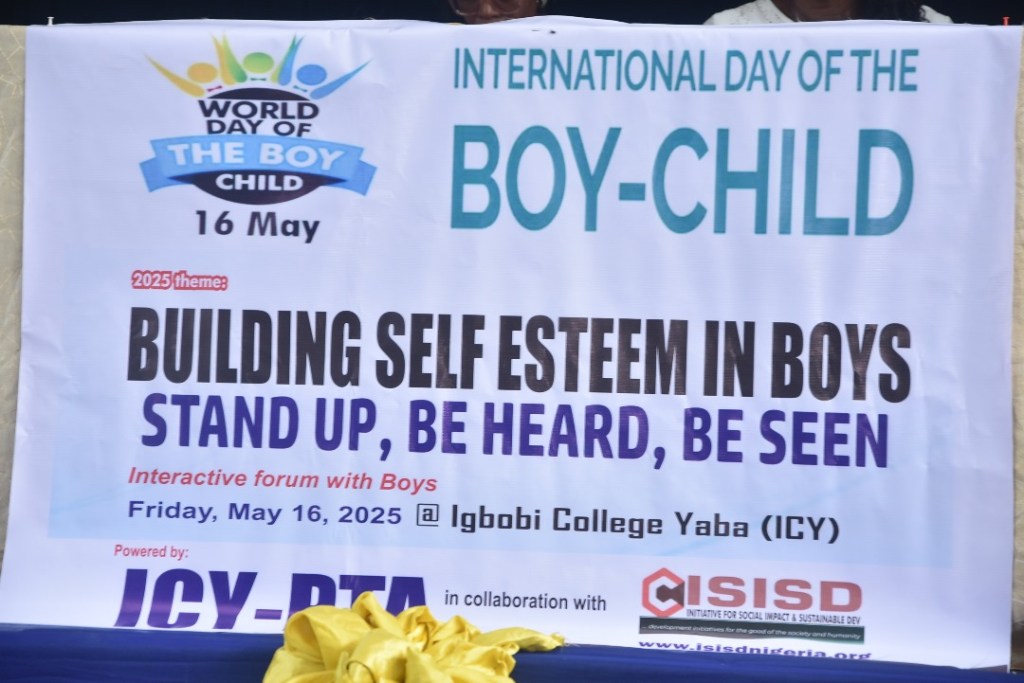
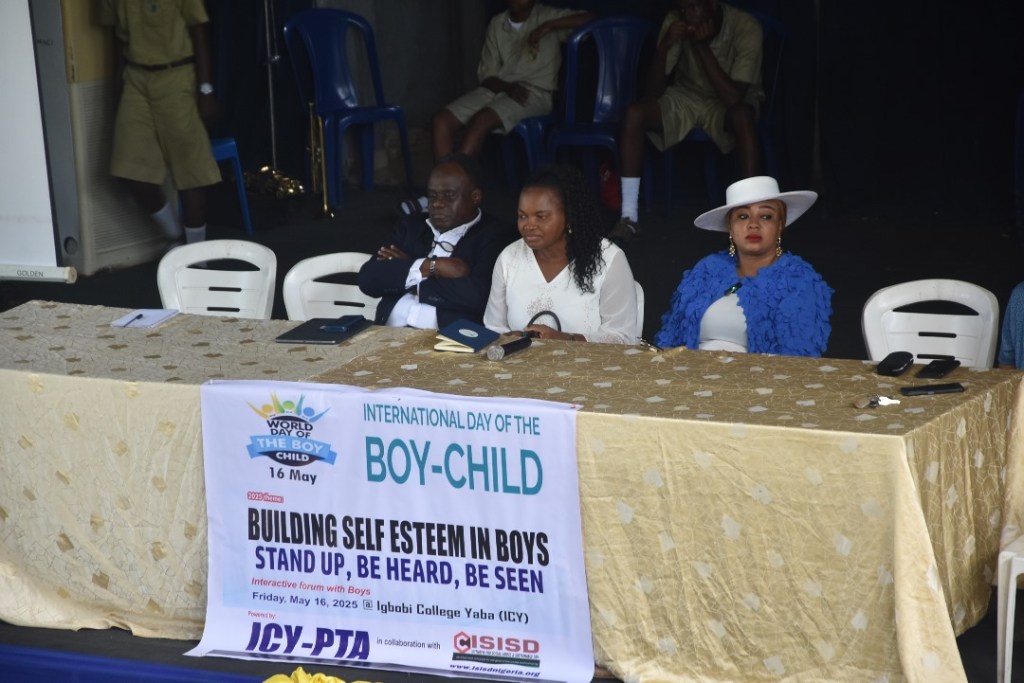
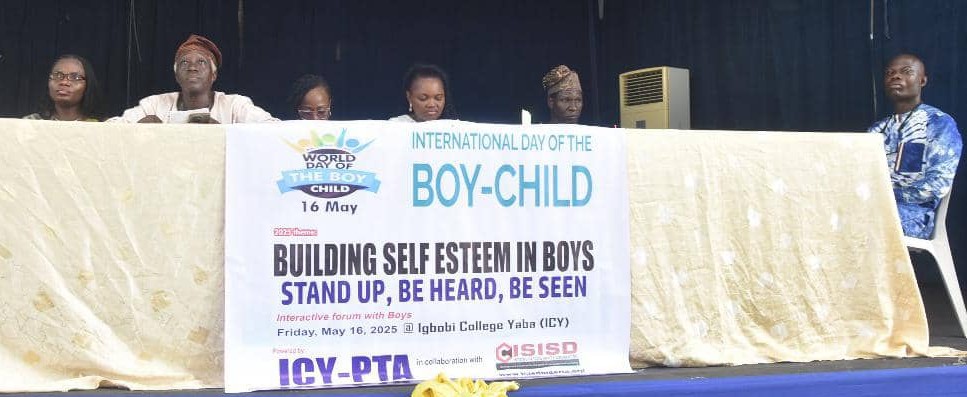
The 2025 theme: “Building Self Esteem in Boys: Stand up, Be heard , Be seen,” is coming at the heels of neglect and vulnerability of boys in the society.

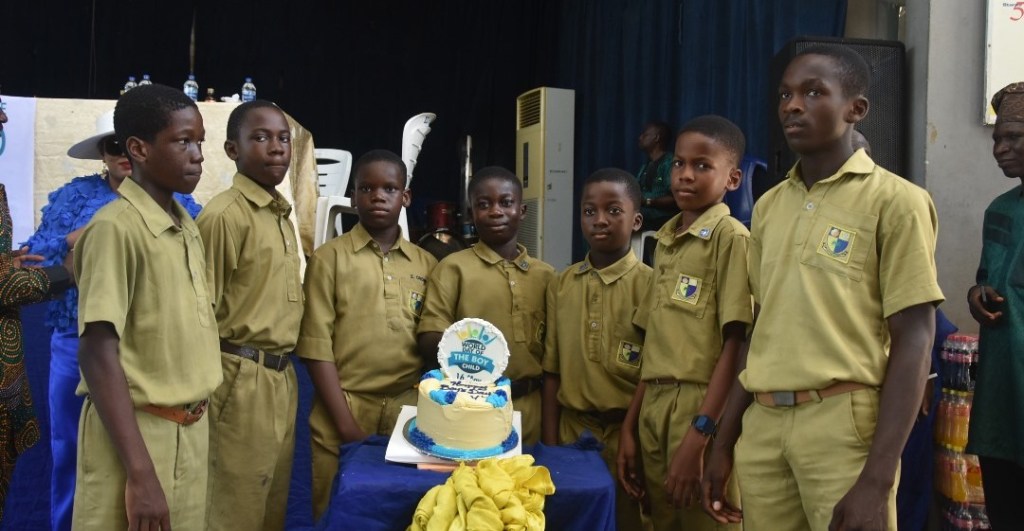
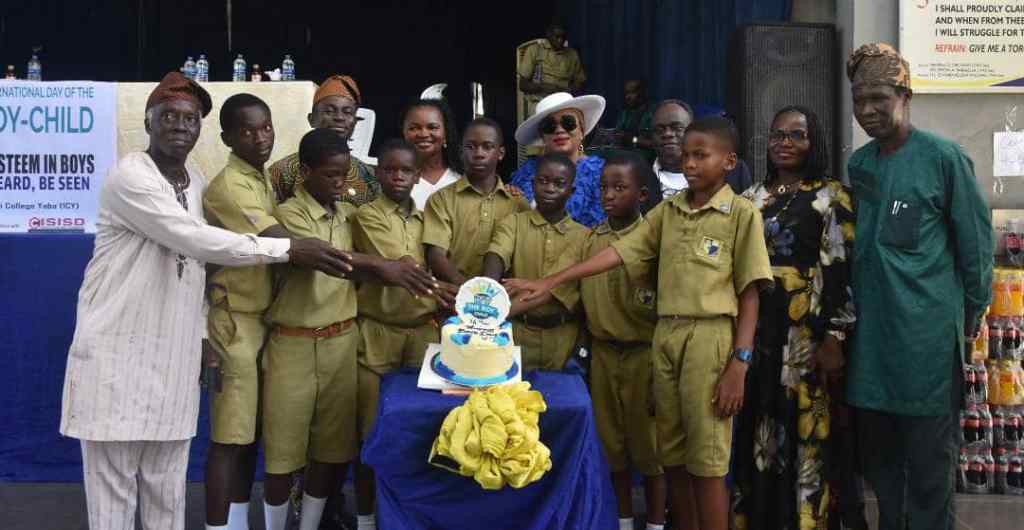
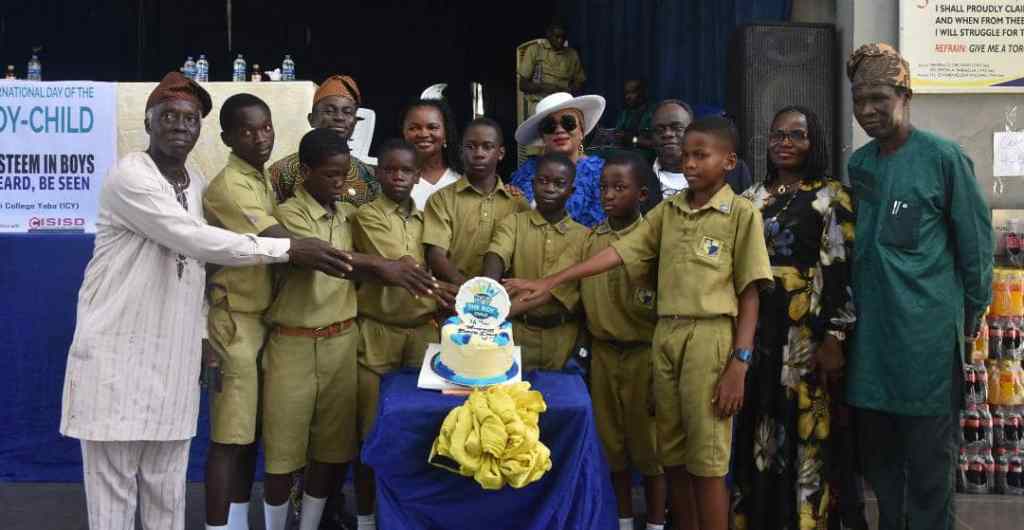
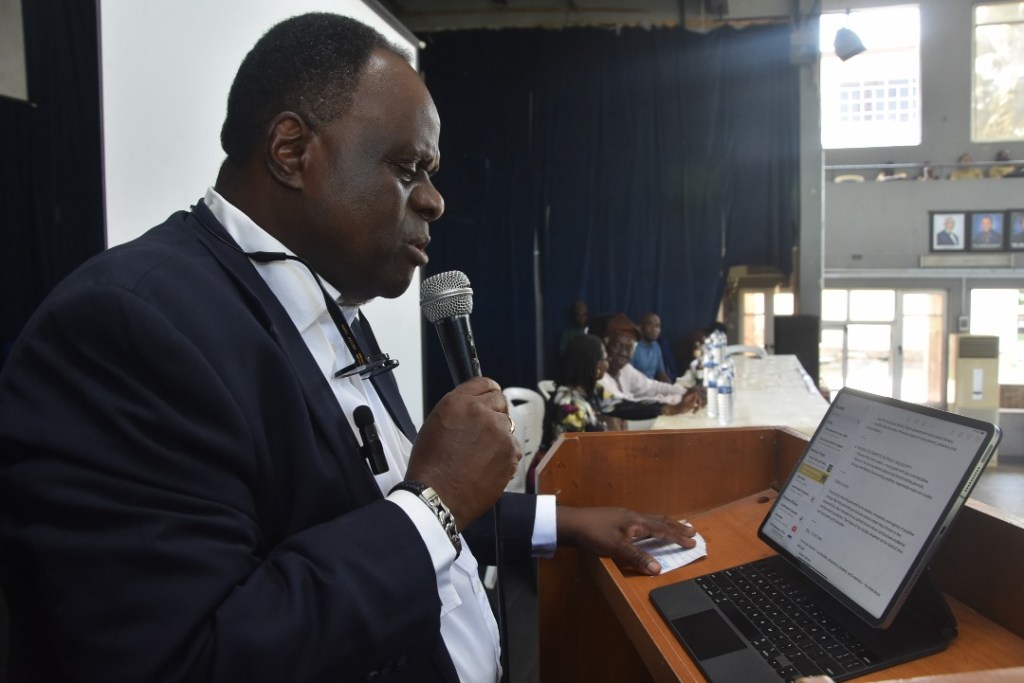
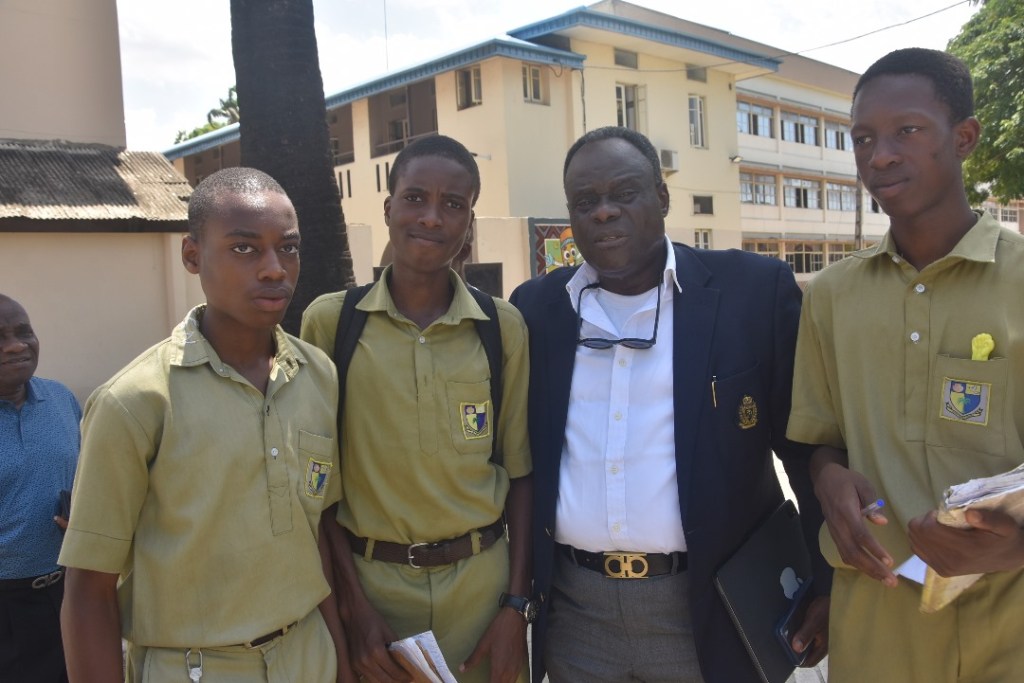
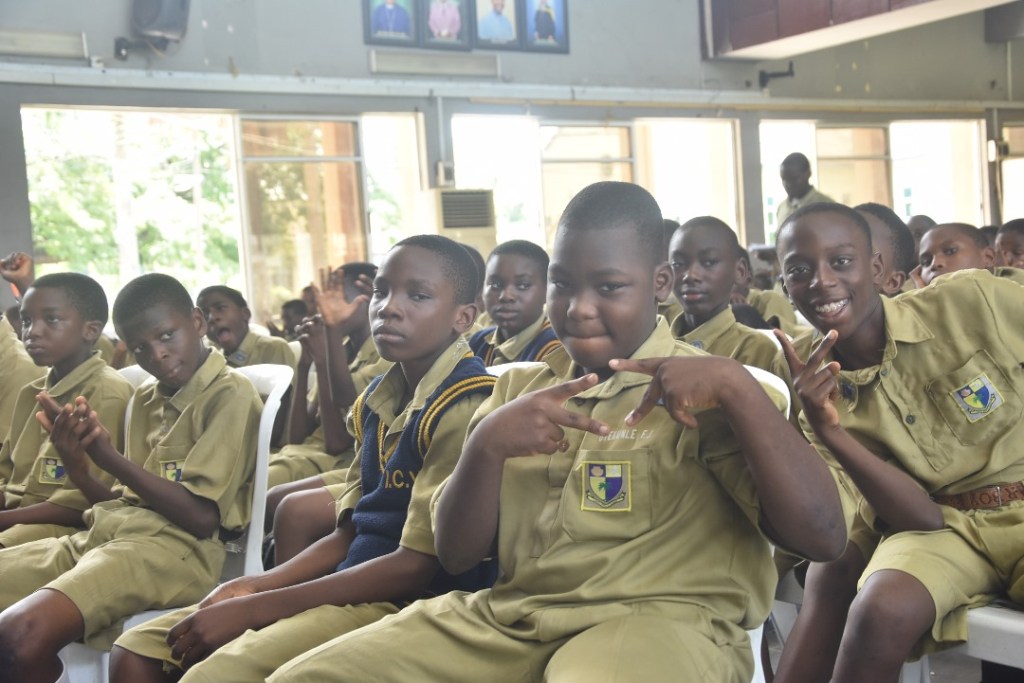
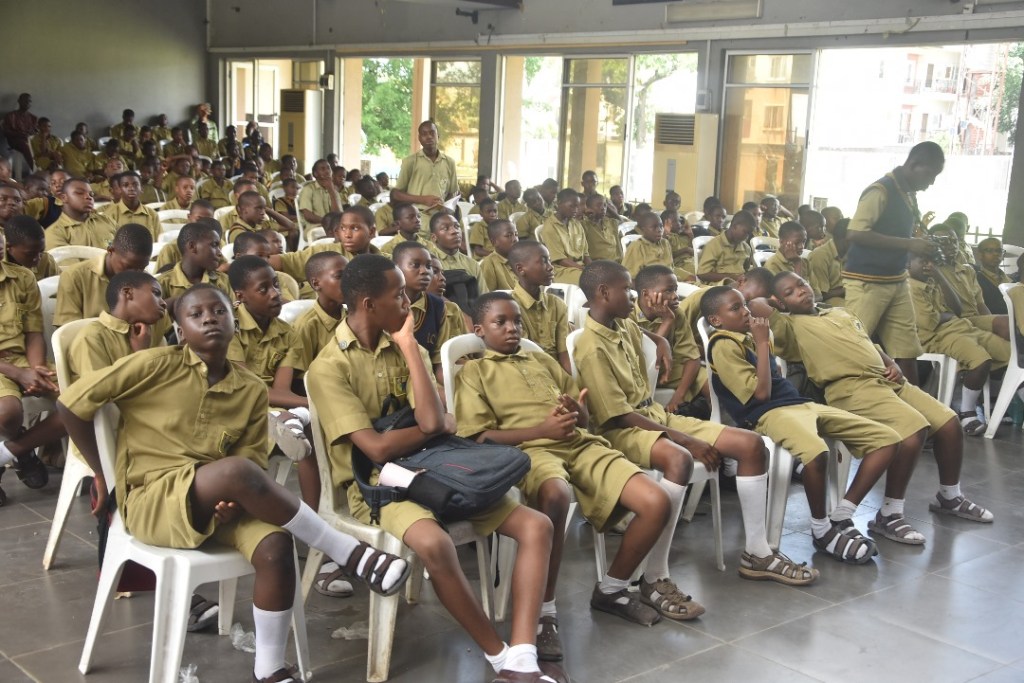
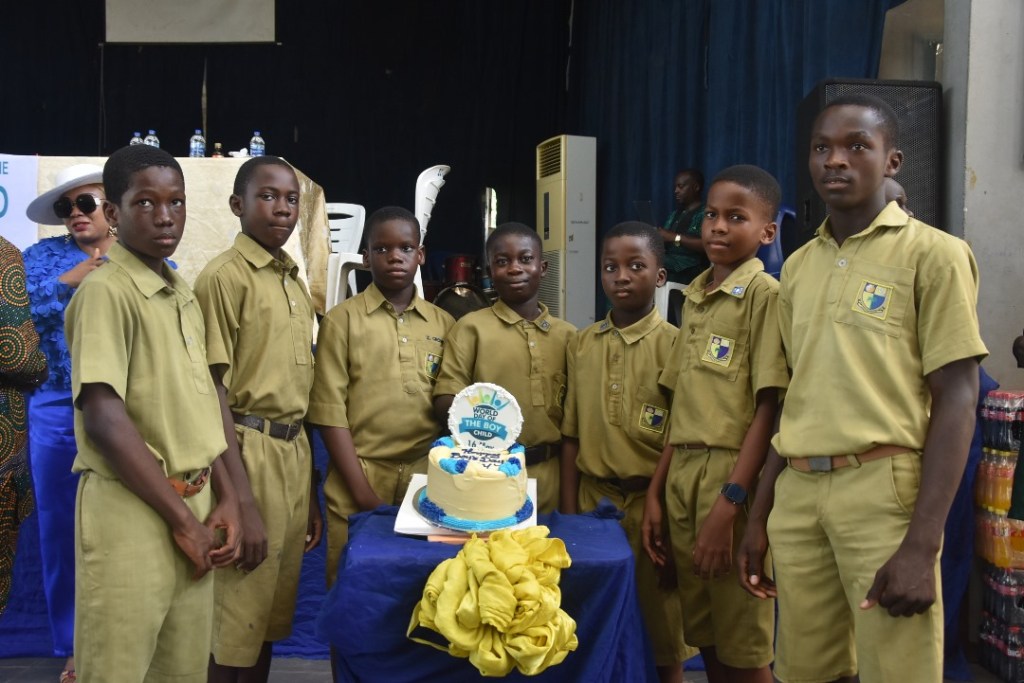
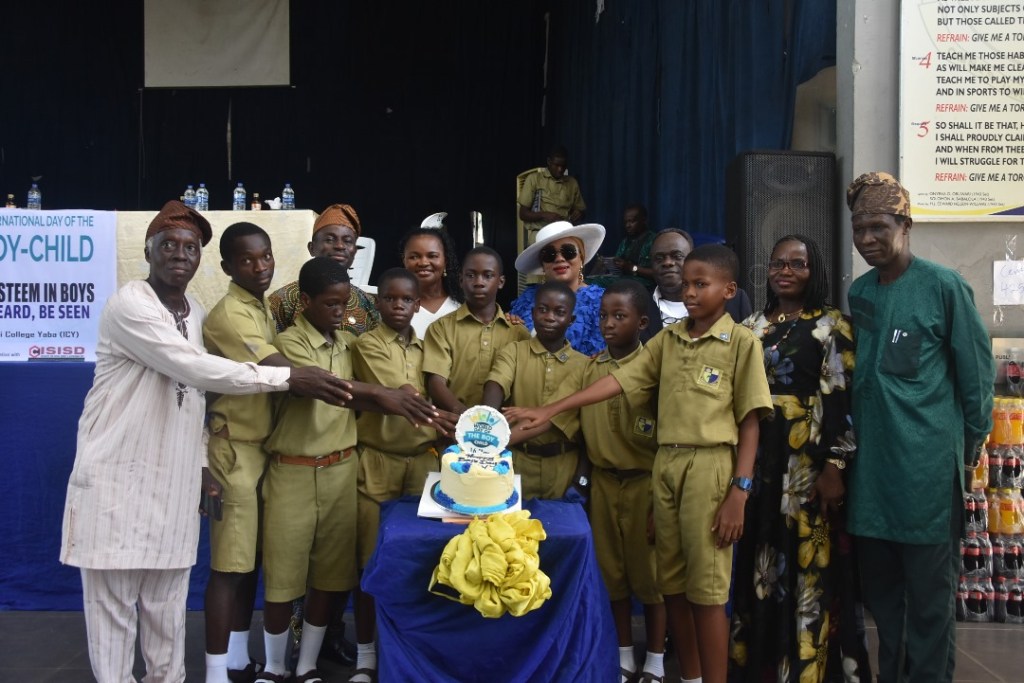
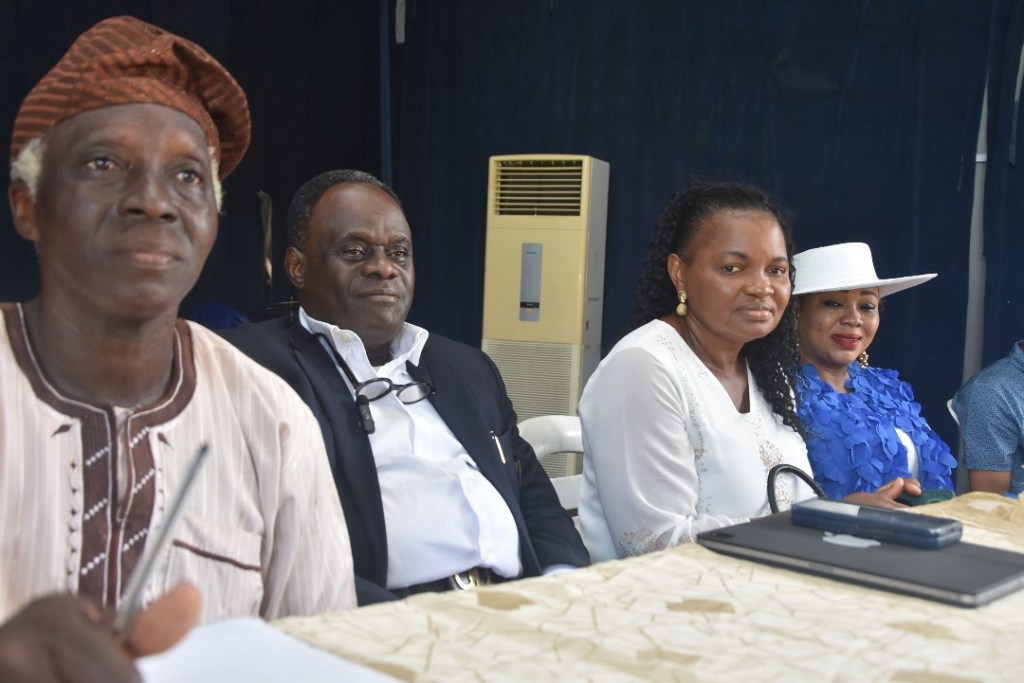
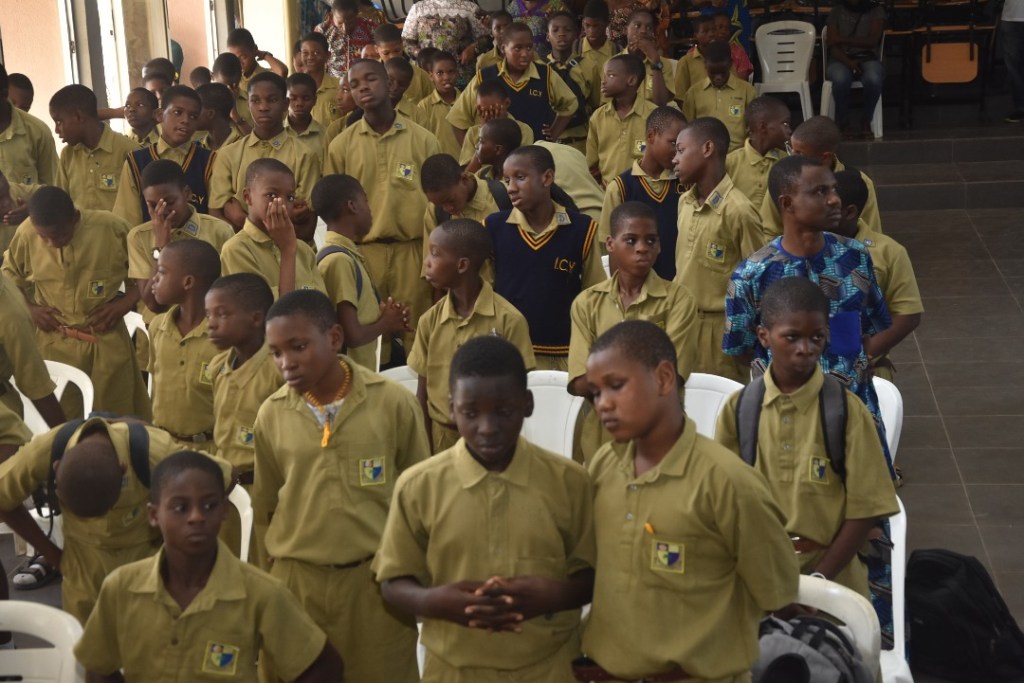
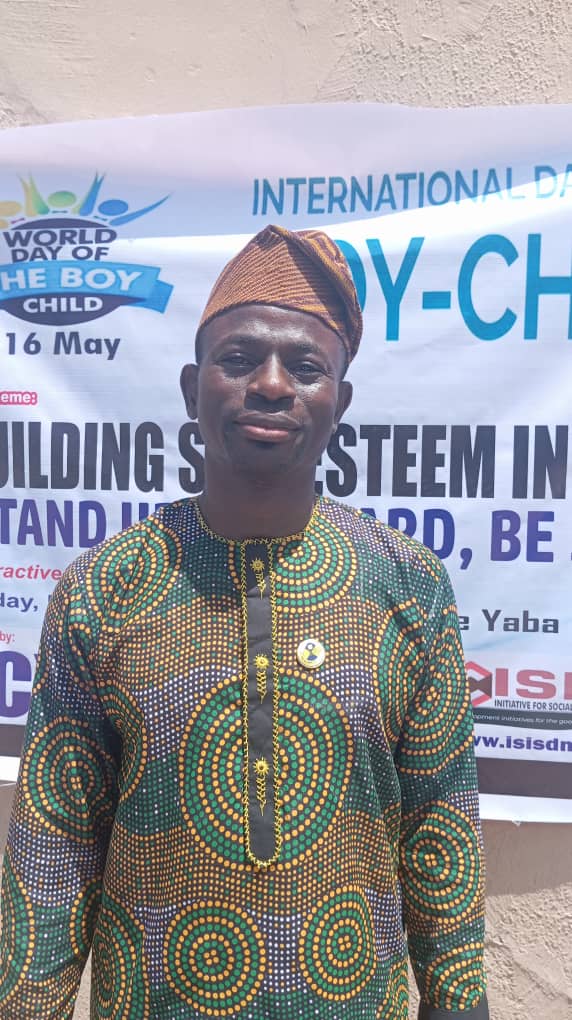
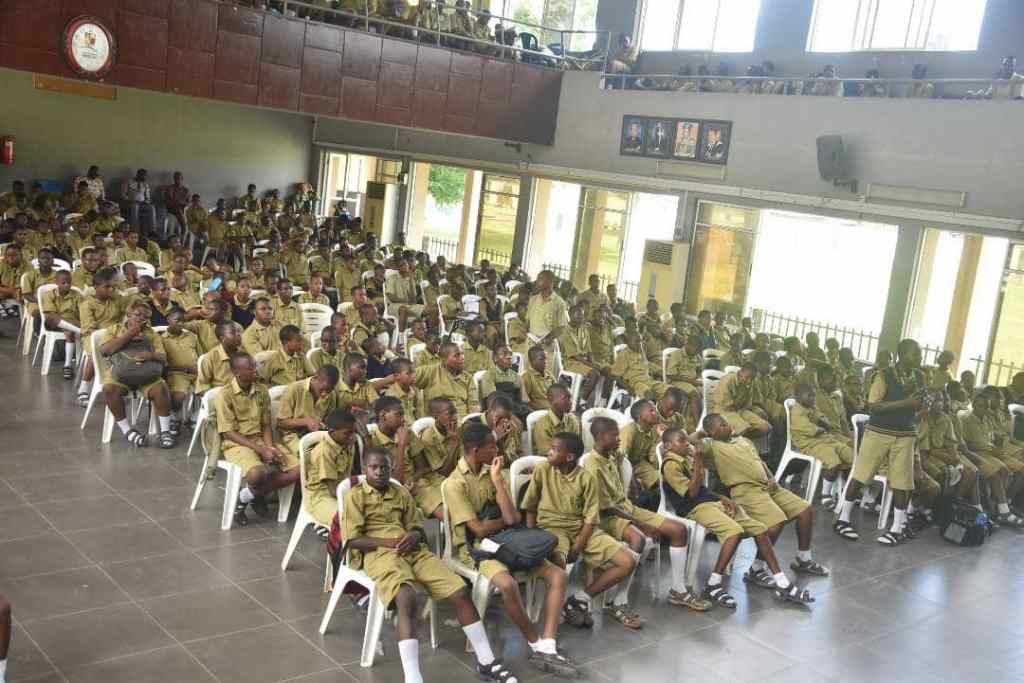
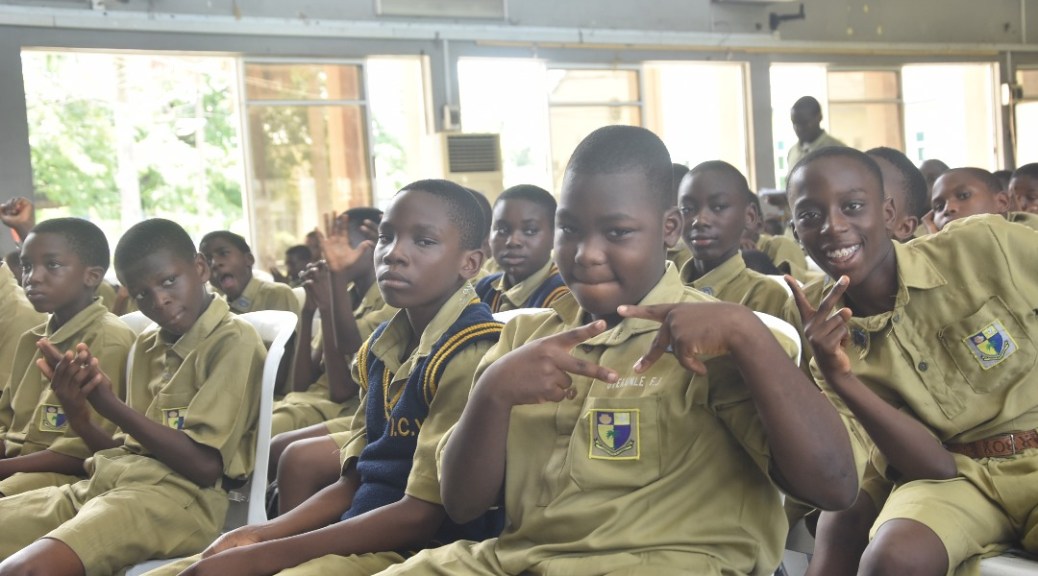
As part of activities commemorating the WDBC, Initiative for Social Impact and Sustainable Development (ISISD) joined the rest of the world to bring to the fore, issues affecting the boy child and providing solutions to some of the identified problems. ISISD in collaboration with Igbobi College Yaba Parents Teachers Association (ICY-PTA) organised capacity building programme for the students on the need to protect and enhance their self esteem.

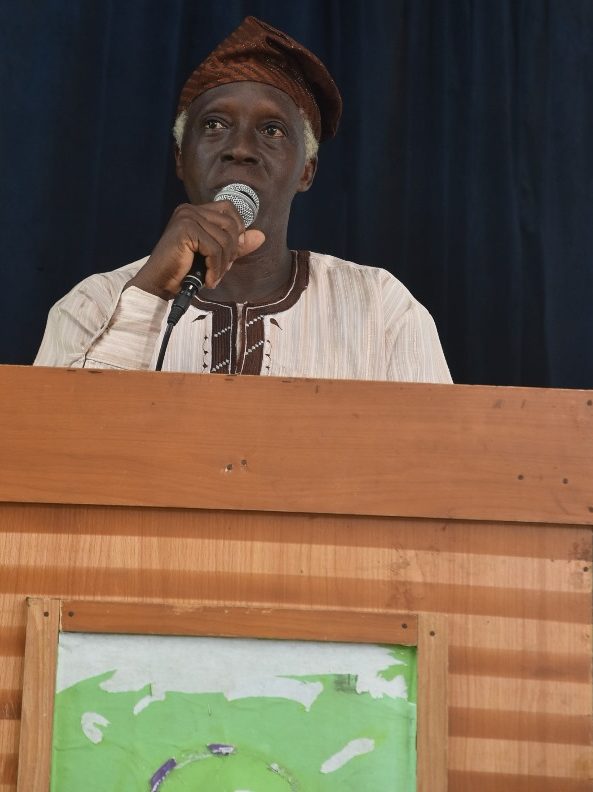
According to Teelucksingh, the occasion gives the opportunity to put boys at the front burner and generate discussions into solving those issues for the boy child to fulfill potential in the society.

“Today, many boys are out of school serving as cheap labour at mines sites, factories as a result of poverty. In crisis situations, boys and adolescent males are used as children soldiers. Some of them suffer sexual abuse, depressed and suicidal. As a result of neglect, lack of positive male role model, many engage in social vices that are inimical to their mental, physical and psychological growth”, Teelucksingh noted.

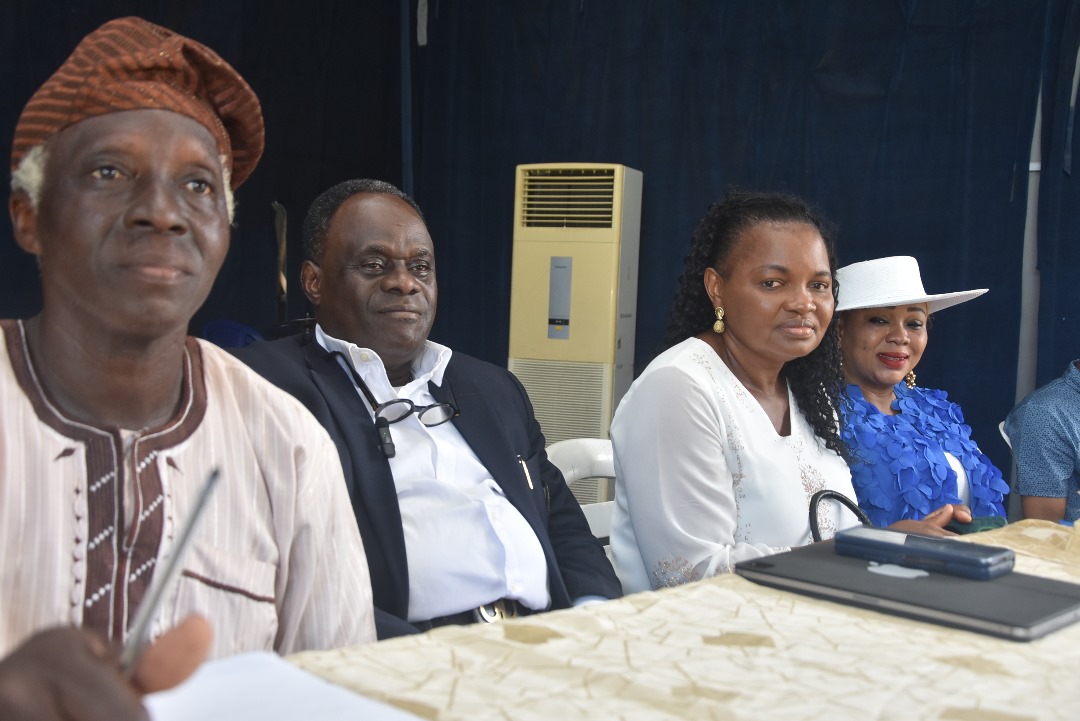
According to the Principal, Igbobi College Yaba, Reverend Adedotun Akanbi, boys learn from what they see their fathers do at home and the same mentality is what they bring to the society.

“There is need for the boy child to learn virtues from home. The school system must also support boys educational and emotional needs. Boys must learn to respect the opposite gender. When boys learn values and leadership, I think they are ready,” he said.
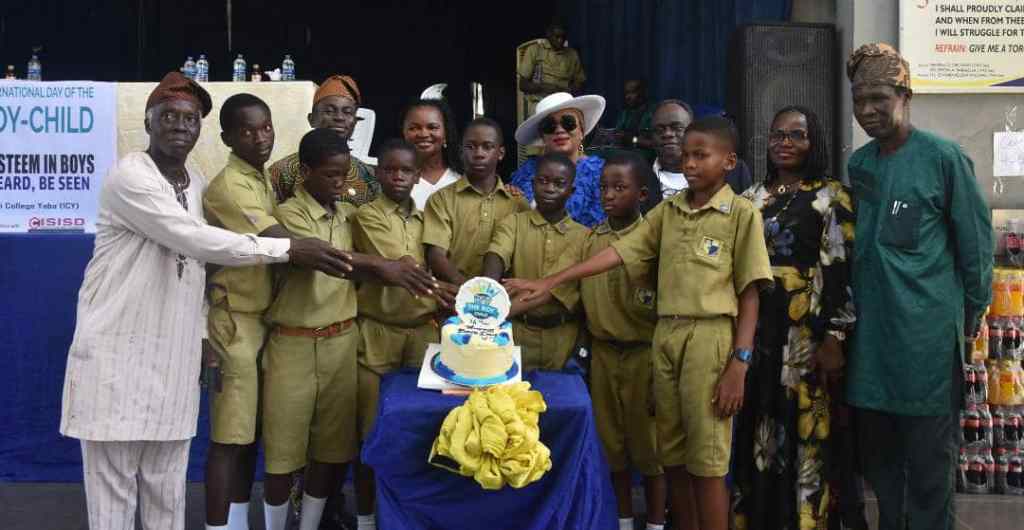
In the same vein, ICY-PTA Chairman, Dr. Abiodun Makinde said character is important for the boy child to succeed in life and affect the society positively. “Children learn from home and it is what they learn from home that they bring to schools and society. Parents must strive to instil good characters in boys for them to succeed in life endeavours.’

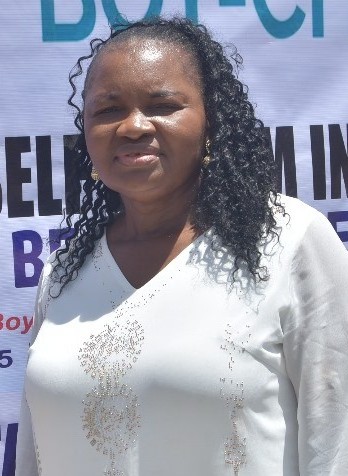
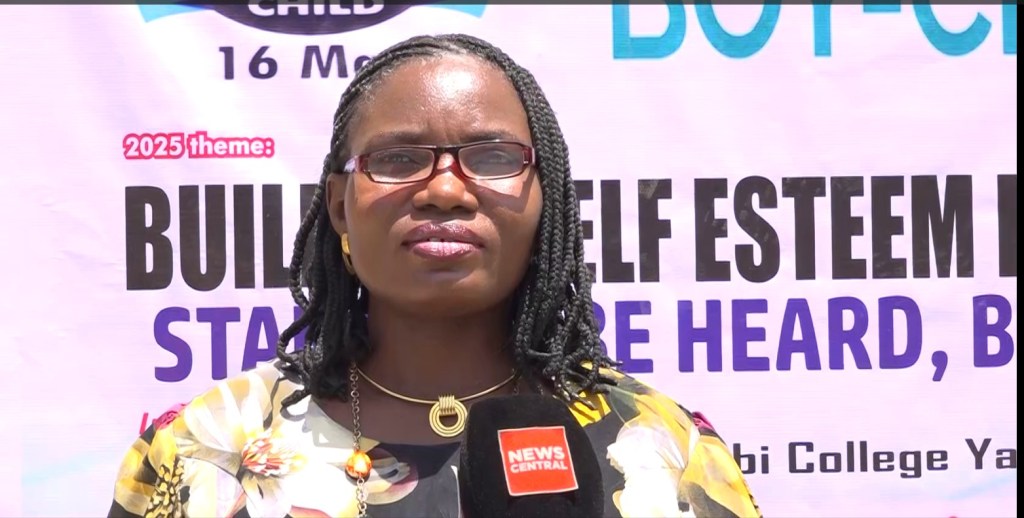
Speaking on the theme, Educational Consultant, Mrs. Franca Okpiaifo said self esteem is a person’s self worth and the total value one places on self. She advised participants that it is important for them to know who they are which will help them in life journey.

“Self esteem defines your self confidence.
Stand up means knowing who you are. You don’t have to feel it, you know it without any doubt. When you stand up for something, you will be seen and heard,” she said.

She identified five things that would help participants to build their self esteem including “know who you are, define your purpose; have definite values; be the best version of you; do not be afraid of you (Your best version); do not allow other people, peers, social media to define you.”

In his address, Mr.Jide Sanwo, Special Adviser to Ogun State Governor on Revenue and also an alumnus of the college urged the boys to prioritise purposeful living over social vices.

He explained that boys must learn to live a purposeful life and be able to identify those better than them in a particular subject and learn from them.

“You must shun examination malpractices. When you cheat and get to the top you find it difficult to perform, you can’t stay up there if you don’t have good foundation.

“There’s nothing as good as putting your hope in God. Let’s shun social vices. Run away from cultism, drugs, cybercrime and the rest that won’t add any value to you,” he admonished.

Similarly, Evangelist Temilolu Okeowo also advised the boys to shun any immoral behaviour and make their studies a priority.

“You have no business in getting into romantic affairs in your teens. Shut your heads to those lewd lyrics, pornography. Your studies must be your priority now,” she warned.

ISISD Coordinator and WDBC Ambassador, Mrs. Funmi Falobi said boys and adolescent males face a lot of challenges world over and the need to address such for better society.

“As we commemorate the 2025 World Day of the Boy Child, governments, organisations, institutions, families and communities must come together and discuss ways to make life better for the boy child. Governments must come up with policies that would protect boys and adolescent males in order to achieve potential,” she advised.

She declared that the boy child must not be left behind but policy must be inclusive to cater for his physical, mental and psychological needs for a saner and peaceful society.

Commending the programme, one of the participants, Pelumi Adegboyega, an SS2 student said they learnt the importance of self esteem. “Without self esteem it is almost impossible to go far in life. If you’re not confident in yourself you find it difficult to progress and make decision.”

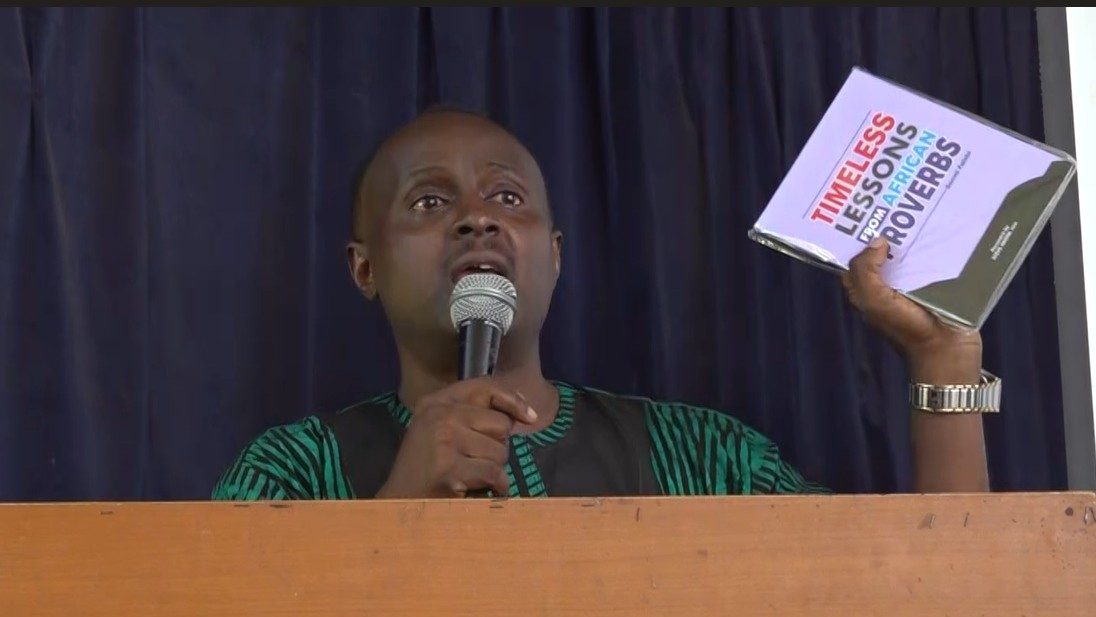
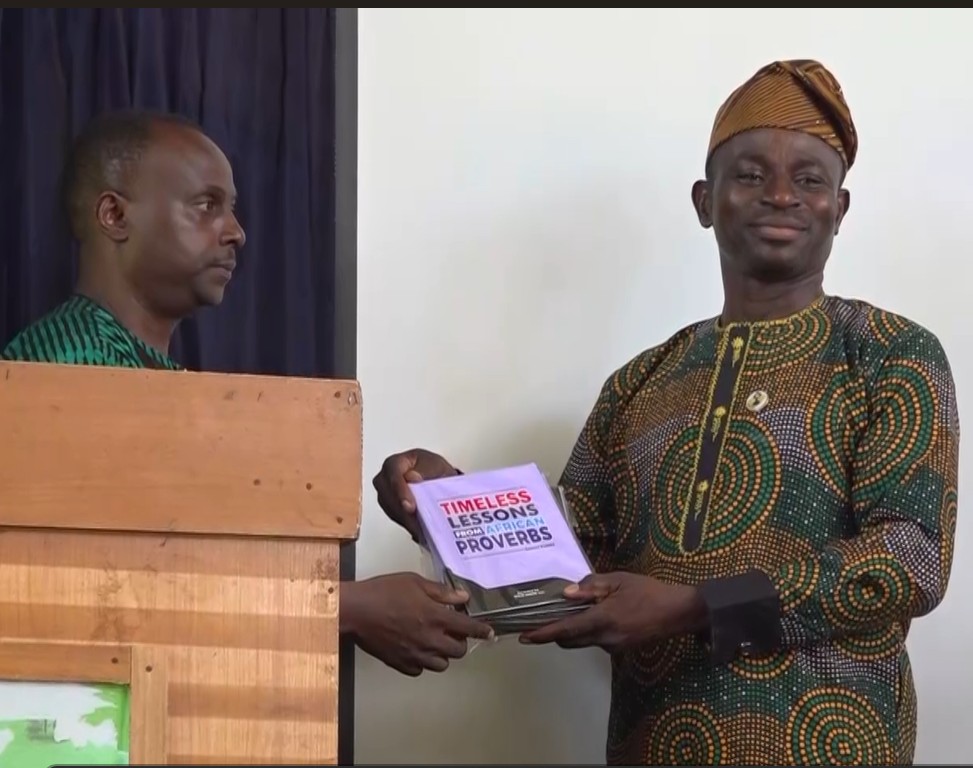
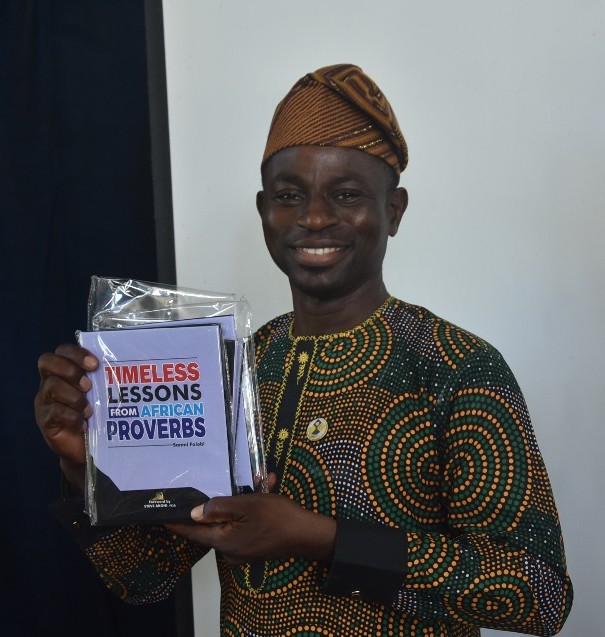
There was book presentation by Mr. Sanmi Falobi to the school. There was also film show to drive home the essence of self esteem for the boys.

WDBC (or International Boys Day) was inaugurated in 2018 by Dr. Jerome Teelucksingh a University Lecturer in Trinidad and Tobego,
and in 2025 it was observed in 36 countries. WDBC serves as a platform for individuals, organisations, and institutions to improve the manner in which we protect our boys and reclaim our heritage.