Internet Access: Nigeria has no plan in place for citizens

By sdnonline

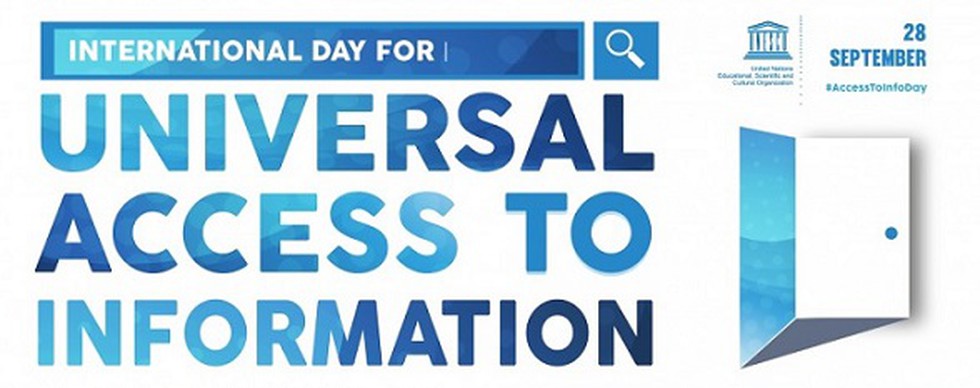
As the world commemorate International Day for Universal Access to Information (IDUAI), it is ironic that Nigeria has no plan in place for the realisation of the goal for its own citizens.

This was contained in a joint statement by three freedom of expression and media development organisations on Thursday, 28th September, 2023 calling on Federal and State Governments to take urgent measures to facilitate access to the Internet for all Nigerians in accordance with the government’s international obligations. They stressed that access to the internet is no longer a matter of mere convenience but a fundamental prerequisite for full citizenship and participation in modern society.

In a joint statement signed by Dr. Akin Akingbulu, Executive Director of the Centre for Media and Society (CEMESO); Mr. Lanre Arogundade, Executive Director of the International Press Centre (IPC); and Mr. Edetaen Ojo, Executive Director of Media Rights Agenda (MRA) in commemoration of this year’s International Day for Universal Access to Information (IDUAI), the organisations urged the government to take immediate and comprehensive action to bridge the digital divide by exploring innovative solutions to provide universal and affordable internet connectivity to all citizens, regardless of their location or economic status.

According to them, universal access to the internet has become imperative in the digital age “with many countries in Africa and elsewhere in the world already providing or ensuring high quality Internet connectivity for all their citizens free of charge”, which makes it “unacceptable that millions of Nigerians continue to wallow in digital wilderness”.

The organisations are the Nigerian members of the International Freedom of Expression Exchange (IFEX), a global network of freedom of expression organisations, and its continental network, the African Freedom of Expression Exchange (AFEX), and are collaborating under the banner of the Partnership for Media and Democracy (PAMED).

They recalled in their joint statement that Nigeria was a co-sponsor of the United Nations Human Rights Council resolution A/HRC/20/L.13 of July 5, 2012, wherein the global human rights body called on “all States to promote and facilitate access to the Internet”.

They argued that having worked with a handful of other countries, namely the United States, Brazil, Sweden, Turkey and Tunisia, to initiate and propose the idea to the world for all States to facilitate access to the Internet for their citizens, it is ironic and reflects negatively on Nigeria that more than 11 years after the resolution was adopted, it has no policy or plan in place for the realisation of the goal for its own citizens.

The organisations also cited the provisions of Paragraph 37 of the Declaration of Principles on Freedom of Expression and Access to Information in Africa, adopted by the African Commission on Human and Peoples’ Rights, which imposes a mandatory obligation on member States of the African Union to, “in cooperation with all relevant stakeholders, adopt laws, policies and other measures to provide universal, equitable, affordable and meaningful access to the internet without discrimination.”

The organisations noted that while a significant portion of Nigeria’s population enjoys the benefits of the online world, there remains a sizable segment of the society that is excluded, marginalized, and disadvantaged due to their lack of access to the internet, arguing that such exclusion raises critical questions about the status of such people as citizens in the digital age where many public services and other benefits are now available only to those who are online.

Observing that this year’s celebration of the International Day for Universal Access to Information is focusing on the importance of the online space for access to information, they argued that the digital age has transformed the way we live, learn, work, and communicate and that access to the internet had become a necessary means for the exercise of the rights to freedom of expression, access to information and other human rights online.

The organisations insisted that those who are currently not online are being unjustifiably denied their full citizenship rights and benefits, including access to critical public services and other benefits that exist online in the digital age and urged Federal and State Governments to take advantage of this year’s celebration of the international right to information Day to commit themselves to redressing this undesirable reality.

They also called on Federal and State governments to take urgent steps to boost public trust and confidence in the internet, including by putting an end to attacks on journalists, bloggers and other citizens for expressing themselves online, describing such practices as a violation of the right to freedom of expression as well as the spirit of the 2012 UN Human Rights Council resolution co-sponsored by Nigeria, which affirmed that “the same rights that people have offline must also be protected online.”

The organisations also urged the government to ensure that all members of society, including vulnerable groups such as children and adolescents, are protected online by adopting appropriate policies and legislation, undertaking media and digital literacy programmes, among other measures.

They appealed to the government to take special care as it launches 5G telecommunication networks and services in Nigeria to ensure that the introduction of the technology in the country bridges rather than exacerbates the digital divide, including by ensuring that the services are affordable for ordinary citizens.

Experts charge women to be impactful, purposefully valuable

In order to enhance productivity tendencies, women have been charged to be value-oriented and impactful in achieving their goals of a better society.

The charge came at a programme held in Lagos on Wednesday, 27th September, 2023, to celebrate the one-year anniversary of the Initiative for Social Impact and Sustainable Development (ISISD).

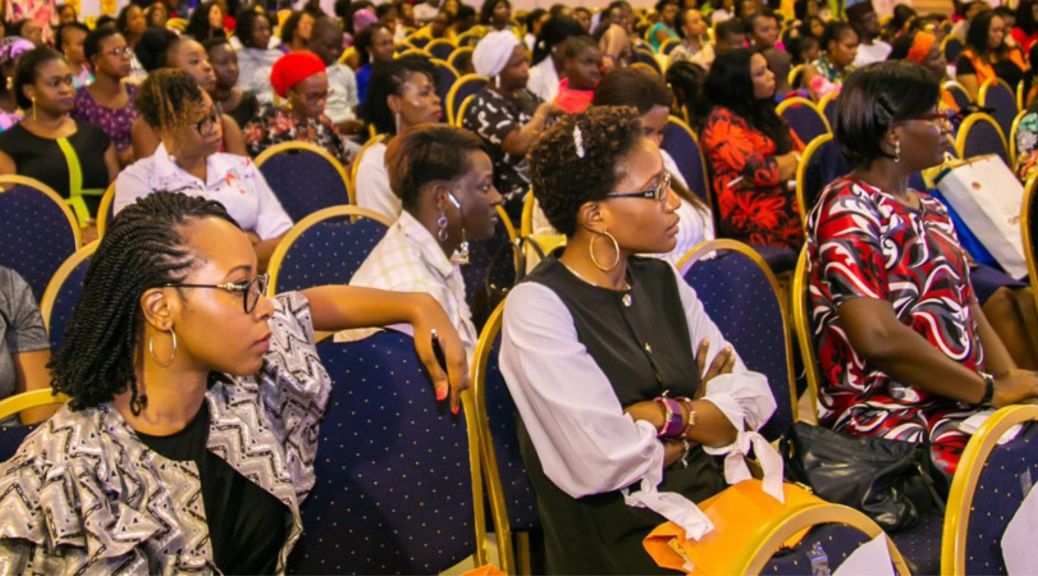
The event which was held virtually with the theme: “Becoming a Woman of Value: Sharing Perceptions and Lessons” had in attendance women from all walks of life.

Becoming a Woman of Value

Speaking at the programme, Head, Talent and Career Management, Premium Trust Bank, Mrs. Folasade Jinadu said a woman of value is one who knows her worth and exudes it. She gets inspired in spite challenges.

Jinadu said a woman of value could be characterised as one who has self awareness, self respect, emotional intelligence, self love and ambitious.

“To be a woman of value you must answer the question: who are you? When you have self awareness, it will help you in your relationship with others,” she said.

The human resource expert explained that becoming a woman of value is a journey from where you are currently to your desired destination.

According to her, a woman of value must be able to lead herself before leading others.

“You become a woman of value by standing up for your values. You have something to offer and you can express it. However, you bow to superior opinion. You stand for what you believe in as a woman of value. You must have your own guiding principles and be open minded,” she said.

Jinadu added that a woman of value “contribute to the lives of people around her while not appearing superior to them. She does not belittle others and does not allow anyone to bring her down. She contributes meaningfully at the table and she is a confident woman who stands up for herself and others.”

Healthy living imperative

Delivering her speech, Chief Nursing Officer with the Lagos State Government, Mrs. Folawe Apansile, enjoined women to take cognisance of their health and be intentional in their diet and well being.

Apansile, who is also a marriage counsellor said women must exercise to keep fit always.

” A woman of value is intentional about her health. You cannot be valuable when you are not healthy. You must be concerned about your health, exercise regularly, go for medical check up and take charge of your mental health. Be happy with yourself and do not let anyone decide your happiness for you,” she said.

More insights

Similarly, former chairperson, National Association for Women Journalists (NAWOJ), Sekinah Lawal counselled women on the use of drugs. She said women should desist from self medication and take their health seriously.

In her contribution, Mrs. Boade Akinola urged women not to stop learning and chose their friends intentionally. “Learning is a continuous process, women must not stop learning. Have people of value as friends. Choose your friends wisely and you will be respected if not, there will be problem of acceptability,” she advised.

Professor Helen Bodunde, Department of Communication and General Studies, Federal University of Agriculture Abeokuta, Ogun State, advised women in the area of effective communication. She explained that a woman of value is one who knows how to communicate appropriately using words. “You must understand language skills and how to use it appropriately. You must have listening ears. Anger should be far from you in any engagement. As a woman of value, you must be a woman that reads a lot and relate with happens around her. Have records of events which will help you to know when to intervene.”

Women of impact

Earlier, the ISISD Coordinator, Funmi Falobi, said the theme became imperative looking at what is happening around the world and the role women play in contributing to the growth and development of the society.

We all know women are the backbone of families and communities. They provide care, support, and nurturing to their families and are essential to the development of children. Women also play a significant role in community building and often take on leadership roles in organisations. We can simply say, they offer value,” she said.

But how can they offer this value and play these many roles without adequate knowledge and indeed being valuable themselves?” Falobi queried.

Feature image courtesy: Guardian.ng

Understanding malnutrition

Malnutrition refers to deficiencies or excesses in nutrient intake, imbalance of essential nutrients or impaired nutrient utilization. The double burden of malnutrition consists of both under-nutrition and overweight and obesity, as well as diet-related non-communicable diseases.

Under-nutrition manifests in four broad forms: wasting, stunting, underweight, and micronutrient deficiencies.

  • Wasting is defined as low weight-for-height. It often indicates recent and severe weight loss, although it can also persist for a long time. It usually occurs when a person has not had food of adequate quality and quantity and/or they have had frequent or prolonged illnesses. Wasting in children is associated with a higher risk of death if not treated properly.
  • Stunting is defined as low height-for-age. It is the result of chronic or recurrent under-nutrition, usually associated with poverty, poor maternal health and nutrition, frequent illness and/or inappropriate feeding and care in early life. Stunting prevents children from reaching their physical and cognitive potential.
  • Underweight is defined as low weight-for-age. A child who is underweight may be stunted, wasted or both.
  • Micronutrient deficiencies are a lack of vitamins and minerals that are essential for body functions such as producing enzymes, hormones and other substances needed for growth and development.

Bimbo Mustapha, B.sc /MSc (HUMAN NUTRITION AND DIETETICS) is a Nutrition Expert. She is the lead Contributor @ Lagos-based Bimsol Nutrition Blog and offers counselling sessions to clients on nutrition and healthy lifestyles issues.

Email: bimbomustapha12@gmail.com

Tel: +234 7063847952

Wellness of the Boy-Child takes centre stage as ISISD commemorates Boys Day

By sdnonline

As boy-child advocates and related stakeholders’ gear up to commemorate the World Day of the Boy Child (WDBC), also known as the International Day of the Boy Child, on May 16, a lead partner of the WDBC forum in Nigeria, the Initiative for Social Impact and Sustainable Development (ISISD) has called on governments, organisations and individuals to work toward the well-being of the boy child in order to secure the lives of the future leaders.

The call by ISISD was predicated on the need for parents, guardians, care- givers, teachers and all stakeholders associated with upbringing of the boy-child to pay attention to emerging issues that affect the mental being of Boys, in line with the commemoration of WDBC globally on May 16 under the theme, “Boys and Mental Health.”

According to ISISD Coordinator, Funmi Falobi, who is also a West Africa Ambassador of WDBC, the day, which is observed across several countries globally as International Day of the Boy Child was founded in 2018 by Dr. Jerome Teelucksingh, a university lecturer from the Republic of Trinidad and Tobago, to focus on boys and their well-being, their needs to feel happy, healthy, and valued within family and community.

According to Mrs. Falobi, there is the need to focus on the mental health of the boy child if we want to live in a secure environment. She noted that “well trained boys with good mental health will not abuse girls and cause problem whether now or in future in the society, making all of us safe”, and that it was therefore imperative that the wholesome development of the boy child cannot be left unattended, in order to have a secure society.

“With what is happening around us today, we cannot afford to leave the boy child behind. Boys have their challenges and as families, governments and institutions, we must look into the welfare and mental wellness of the boys if we want our society to be safe.

“When we look into the challenges boy child faces and provide support system, they grow up to become responsible males that would protect the girl child and ensure good governance in the society,” she added.

Founder’s Speexh

In his address ahead WDBC commemorative events, WDBC founder, Dr. Teelucksingh said the day provides a rare opportunity for individuals, organisations, and institutions to improve the manner in which they protect the boys and reclaim the heritage.

” Our boys reflect our heritage and serve as one of the links to the past and the present that intersects with the future of our families, communities and world.

“Boys are fragile and vulnerable. Somewhere along the journey from boyhood to manhood, boys are socialised not to express the natural and spontaneous reactions to spiritual, physical, emotional, and psychological pain, disappointment, and rejection. They are socialised to equate strength and masculinity with suppressing their natural and spontaneous reaction to pain, disappointment, and rejection; not asking for help; and shunning vulnerability” he said.
He added that when boys shun the realities of their vulnerabilities, “boys are suicidal, slowly descending into the deep dark abyss of depression, and consumed by low self-esteem and repressed emotions”.

2023 events

Meanwhile, as part of the WDBC events in Nigeria, ISISD in partnership with Igbobi College, Yaba (ICY) shall hold a forum with ICY boys to provide mentoring and orientation for the boys on the need to guard their mental health, as well as boost their self-esteem in handling challenges in the journey from teenage hood to adulthood.
Principal, Igbobi College Yaba, Rev. Adedotun Akanbi said the school is grooming boys that would grow up to become responsible men that would protect our girls.

A pre-WDBC virtual event which shall have Dr. Teelucksingh as one of the special guests is also billed for 8pm Nigeria time on Sunday, May 14, 2023 of which interested stakeholders could pre-register @ http://www.bit.ly/MAY16-WDBC to join the discourse on a range of issues around the theme, Boys and Mental Health.

Imposition of N5M Fine on Channels TV by NBC: Arbitrariness Taken Too Far

By sdnonline

Media Rights Agenda (MRA) and International Press Centre (IPC) have said for the umpteenth time, the National Broadcasting Commission (NBC) has acted arbitrarily in the purported exercise of its powers as the regulatory authority for the broadcast sector in Nigeria.

On March 31st, it was announced that NBC had slammed a fine of N5m on Channels Television, based on the claim that it violated the Nigeria Broadcasting Code because of the interview the station’s Seun Okinbaloye had with the Vice-Presidential candidate of the Labour Party, Mr. Datti Ahmed on March 22, 2023.

In the said interview Mr. Ahmed expressed strong opposition to the swearing-in of the President Elect, Senator Ahmed Bola Tinubu, on May 29, 2023, weightily alleging that it would be tantamount to the end of democracy.

In a joint press statement signed by the Executive Directors of MRA and IPC, Mr. Edetaen Ojo and Mr. Lanre Arogundade respectively, although the NBC did not disclose the material fact in its announcement of the sanction, the regulatory body apparently acted on a widely publicised petition addressed to it by Mr. Bayo Onanuga, Director of Media and Publicity of the All Progressives Congress Presidential Campaign Council, in which he demanded that the station be punished over the interview in question. The petition was published by many news mediums on March 30th, 2023.

Barely 24 hours later, the NBC struck. Against the well-established principle of natural justice, which, among others, make fair hearing sacrosanct, NBC did not avail Channels TV the opportunity of putting forward its defense against Mr. Onanuga’s allegations before slamming the hefty fine.

“Assuming without conceding that Channels TV erred in the management of the said interview, it was still pertinent for the NBC to have heard their side of the story. In failing to do so, the NBC acted unfairly and unjustly as it based its heavy-handed decision on the claims of one side only, ” the joint statement remarked.

NBC has in this instance again exercised quasi-judicial powers injudiciously, by constituting itself to the prosecutor and the judge over a case brought before it by a third party. In previous instances, it has also additionally been the accuser.

The statement said, “It must be stressed that Mr. Onanuga is not just anybody. He speaks for the in-coming president of the Federal Republic of Nigeria. Ordinarily, this should have informed the need for the NBC to act more cautiously instead of exposing itself to the accusation that it has become the ruling government or ruling party’s willing tool to suppress press freedom.”

Even if, as the NBC claims, it acted based on its own observation, it was still imperative for it to allow Channels Television to respond to the allegations, especially since that made it the accuser, the prosecutor and the judge.

“We wish to reiterate that the fundamental principles that ought to guide the regulation of broadcasting and related activities are the ones that advance the public interest and are investment friendly both of which have been discarded in the handling of the petition.

“We urge the NBC to desist from walking this path, which undermines its credibility and independence and weakens the broadcast sector as a result. Well call on the commission to immediately reverse the hastily imposed fine and give Channels TV the deserved opportunity to defend itself,” the statement said.

Drought: U.S. provides over $331m additional humanitarian assistance to Ethiopians

By sdnonline

Secretary of State, Antony Blinken on Wednesday, March 15, 2023 announced that the United States, through the U.S. Agency for International Development (USAID), is providing an additional $319 million in lifesaving humanitarian assistance for the people of Ethiopia and $12 million through the State Department Bureau of Population, Refugees, and Migration (PRM) to support refugees, asylum-seekers, and people affected by conflict and drought.

Communities across southern and southeastern Ethiopia face a potential sixth consecutive below-average rainy season from March-May 2023, which threatens to further exacerbate the suffering of millions already reeling from the effects of unprecedented drought. At the same time, the country is grappling with insecurity and recovering from the hostilities in northern Ethiopia’s Afar, Amhara, and Tigray regions. Combined, the conflict and historic drought have generated catastrophic levels of need, leaving at least 20 million people requiring humanitarian assistance in Ethiopia. Ongoing drought worsens growing food insecurity, crop and livestock losses further devastate livelihoods, and limited access to safe water creates a breeding ground for disease.

Today’s announcement will allow USAID partners to provide critical aid for more than five million people across Ethiopia. This includes emergency food assistance to severely food insecure families; nutritional support to prevent and treat malnutrition among pregnant and lactating women and children under five; farming and agricultural support to prevent crop and livestock losses; urgent health treatment; clean water to prevent disease outbreaks often prevalent during drought; and support to protect women and children from a higher risk of violence as a result of this ongoing emergency. The $12 million in additional funding from PRM will help provide lifesaving assistance for the more than 888,000 refugees and asylum-seekers currently living in Ethiopia.

The United States remains the single largest humanitarian donor to Ethiopia, providing more than $1.8 billion in life saving assistance since fiscal year 2022. But, it will not be enough to address the staggering level of needs. Even if adequate rains occur in 2023, recovery from a drought of this magnitude will take years. The United States has stepped up to meet the majority of immediate funding gaps to save lives now, but we need other donors to mobilize to reach Ethiopia’s most vulnerable communities.

“The Elections of February 25”

OP-ED

By: Ambassador Mary Beth Leonard, U.S. Ambassador to Nigeria

The people of Nigeria demonstrated their dedication to democracy on February 25, but there are many angry and frustrated Nigerians as well as many who are celebrating victories they believe were hard-fought and well-earned. In the coming days, it will be important for the future of this country that Nigerians not let their differences divide them, and that the legally established process for resolving challenges to the election be allowed to take its course. We commend Mr. Obi and Mr. Abubakar for their recent statements committing to take this path, and Mr. Tinubu, who INEC declared the president-elect under Nigeria’s electoral framework, for acknowledging their right to do so.

The United States is no stranger to election-related controversy and conflict. As much as it can be unsatisfying to end an electoral process in a courtroom, in a constitutional democracy bound by the rule of law, that is where electoral conflicts may appropriately conclude.

It is clear that the electoral process as a whole on February 25 failed to meet Nigerians’ expectations. As I said numerous times prior to the elections, Nigeria has accomplished much in just the two-plus decades since the return to democracy, and a gradual improvement in the quality of its elections in that time constitutes one of those accomplishments. We recognize that Nigerians want that positive trend to continue, including through the use of new technology intended to make the process of reporting results more transparent. We thus reiterate our call on INEC to address promptly the challenges that can be resolved ahead of the March 11 gubernatorial elections, and to undertake a broader review of the problems that transpired during the last elections and what can be done to fix them. In all cases, INEC should share with the Nigerian public information about the actions it is taking.

I also want to highlight some of the remarkable results from this past election that show how Nigeria’s political landscape is indisputably changing. In more than half of the states – 20 – the winning candidate represented a different party than that of the incumbent governor. Twelve of these states are led by APC governors. For the first time, four presidential candidates won at least one state, and the top three each won 12 states based on these initial results. In the National Assembly elections, even with results still incomplete, we already know that changes are afoot: seven sitting governors lost in their attempts to win election to the Assembly; the Labor Party has won at least seven seats in the Senate; the NNPP has won at least 11 seats in the House of Representatives.

The Nigerian people have made clear their desire for responsive and inclusive governance, and we strongly support their ability to express that desire. The United States and Nigeria are the two largest presidential democracies in the world, and longtime partners. As Nigeria goes through these next weeks and months, we stand with you.

… Enhancing socio-economic and sustainable development issues & initiatives.