Category Archives: Special report

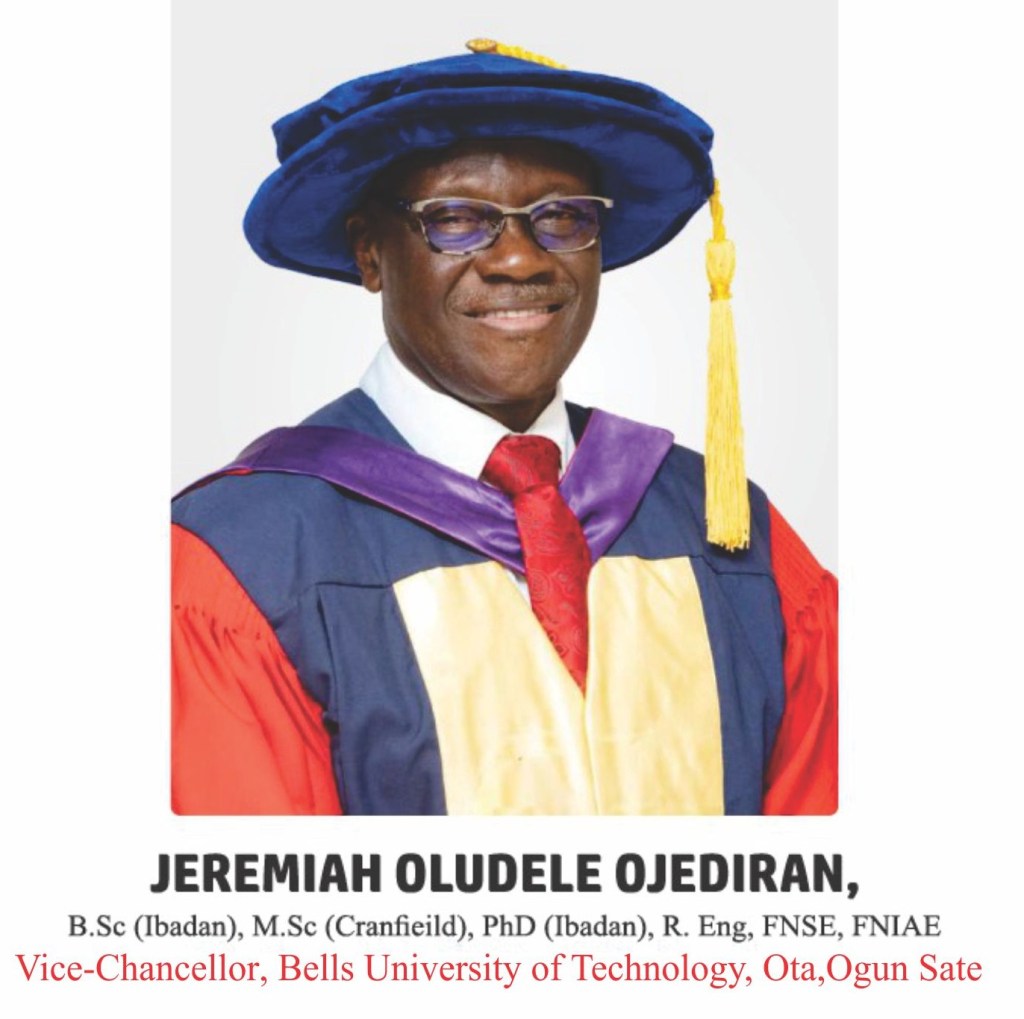
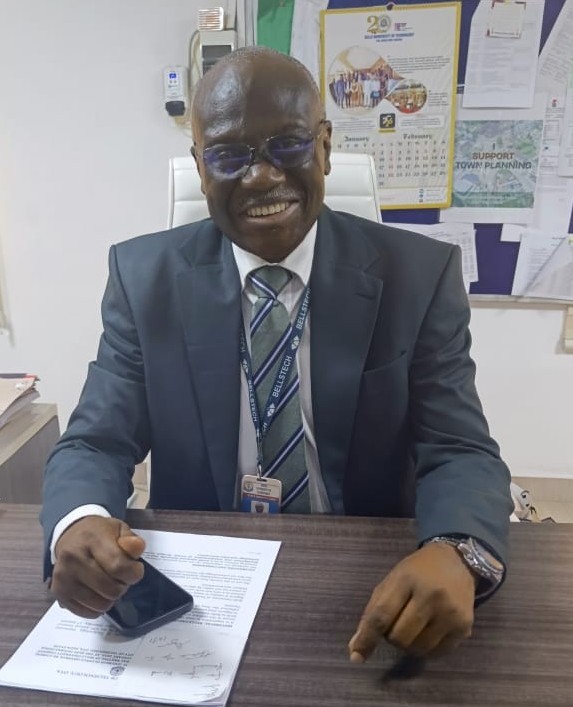
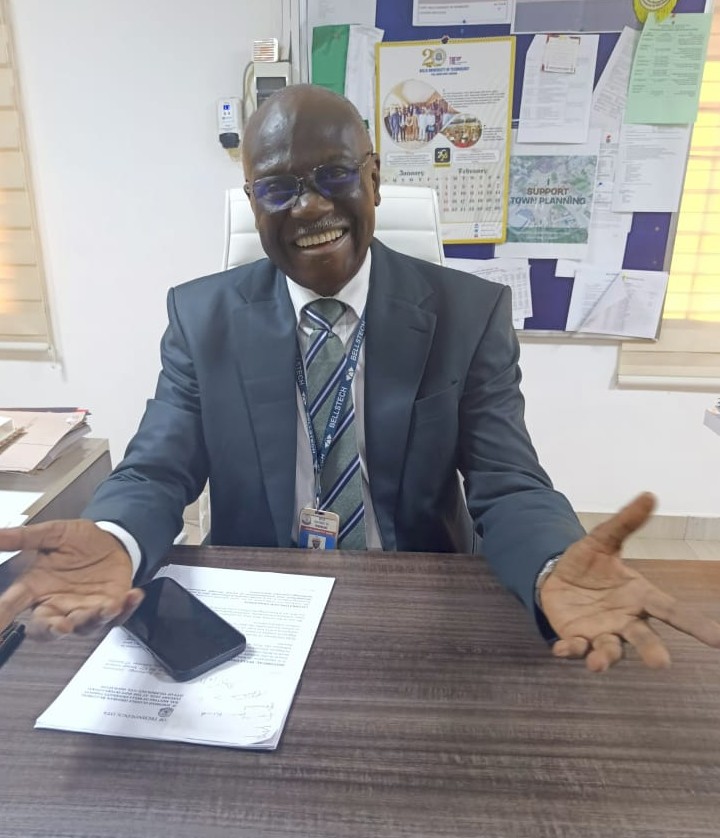
Prof. Jeremiah Ojediran: Leadership without noise, legacy without end

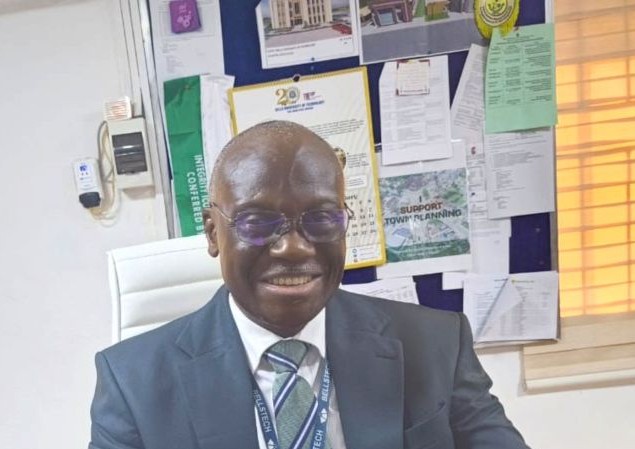
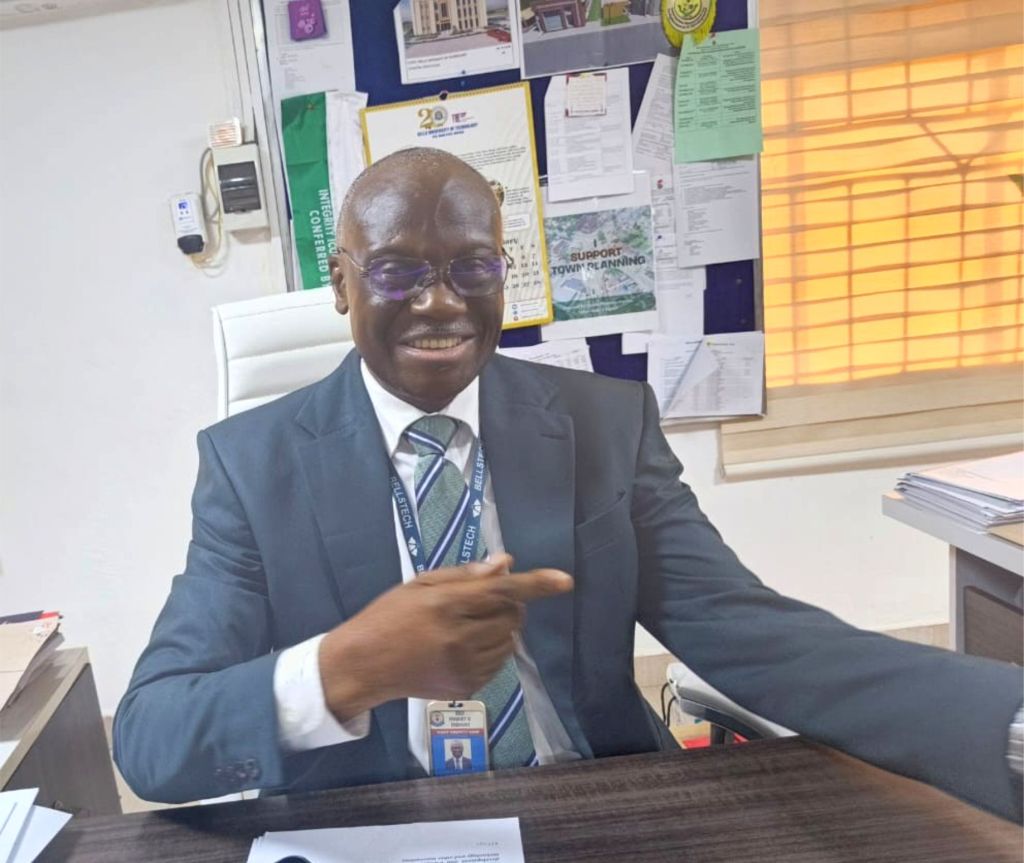
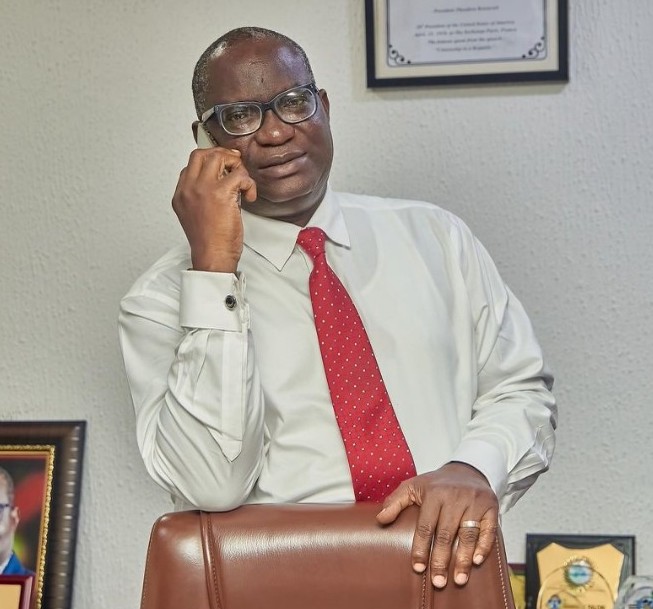
Calm in tone, firm in principle and deeply purposeful in action, Professor Jeremiah Oludele Ojediran, Vice-Chancellor of Bells University of Technology, Ota, Ogun State, does not command attention through volume of words, he does it through action, impact and transformational leadership.
In a world increasingly shaped by loud influence and fleeting fame, his leadership speaks quietly yet powerfully — through character, consistency and conviction.

As a distinguished academic and engineer, Professor Ojediran, R.E. (COREN), FNSE, FNIAE, ION, is not only a master of his craft but a proven performer and transformational leader. Combining technical mastery, human insight, and wise management of resources as an educational administrator, he has transformed institutions, strengthened systems, and guided students and staff in navigating academic, professional, and personal challenges — showing that excellence, integrity, and strategic vision can create lasting impact.

His life sends a simple but profound message: where you begin does not determine how far you can go. At a time when many young people feel disillusioned by economic instability and shrinking opportunity, Professor Ojediran stands as proof that leadership anchored in values, knowledge and purpose still inspires. His is not a story of hurried success, but of greatness built deliberately.

From curiosity to calling

Every remarkable journey begins with a spark. For Professor Ojediran, that spark was ignited not in a laboratory or lecture hall, but beside a local motorcycle mechanic’s workshop. As a boy, he would watch in fascination as engines were dismantled and reassembled, sensing instinctively that machines held stories he wanted to understand.

“My journey into science and engineering began in Form Four at Baptist High School, Jos,” he recalls. “My elder brothers were already in the science stream. Their enthusiasm influenced me, and I chose Physics, Chemistry, Biology and Additional Mathematics.”

Yet his interest in engineering predated secondary school. The mechanic’s workshop near his home became an informal classroom.

“The real catalyst was a motorcycle mechanic near our home. His workshop was a place of wonder for me. I spent hours observing him work. I even told my father I wanted to become a mechanic,” he noted.

For a time, Biology drew him towards medicine. However, childhood health challenges — including undergoing three major surgeries — forced a reassessment. “I realised medicine might not be suitable for me. Engineering aligned better with my temperament and abilities.”

When life redirects the plan

Professor Ojediran’s academic path was anything but linear. Admitted to the University of Ibadan to study Wood Engineering, he initially sought to transfer to Mechanical Engineering. Administrative constraints prevented this, but the university’s structure required all engineering students to take common courses for the first two years. By his third year, he transitioned into Agricultural Engineering — a discipline that combined mechanical principles with agricultural application, satisfying both interest and practicality.

Like many of his generation, he initially envisaged a career in industry rather than academia. After graduating and completing his National Youth Service in Irrua, present-day Edo State, he explored corporate and government roles.

Then came an unexpected turn.

“My entry into academia was not planned,” he admits. While exploring employment options, he noticed an advert for an Assistant Lecturer position at the Polytechnic of Sokoto, Birnin-Kebbi. He applied, was interviewed, and was offered the role.

Before resuming, two additional offers arrived — from the Federal Ministry of Land Resources in Kaduna and the Federal School of Soil Conservation in Jos. He briefly worked in Kaduna but found the role unfulfilling. Birnin-Kebbi called.

“I planned to stay only six months,” he says. “But the institution provided accommodation and a car loan. That convinced me to remain.”

Six months became twelve formative years. In retrospect, that unplanned detour became the foundation of a lifelong vocation. As John Lennon once observed, life is what happens while you are busy making other plans.

Birnin-Kebbi: the crucible of leadership

Birnin-Kebbi was more than a workplace; it was a furnace that forged leadership.

There, Professor Ojediran was mentored by Alhaji Sabi Saleh, then Head of Department — a disciplined administrator who groomed him for leadership long before he realised it himself.

When Alhaji Saleh left the institution, Professor Ojediran was unexpectedly appointed Acting Head of Department, despite being younger than many of his peers.

The Rector placed his confidence in him, granting both responsibility and autonomy. It was a daunting but defining opportunity.

“Upon settling into the Polytechnic of Sokoto State, Birnin-Kebbi in 1980, I found myself fortunate to be mentored by Alhaji Sabi Saleh, Head of Department (HOD) at the time. Alhaji Saleh was not just a remarkable administrator, but also a thoughtful mentor who groomed me for the challenging administrative roles that awaited me. Under his guidance, I acquired a wealth of experience in handling departmental affairs, much of which I would later rely on in my career.

His influence was fundamental in shaping my administrative skills, and I am deeply grateful for the experience,” he noted.

“When Alhaji Saleh left the Polytechnic, to my surprise, I was given the opportunity to step into his shoes as the Acting HOD. Although I was much younger than the other Heads of Department, the Rector placed his faith in me, recognising qualities I was not fully aware I possessed. He gave me the freedom to manage the department, trusting me to lead it effectively.

This level of responsibility, while daunting, also presented a profound opportunity for growth.”

One of the defining milestones of his tenure as Acting Head of the Department of Agricultural Engineering was his leadership in restructuring the department into two specialised areas: Agricultural Mechanisation and Irrigation. This strategic division was not merely administrative; it represented a forward-looking reorganisation that aligned the department with evolving professional and national development needs.

Following his term as Head of Department, his responsibilities expanded when he was appointed Coordinator of the Industrial Training (IT) programme, now known as the Student Industrial Work Experience Scheme (SIWES), for the College of Science and Technology — the largest college on campus. Through diligent coordination and disciplined oversight, he strengthened the programme’s impact, ensuring that students gained meaningful and relevant industrial exposure. His effective leadership in this role subsequently earned him the position of Acting Director of SIWES.

His insightful contributions at board meetings and the tangible successes recorded during his leadership as Head of Department further distinguished him. These qualities led to his appointment as Acting Dean of the School of Engineering, following the withdrawal from service of the substantive Dean, Mr Asamoah, a Ghanaian national.

Shortly thereafter, the institution underwent a major restructuring, resulting in the creation of two distinct entities: the College of Science and the College of Engineering. As the serving Dean at the time, he was consequently appointed Acting Director of the College of Engineering, reinforcing institutional confidence in his leadership and marking another significant ascent in his academic administrative career.

As Head of Department and later Acting Dean, he confronted ethnic tensions, religious sensitivities, institutional politics and professional rivalry. One incident, in particular, nearly cost him his life.

“I vividly recall one incident that underscores the subtle but fragile religious atmosphere I was navigating. A student came into the examination hall with a book which I did not recognise as the Qur’an. In an effort to enforce examination regulations, I threw the book aside, inadvertently committing what they perceived as an act of religious sacrilege. This escalated into a potentially dangerous situation, as some individuals were prepared to attack me over what they saw as an act of disrespect to their religion. It took a great deal of humility and numerous apologies on my part to defuse the situation, and I count myself fortunate to have emerged unscathed and alive.”

That incident left a lasting impression. From then on, he understood that leadership in a diverse society requires cultural intelligence, restraint and empathy as much as authority. The pressures eventually made him reconsider his future at the Polytechnic.

In search of new opportunities

Around 1990, while seeking new opportunities, he encountered two respected academics — Professors Aboaba and Makanjuola — who redirected him once again, this time to the newly established Oyo State University of Technology (now LAUTECH) in Ogbomoso, his hometown. There, guided again by familiar mentors, he re-entered academia at a higher level.

“The ethnic and religious tensions, along with other challenges, led me to reconsider my future at the Polytechnic. Around this time in 1990, I had a conversation with my father-in-law, who provided me with a letter of introduction to Air Vice Marshal Larry Koinyan, the then Chairman of the Directorate of Food, Roads and Rural Infrastructure (DFFRI). When I arrived at DFFRI, I had the fortune of meeting two distinguished personalities: Professor Aboaba and Professor Makanjuola.

Professor Aboaba had been my Dean during my third year at the University of Ibadan, and he was thrilled to see me. He encouraged me to join DFFRI, but one of them cautioned me that the organisation lacked stability. Instead, I was handed a letter of recommendation to Professor Olusegun Oke, the Vice-Chancellor of the newly established Oyo State University of Technology (OSUTECH), now Ladoke Akintola University of Technology (LAUTECH), in Ogbomoso, which happened to be my hometown.

As fate would have it, Professor ‘Segun Oke was appointing lecturers for the Department of Mechanical Engineering at LAUTECH. He instructed me to submit my CV to Professor E. B. Lucas, the Dean of Engineering at the time. Coincidentally, Professor Lucas had also been my mentor during my undergraduate studies at the University of Ibadan. In a fortunate turn of events, this connection led me back into academia, and I found myself rejoining the academic fold for the second time at a higher level.”

Reflecting on his years in Birnin-Kebbi today, he noted that those years taught him that true growth comes not from comfort, but from confronting adversity.

“Ultimately, my journey in Birnin-Kebbi was a testament to the fact that smooth seas may offer comfort, but it is the storms that truly shape us. It was through overcoming these complexities that I uncovered the resilience, adaptability and leadership qualities that would guide me throughout the rest of my career. I emerged from my time there not only as a more skilled academic and leader, but also as a person more aware of my own strengths, limitations, capacity for growth and the need for reliance on the Divine.”

Mentorship: the quiet architecture of success

Behind every successful scholar stands a constellation of mentors. Professor Ojediran’s earliest was an unlikely one: a primary school teacher.

Between Primary One and Three, Arithmetic terrified him — until Mr Fehintola arrived. Teaching with oranges, guavas and bananas, he transformed fear into understanding. For the first time, Professor Ojediran scored full marks. Confidence replaced anxiety.

In secondary school, teachers such as Mr Angba, Mr Zacchaeus and Mr Ketiku deepened his love for Mathematics and Physics. At the University of Ibadan, Professors Lucas, Bamiro and Igbeka instilled academic rigour and integrity. Administrators like Alhaji Sabi Saleh and Professor Oke taught leadership through discipline and example.

From these experiences emerged a conviction: mentorship is not optional for greatness; it is essential.

Today, he mentors deliberately, believing that leadership without succession is failure postponed. He emphasises humility, openness to feedback and patience — virtues that sustain long-term relevance.

The doctoral furnace

Perhaps no period better exemplifies Professor Ojediran’s humility and willingness to learn than his PhD journey. Under the supervision of a former classmate who had become an exacting and uncompromising scholar, he faced relentless critique, repeated rejections and moments of doubt. At one stage, a manuscript returned with the stark comment: “This is not of doctoral standard.”

However, instead of becoming disheartened, he approached each critique as an opportunity to grow. Humility allowed him to separate himself from the work, to absorb the lessons embedded in every correction, and to refine his thinking with patience and precision. Rather than resist the criticism, he embraced it, listening carefully to feedback, reflecting deeply and using every correction as an opportunity to improve.

From this experience, he drew a profound lesson: a PhD is not merely an academic qualification, but a training ground in humility, perseverance and intellectual endurance.

For young scholars, he advises that one must detach ego from feedback, focus on improvement rather than praise, and recognise that rigorous critique is a signal of the seriousness with which one’s potential is being evaluated.

Reinventing and advancing: a pathway to greater opportunities

For Professor Ojediran, progress has never been accidental; it has been shaped by deliberate reinvention and a constant pursuit of relevance. His academic journey through leading institutions in Nigeria and the United Kingdom reflects a steady rise built on purpose, discipline and excellence in Agricultural Engineering.

While the foundation was laid at the University of Ibadan (1975–1979), where his fascination with engineering found direction and meaning in solving real agricultural challenges, he later broadened his expertise at the SILSOE College, Cranfield Institute of Technology, UK (1983–1984), earning an MSc in Agricultural Engineering (Soil and Water) — an experience that exposed him to global best practices and sharpened his technical vision.

Reinvention remained central to his professional life. His transition from the polytechnic system into the university environment required more than experience — it demanded advancement. At LAUTECH, he rose through the ranks while pursuing requisite academic criteria to properly fit into the university system, earning a PhD in Agricultural Engineering (Soil and Water) at the University of Ibadan (1993–1997), equipping himself with the intellectual depth and resilience that would define his academic and leadership career.

In 2004, he was pronounced Professor of Agricultural Engineering — a defining milestone that affirmed a principle he often shares: adaptability is the currency of long-term relevance. In doing so, Professor Ojediran exemplified a powerful truth: lasting relevance belongs to those willing to evolve in pursuit of greater opportunities.

Leadership beyond title

At LAUTECH, Professor Ojediran’s rise was defined by performance. Recognised for diligence and reliability, he was entrusted with key administrative roles. Even when regulations initially prevented him from becoming Head of Department, the Senate created a coordinating role in acknowledgement of his leadership capacity.

As Deputy Dean, Acting Dean and later Deputy Vice-Chancellor, he strengthened systems, improved accreditation outcomes, expanded postgraduate programmes and upgraded infrastructure.

By the time he was elected Deputy Vice-Chancellor in 2008, his reputation for competence, integrity and foresight was firmly established.

Integrity under pressure

Towards the end of his tenure, LAUTECH was engulfed in a political succession crisis following the removal of the then Vice-Chancellor before end of tenure. In the ensuing crisis, Prof Ojediran was announced by the Osun State government as Acting Vice-Chancellor, while the Oyo State Government announced another person.. This placed him under surveillance, threat and pressure. He however refused to be used as a pawn. Guided by conscience and prayer, he declined the position and worked quietly to restore institutional calm.

“Towards the end of my tenure as Deputy Vice-Chancellor, the university became the center of a heated succession crisis. This followed the forceful removal of Professor Benjamin Adeleke as Vice-Chancellor by the Oyo State Government, one of the university’s owner states. Appointed in October 2005, Professor Adeleke was expected to serve a full five-year term, concluding on September 30, 2010. Yet, the ongoing ownership dispute between Oyo and Osun States cut his tenure short. In his place, Professor Nassir Olanrewaju was installed as Acting Vice-Chancellor.

In a counter-move, the Osun State Government announced me, the Deputy Vice-Chancellor, as their candidate for Acting Vice-Chancellor. The sudden appointment came as a complete shock. It was a position I neither sought nor desired. Overnight, I found myself caught between two formidable political forces, each viewing the leadership of LAUTECH as a symbol of their influence and ownership rights.”

At the height of it, he had to reject the offer to be VC and chose to ease himself out of the system. At the point in time, he had to accept a visiting appointment at the University for Development Studies in Tamale, Ghana, which provided renewal and global exposure. After a year, he returned to Nigeria, and realising that the crisis in LAUTECH was atill ongoing, he reactivated his leave to be a visiting professorship at Landmark University in Omu Aran, Kwara State. From March 1, 2013, to February 28, 2014. He thereafter was seconded to Adeleke University as a Visiting Professor and foundation Dean of the Faculty of Engineering.

From there, he applied to head Bells University of Technology.

“After two fulfilling years at Adeleke University, the position of Vice-Chancellor there was advertised. I applied for the role, and around the same time, Bells University of Technology also announced the vacancy for its Vice-Chancellor position. I applied to both universities and performed exceptionally well in the interviews. Guided by prayer, I resolved that I would accept whichever offer came first.

As fate would have it, the day Adeleke University’s letter was due for delivery to the proprietor for approval, he was away in Dubai. Before his return, Bells University of Technology had already extended their offer, which I accepted. On August 1, 2016, I officially assumed office as the Vice-Chancellor of Bells University of Technology, Ota.”

Transforming Bells University

When Professor Ojediran assumed office as Vice-Chancellor in 2016, Bells University faced low morale, salary arrears, declining enrolment and a weakened academic culture.

However, through strategic reforms — financial restructuring, service outsourcing and operational stabilisation — he restored confidence. Salaries were regularised, making the 25th of every month symbolic of renewed trust.

Recognising that degrees without skills were no longer sufficient, he embedded ICT certifications across all levels in partnership with New Horizons Nigeria. Graduates now leave with both degrees and globally recognised skills.

The Student Work Experience Programme was also redesigned into a hands-on industrial model involving construction, wiring, production and fabrication. “We stopped asking students to imagine engineering,” he said. “We asked them to practise it.”

Staff development became a priority, transitioning the institution from contract dependence to a strong base of full-time, PhD-holding academics. Research structures improved global visibility, while campus infrastructure expanded — supported by a strong working relationship with the Promoter, Chief Olusegun Obasanjo.

Legacy Beyond Office: Lessons for the Next Generation

Beyond the count of his years, Professor Jeremiah Ojediran, who celebrated his 70th birthday on 13 January 2025, stands as a living testament to values that rise above age, office and era. While his journey spans many decades of service and scholarship, it is his principles — not his chronology — that define his true legacy and enduring relevance to the next generation. His legacy is not merely etched in achievements, but in principles that speak across generations, lighting the path for those who will come after him.

At the heart of his life’s message are the following timeless truths:

  • Purpose outlives position — for roles may change, but a life anchored in purpose continues to shape the world long after the seat is vacated.
  • Mentorship is a responsibility — not a favour, but a sacred duty to lift others as we rise.
  • Adversity is a teacher — every trial, when embraced with courage, becomes a classroom for wisdom.
  • Excellence is a habit — not an occasional act, but a daily discipline that defines true greatness.
  • Character sustains success — for without integrity, even the brightest triumphs fade into shadows.

Indeed, as he steps into a new phase of impact and transformational leadership later in 2026, having served two terms of five years each as Vice-Chancellor of Bells University of Technology, his influence will certainly not diminish — but will be multiplied and carried forward in the lives he has shaped, the minds he has sharpened and the values he has so steadfastly embodied.

His, is a story that confirms the truism that the greatest legacy is not what we build for ourselves, but what we awaken in others.

…………………………………………………………………………………………

>>>>By Sanmi Falobi

Credits: Valedictory Lecture — Guiding the Next Generation: Lessons from a Professor’s Academic Journey, by Professor Jeremiah Oludele Ojediran.

WAEC 2026 Exams: Stakeholders raise concerns over implementation of New Curriculum

The past few weeks have been filled with anxious uncertainty for Agnes Umukoro, a Senior Secondary 3 student in Lagos. This follows a recent announcement by the Federal Ministry of Education introducing a revised national curriculum, alongside reports that the West African Examinations Council (WAEC) plans to begin assessing students based on it from the 2026 West African Senior School Certificate Examination (WASSCE).

“We are no longer allowed to offer some of the subjects we started with. I’m a science student and had planned to take Economics, but that’s no longer possible. On top of that, we’re being asked to take new subjects like Digital Technologies or a trade subject, which we’ve never studied before. How are we supposed to prepare for the WASSCE in just a few months?” Umukoro lamented.

Her experience mirrors the growing concerns of several SS 3 students nationwide following reports that WAEC intends to examine candidates under the revised national curriculum in 2026. The review, scheduled to take effect from the 2025/2026 academic session, introduces significant changes to WAEC’s subject combinations—sparking widespread confusion and anxiety across the education sector.

New Curriculum, New Challenges

Dr. Tunji Alausa, Minister of Education.

It will be recalled that in August 2025, the Federal Ministry of Education announced the completion of a comprehensive review of curricula for basic, senior secondary, and technical education, in collaboration with several agencies, including the Nigerian Educational Research and Development Council (NERDC), Universal Basic Education Commission (UBEC), National Senior Secondary Education Commission (NSSEC), and National Board for Technical Education (NBTE).

According to emerging details, the revised curriculum introduces mandatory subjects such as Citizenship and Heritage Studies and Digital Technologies, while consolidating over 30 trade subjects into six broad practical areas. History has also been reintroduced as a stand-alone subject at the basic education level.

Although these reforms aim to equip learners with relevant 21st-century skills and reduce subject overload, the timing has left many students facing subjects they have never been taught—alongside restrictions on those they originally selected.

Among numerous reactions, Mr Olanrewaju Akinola, a concerned parent from Lagos, described the decision as “unfair, ill-timed, and a potential recipe for disaster.” He argued that current SS 3 students—set to sit the 2026 WASSCE in just a few months—are being unfairly disadvantaged, as they have not been taught the new subjects they are now expected to take.

Mr Akinola stressed that any external examination, such as WASSCE or BECE, based on the new curriculum should commence in 2028, when the present SS 1 and JS 1 students—who started under the revised structure—will be in SS 3 and JS 3 respectively.

He noted that while the new curriculum’s inclusion of subjects such as Citizenship and Heritage Studies and Digital Technologies is commendable, WAEC’s decision to implement it by 2026 is “ill-conceived, unjust, and unworkable.”

A major concern, he said, is that students who have never studied Digital Technologies in SS 1 and SS 2 will now be examined on it. Likewise, those who have been offering subjects such as Tourism or Storekeeping since SS 1 are now required to switch to one of the six new trade areas.

“Students who have been offering certain subjects since SS 1 are now being told they can no longer take them in WASSCE. For instance, science students cannot take Economics, while business students who have been offering Government since SS 1 are now being compelled to take Marketing instead—even though they were never taught it,” Akinola noted.

He also questioned how schools are expected to generate continuous assessment (CA) scores from SS 1 to SS 3 for the newly introduced subjects, given that these were not previously taught.

Concerns over CBT Implementation

Furthermore, Akinola advised WAEC and the Federal Ministry of Education to reconsider their plan to make Computer-Based Testing (CBT) compulsory for WASSCE from 2026, citing inadequate infrastructure, poor accessibility, and logistical difficulties.

He warned that students—especially those in rural areas—would face serious challenges travelling repeatedly to CBT centres, many of which may be located far from their homes.

“Unlike JAMB, WAEC examinations are not just objective or a one-time two-hour test. They span several days and include practical components. Making CBT compulsory without adequate infrastructure will only worsen the situation,” he cautioned, noting the additional mental, financial, and logistical burdens this would place on students and parents.

“It’s stressful for both students and schools,” he added. “Parents are worried, and teachers are scrambling to align lessons with new requirements in just a few months.”

WAEC Denies Issuing Directive

Meanwhile, in response to the growing controversy, WAEC has denied issuing any directive restricting Senior Secondary students to specific subjects for the forthcoming 2026 WASSCE.

In a statement signed by Moyosola Adeshina, Acting Head of Public Affairs, on behalf of the Head of National Office, the Council described the reports as “unfounded assumptions” and urged schools and the public to disregard them.

“WAEC wishes to categorically distance itself from this unfounded assumption and the information making the rounds on the said subject. The Council did not issue any such directive(s) nor restrict students’ choice of subjects for WASSCE (SC) 2026 as alleged,” the statement read.

WAEC clarified that it does not make or alter secondary school curricula, as that responsibility lies with the Federal Government through the relevant education authorities.

“The development and regulation of curricula in Nigeria fall within the purview of the Federal Government. WAEC, as an examination body, only implements government policies through assessment,” it explained.

The Council emphasised that its role is strictly limited to conducting examinations based on government-approved curricula and within Nigeria’s educational framework.

Calls for Clarity and Sensible Implementation

Despite WAEC’s clarification, education experts, teachers, and parents continue to urge the Ministry of Education and WAEC to provide clear guidance and realistic timelines. Many acknowledge that curriculum modernisation is necessary but insist that implementation must be gradual, transparent, and aligned with students’ preparedness.

Mr Akinola maintained that implementing the new curriculum by 2026 would be “a recipe for disaster” and called on education authorities to act responsibly by deferring the examination of the revised curriculum until 2028.

“The future of our children is at stake, and we must ensure they are not short-changed by hasty and poorly planned reforms,” he said.

He urged policymakers and stakeholders to engage constructively to revise the decision in light of the emerging concerns.

“The future of our children is too important to be compromised by rushed policies,” Akinola concluded. “Students should only be tested on subjects they have actually studied. Anything less is unfair and could jeopardise their academic futures.”

………………………………………….

This special report is written by Sanmi Falobi, Guest Writer/Executive Editor, SDN news.

When honour fosters ambition and development at UNILAG Alumni 55th Anniversary Awards

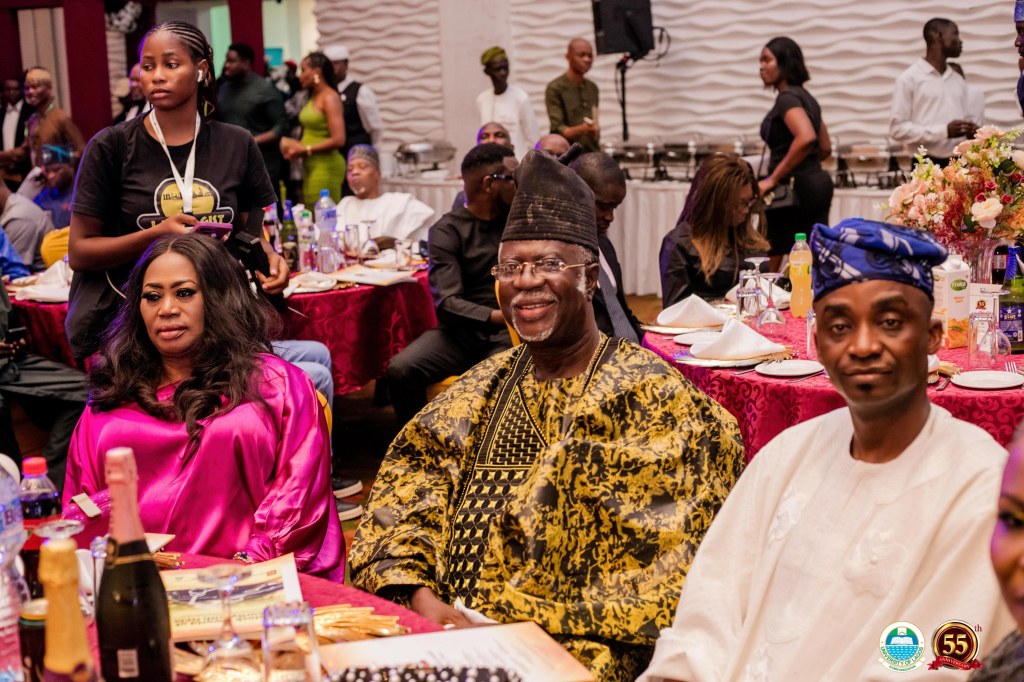
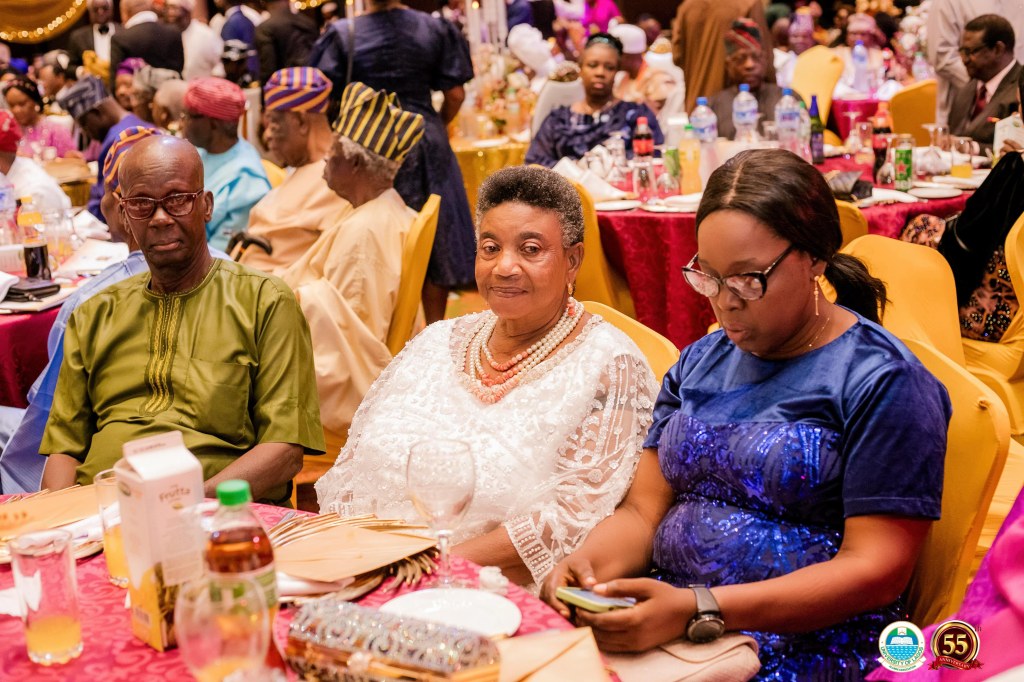
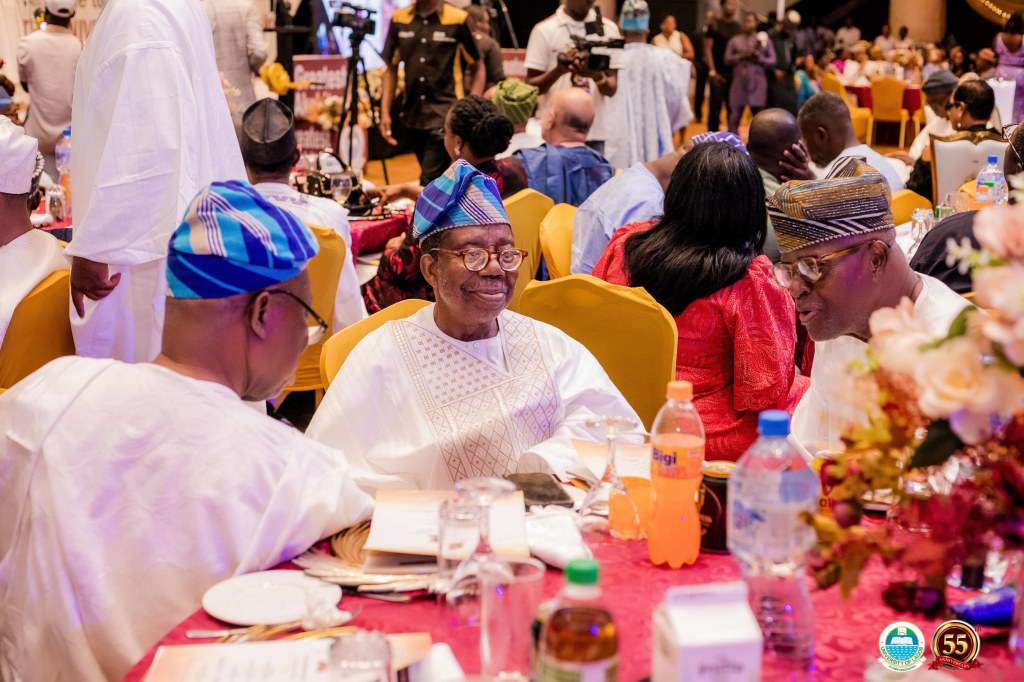
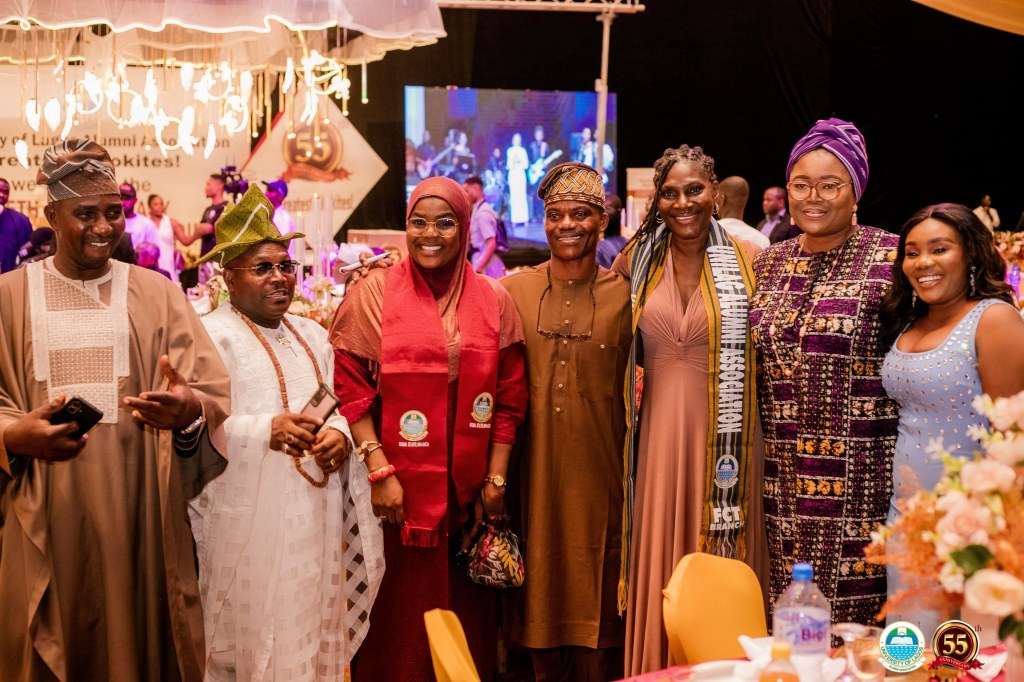
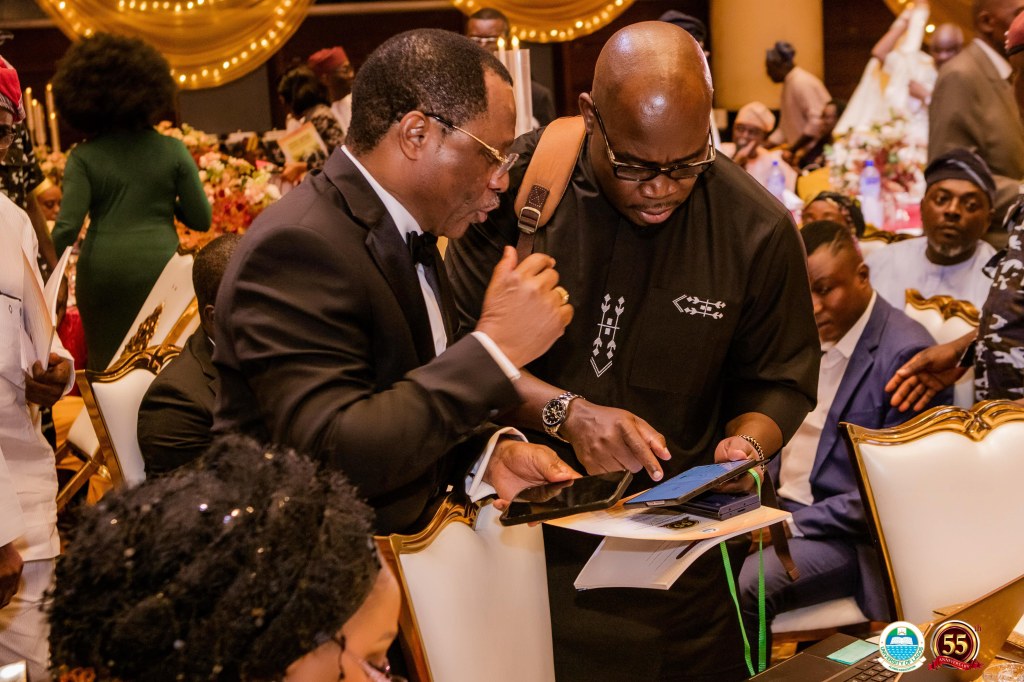
The grand ballroom of Eko Hotel and Suites, Victoria Island, Lagos, glistened under the soft glow of chandeliers. Warm light danced off crystal glasses and gold-rimmed plates, while the gentle strains of live music mingled with laughter and the rhythmic hum of reunion. From one table to another, alumni exchanged embraces, reliving fond memories of Akoka days — the network and friendships that shaped their journeys.

This was no ordinary night. It was the 55th Anniversary Awards and Dinner Night of the University of Lagos Alumni Association — an evening steeped in pride, nostalgia, and renewal. More than a dinner, it was a homecoming of dreams and an affirmation of faith in an institution whose impact spans continents.

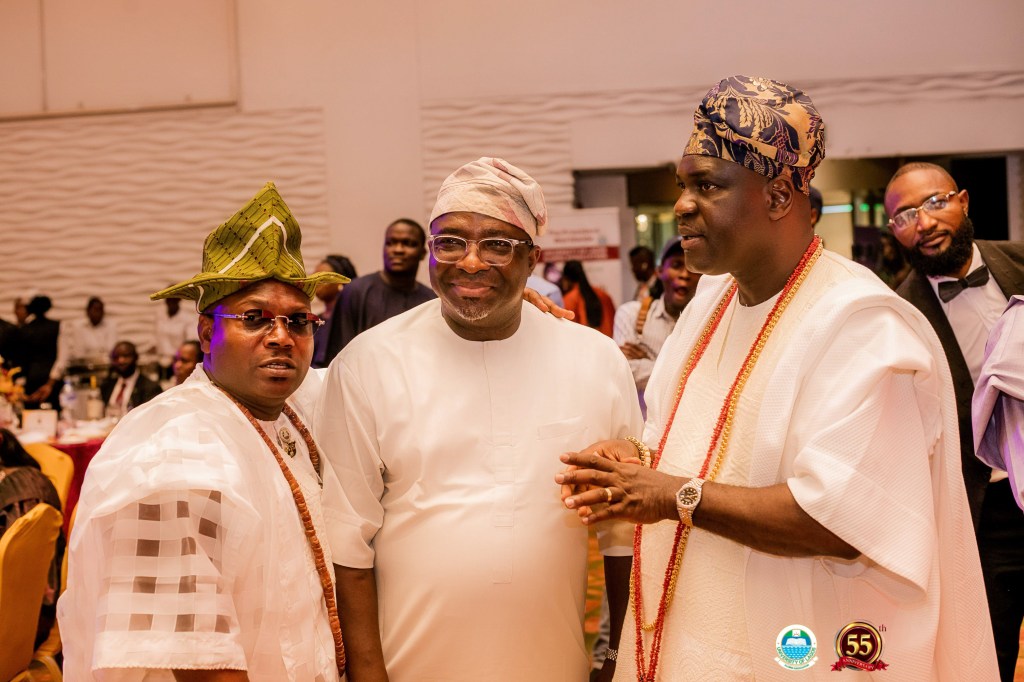
The Association had gathered not just to look back, but to look ahead — to celebrate excellence, inspire the future, and reaffirm the shared heartbeat of Akoka’s global family. The occasion also featured a roll call of distinguished personalities — top government functionaries, members of the National Assembly, industry giants, entrepreneurs, technocrats, eminent academics, and a mix of esteemed personalities, friends and colleagues. It was a sight to behold — a constellation of achievement under one roof, their presence a living testament to UNILAG’s influence across sectors and generations.

TRACING THE THREADS OF TIME

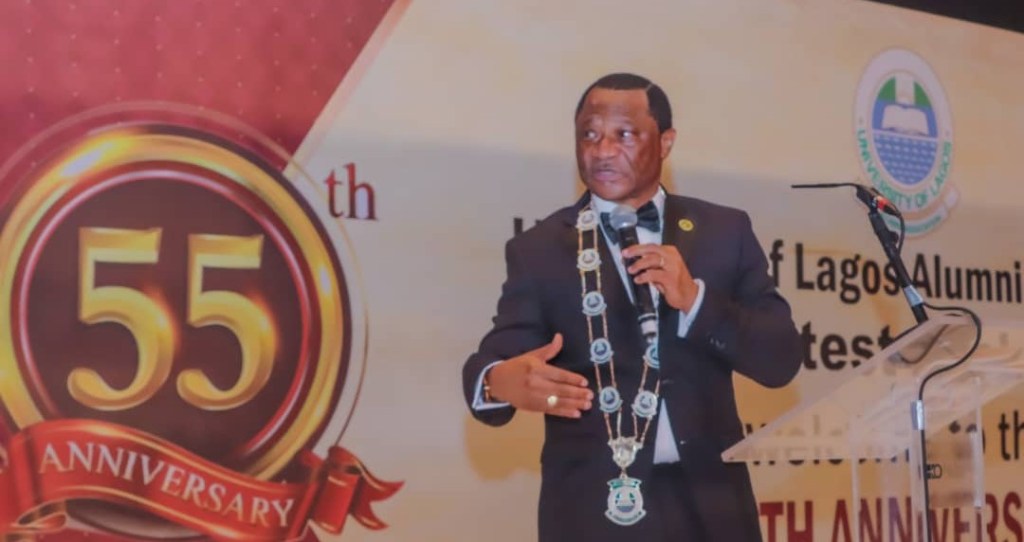
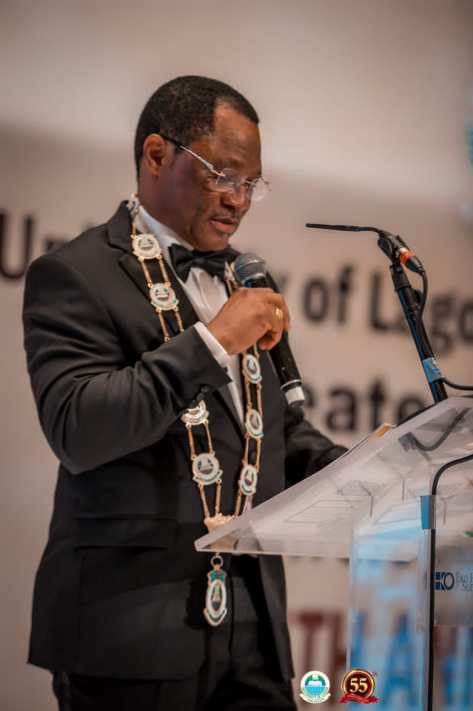
At the heart of the night stood Engr. IfeOluwa Oyedele, President Worldwide of the Association — a man whose calm confidence belied a passion for innovation. When he took the podium, the hall fell silent; anticipation charged the air.

“This is a historic and epoch-making occasion,” he began, his voice steady yet resonant. “We are not merely celebrating our past — we are defining our future.”

His opening remarks set the tone for an evening that would elegantly blend memory with ambition. Giving a historical perspective, Engr. IfeOluwa Oyedele, FNSE, FNIPE, FRMN, D.Eng. (Honoris Causa), guests that the University of Lagos Alumni Association was born in 1969, just four years after the institution’s first convocation. What began as a modest fellowship of early graduates determined to give back has, over five decades, evolved into one of Nigeria’s most vibrant and respected alumni networks.

“The Association, which has evolved through various stages, has remained visible in the joint task of advancing our alma mater,” he said. “Among our many achievements, today the Alumni Association enjoys a permanent seat on the University’s Governing Council. Indeed, we have made remarkable progress under the able leadership of fifteen past national presidents.”

Oyedele paid tribute to the succession of presidents, trustees and volunteers whose stewardship built the Association’s enduring legacy.

“Their footprints are everywhere — on the Akoka skyline, in classrooms, laboratories and boardrooms,” he noted. “They lit the path we now walk upon.”

That legacy, he said, is etched into structures such as the Erastus Akingbola Postgraduate Hall, D.K. Olukoya Research Laboratory, UNILAG Bus Terminal and Alumni Shopping Complex, Alumni Jubilee House (developed with GTBank), and the Iconic Alumni Building — an architectural landmark dedicated to the late Prof. Oye Ibidapo-Obe.

Other notable interventions include the donation of a Book-Eye 5V2 industrial scanner to aid digitisation of students’ records, scholarships for indigent students, endowed prizes for best graduates, and the development of alumni branches in Nigeria and the Diaspora.

“Every generation of alumni has carried the torch forward,” Oyedele reflected. “The strength of this Association lies in its people — those who remember where they came from and who never stop giving back. Each structure tells a story — of leadership, community and collective pride.”

He added: “The University of Lagos Alumni Association today represents what a true alumni body should be. Our ambition is to position this Association so that, if government ever grants full autonomy to public universities, we will have the financial muscle to sustain our alma mater.”

DRIVING NEW HORIZONS WITH TECHNOLOGY

Demonstrating a forward-looking vision, Oyedele unveiled a customised alumni engagement web and mobile application — a digital innovation designed to connect over 200,000 graduates worldwide and redefine how members interact with the Association.

“With this app, members can now register, pay dues, access events, news, job boards, and even vote electronically from anywhere in the world,” he announced to resounding applause. “To the best of my knowledge, this is the first of its kind in any university alumni body anywhere in the world.”

He further revealed the adoption of a bottom-up administrative model, empowering class sets, faculty chapters and branches to play greater roles in decision-making — a model aimed at deepening engagement and accountability.

BUILDING FOR THE FUTURE: THE 1,800-BED HOSTEL PROJECT

In a major infrastructural announcement, Oyedele revealed plans to construct a 1,800-bed student hostel on the university’s Akoka campus — a project set to ease the pressure on student accommodation.

“I am pleased to disclose that the University of Lagos Alumni Association has secured, from the university, suitable land within the campus to erect the hostel,” he said. “This will go a long way to ease student accommodation challenges. The planning of the project has reached an advanced stage, and we are optimistic that construction will commence before the end of this year.”

The new hostel, he noted, will complement existing facilities and provide a more conducive environment for learning and student welfare.

Additional projects on the Association’s agenda include: Installation of two lifts at the College of Medicine administrative building; Refurbishment and solar power upgrade of the Alumni Secretariat; Restoration of water supply to key faculties; andProvision of new medical equipment at the University Medical Centre.

REWARDING LEARNING AND CHARACTER

To reinforce the university’s motto — Learning and Character — Oyedele announced the institution of annual Character Awards to honour academic and non-academic staff, as well as graduating students who exemplify integrity, discipline and leadership.

“These prizes will be named after some of the distinguished awardees we are honouring today,” he said. “It is our way of building a culture that celebrates both intellectual excellence and moral uprightness.”

He added that the initiative would begin at the next convocation ceremony — a symbolic investment in values that sustain great institutions.

A CALL FOR VISION AND RENEWAL

Concluding his address, Oyedele drew inspiration from thinkers like Machiavelli and Winston Churchill, urging alumni to embrace courage and progress in leadership.

“We must not repeat the mistakes of the past but allow the spirit of progress to triumph,” he declared. “Let us be inspired by the generosity of great patriots like Chief Adebutu and Chief Fanimokun, who embody the spirit of giving and nation-building. Together, we are unstoppable.”

CELEBRATING EXCELLENCE AND SERVICE

As ushers glided between tables serving drinks and refreshments ahead of the dinner with the band’s melodious tunes keeping the mood livid, the evening blossomed into a graceful celebration of excellence, friendship and shared pride.

“This event symbolises what UNILAG represents — excellence, innovation and connection,” remarked one alumnus, smiling as he looked around the hall.

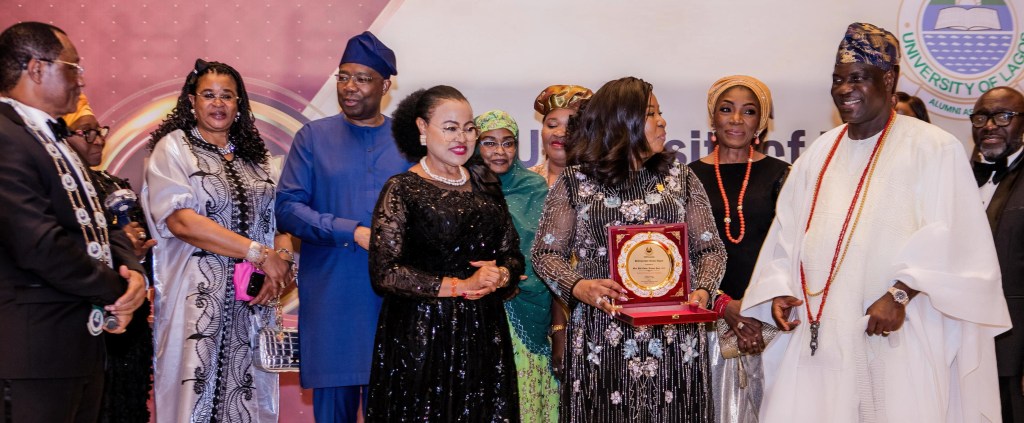
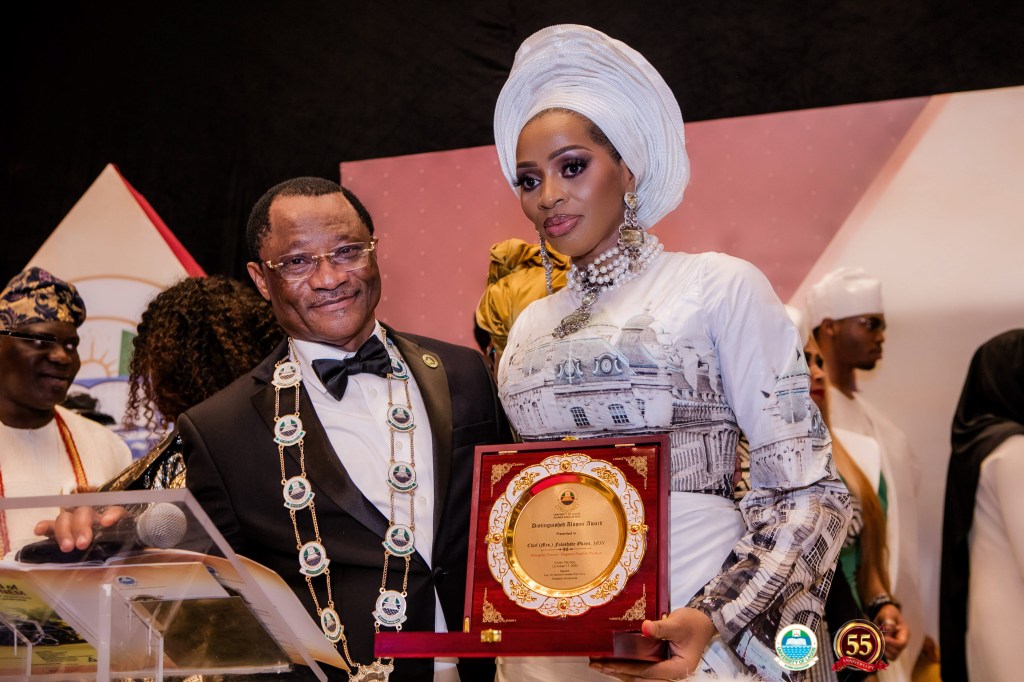
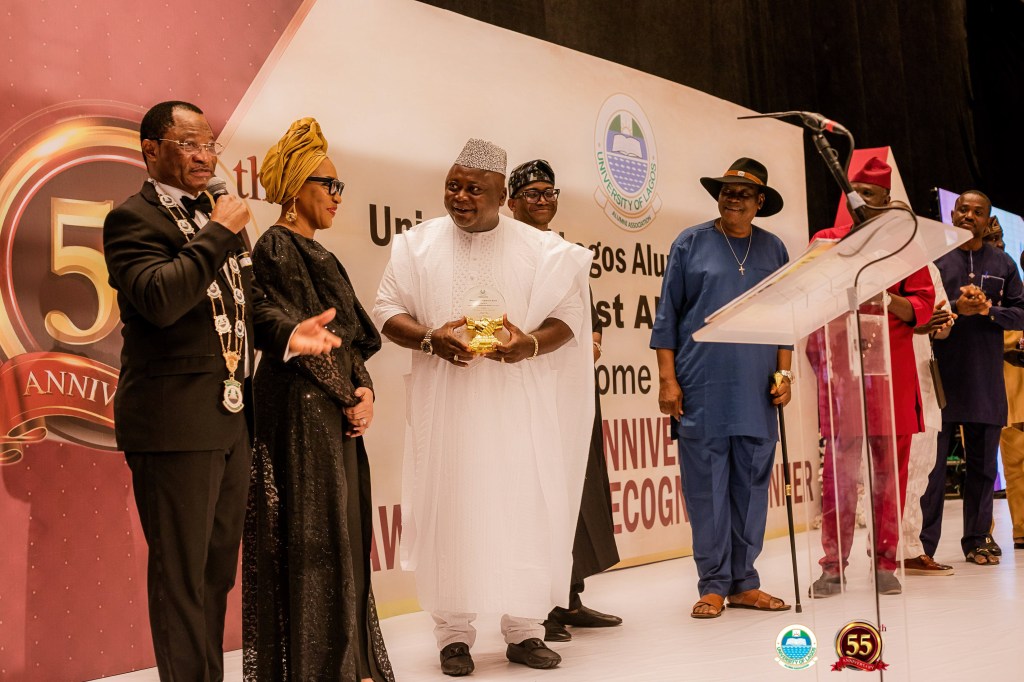
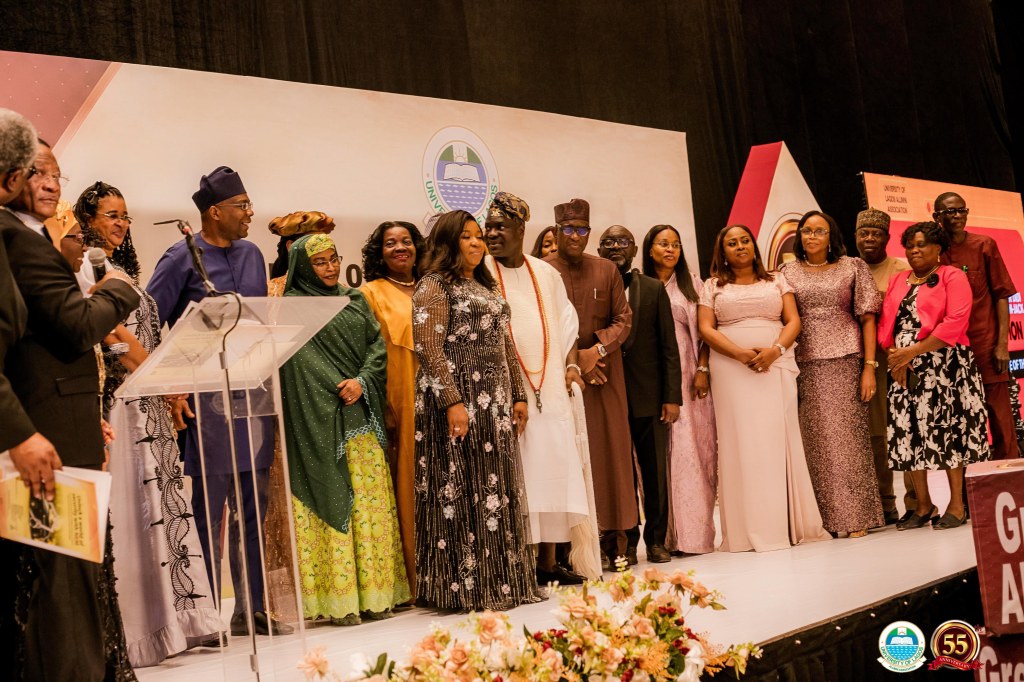
The occasion also included spectacle moments as fourteen remarkable individuals were honoured with Alumni Lifetime Achievement, Platinum, and Distinguished Alumni Awards, each recognised for their exemplary contributions to public good and societal advancement.

The honourees included:
Chief Kessington Adebutu, founder of Premier Lotto Limited;
Chief Tunde Fanimokun, Life Director, Folawiyo Group;
Justice Kudirat Kekere-Ekun (CJN);
Dr John Momoh, Chairman/CEO, Channels Media Group;
Chief Wole Olanipekun (SAN);
Senator (Dr) Opeyemi Bamidele;
Olorogun (Dr) Sonny Folorunsho Kuku;
Mrs Didi Esther Walson-Jack;
Mr Kayode Egbetokun;
Senator (Dr) Ibrahim Hassan Hadejia;
Chief Christopher Adebayo Ojo (SAN);
Dr Kola Adeshina;
Mrs Folashade Noimat Okoya; and
HRH Prof. Epiphany Azinge (SAN)

“These awards reflect our vision to celebrate excellence and honour men and women who have dedicated their lives to public good,” Oyedele said. “Their stories inspire the next generation to serve with distinction.”

A VICE-CHANCELLOR’S TRIBUTE

The Vice-Chancellor, Professor Folasade Ogunsola, congratulated the Alumni Association on its 55 years of partnership and impact, describing it as “the best globally.”

“Alumni associations have the duty to connect, to be our ambassadors, to advocate, and to support the school,” she said.

“In my opinion, this Alumni Association scores 100% on each of these. One of the strengths of the University of Lagos is the seamless transfer of leadership and strong connections with our alumni.”

She expressed gratitude to Engr Oyedele and his team for sustaining vibrant chapters across Nigeria and the Diaspora.

“As we mark your 55th anniversary today,” she added warmly, “I want to assure you that we will continue to partner with you because our institution is secure. To move forward, we must work closely with both alumni and staff in a coordinated fashion — and I believe we already have that.”

Her words drew applauses — a celebration of continuity, collaboration, and the shared destiny between the university and its proud alumni.

And as the final notes of music faded into the Lagos night, amid dancing and more merry-cheers, one truth was clear — the University of Lagos Alumni Association was not just celebrating 55 years of legacy, it was reimagining the future — with courage, connection, and collective purpose to light the way forward. Indeed, the bond that the alumni creates is not merely enduring — it is ever-evolving, ever-inspiring, and beautifully unstoppable.

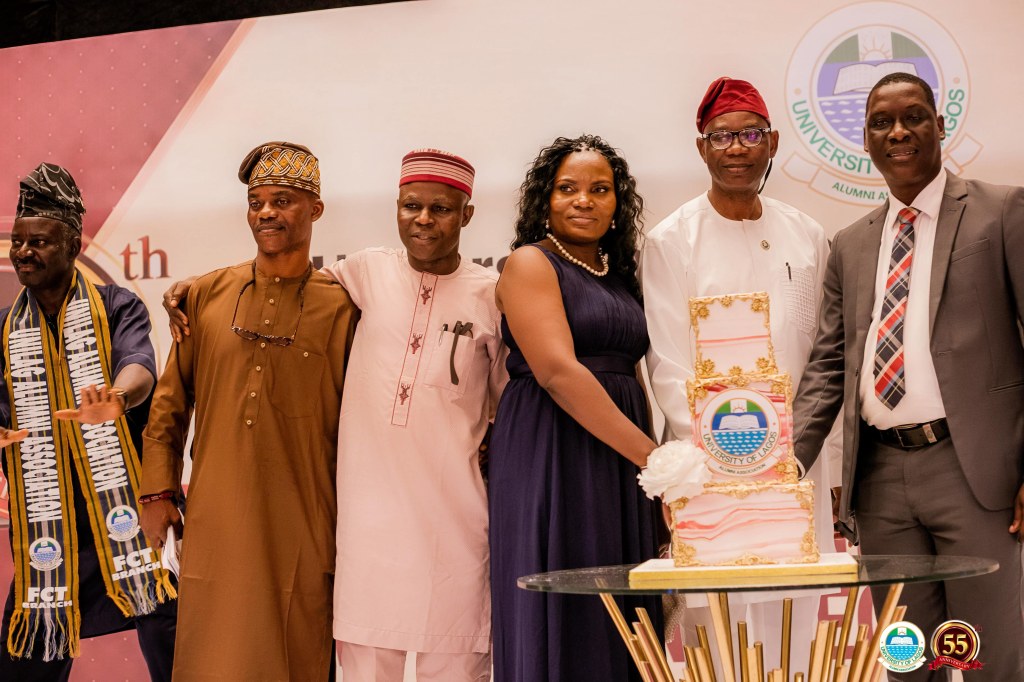
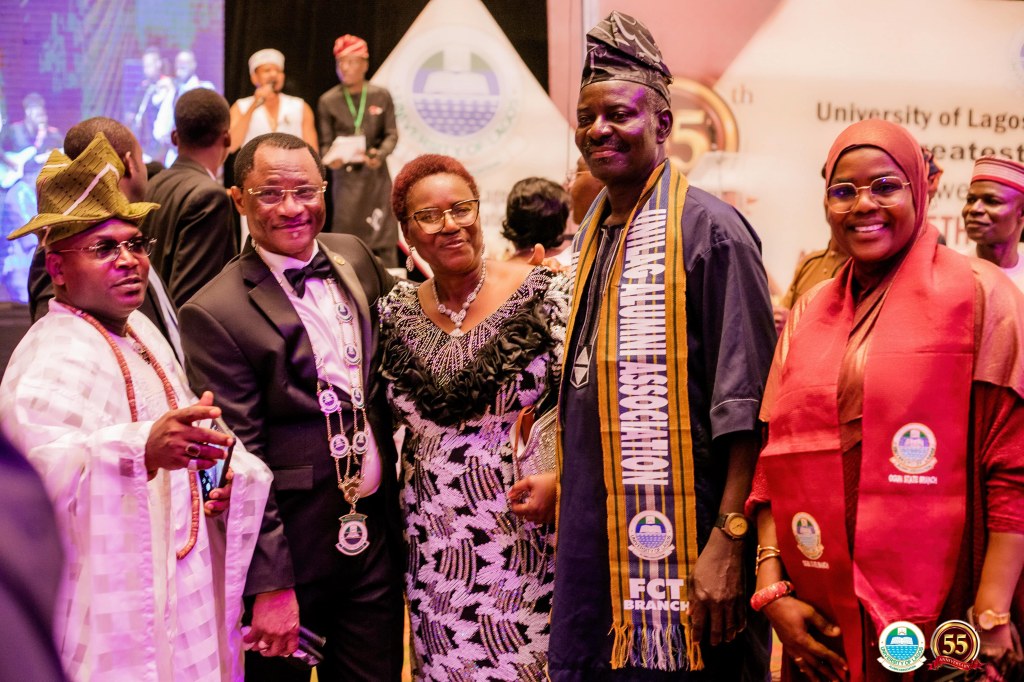
Pictorial highlights below, courtesy: Unilag Alumni Association

Service Unequaled as University of Abuja honours Major General Mobolaji Koleoso (Rtd)

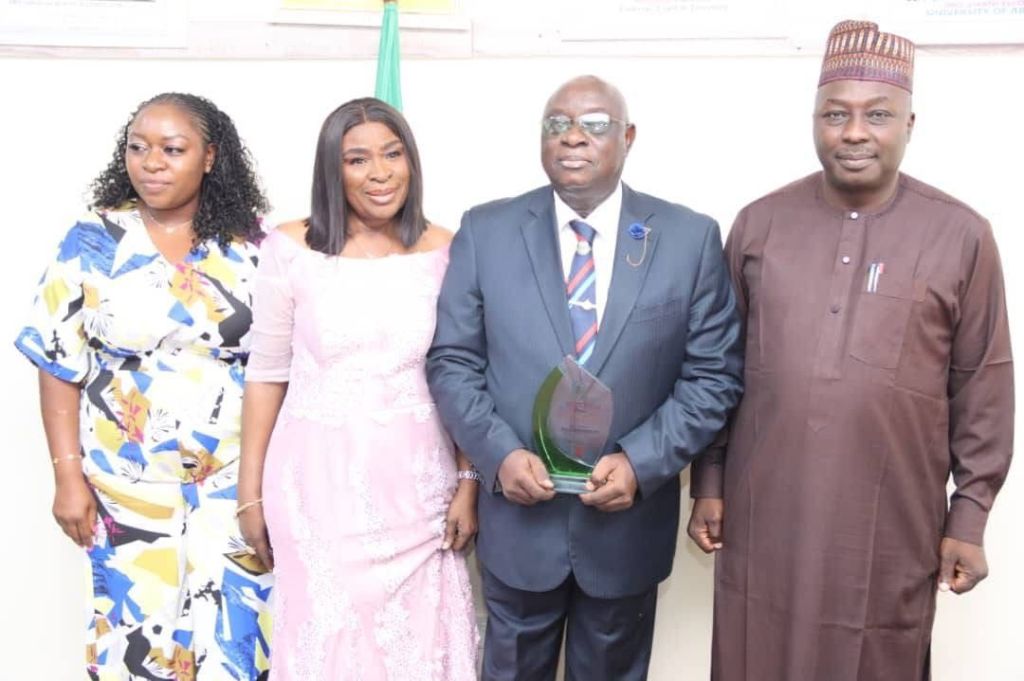
It was a day of heartfelt appreciation and celebration at Yakubu Gowon University (formerly the University of Abuja) as the institution honoured two outstanding personalities whose dedication and generosity have quietly strengthened its academic foundation.

At a ceremony held at the Sultan Maccido Institute for Peace, Leadership and Development Studies (SMIPLDS), Major General Mobolaji Koleoso (Rtd) and Dr Akeem Adedeji were presented with Special Recognition Awards for their selfless and pro bono contributions to teaching and mentorship at the Institute.

For Major General Koleoso, service has never been a passing phase; it is a lifelong calling, guided by a compass that has always pointed towards duty, discipline, and nation-building. Anchored in a life defined by consistent sacrifice, Koleoso, alongside Dr Akeem, has spent the past five years lecturing at the Institute without remuneration, mentoring young scholars and promoting the values of leadership, peace, and civic responsibility. Together, they have helped to strengthen the Institute’s academic base and advance its mission to raise leaders driven by integrity and service.

Presenting the awards, the Acting Vice-Chancellor, Professor Mathew Adamu, praised the honourees for their passion and generosity, describing them as shining examples of selfless contribution to education and humanity.

“We must recognise people who give back to society,” he said. “It is one of the biggest challenges we face as a country — people often think giving back must be about money. But there are intangible contributions that carry far greater value. What Major General Koleoso and Dr Akeem are doing through teaching and mentorship is priceless. They are building a better society.”

In his remarks, the Director of the Institute, Professor Mohammed Yelwa, lauded the honourees’ consistency and commitment, noting that their voluntary service had significantly enriched the Institute’s programmes and enhanced its credibility.

“Your unwavering commitment and the pro bono services you have rendered over the years stand as a testament to your belief in academic excellence, community service, and nation-building,” Yelwa said. “You have strengthened the Institute’s capacity to deliver on its mandate, and your influence continues to inspire others.”

Speaking on behalf of both awardees, Major General Koleoso, who also holds a PhD, expressed heartfelt gratitude to the University and the Institute for the recognition, describing it as both personal and collective — an affirmation of shared values.

“We are deeply grateful for this honour,” he said. “This recognition is not just about us; it reflects the values we hold dear — service, integrity, and nation-building. Teaching here has never been about reward but about impact. Seeing our students grow into responsible leaders is our greatest fulfilment. This gesture reminds us that service truly matters and encourages us to keep giving more of ourselves.”

L-R: Barr (Mrs) Atinuke Oluwole (nee Koleoluwa), Wife of the honoree, Mrs Abiodun Victoria Koleoluwa, Major General Koleoso and Prof Mathew Adamu. Acting VC, Yakubu Gowon University

Koleoso, a seasoned military officer, peace advocate, and leadership mentor has distinguished himself during a stellar career in the Nigerian Army, where he served in key command and administrative positions before retiring with honours. Beyond his military service, he has continued to demonstrate exceptional commitment to education and civic development. As a PhD holder in Strategic Studies, he has contributed to advancing scholarship in peacebuilding and leadership training, helping to shape the next generation of Nigerians with a focus on ethical leadership and national unity.

As the audience rose in applause, it was clear that the moment went beyond ceremony. It was a salute to a man whose journey — from the battlefield to the classroom — continues to prove that true greatness lies not in titles or rank, but in the selfless act of shaping lives and building a better nation.

Celebrating Excellence: UNILAG Alumni Marks 55 Years with Grand Honours Dinner

As Kudirat Kekere-Ekun, Sonny Kuku, Wole Olanipekun, John Momoh, Tunde Fanimokun, Kessington Adebutu, Opeyemi Bamidele, Didi Wilson-Jack, Bayo Ojo, Epiphany Azinge, Kola Adesina, Folasade Okoya receive iconic recognition

When the chandeliers of Eko Hotel and Suites, Victoria Island, Lagos light up on Friday, October 17, 2025, it will not just be another evening of glitz and glamour in Lagos. It will be a homecoming of greatness — a convergence of minds that have shaped law, governance, media, industry, and national development. As the University of Lagos Alumni Association celebrates a remarkable milestone—55 years of unity, achievement, and impact—with a glittering anniversary dinner, the evening will be one of recognition, reflection, and celebration.

A night to honour excellence, leadership, and service

The 55th Anniversary of the Alumni comes with a unique edge, not just to wine, dine and celebrate, but to also honour some of Nigeria’s most distinguished personalities — alumni and friends whose lives and legacies continue to illuminate the ideals of the University of First Choice.

Leading the roll of honourees is Honourable Justice Kudirat Kekere-Ekun, Chief Justice of Nigeria, whose jurisprudential brilliance and integrity have inspired a generation. Alongside her stands Chief Wole Olanipekun, SAN, Pro-Chancellor and Chairman of the UNILAG Council, a man whose name is synonymous with legal excellence and institutional leadership.

Also on the honour list are Dr. John Momoh, Chairman of Channels Media Group and trailblazer in broadcast journalism; Chief Tunde Fanimokun, Life Director at Folawiyo Group and development icon; and Sir Chief Kessington Adebutu, CFR, revered philanthropist and business magnate whose generosity has transformed communities.

The recognition extends to other eminent achievers — Senator Opeyemi Bamidele, Senate Majority Leader; Mrs. Esther Didi Wilson-Jack, OON, Head of Service of the Federation; Chief Bayo Ojo, SAN, former Attorney General of Nigeria; HRM (Prof.) Epiphany Azinge, Asagba of Asaba; Mr. Kola Adesina, distinguished entrepreneur, managing director of Sahara Group; and Chief (Mrs.) Folasade Okoya, a symbol of grace and enterprise.

The evening will be graced by the Vice President of Nigeria, Senator Kashim Shettima, GCON, as Special Guest of Honour, while Olor’ogun Dr. Sonny Folorunso Kuku, Ogbeni-Oja of Ijebuland — himself a proud UNILAG alumnus and honouree — will preside as Chairman of the Occasion.

Honour beyond awards

In his remarks ahead of the celebration, the President of the UNILAG Alumni Association, Worldwide, Engr. IfeOluwa Oyedele, described the anniversary as “a tribute to the enduring spirit of excellence and service that defines every true UNILAG graduate.”

“This is more than an award ceremony,” Oyedele said. “It is a reflection of shared values — integrity, innovation, and the courage to lead. The individuals we honour have not only excelled in their fields but have also uplifted others and strengthened the legacy of our great university.”

Honouring Legacies, Inspiring Futures

The 55th Anniversary Dinner will feature the conferment of Platinum, Distinguished Alumni, and Lifetime Achievement Awards — each a symbol of remarkable contribution and lasting impact.

Guests will include royal fathers, academia, captains of industry, and the crème de la crème of Nigerian society. Beyond the awards, the evening promises moments of nostalgia, reconnecting generations of alumni who have walked the same halls, shared the same dreams, and now shape the same nation.

For the UNILAG Alumni Association, this landmark event is not merely a celebration of the past but a declaration of faith in the future — a reaffirmation that the University of Lagos continues to produce leaders who influence policy, drive innovation, and inspire change across Africa and beyond.

As the lights dim and the applause rises, one thing will be clear: the UNILAG Alumni story is still being written — one legacy at a time.

*Special report. Edited by Sanmi Falobi

APC, DIDEOLU FALOBI AND OSUN GOVERNORSHIP RUN: WHEN LEGACY MEETS POSSIBILITY

The stage is set, the lights are on, and Osun State once again finds itself at the edge of political drama. The question before us is not new, yet it carries fresh weight: with the incumbent governor of the Peoples Democratic Party (PDP) seeking another term, who dares to wrestle power away from him?

Ordinarily, such a debate belongs to professional politicians, party strategists, and the endless chatter of political analysts. Yet in Osun, politics is not the pastime of politicians alone — it is the heartbeat of the people. Whether one shrugs it off or follows it passionately, the reality remains: the decision of who governs Osun is not merely the headache of the gladiators in politIcal Agbada, but the collective burden — and aspirations of its citizens.

For the All Progressives Congress (APC), the leading opposition party in Osun State, the next two to three months are critical. The Party must answer the defining question: Who shall bear the party’s flag against the PDP incumbent?
Big names and known political power brokers have already thrown their hats into the ring, plotting and lobbying, whispering in corridors of influence. Some of them have tasted power before; won elections, lost elections and have failed re-contested elections. Some of them were asked to step aside, and now stepping up their game, aiming for the highest political office available. Some have, hanging on their neck, public perception of under-performance, low performance, and twisted self-centred performance.
The inter-play of politics in Nigeria is often a mixed bag, and every political gladiator seeking for the office of the Osun State Governor is constitutional guaranteed to do so; it’s a race open for the good, the not so good, and the bad; irrespective of what the perception is.
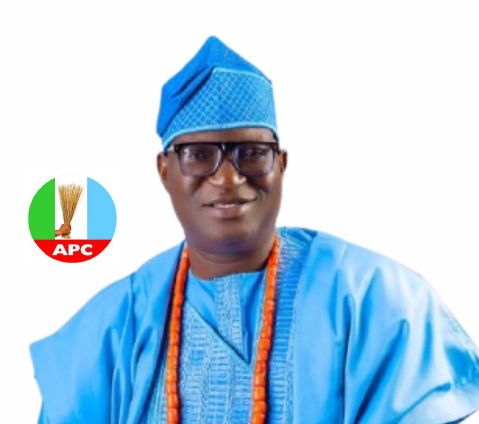
However, in the midst of the political gladiators, one name that is beginning to rise like a quiet storm within the Osun APC fold is that of Engr. Dideolu Falobi, FNSE, FIoD.

The Power of a name, the Weight of a Legacy
In Osun, names are not mere syllables. They are signatures. They carry history, trust, and sometimes scars. Each political era in the State has been defined by names etched in either service or controversy, cross-cutting the tenures of Isiaka Adeleke, Bisi Akande, Rauf Aregbesola, Olagunsoye Oyinlola, Gboyega Oyetola, and now Ademola Adeleke. These names are more than individuals; they are associated with political seasons, and the public perception of either performance, under performance or bad performance is a reality that the people of Osun live with.

As the decision ahead the Osun 2026 governorship election gather momentum, there appears a light in the horizon via a fresh, relatively unfamiliar name — Dideolu Falobi.
On the surface, he is not a product of entrenched political blocs, nor a veteran of the Osun political power wars.
That should make him a push-over in the conventional political script. Yet politics in today’s Nigeria is no longer conventional.
Beneath the surface, something intriguing is happening: a ‘newcomer’ is gathering momentum, powered not by patronage of “stomach infrastructure,” but by goodwill, service, and the quiet force of community trust.

This is where legacy meets possibility. For Dideolu Falobi, his bloodline does not entitle him to power. Instead, his strength comes from a different foundation: years of building, serving, and inspiring. His heritage is not a political burden but a mantle of service waiting to be extended into leadership.

Dideolu Falobi: The New Breed Leader
So, who is this man daring to interrupt the political chessboard of Osun?
Dideolu Falobi is not your typical politician. He is a technocrat, a community builder, and a leader by achievement rather than ambition. Born in Iwoye-Ijesa in Oriade LGA of Osun East, Dideolu Falobi grew up in Ilesa where he attended Methodist High School before proceeding to the University of Lagos, graduating with a B.Sc. in Electrical Engineering in 1987.
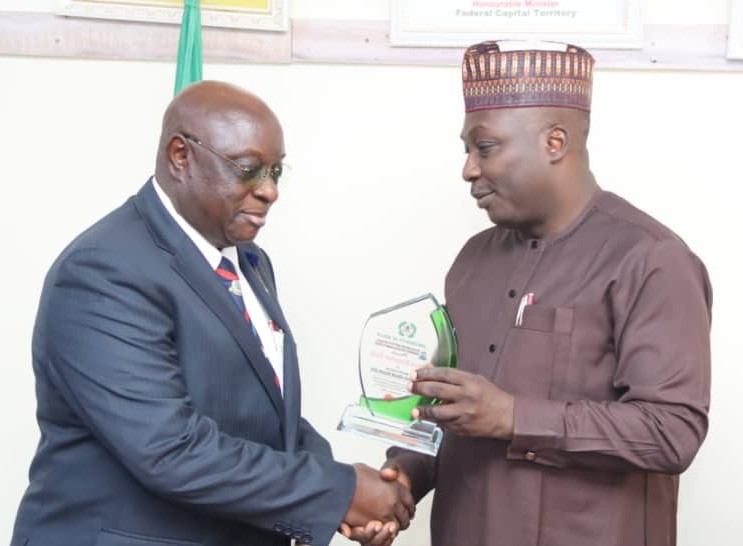
His professional path is both impressive and instructive. From rising to Junior Partner at Edison Group & Partners, to leading electrification projects across Nigeria and The Gambia, to becoming Managing Director of Kresta Laurel Limited in 2005, Dideolu Falobi has consistently turned challenges into landmarks.

Under his leadership, Kresta Laurel executed projects for institutions like the Central Bank, Shell, UBA, Silverbird Group, and the Bank of Industry. He also chairs Hieno Technologies Limited, extending his influence into Nigeria’s industrial growth.


Yet beyond boardrooms and skyscrapers, Dideolu Falobi has written his story in the heart of communities. For nearly two decades, he transformed his alma mater as President of the Methodist High School Old Students’ Association, delivering modern classrooms, labs, a library, a multipurpose hall, water projects, and even an astronomy observatory — the first in Osun State.
He didn’t stop there. He founded the Ijesaland Development Foundation, advancing rural and regional development. He chairs the Iwoye-Ijesa Development Committee, proving that rural voices matter. On the national stage, he convenes the Think Tank on Nigeria, a platform of over 250 professionals brainstorming policy reforms. He served as National Chairman of the UNILAG Faculty of Engineering Alumni Association, mobilising resources to uplift education.

While his leadership résumé is decorated with fellowships, recognitions, and thought leadership, more importantly, his name tells of someone who has been working where politicians often fail: in real problem-solving.

Beyond an aspiration, what stuff is Dideolu Falobi made up of?
Running for governor of Osun is not a tea party. It demands grit, vision, and capacity. And in these, Dideolu Falobi does not come empty-handed. The roles he has played over the years has been the manual of competence:
• Bobajiro of Ilesa; custodian of tradition.
• Convener, Think Tank on Nigeria; A reform driver.
• Founder, Ijesaland Development Foundation; a regional development advocate.
• MD, Kresta Laurel Limited; a business leader.
• Chairman, Board of Fellows, Nigerian Institution of Safety Engineers; Professional depth.
• Vice President, Board of Trustees, Osun Country Club; Socially relevant.
• APC member, rooted in Ward 4, Iwoye-Ijesa, Oriade LGA; politically committed.

But beyond the résumé, his candidacy signals something refreshing:
• He is free from old political baggage.
• He has demonstrated results, not just promises.
• He embodies a generational bridge — carrying heritage, yet aligned with the yearnings of the youth.
• He channels energy, competence, and integrity in equal measure.

Who shall bell the cat?
As political permutations dance across Osun’s West, East, and Central divides, the APC faces a choice. Will they recycle the usual faces, weighed down by yesterday’s battles, or will they dare to offer a fresh, credible alternative?

In all of these, Engr. Dideolu Falobi is emerging as a symbol of rebirth — the bridge between the legacy of yesterday and the innovation of tomorrow. And perhaps, just perhaps, the story of governance of Osun is about to turn a new, fresh and flourishing page.

However, power, in all ramifications, ultimately belongs not to the moneybags or the career political gladiators, but to God, who rules in the affairs of men — and who sometimes chooses the least expected vessels to reset history, and who resets history, in the most unexpected ways, in the space of times and seasons.
…. It’s all a matter of time. As day and night happens, so does the Creator shape the affairs and paths of humanity, and Dideolu Falobi, at the central, definitely has a part to play in turning the tide of things for the good of Osun, the State of the Living Spring. There’s work to be done; in parts, in pieces and in holistic service.

This article is written by Oluwasanmi Owokusile, a social advocate, cum strategic media-communications consultant.

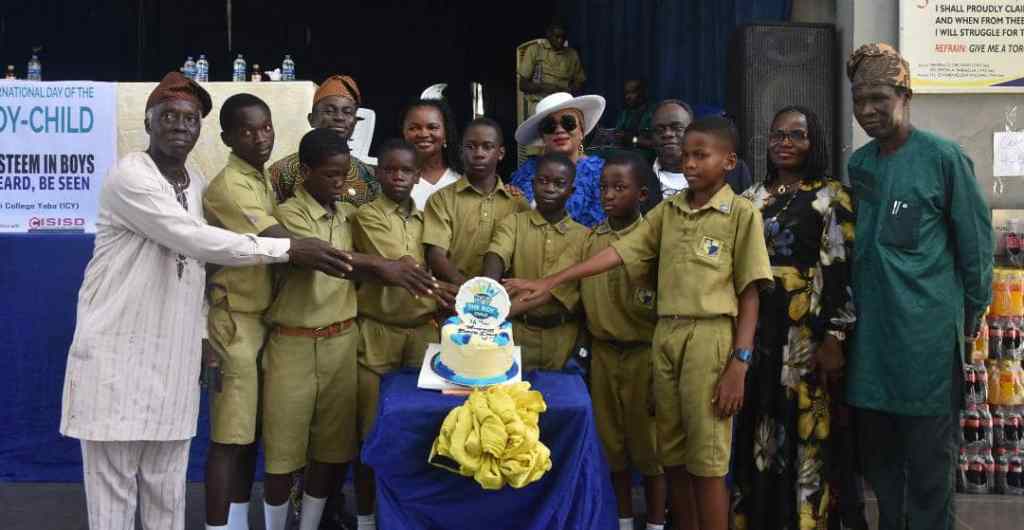
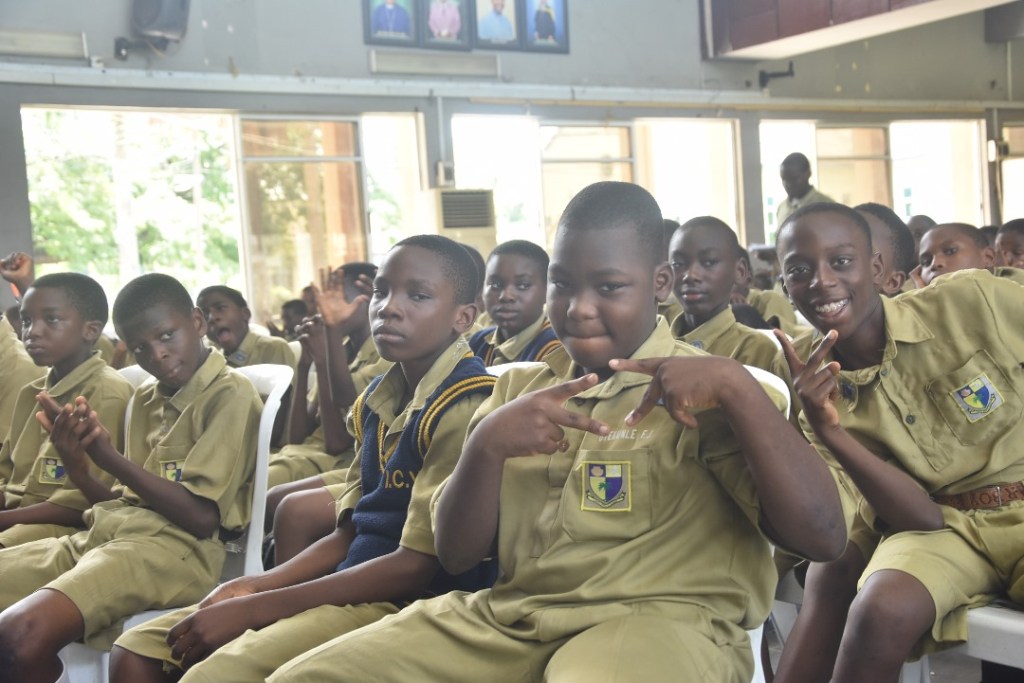
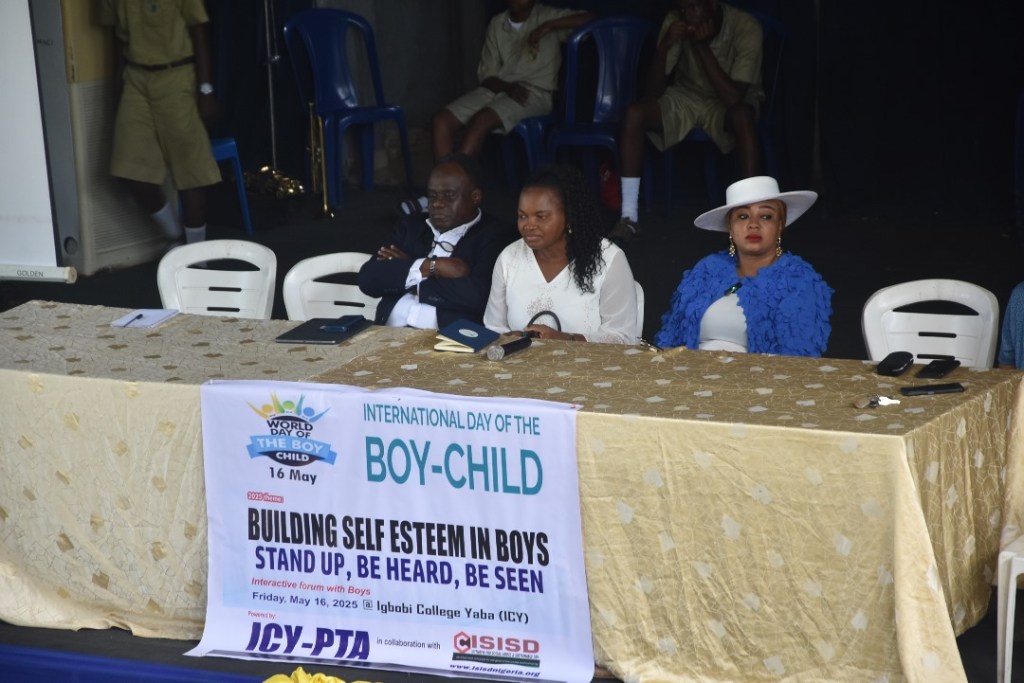
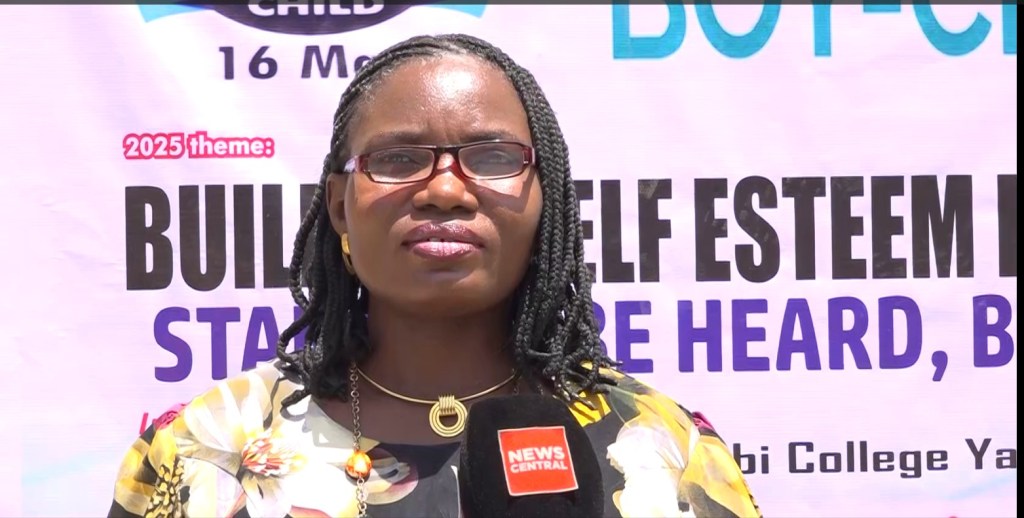
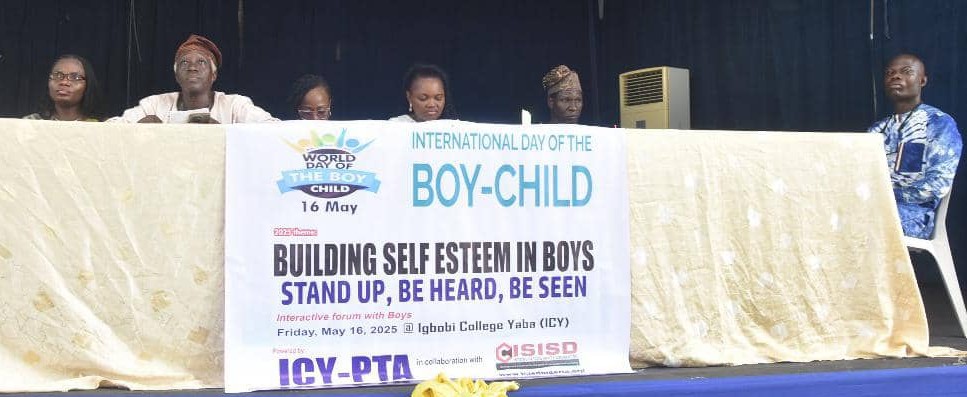
2025 WDBC: Building Self Esteem in Boys

By SDN

The world of the boy child is a peculiar one that must be given attention. This is so because neglect of the boy child is tantamount to creating a dysfunctional society where the untrained boy would become a threat to the trained girl, and society in general.

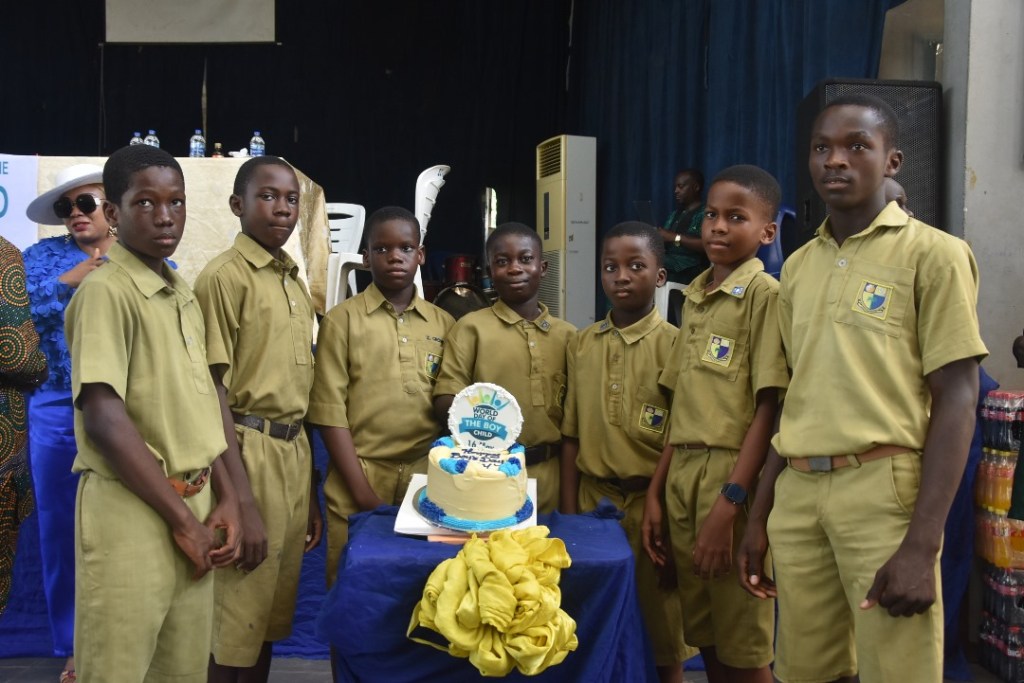
This, among others necessitates the call for concerted attention for the boy child and for which May 16 was initiated as the World Day of the Boy Child (WDBC) by Dr Jerome Teelucksingh of the University of West Indies, Trinidad & Tobago. The WDBC is also widely acknowledged as the International Boys Day, a day to celebrate the positivity of boys and proffer solutions to myriad of challenges being faced by boys and adolescent males globally.

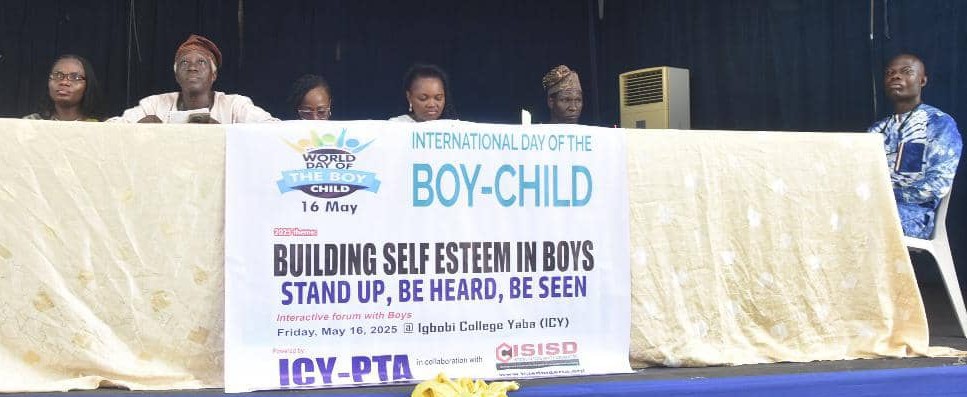
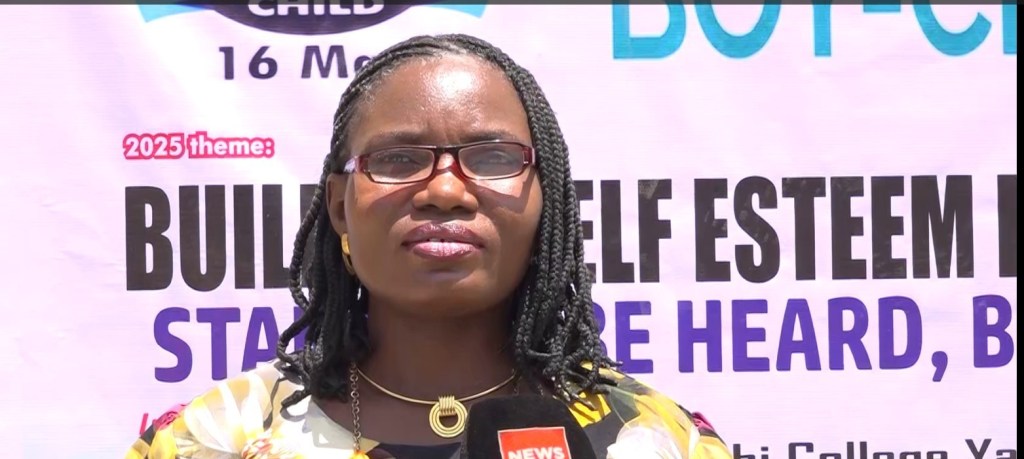
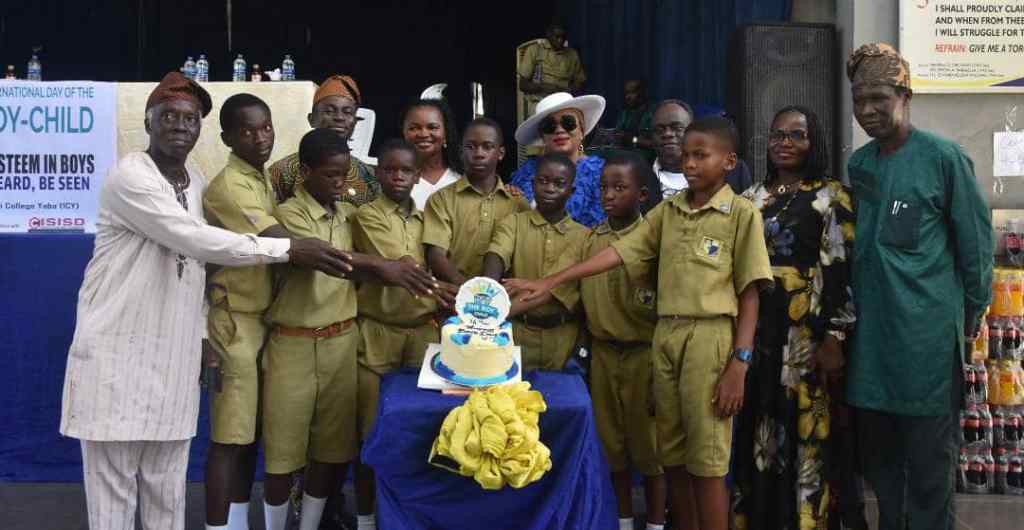
The 2025 theme: “Building Self Esteem in Boys: Stand up, Be heard , Be seen,” is coming at the heels of neglect and vulnerability of boys in the society.

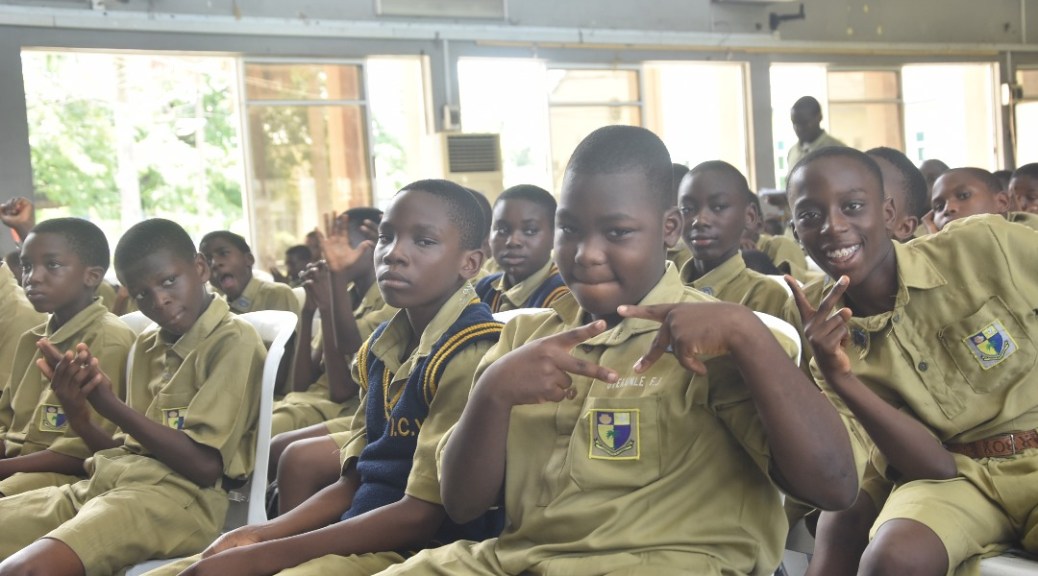
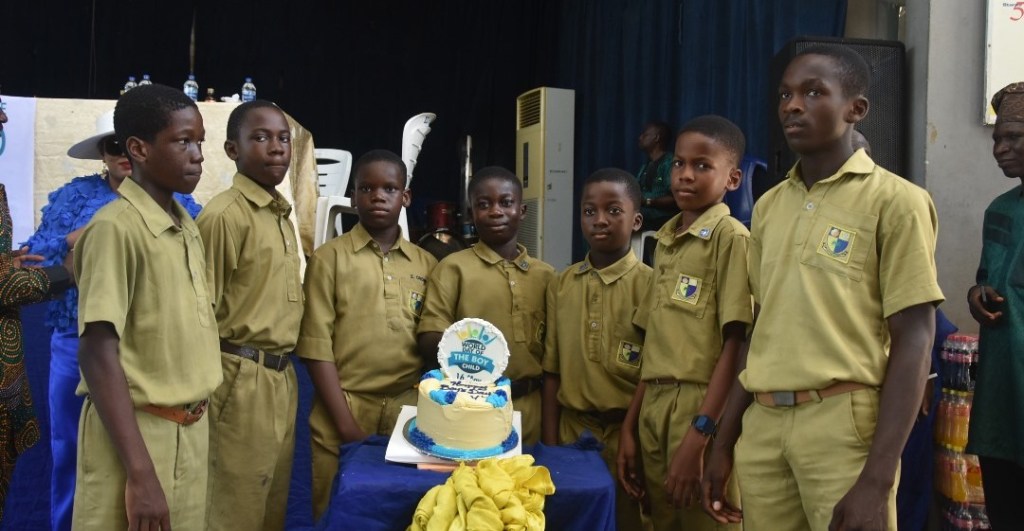
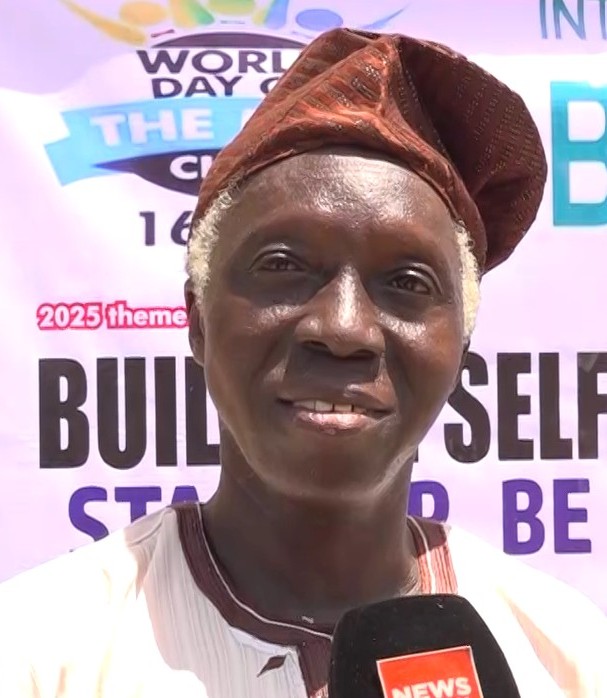
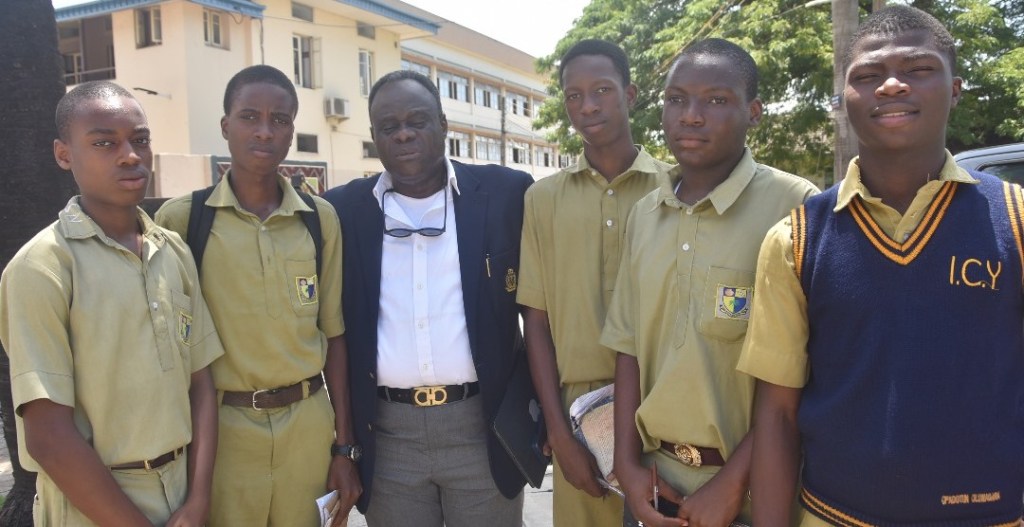
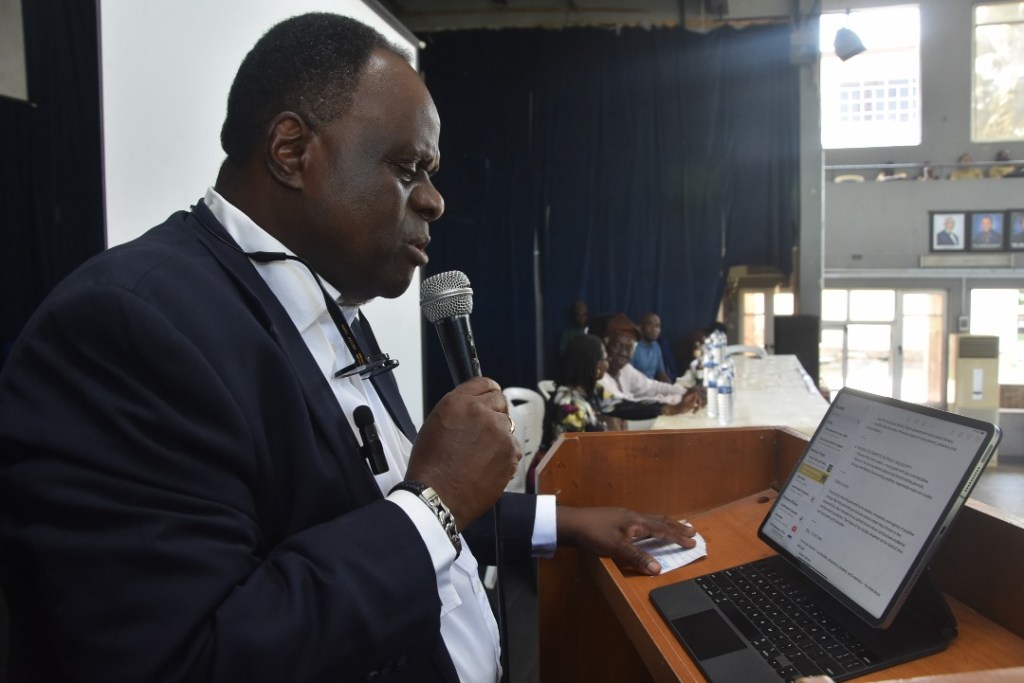
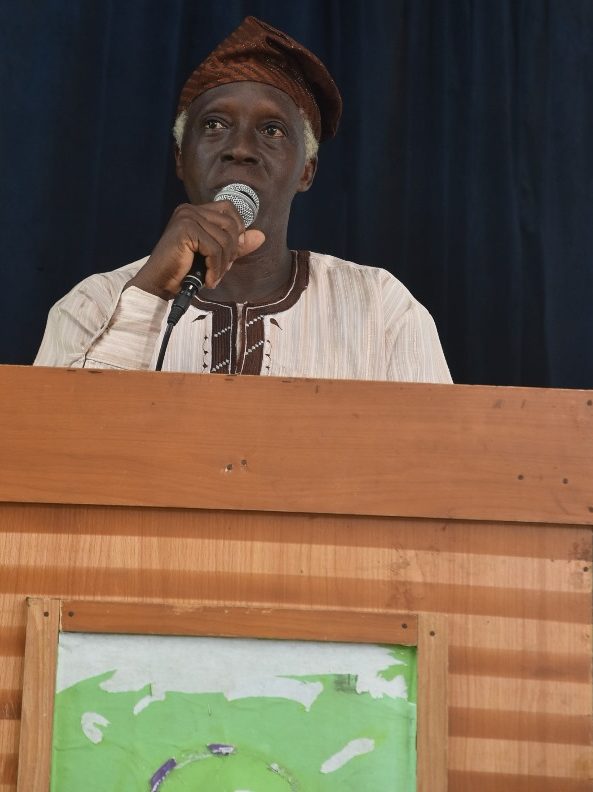
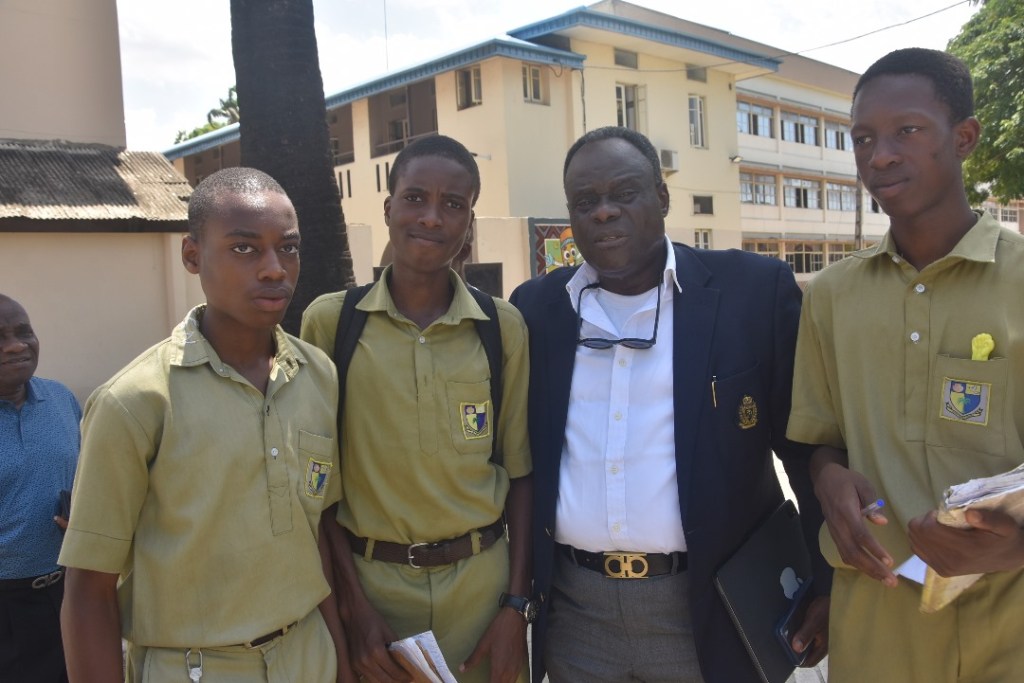
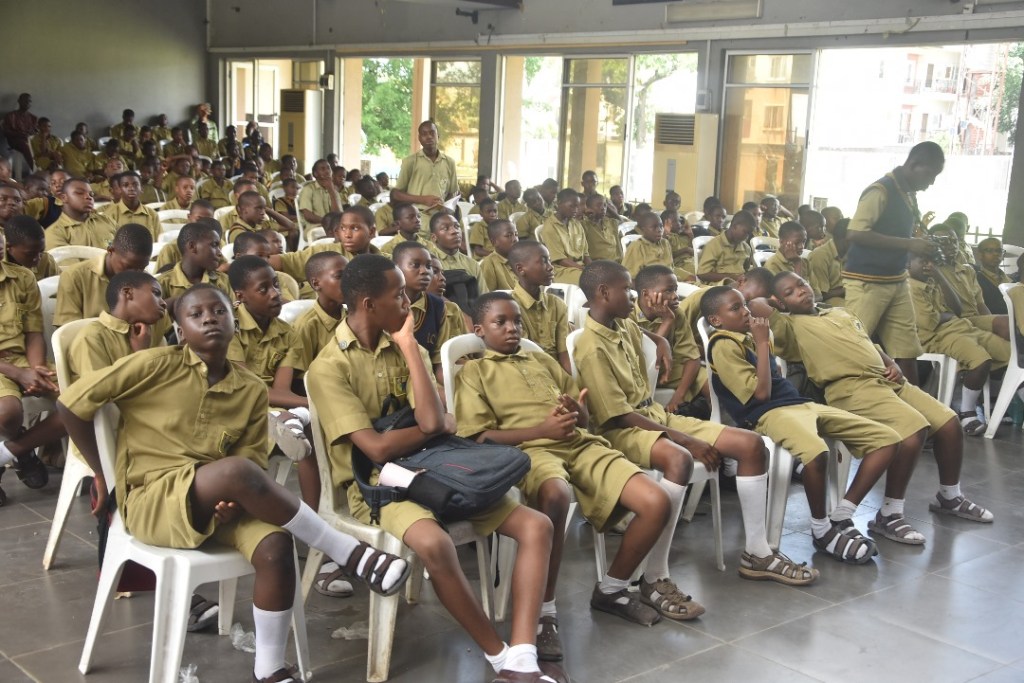
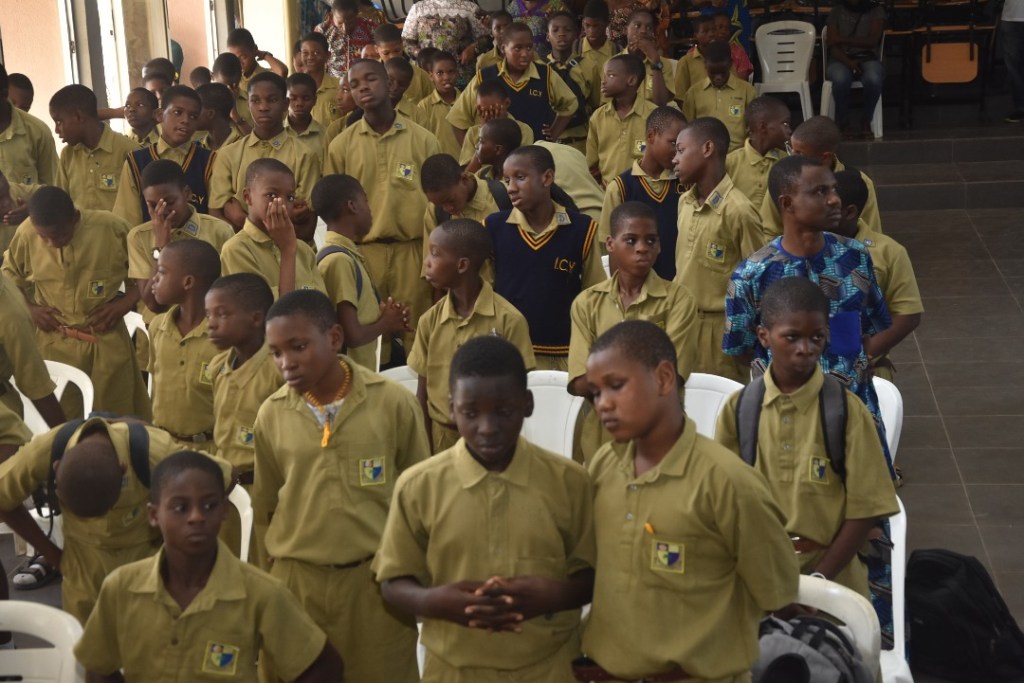
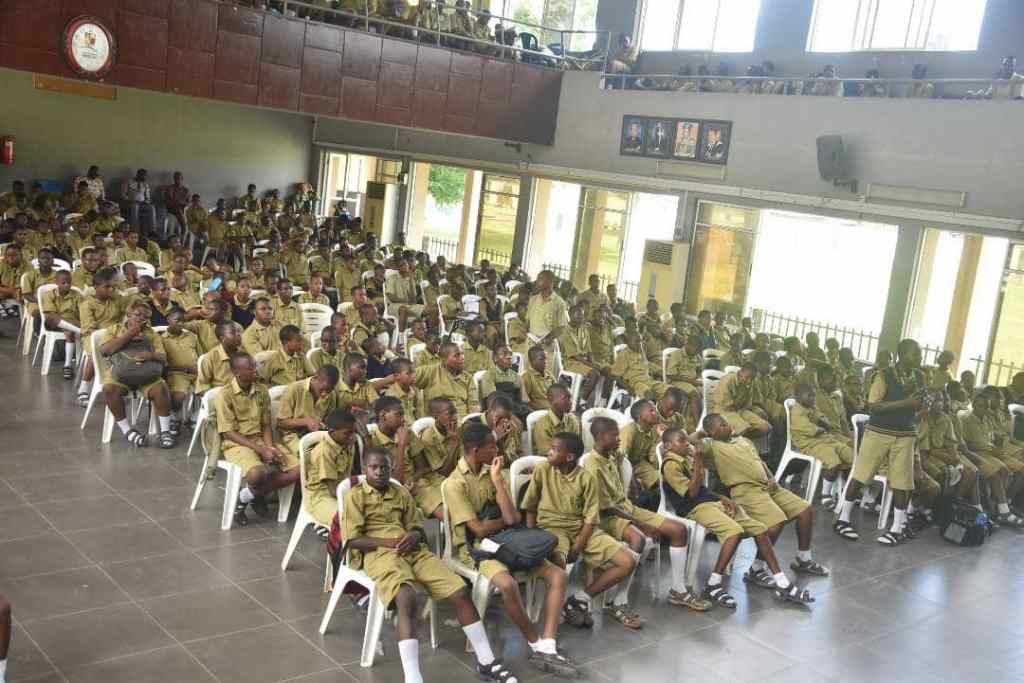
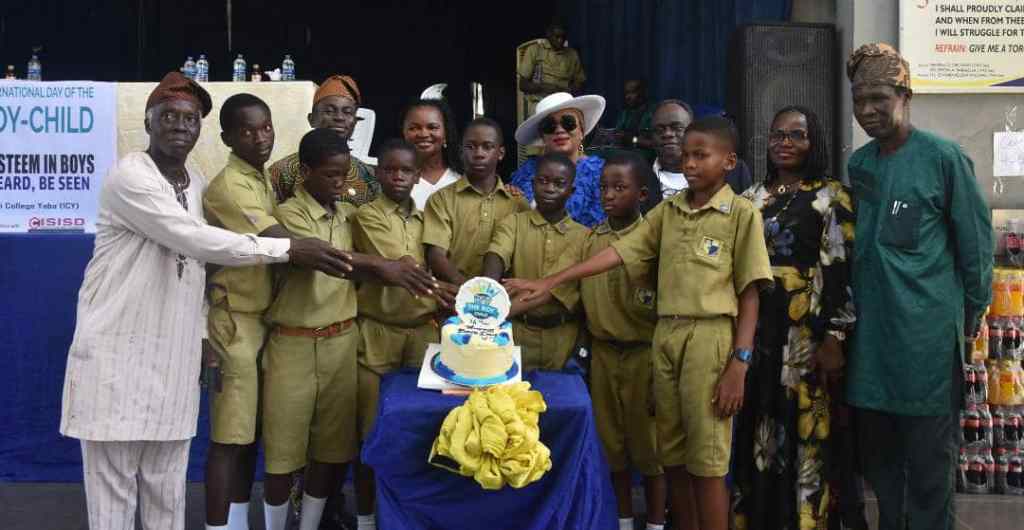
As part of activities commemorating the WDBC, Initiative for Social Impact and Sustainable Development (ISISD) joined the rest of the world to bring to the fore, issues affecting the boy child and providing solutions to some of the identified problems. ISISD in collaboration with Igbobi College Yaba Parents Teachers Association (ICY-PTA) organised capacity building programme for the students on the need to protect and enhance their self esteem.

According to Teelucksingh, the occasion gives the opportunity to put boys at the front burner and generate discussions into solving those issues for the boy child to fulfill potential in the society.

“Today, many boys are out of school serving as cheap labour at mines sites, factories as a result of poverty. In crisis situations, boys and adolescent males are used as children soldiers. Some of them suffer sexual abuse, depressed and suicidal. As a result of neglect, lack of positive male role model, many engage in social vices that are inimical to their mental, physical and psychological growth”, Teelucksingh noted.

According to the Principal, Igbobi College Yaba, Reverend Adedotun Akanbi, boys learn from what they see their fathers do at home and the same mentality is what they bring to the society.

“There is need for the boy child to learn virtues from home. The school system must also support boys educational and emotional needs. Boys must learn to respect the opposite gender. When boys learn values and leadership, I think they are ready,” he said.

In the same vein, ICY-PTA Chairman, Dr. Abiodun Makinde said character is important for the boy child to succeed in life and affect the society positively. “Children learn from home and it is what they learn from home that they bring to schools and society. Parents must strive to instil good characters in boys for them to succeed in life endeavours.’

Speaking on the theme, Educational Consultant, Mrs. Franca Okpiaifo said self esteem is a person’s self worth and the total value one places on self. She advised participants that it is important for them to know who they are which will help them in life journey.

“Self esteem defines your self confidence.
Stand up means knowing who you are. You don’t have to feel it, you know it without any doubt. When you stand up for something, you will be seen and heard,” she said.

She identified five things that would help participants to build their self esteem including “know who you are, define your purpose; have definite values; be the best version of you; do not be afraid of you (Your best version); do not allow other people, peers, social media to define you.”

In his address, Mr.Jide Sanwo, Special Adviser to Ogun State Governor on Revenue and also an alumnus of the college urged the boys to prioritise purposeful living over social vices.

He explained that boys must learn to live a purposeful life and be able to identify those better than them in a particular subject and learn from them.

“You must shun examination malpractices. When you cheat and get to the top you find it difficult to perform, you can’t stay up there if you don’t have good foundation.

“There’s nothing as good as putting your hope in God. Let’s shun social vices. Run away from cultism, drugs, cybercrime and the rest that won’t add any value to you,” he admonished.

Similarly, Evangelist Temilolu Okeowo also advised the boys to shun any immoral behaviour and make their studies a priority.

“You have no business in getting into romantic affairs in your teens. Shut your heads to those lewd lyrics, pornography. Your studies must be your priority now,” she warned.

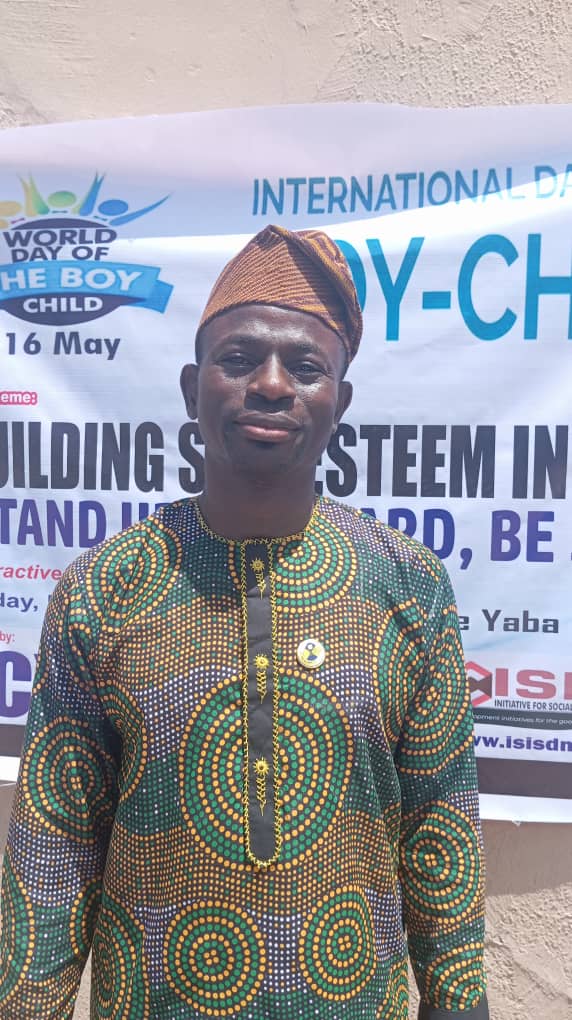
ISISD Coordinator and WDBC Ambassador, Mrs. Funmi Falobi said boys and adolescent males face a lot of challenges world over and the need to address such for better society.

“As we commemorate the 2025 World Day of the Boy Child, governments, organisations, institutions, families and communities must come together and discuss ways to make life better for the boy child. Governments must come up with policies that would protect boys and adolescent males in order to achieve potential,” she advised.

She declared that the boy child must not be left behind but policy must be inclusive to cater for his physical, mental and psychological needs for a saner and peaceful society.

Commending the programme, one of the participants, Pelumi Adegboyega, an SS2 student said they learnt the importance of self esteem. “Without self esteem it is almost impossible to go far in life. If you’re not confident in yourself you find it difficult to progress and make decision.”

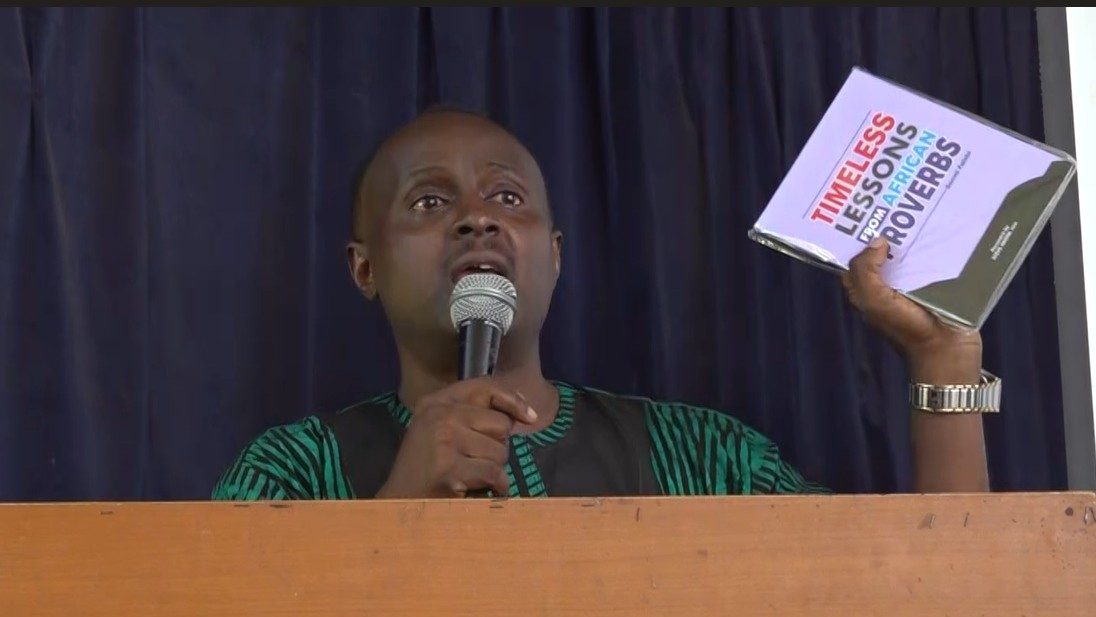
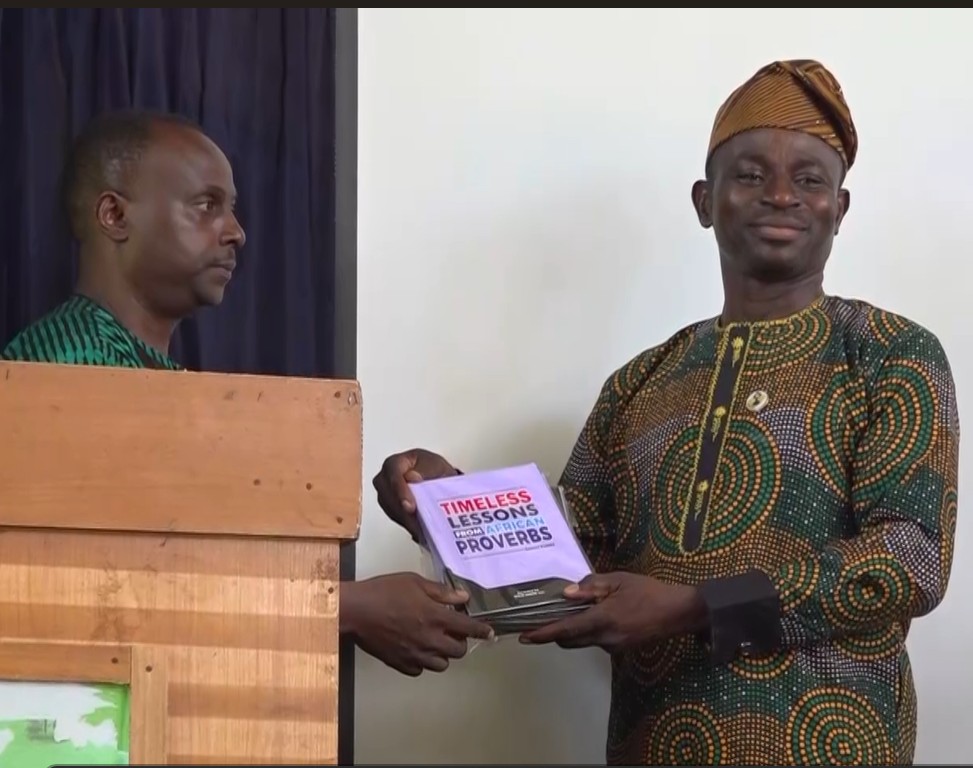
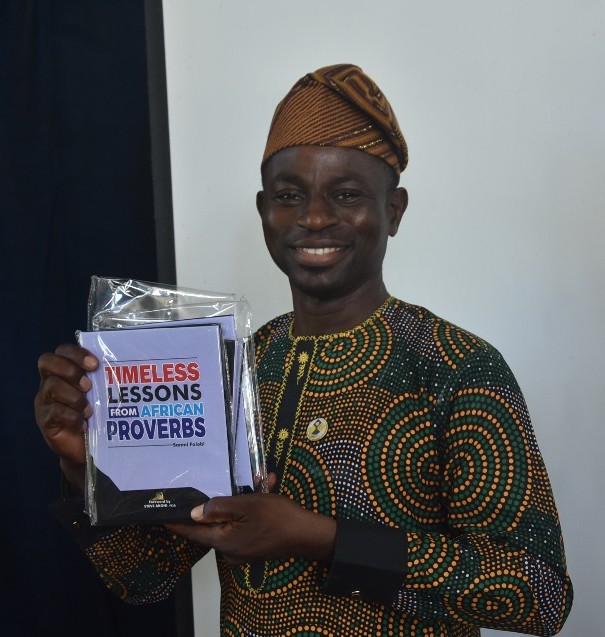
There was book presentation by Mr. Sanmi Falobi to the school. There was also film show to drive home the essence of self esteem for the boys.

WDBC (or International Boys Day) was inaugurated in 2018 by Dr. Jerome Teelucksingh a University Lecturer in Trinidad and Tobego,
and in 2025 it was observed in 36 countries. WDBC serves as a platform for individuals, organisations, and institutions to improve the manner in which we protect our boys and reclaim our heritage.  

As Prof. Amos Utuama, SAN, goes home

By Babalola Falobi (Ph.D)
Warri, Delta State

“When beggars die, there are no comets seen; The heavens themselves blaze forth the death of Princes” – Williams Shakespeare (Julius Caesar).

The former Deputy Governor of Delta State, and a distinguished Alumnus of the University of Lagos, Prof. Amos Utuama SAN, has been laid to rest in his hometown, Otu-Jeremi, near Ughelli, in Delta State, in a “blaze of glory.”

The 2-day event commenced with a Service of Songs at St. Andrew’s Catholic Church, Otu-Jeremi on Tuesday, 29th April, 2025.

Dignitaries present at that occasion included the former Governor of Delta State, Chief James Onanefe Ibori, under whom the late Prof Utuama served as Attorney General and Commissioner for Justice for 8 years (1998-2007), after which he became Deputy Governor to Dr. Emmanuel Uduaghan (2007-2015). The present Governor of Delta State, Elder. Sheriff Oborevwori, his wife, and a host of Commissioners and members of the Federal and State Legislatures were also in attendance. Senior members of the Bench and Bar, from all over the country, captains of industry, Traditional Rulers and High Chiefs, as well as several Unilag Alumni members, were also present.

The Church service was held on Wednesday, April 30, 2025 at the Warri Cathedral, after which his burial took place, privately, at his residence at Otu-Jeremi. The entertainment of dignitaries and guests took place at the Otu-Jeremi Primary School ground, at which the Speaker of Delta State House of Assembly, Hon Dennis Guwor, several Commissioners and Honourable members of the Legislature, members of the Bench and Bar, several Chiefs, as well as a full compliment of Unilag Alumni members from both the Warri and Asaba branches, were visible present.

The Immediate Past Chairman of the Warri Circle, Dr. Babalola Falobi, represented the National President (Worldwide), Engr. Ifeoluwa Oyedele, FAEng, while the new Chairman of Warri Circle, Deacon Tony Onakpoma, and the Chairman of Asaba Branch, Barr. Emmanuel Diei, and numerous Alumni members, were also present at the event. The Unilag Alumni Association was well represented and properly recognised at the event.

The late Prof. Amos Utuama died a few months ago, at the age of 77 years. May his soul rest in peace.