The Parents-Teachers Association (PTA) of Igbobi College, Yaba (ICY), will on Monday, April 6, 2026, host the maiden edition of its Students’ Mentorship, Innovation and Leadership (S.M.I.L) Programme.
The event, a zoom session scheduled for 9AM is themed “Leadership Values and Habits for Growth and Innovation: Shaping the Next Generation of ICY Boys for Greater Impact.”
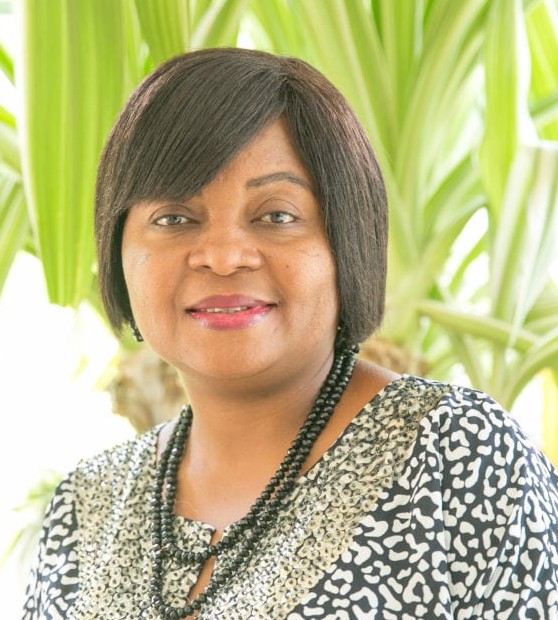
Dr. Monday Ashibogwu (FNIPR) shall give perspectives as Guest Speaker, while Mrs. Franca Okpiaifo, an adolescent and teen advisor/educationist, is Guest Contributor. The Principal of Igbobi College, Ven. Joseph Adediji, shall give goodwill remarks, among other stakeholders.
The S.M.I.L Programme, a flagship initiative of the ICY PTA, is designed to complement formal classroom learning by providing structured mentorship, leadership development, and innovation-driven engagement for ICY students.
Supported by Innate Communications as a private sector partner, the S.M.I.L initiative will be delivered through a mix of in-person, virtual, hybrid, and after-school learning formats.
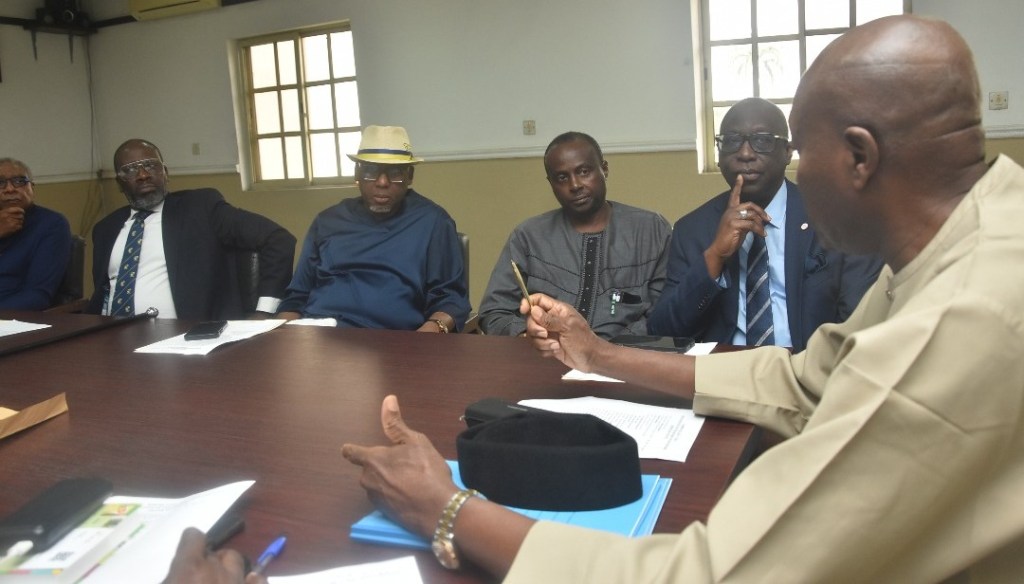
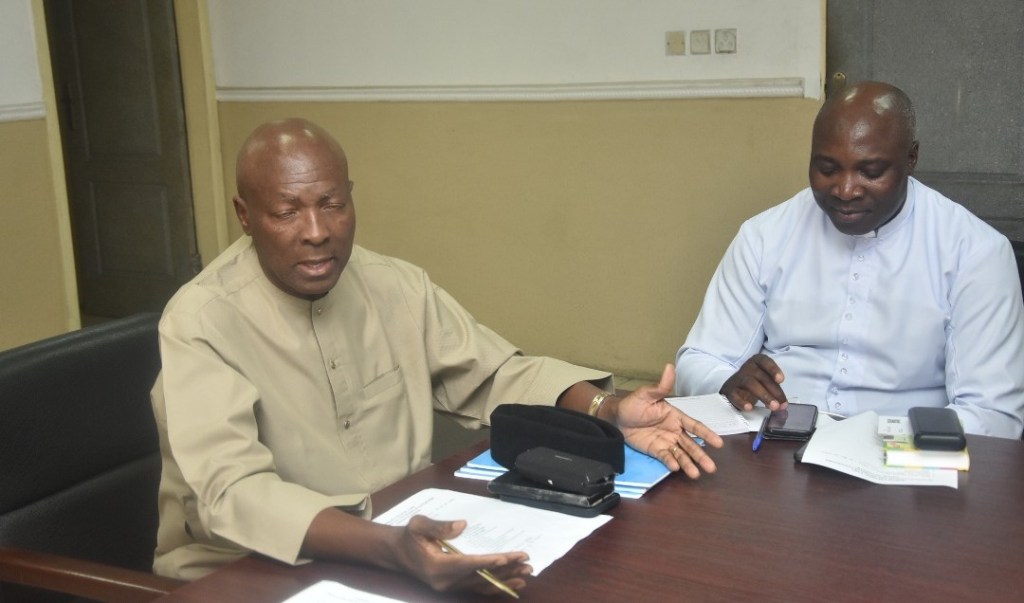
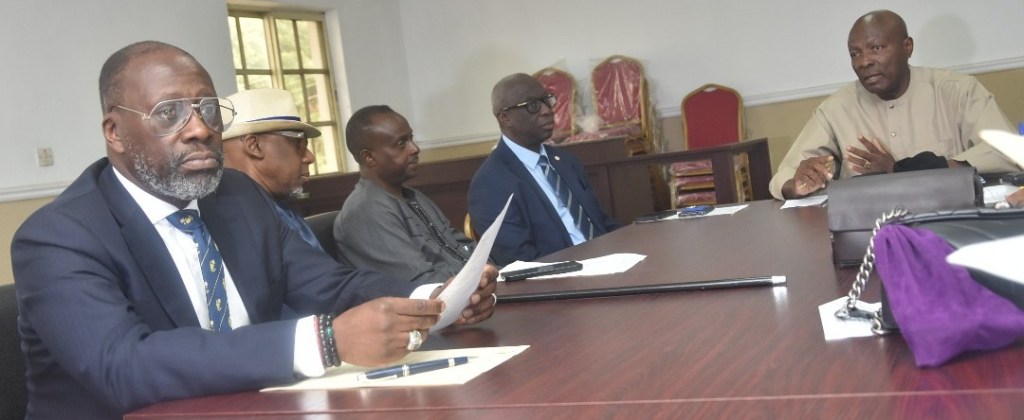
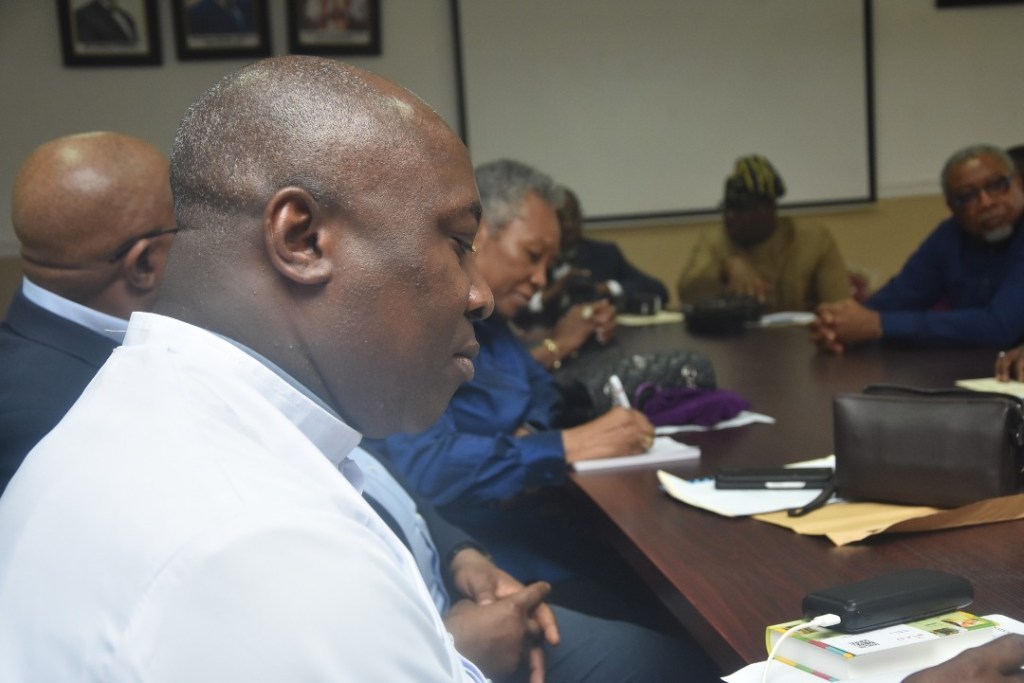
PTA Chairman and Director of the S.M.I.L Programme, Mr. Sanmi Falobi, said the initiative is aimed at helping students discover their talents, build confidence, and develop leadership capacity. He added that it will also expose them to real-world experiences while fostering creativity and strengthening their connection to the core values of Igbobi College through interactions with mentors, alumni, and role models.
The session is expected to bring together students, parents, teachers, and other stakeholders for an engaging and interactive learning experience.
Media Rights Agenda (MRA) has expressed concern over the poor allocation of funding for the implementation of the Freedom of Information (FOI) Act, 2011, in the 2026 Federal Government budget, accusing the Government of institutionalising a culture of secrecy in governance.
It said over 99 percent of public institutions have no dedicated funds to carry out their obligations under the Act.
Following a detailed review of the allocations made to public institutions in the Federal Government’s budget, MRA noted in a report released on Tuesday , March 31, 2026, that only 13 ministries, departments and agencies, representing less than one percent of all Federal public institutions, made specific budgetary provisions for the implementation of the FOI Act or related activities.
According to the organization, although the Federal Government’s total budgeted expenditure for 2026 amounts to ₦58,472,628,944,759 (over ₦58.47 trillion), the total allocation for FOI implementation and related activities is ₦191.1 million across 13 public institutions, representing a mere 0.00033 percent of the national budget.
MRA’s Deputy Executive Director, Mr. Ayode Longe, said in a statement issued in Lagos: “The FOI Act imposes clear obligations on public institutions, including the proactive publication of information, proper maintenance of records, training of personnel, designation of FOI Desk Officers, submission of annual implementation reports to the Attorney-General of the Federation, and responding to requests for information from members of the public, among others. Effective compliance with these obligations requires dedicated financial resources. Without adequate funding, these responsibilities cannot be meaningfully discharged.”
Arguing that the failure to allocate funding for the implementation of the FOI Act is not merely an administrative oversight but a calculated effort to starve public institutions of resources for enforcement and compliance with the Law and foist a “reign of opacity” on Nigerians, Mr. Longe criticized the persistent neglect, noting that it reflects a troubling lack of commitment by the Government to transparency, accountability, and the fundamental right of access to information guaranteed by the Act.
Titled “A Vote Against Transparency: A Report on Allocations for Freedom of Information Implementation in 2026 Federal Budget”, the report also contains “Guidelines for Public Institutions in Budgeting for Freedom of Information Implementation Activities” and an accompanying “Budget Template”, both developed by MRA, to guide and assist public institutions in budgeting for the implementation of the FOI Act or related activities.
The report indicates that only 13 out of over 1,300 public institutions made any mention of the FOI Act in their budget lines, meaning that over 99 percent of Federal ministries, departments and agencies have no plan and no funds to train FOI Desk officers, digitize their records, meet their proactive publications obligations, prepare and submit their statutory annual implementation reports to the Attorney-General of the Federation, or respond to requests for information, as required by law, among other obligations.
MRA expressed disappointment over the failure of the Office of the Attorney-General of the Federation to make any budgetary allocation to enable it fulfill its obligations as a public institution or its regulatory functions, being the primary oversight body mandated by Section 29 of the Act to monitor compliance and ensure that all public institutions comply with the provisions of the Act.
MRA therefore called on the National Assembly to henceforth refuse to pass the budgets of public institutions, starting with the Federal Ministry of Justice, unless they have included specific line items for the implementation of the FOI Act.
It urged the Attorney-General of the Federation to liaise with the Office of the Head of the Civil Service of the Federation and the Budget Office of the Federation to issue a clear directive to all public institutions to include dedicated and adequate budget lines for FOI Act implementation in their annual budgets and that a minimum percentage of the overhead budget of every public institution should be dedicated to information management and FOI Act compliance.
The organisation canvassed the establishment of a dedicated “FOI Act Oversight Fund” within the Federal Ministry of Justice to enable the AGF to fulfill the oversight functions of his office, including The statutory duties of collating annual reports and ensuring that all other public institutions to which the Act applies comply with its provisions.
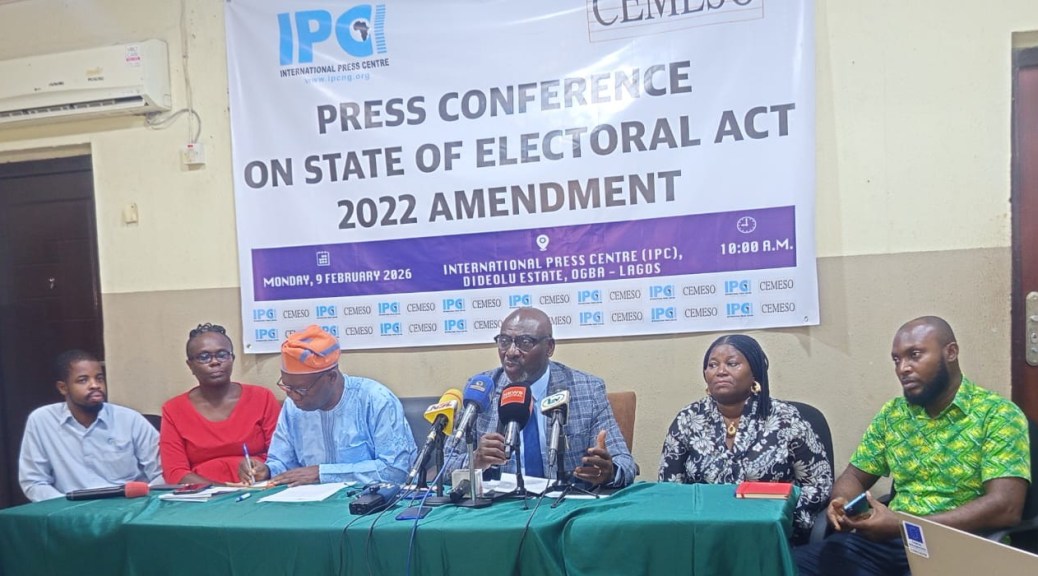
Civil Society Organisations (CSOs) have issued a clarion call to the National Assembly, urging the lawmakers to harmonise the Electoral Bill and validate real-time electronic transmission of election results ahead of the 2027 general elections.
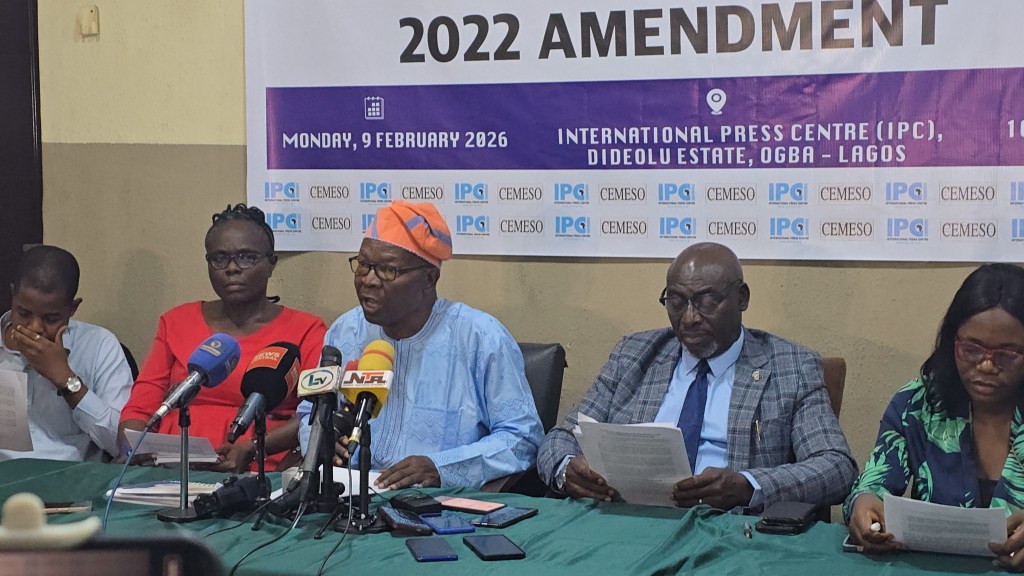
This call was echoed at a Press Conference in Lagos where two frontline CSO leaders, Mr. Lanre Arogundade of the International Press Centre (IPC) and Dr. Akin Akingbulu of the Centre for Media and Society (CEMESO), expressed deep concern over the Senate’s rejection of electronic result transmission, the exclusion of downloadable missing and unissued voter cards, and the shortening of critical electoral deadlines.
The duo, who are part of a CSO coalition—including The Kukah Centre, ElectHer, Nigerian Women Trust Fund, TAF Africa, Yiaga Africa, Spaces 4 Change, CAPPA, and WARDC—also called for a technology-neutral approach to electronic result transmission.
According to Dr. Akingbulu, the divergence between the Senate and the House of Representatives on the amendments could have profound implications for the integrity of the 2027 general elections.
“The divergence between the Senate and the House of Representatives on these amendments has significant implications for the credibility of the 2027 elections. Electoral reform is not merely a procedural exercise; it is fundamental to ensuring transparency, predictability, and the legitimacy of democratic transitions.
“The protracted amendment process has created legal uncertainty, delaying INEC’s constitutionally mandated electoral preparations and potentially undermining its ability to conduct credible elections. Since the Senate vote, public discourse has been saturated with conflicting narratives regarding its precise position,” he said.
He emphasised that delays in concluding the electoral amendment could compromise preparations for the 2027 elections.
“The ongoing legal uncertainty appears to have deterred INEC from releasing the timetable for the 2027 elections, potentially placing the Commission in breach of the extant law. The 2022 Electoral Act remains in force until amended.
We urge INEC to issue the election timetable and schedule for the 2027 general election in accordance with the 2022 Electoral Act without further delay. This would fulfil statutory obligations, protect the Commission from legal challenge, provide political parties, candidates, and civil society with certainty for systematic preparations, and establish baseline timelines that any subsequent amendments could adjust through transitional provisions if necessary. Indefinite postponement pending legislative resolution only compounds administrative challenges and legal vulnerabilities,” he said.
As the Senate prepares an emergency plenary session on Tuesday, 10 February 2026, the coalition called on it to seize the opportunity to adopt clear, unambiguous provisions. These should mandate real-time electronic transmission and collation of results, allow for downloadable missing and unissued voter cards, and retain timelines for election notice, submission of candidate lists, and publication of nominated candidates.
Adding further perspectives on the issue, Mr. Arogundade noted thus:
“Designated election officials should transmit all results in real time from polling units and collation centres to a public portal. These results should verify any other figures before final collation. The House of Representatives’ position on downloadable voter cards should also be adopted. During the 2023 elections, over 6.2 million registered voters were effectively disenfranchised because they did not collect their PVCs. Downloadable PVCs eliminate this barrier and open the door to fuller participation”, he said.
“Electoral timelines must be retained: 360 days for election notice, 180 days for submission of candidate lists, and 150 days for publication of nominations. Shortening these timelines increases risks, constrains ballot production and distribution, and heightens the likelihood of operational failure”, he added.
The coalition also recommended broadening eligibility to report electoral results to include political parties, candidates, accredited party agents, and observers, creating a multi-stakeholder accountability framework that strengthens the credibility of the process.
Finally, the CSOs called on the National Assembly to conclude the amendment process and transmit the final bill to the President within two weeks, urging citizens to hold legislators accountable. They stressed that public interest and electoral integrity must take precedence—through real-time electronic transmission, downloadable PVCs, and protection of timelines essential to credible elections.
“The eyes of the nation are on the National Assembly. Every delay, every compromise, could affect the very foundation of our democracy. We cannot afford to gamble with the 2027 elections,” the coalition warned.
The bells of history rang once again at Igbobi College, Yaba, as the revered institution—founded in 1932 by the Anglican Communion and the Methodist Mission in Nigeria—formally ushered in a new 16-member Board of Governors, reaffirming its enduring legacy while boldly embracing the future.
Against the backdrop of nearly a century of academic excellence and character formation, Sir Babatunde Emmanuel Sobamowo(73/75 Set)—a distinguished Old Boy and seasoned professional—was inaugurated as Chairman of the Board, a symbolical transfer of stewardship of the College into the hands of one of its own, to another.
Sir Sobamowo takes over from another eminent alumnus, Mr. Foluso Olajide Phillips(68/70 Set), whose years of devoted service have now culminated in his elevation to the Supervisory Board of the College—a transition marked by continuity, honour, and deep institutional memory.
An alumnus of Aggrey House, Sir Sobamowo’s journey with Igbobi College began in 1969. His years as a student were marked by academic excellence and sporting distinction, notably as a member of the Aggrey House relay quartet at both junior and senior levels. He graduated in June 1975 with outstanding results, including the best performance in Higher School Certificate (HSC) Geography—a testament to a lifelong pattern of excellence.
Beyond Igbobi’s gates, Sir Sobamowo’s professional trajectory has been equally impressive. He holds a Bachelor of Science (Honours) degree in Economics from the University of Lagos and is a Fellow of the Institute of Chartered Accountants of Nigeria (ICAN), an Associate of the Chartered Institute of Taxation of Nigeria (CITN), and a Fellow of the Chartered Institute of Stockbrokers (CIS). He currently serves as Managing Director/Chief Executive Officer of Global Asset Management Nigeria Limited, a licensed dealing member of the Nigerian Exchange Limited (NGX).
The newly inaugurated Board reflects a rich blend of experience, faith-based heritage, alumni commitment, and stakeholder representation.
Representing the Methodist Mission alongside the Chairman are: Mr. Jide Coker (OI); Lady Folasade Ogunnaike; Sir Ladi Smith (OI); Sir Kayode Adeluola, SAN (OI); and the Very Rev. Patrick Bamidele.
The Anglican Communion is represented by: Mrs. Morin Desalu (Deputy Chairman); Dr. Ebun Bangboye (OI); Dr. Damola DaCosta (OI); Barr. Seni Adio, SAN (OI); Lady Chikwue Ochiagha; and Mr. Dele Awokoya (OI).
Igbobi College Old Boys’ Association (ICOBA) is represented by: Mr. Yomi Badejo-Okusanya and Mr. Femi Soremekun.
Also on the Board is the PTA Chairman, Mr. Oluwasanmi Falobi, underscoring the College’s commitment to inclusive governance, while ICY’s new Principal, Ven. Joseph Adediji, serves as Secretary to the Board, ensuring continuity between policy and practice.
The inauguration ceremony was formally conducted by the Bishop of the Anglican Communion, Lagos West Diocese, The Rt. Revd. Dr. James Olusola Odedeji, whose presence reaffirmed the spiritual foundations upon which Igbobi College was built and continues to stand.
Mandated to serve a five-year term, the new Board has already commenced its duties, carrying the weight of legacy and the promise of the future. As Igbobi College advances toward its next century, the inauguration of this Board stands as a powerful reminder that while generations may change, the College’s commitment to excellence, character, and service remains timeless.
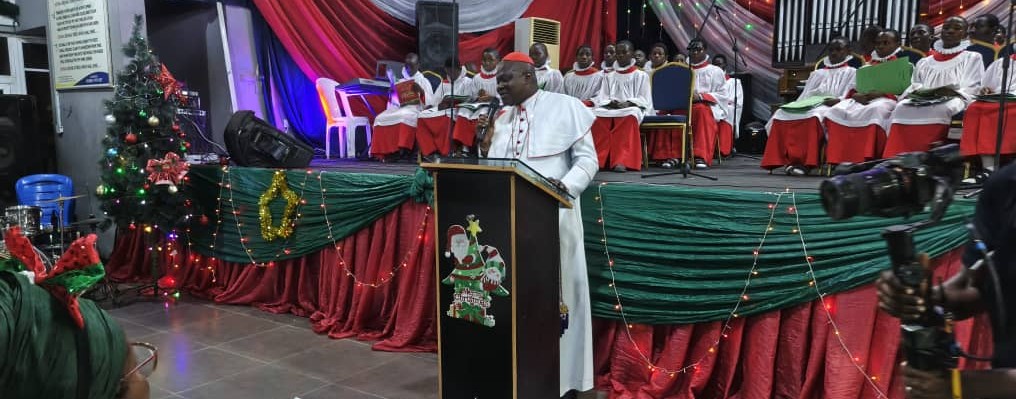
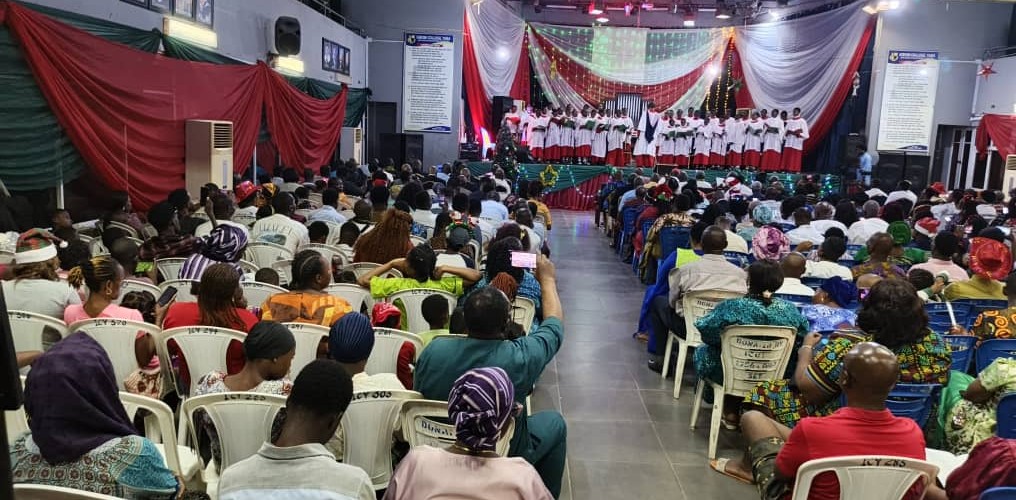
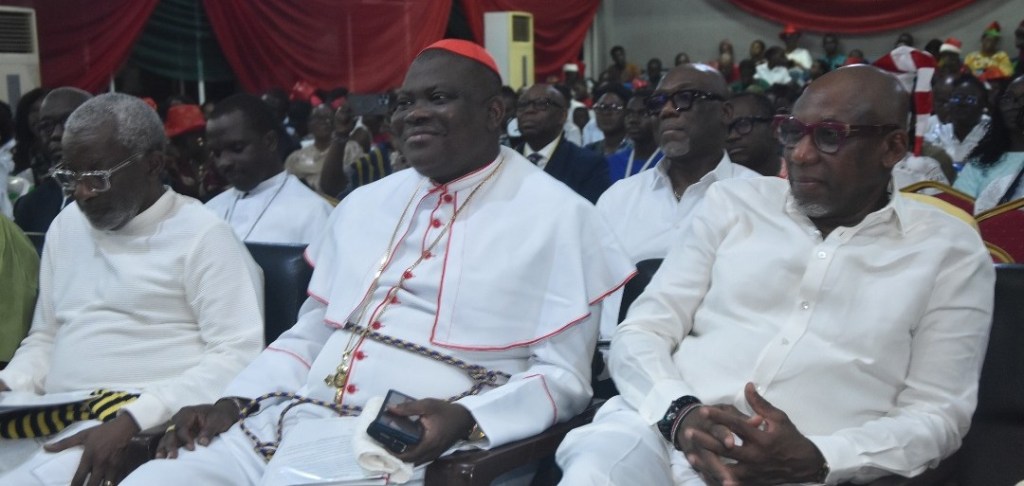
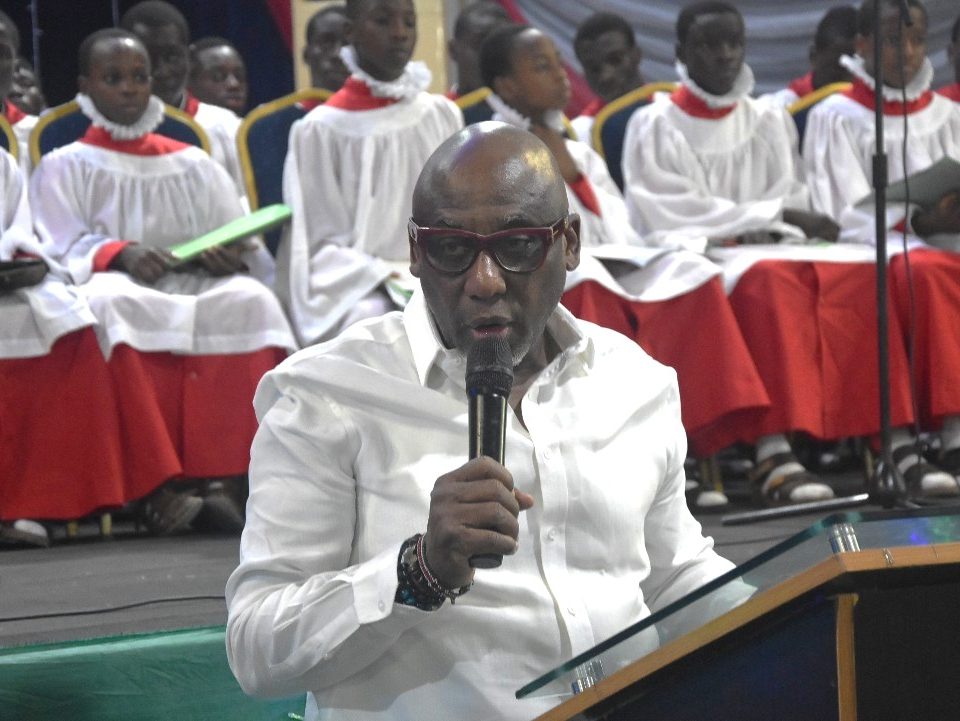
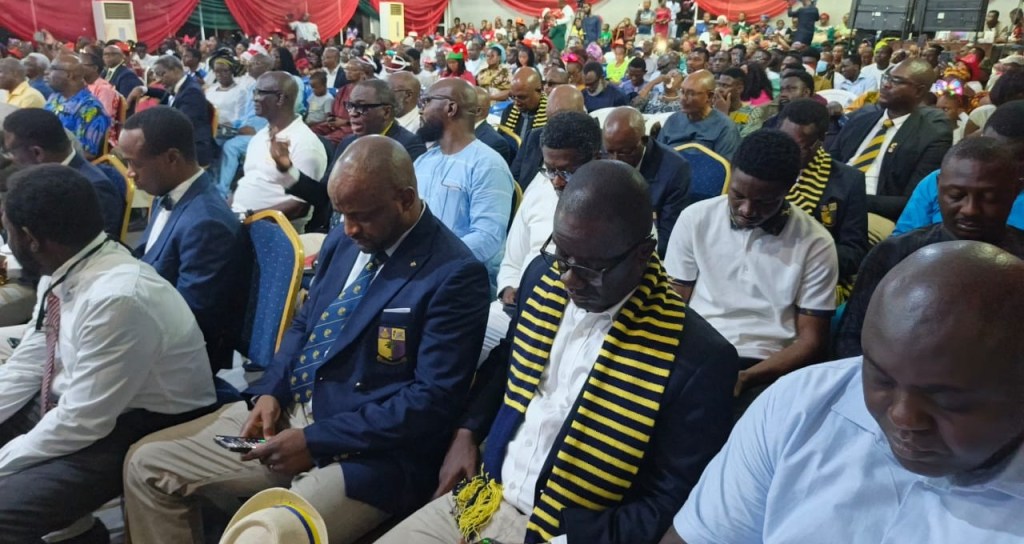
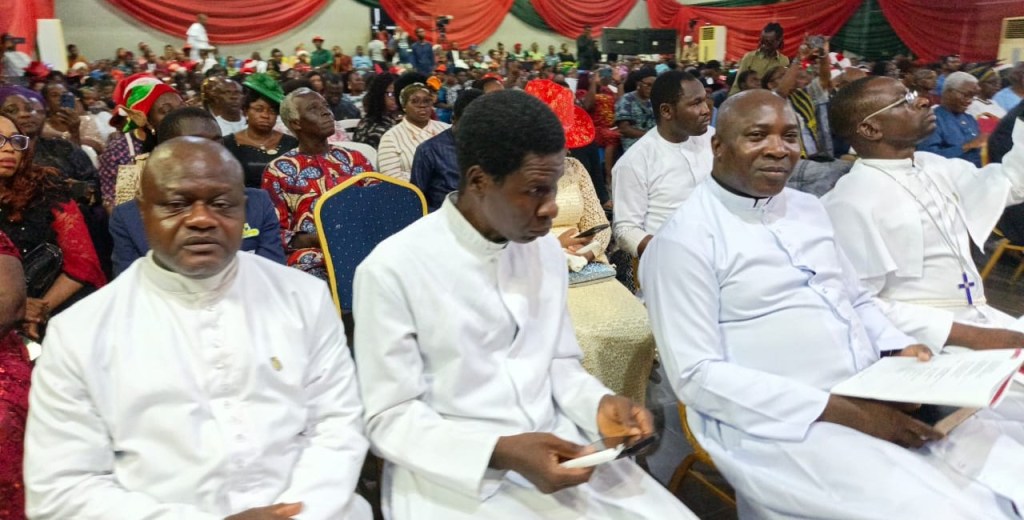
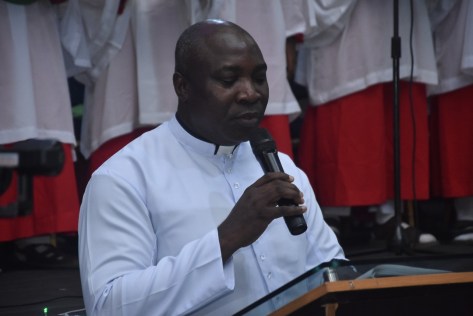
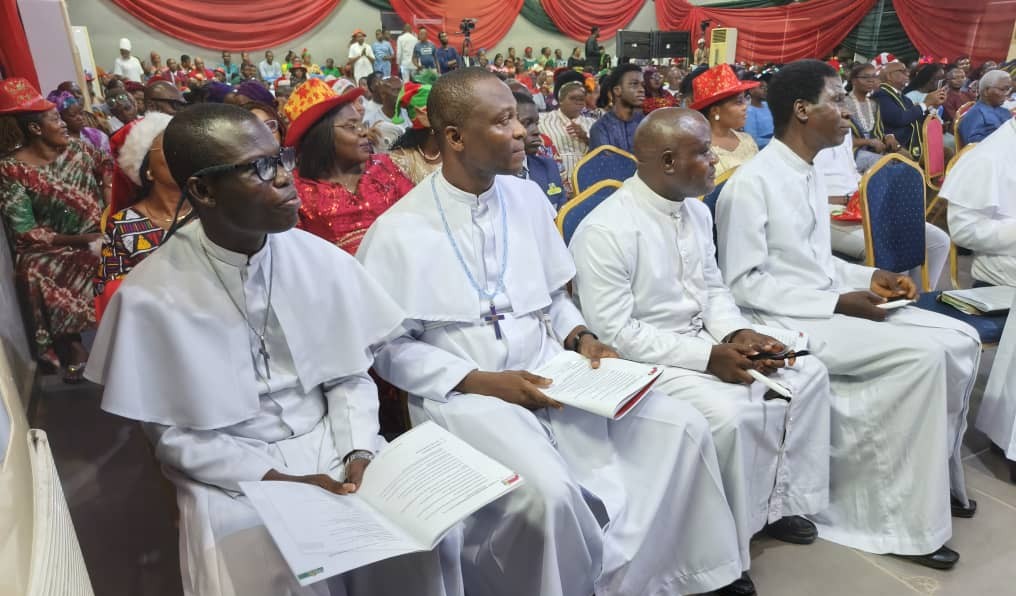
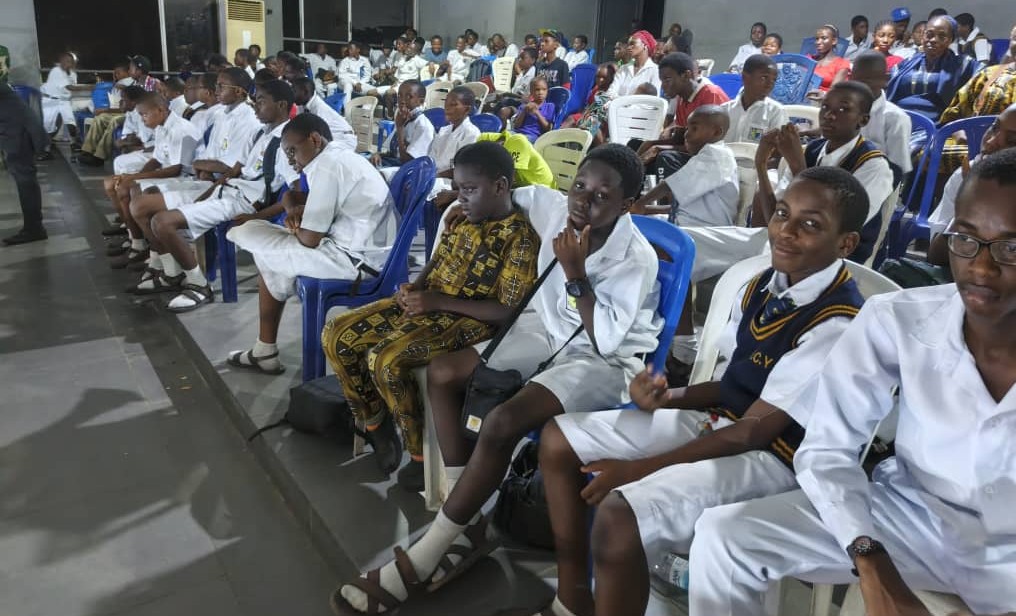
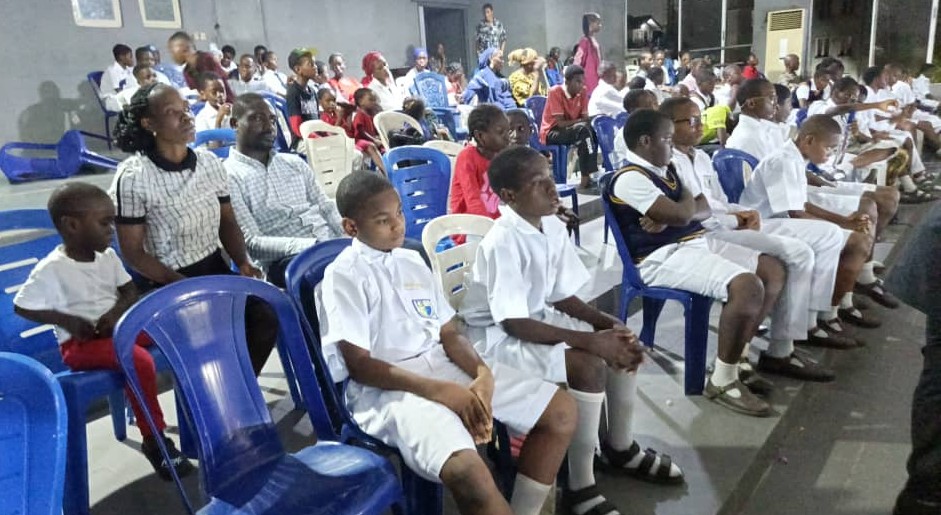
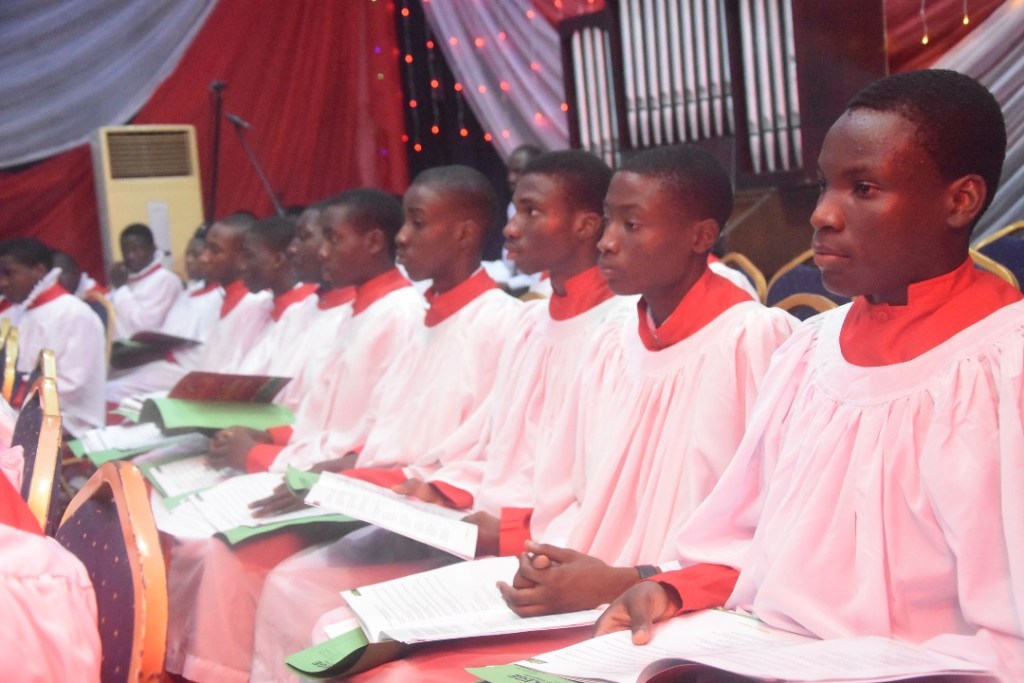
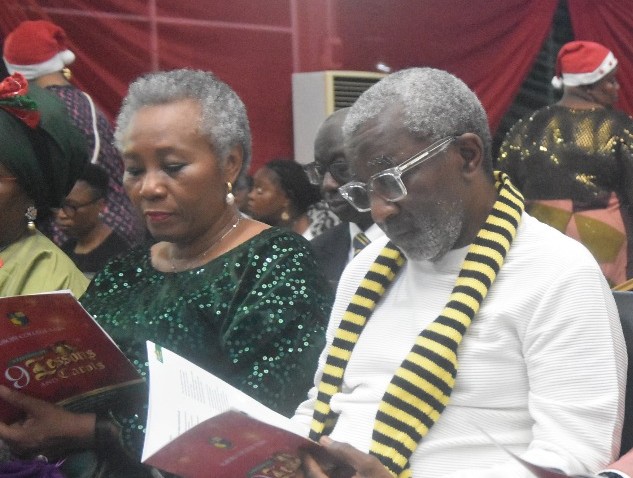
The Rev. Allen Angus Memorial Hall, Igbobi College, Yaba (ICY), resonated with the warmth and spirit of tradition on Sunday, December 14, 2025, as the school hosted its annual Festival of Nine Lessons and Carols. The event, a cherished hallmark of ICY’s heritage, once again showcased the discipline, talent, and devotion of the ICY all boys Choir, whose timeless harmonies filled the auditorium and lifted the hearts of all in attendance. The event, renowned for its depth, dignity and musical excellence, lived up to its reputation as a true masterpiece of sacred songs, while also marking a significant moment of transition in the life of the school.
From the opening procession to the final benediction, the ICY Choir delivered a moving and sonorous performance that held the audience spellbound. The blend of traditional carols and scriptural readings not only evoked the essence of the Christmas season but also reflected the discipline, heritage and spiritual foundation for which Igbobi College is widely known.
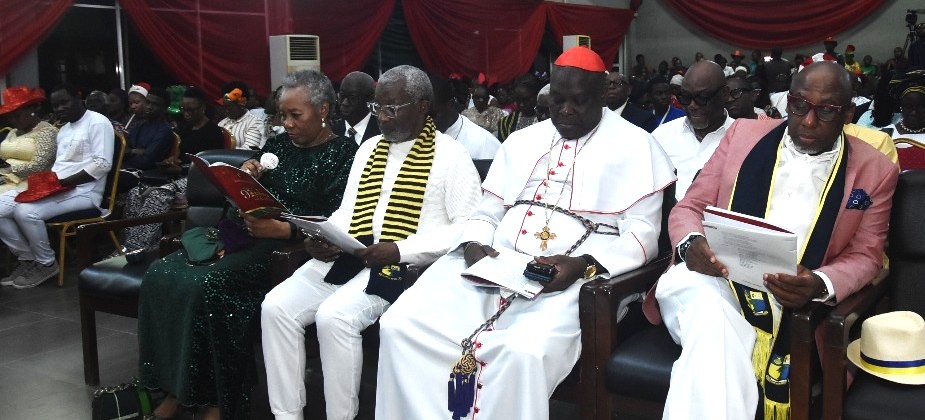
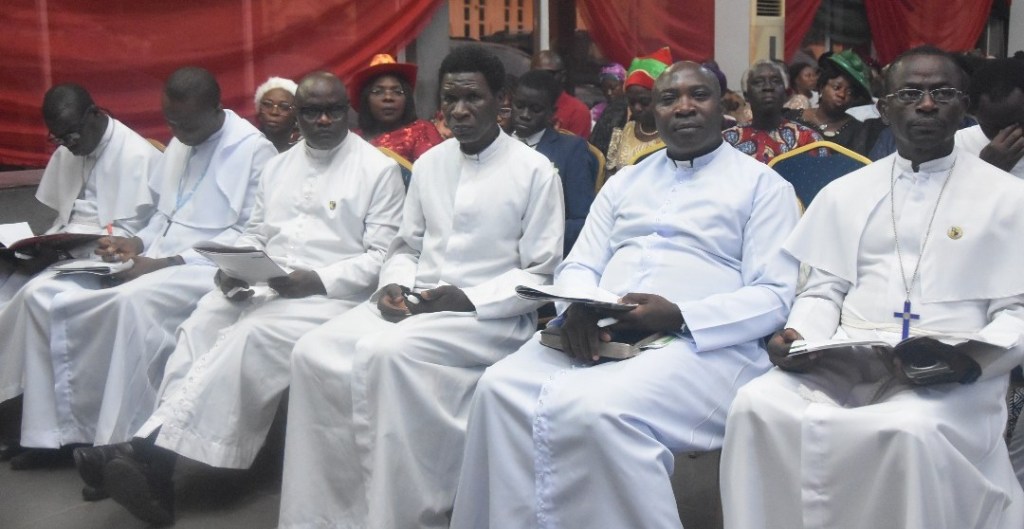
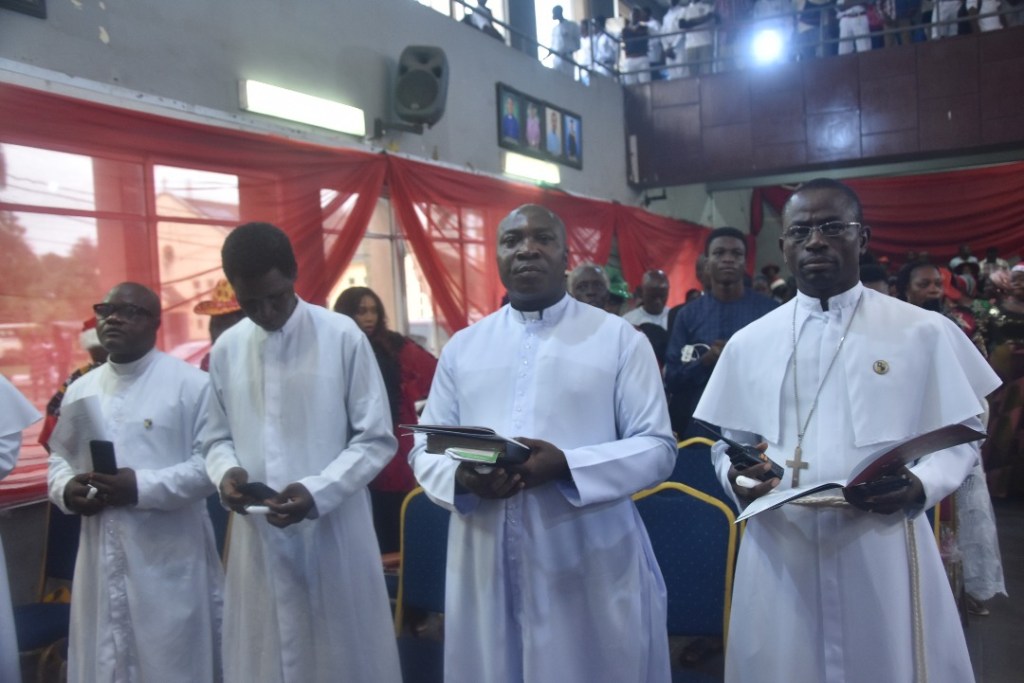
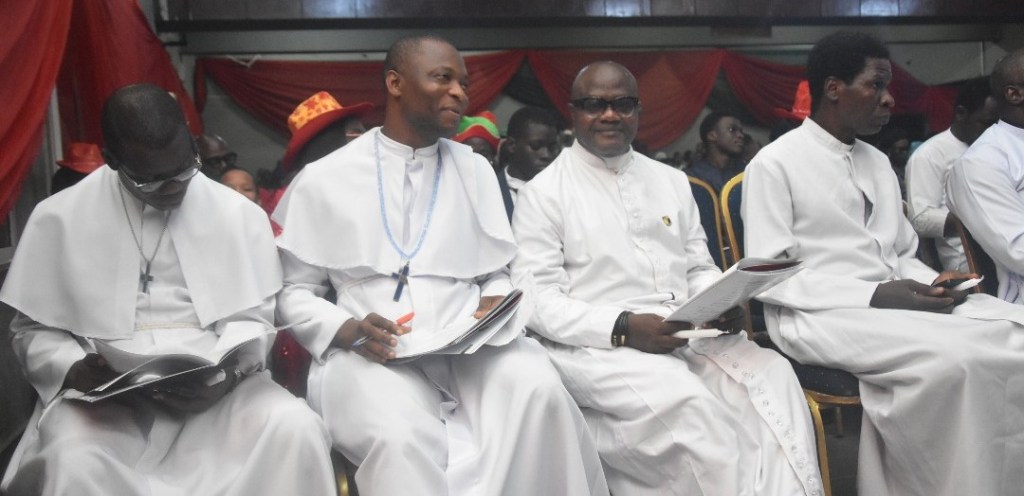
The Carol Service, organised by the 1973–1977/79 and 1997 sets of the Igbobi College Old Boys’ Association (ICOBA), attracted a distinguished audience that included representatives of the Anglican and Methodist supervising missions, members of the ICY Board of Governors (BOG), ICOBA members from across generations, school management and staff, parents, students and friends of the College.
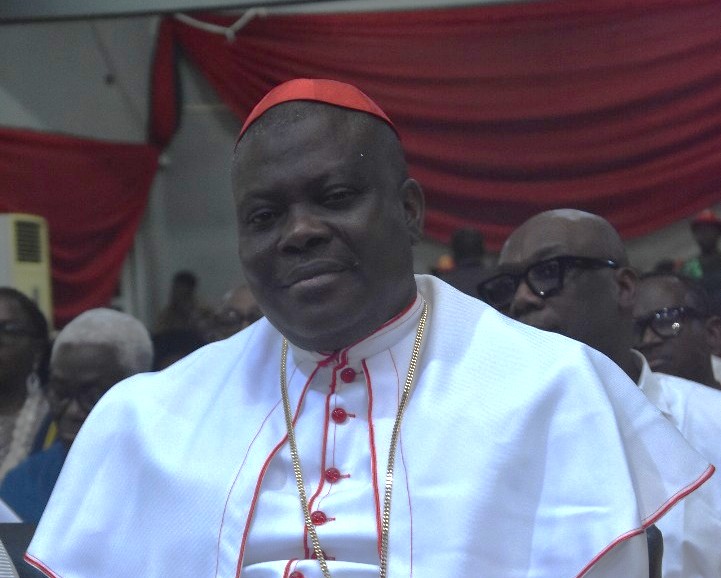
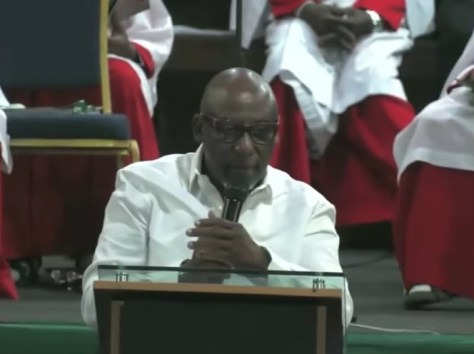
Adding to the significance of the occasion was the esteemed presence of Rt. Rev. S. T. V. Adegbite, Bishop of the Ikeja Diocese of the Methodist Church Nigeria, and current Chaplain of Aso Rock, whose presence lent further spiritual depth and institutional gravitas to the celebration. His attendance, alongside that of the ICOBA President, Mr. Yomi Badejo-Okusanya, Mrs.Morin Desalu – Deputy Chairman (BOG), Mr. Foluso Phillips, immediate past BOG Chair who has been elevated to serve on the Supervisory Board of the College and other members of the Board of Governors, underscored the strong alignment between the College’s leadership, alumni body and faith-based foundations.
Mr. Yomi Badejo-OkusanyaRt. Rev. S. T. V. Adegbite
In short statement while appreciating all that graced the occasion, Bishop Adegbite harped on the need to have hope, noting that that peace will prevail in Nigeria.
“The message I bring is the message of hope, the message of peace that Nigeria will not disintegrate. Nigeria will remain one, so fear not because God is with us. Emmanuel is with us. He will guide us. ……God will see us through, and we shall enter 2026 with His grace….”, he said, among others.
Meanwhile, beyond the music, the 2025 Carol Service provided an opportunity to celebrate institutional continuity and renewal. A major highlight of the occasion was the formal recognition of Revd. Kolade Philips Ilori as the new Chaplain of the ICY Chapel, alongside the announcement of Venerable Joseph Oyewale Adediji as the new Principal of Igbobi College. He takes over from Revd Adedotun Akanbi who had successfully completed the maximum five years tenure as ICY Principal. Ven. Adediji brings with him, several years of experience in the education sector, including proximate experience of serving as Principal of Anglican Comprehensive High School, Ipaja, Lagos.
The success of the ICY Festival of Nine Lessons and Carols once again highlighted the enduring leadership and artistic direction of Mr. Tunji Ogunnoiki, under whose coordination the Carol Service has remained a masterpiece over the years. His attention to detail, musical discipline and deep understanding of the ICY choral tradition continue to sustain the event’s high standards and spiritual impact.
Ven. AdedijiRevd. Ilori
The peak of the event was the candlelight session, when all felicitated and danced while the ICY choir sang historic Christmas songs amidst celebration—re-enacting the living testament to ICY’s legacy, faith, and community spirit.
Mrs. Morin Desalu & Mr. Foluso Phillips
Indeed, the ICY festival of Nine Lessons and Carols continues to be a masterpiece, a ritual of song and devotion that binds generations together, reminding all that while leadership may change, the melody of excellence and tradition endures.
>>>> Story @Sanmi Falobi; supporting pix @ Emmanuel Ekundayo <<<<
CEE-HOPE Hails Senate for Passing Bill on Domestic Workers’ Rights, Urges Speedy Passage by House of Reps
The Centre for Children’s Health Education, Orientation and Protection (CEE-HOPE) has commended the Senate of the Federal Republic of Nigeria for passing the Informal Sector Employment (Regulation) Bill, 2025 (SB.629), which seeks to protect the rights of domestic workers and other informal sector employees. The Bill was passed on the floor of the Senate on November 12.
Speaking on the development, Betty Abah, Executive Director of CEE-HOPE, described the move as “a long-overdue step toward justice, dignity, and recognition for millions of hardworking Nigerians, most of them women and girls, whose labour sustains households across the country but whose rights have remained unprotected for decades.”
According to the International Labour Organization (ILO), there are about 75 million domestic workers globally, with over 80% being women. In Africa alone, there are at least 10 million domestic workers, while Nigeria is estimated to have between 3 and 5 million, forming a significant portion of the informal workforce. Yet, the majority operate without written contracts, fair wages, or social protection, leaving them vulnerable to exploitation, abuse, and modern slavery.
Alarmingly, the ILO further estimates that 17.2 million children worldwide are engaged in domestic work — more than half under the age of 14 — with girls making up nearly 67 % of that number.
In Nigeria, several hundred thousand children, mostly girls from poor backgrounds, are believed to be engaged in domestic labour, often exposed to abuse, trafficking, and denied education and childhood.
Abah noted that beyond legislation, the protection of domestic workers requires “strong unionisation, collective bargaining, and public awareness.” She stressed that the new Bill offers an opportunity to formally recognise domestic work as decent work, aligning Nigeria with the ILO Domestic Workers Convention (C 189), which calls for fair treatment, decent working conditions, and the right to organise.
“CEE-HOPE is committed to supporting the formation and strengthening of a national union for domestic workers,” Abah added. “We believe that only through collective organisation can domestic workers effectively demand fair wages, safe workplaces, and respect for their humanity.”
CEE-HOPE called on the House of Representatives to expedite passage of its companion legislation, the Domestic Workers (Employment and Protection) Bill, 2025 (HB.1765), and urged President Bola Ahmed Tinubu to give prompt assent to make it law. The organisation also appealed to state governments, civil society, and international partners to begin preparing for robust implementation once enacted.
Since 2020, CEE-HOPE which works with at-risk young people and marginalised populations, has campaigned for Nigerian domestic workers’ rights through wide-ranging initiatives including awareness creation through multileveled media platforms, engagement of multi-sectoral stakeholders (activists, unionists, media representatives, community leaders, domestic workers, employers and others) including law makers.
“This is a defining moment for Nigeria’s labour and human-rights landscape,” Abah declared. “By protecting domestic workers, we protect the dignity of our nation.”
The National President of the Association of Communication Scholars and Professionals of Nigeria (ACSPN), Professor Rotimi Olatunji, has reaffirmed the Association’s commitment to advancing Nigeria’s communication and media landscape through stronger collaboration among academia, industry, and government.
Speaking at the 2025 International Conference of Caleb University, themed “Smart Collaboration: Industry–Academic Partnership for Innovation, Technological and Industrial Advancement,” Olatunji emphasised that effective partnerships are key to building a knowledge-driven and innovation-oriented society.
Delivering a lecture titled “Enhancing Capacity Building in Communication and Media through Academic–Industry–Government Partnerships in Nigeria: A Triple Helix Approach,” the ACSPN President said Nigeria’s communication sector must embrace synergy to unlock its full potential.
“True innovation in media is not just about novelty but about creating value and impact through transformation,” he said.
Triple Helix Model as a Framework for Change
Drawing on the Triple Helix Model—which integrates universities, industries, and government agencies within a shared innovation ecosystem—Olatunji noted that such collaborations promote curriculum co-design, joint research, and experiential learning. He called for a shift from conventional classroom teaching to practical engagement, policy-oriented research, and technology-enabled storytelling. He urged the Federal Government to strengthen institutional frameworks for university–industry partnerships, while encouraging the private sector to invest in academic research and innovation.
Meanwhile, a statement issued by Dr Solomon Oyeleye, ACSPN’s General Secretary, further underscored Olatunji’s appeal for a more structured and sustainable approach to capacity building in communication and media education.
Highlighting ACSPN’s ongoing initiatives, Olatunji cited collaborations with the Centre for Journalism Innovation and Development (CJID), Dataphyte, the Ford Foundation, UNICEF, UNESCO, and the MacArthur Foundation. These partnerships, he said, have produced joint research projects, digital media training, innovation incubation programmes, and fellowships across Nigerian universities.
“Between November 2024 and now, ACSPN and CJID have trained nearly 100 scholars and professionals in mainstreaming AI into communication and media practice in Nigeria,” Olatunji revealed, describing the project as “a continuous one.”
It should be noted taht that since its inception, ACSPN has championed excellence in communication research and professional practice through initiatives such as the Empowerment Series, Eminent Persons’ Strategy Series, Value-Added Conferences, and Mentorship Programmes. These, Olatunji noted, have enhanced research productivity, professional competence, and youth engagement across the sector.
Pioneering Curriculum Reform
Olatunji also traced ACSPN’s pivotal role in the unbundling of the B.Sc. Mass Communication programme into eight distinct degree programmes—a landmark reform in Nigerian higher education.
According to him, the Association initiated the review process with support from UNICEF, organising the first stakeholder meeting at the University of Lagos with participants from the Nigerian Press Council, Nigerian Broadcasting Commission, Advertising Practitioners Council of Nigeria (APCON), and the Nigerian Institute of Public Relations (NIPR), among others.
Further progress, he recalled, was achieved through MacArthur Foundation grants managed by Professor Umaru Pate, which facilitated nationwide consultations culminating in the National Universities Commission’s adoption of the new communication degree structure.
Championing Media Literacy and Research
Through its partnerships with UNESCO and other development partners, ACSPN has also produced notable resources such as the UNESCO-supported brochure on combating fake news and promoting media and information literacy. These efforts, Olatunji said, highlight the Association’s leadership in evidence-based research, policy advocacy, and innovation in media and communication across Africa.
Despite these achievements, he acknowledged persistent challenges, including inadequate funding, weak research infrastructure, limited access to emerging technologies, and a continuing gap between academic output and industry needs.
Call for Policy Reforms and Technological Integration
In his concluding remarks, Olatunji called for robust policy reforms to position communication and media as strategic pillars of Nigeria’s national development. He also urged communication scholars and professionals to embrace continuous learning and to leverage emerging technologies such as artificial intelligence, virtual reality, and data-driven journalism to remain relevant in an evolving media landscape.
Participants at the conference commended Olatunji’s lecture for its intellectual depth and practical insights, describing it as a timely and visionary contribution to Nigeria’s pursuit of a knowledge-based, innovation-driven society.
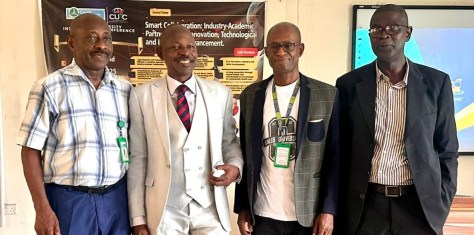
Prof Olatunji, flanked by Dr Kayode Okuande, Dean, College of Communication and Media Studies and on the right by Dr Sunday Ogbonna, Acting Head, Department of Mass Communication and Dr Solomon Oyeleye Acting Director, Centre for Parents Engagement and Alumni Relations, Caleb University
Prof Rotimi Olatunji surrounded by members of the College of Communication and Media Studies (COCOMS), Caleb University, after the conference
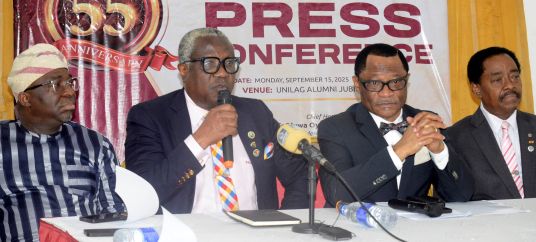
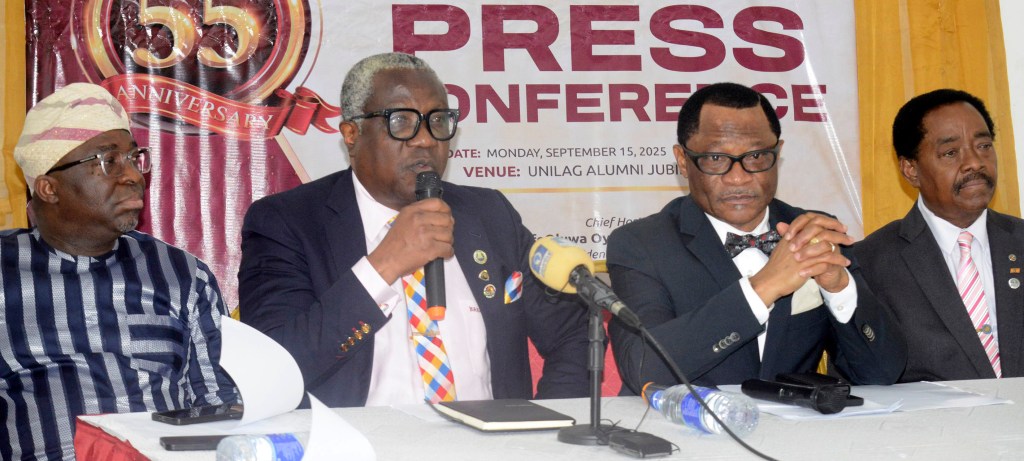
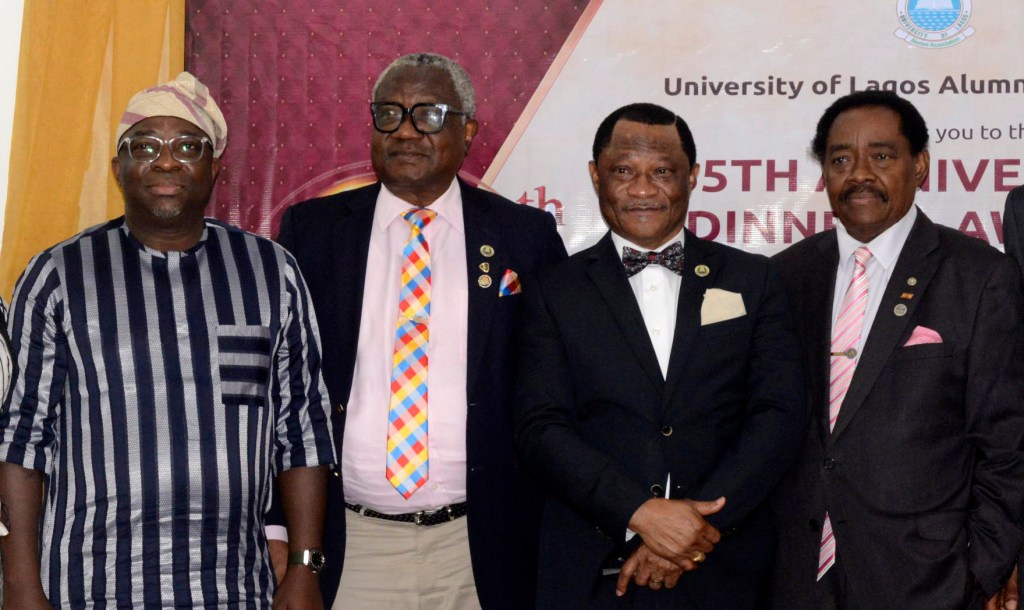
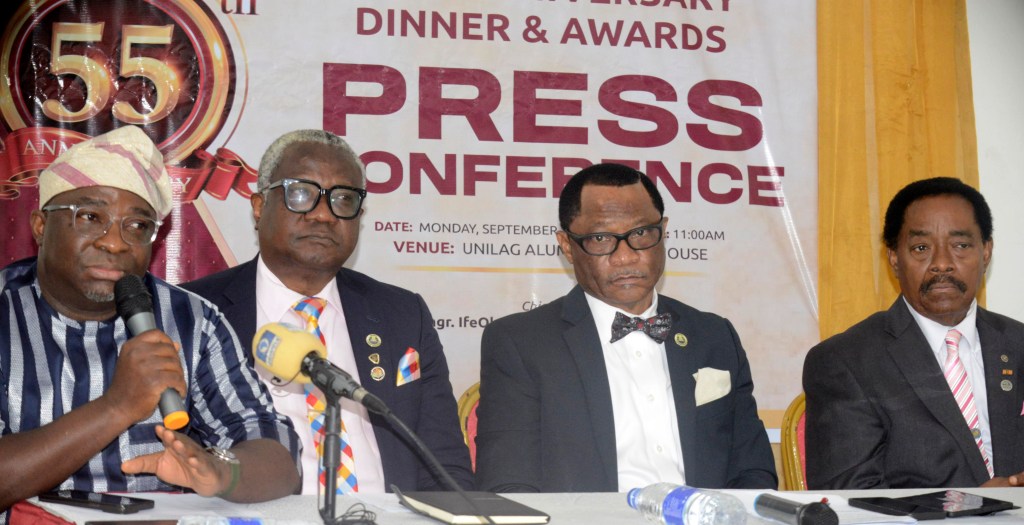
The President of the University of Lagos Alumni Association Worldwide, Engr. Ifeoluwa Oyedele, FNSE, FAEng, has announced plans for the Association’s 55th Anniversary Awards and Recognition Dinner, even as he raised concerns over the state of Nigeria’s education sector.
Speaking at a press conference held at the UNILAG Alumni Jubilee House, Lagos, Engr. Oyedele said the forthcoming Dinner and Award Night would take place on Friday, October 17, 2025, at Eko Hotel and Suites, Victoria Island, Lagos.
Engr. Ifeoluwa Oyedele, FNSE, FAEng,
According to him, the event will celebrate excellence, honour distinguished alumni, and raise funds to support scholarships and critical infrastructure projects at the University of Lagos. Vice President of Nigeria, Senator Kashim Shettima, GCON, will serve as the Special Guest of Honour, while Olor’ogun Dr. Sonny Kuku, OFR, FAS, Ogbeni Oja of Ijebuland, will chair the occasion.
Meanwhile, Otunba Lekan Ajisafe, 2nd Vice President of the Association and Chairman of the 55th Anniversary, explained that the Awards and Recognition Dinner is the second phase of the celebration which commenced last year. According to him:
“Great Nigerians have been carefully selected for their contributions to education, society, and the University of Lagos. Let me inform you that the award is for only deserving Nigerians. We want people to know that investment in education is not a waste but nation building”.
Beyond the planned celebration, Engr, Oyedele used the platform to call attention to what he described as “sobering truths” about Nigeria’s educational system. He listed underfunding, brain drain, outdated curricula, and poor welfare for teachers and lecturers as challenges threatening the sector.
“If education collapses, every other sector will eventually collapse. Without quality education, we cannot innovate, we cannot compete globally, and we cannot secure a prosperous future for Nigeria,” Oyedele warned.
He commended the Federal Government, under President Bola Ahmed Tinubu, GCFR, for initiatives such as the Nigerian Education Loan Fund (NELFUND), increased budgetary allocation to education, and scholarships for vocational and technical students. However, he urged the government to translate policy pronouncements into sustainable action.
Highlighting the contributions of UNILAG Alumni over the years, Oyedele cited scholarship programmes, equipment donations, and construction of learning facilities. He revealed that the Association will soon begin the construction of a new 1,800-bed student hostel, expected to be completed within 18 months.
He called on government, the private sector, and individuals to partner with the alumni in strengthening Nigerian education.
“We call on the private sector to see investments in education not as charity, but as enlightened self-interest. The future workforce, the innovators, and the entrepreneurs who will power their businesses tomorrow are sitting in our classrooms today,” he said.
Oyedele concluded on an optimistic note, affirming that with the right investment, Nigerian universities could compete globally and drive national development across all sectors. He urged esteemed citizens, and especially every alumnus, to give back, whether through mentorship, financial support, or advocacy, noting that every contribution matters.
“Distinguished members of the press, despite the challenges, I stand before you today full of optimism. Nigeria is blessed with talent, resilience, and creativity. With the right support, our universities will not only compete with their global counterparts, but also drive national development in science, technology, the arts, and governance.
Our forthcoming Dinner and Award Night is therefore more than a social gathering. It is a rallying call. A visible demonstration of our determination to strengthen the legacy of the University of Lagos and to build a stronger foundation for Nigerian education”, he noted.
The press conference, attended by members of the media and alumni, served both as a prelude to the October 17 dinner and as a rallying call to stakeholders to prioritize education in national development.
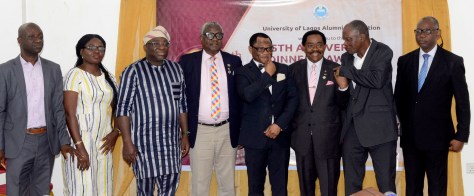
L-R: Dr. Aaron Akinloye, Chairman, Awards Committee; Mrs. Funmi Falobi, National Publicity Secretary, Unilag Alumni Association; Otunba Lekan Ajisafe, 2nd National Vice President & Chairman, 55th Anniversary Planning Committee; Chief Dr. Bala Yesufu, 1st National Vice President; Engr. Ifeoluwa Olushola Oyedele, FNSE, FAEng, President Worldwide and Chief Host, 55th Anniversary; Asiwaju Dr. Michael Olawale-Cole, MFR, CON, CNIM, FNIM, CIOD, Former National President; Barr. Adebayo Osikoya, National Secretary and Rev. Olatunde Ayadi, FCA, National Internal Auditor at the press conference.














 Social Development News (SDN)