Category Archives: Event

Peculiarities of the Challenges Faced by Men and Boys in Africa: A Deep Look at Mental Well-Being

>By Oluwaseun Ola-Daniels<

Across Africa, men and boys face unique mental health challenges that often go unspoken, misunderstood, or ignored. These challenges are not merely personal; they are structural and cultural, deeply rooted in social expectations surrounding strength, emotional control, and success. While mental health conditions affect people of all genders and ages, men and boys on the continent experience them in distinctive ways due to entrenched cultural norms, economic pressures, limited access to care, and persistent stigma.

A Widespread but Under-Recognised Crisis

According to the World Health Organization (WHO), nearly 150 million people in Africa are living with mental health conditions, including depression, anxiety, and substance use disorders. Despite this scale, access to mental health services remains severely limited, particularly outside major urban centres.

Suicide is another pressing concern. WHO data indicate that Africa’s age-standardised suicide rate stands at 11.5 per 100,000 people, with men accounting for a disproportionate share of these deaths. In many African countries, including Nigeria, men die by suicide at significantly higher rates than women. This pattern mirrors global trends but is intensified by region-specific social and economic pressures.

Cultural Expectations: “Be Strong” at All Costs

One of the most powerful influences on male mental health in Africa is the cultural expectation that men must be unshakeably strong and emotionally restrained. From an early age, boys are taught—directly and indirectly—that vulnerability equates to weakness. Phrases such as “boys don’t cry” and “man up” are commonly used to discourage emotional expression and help-seeking behaviour.

Psychologists and mental health advocates argue that this rigid cultural script pushes many boys and men to internalise stress, anxiety, and emotional pain rather than express it or seek support. Over time, this silent endurance often manifests in harmful ways, including depression, substance misuse, aggression, and, in extreme cases, suicide.

Nigeria: A Case Study of Young Men and Mental Strain

Nigeria presents a stark illustration of how these pressures intersect. Research has shown that 82.5 per cent of adolescent boys in a Nigerian correctional facility exhibited symptoms of psychiatric disorders, including disruptive behaviour, substance use, anxiety, and mood disorders.

Substance abuse among young Nigerians is particularly alarming. National surveys reveal that 14.4 per cent of people aged 15 to 64 report drug use—almost three times the global average. Anxiety disorders affect millions nationwide, and men are three to four times more likely than women to die by suicide.

Economic insecurity further compounds these challenges. High youth unemployment, financial instability, and the entrenched expectation that men must act as providers exacerbate feelings of hopelessness, shame, and depression among young men. These realities reveal how multiple pressures—emotional suppression, economic uncertainty, substance misuse, and interaction with the criminal justice system—converge to worsen mental health outcomes.

Societal Stigma and Limited Access to Help

Across Africa, particularly in rural areas, access to mental health services is grossly inadequate. Nigeria, for instance, has fewer than 0.1 psychiatrists per 100,000 people—a figure far below what is required for a population exceeding 200 million.

In many communities, mental health challenges are interpreted through spiritual or cultural frameworks, prompting families to seek help from traditional healers or religious leaders rather than trained mental health professionals. While such support may offer comfort, delays in professional intervention often worsen conditions. Combined with stigma, these barriers mean that many men only seek help when they are already in crisis, if they seek it at all.
Barriers Unique to Men: From Silence to Suicide

Experts consistently observe troubling patterns across the continent. Men are generally less likely to seek mental health support due to stigma and restrictive gender norms. In several African countries, male suicide rates far exceed those of women. In places such as South Africa, men are reported to die by suicide up to five times more often than women.

Young men face additional burdens from economic instability, unemployment, and social expectations of financial responsibility. Together, these factors create an environment in which men and boys suffer in silence—often with fatal consequences.

Conclusion: A Crisis That Demands Compassion

Mental health is not merely a personal concern; it is a societal responsibility. When boys and men are expected to suppress their pain, ignore emotional distress, and conform to rigid definitions of masculinity, the consequences are devastating. Lives are lost, families are broken, and communities are weakened.

Addressing this crisis requires compassion, listening, and systemic change. By challenging harmful norms, expanding access to mental health services, and creating spaces where emotional well-being is recognised as a fundamental part of human health, Africa can begin to heal a deeply rooted and dangerous silence.
Oluwaseun Ola-Daniels is Programme Manager, Mega Impact Foundation, Delta State.

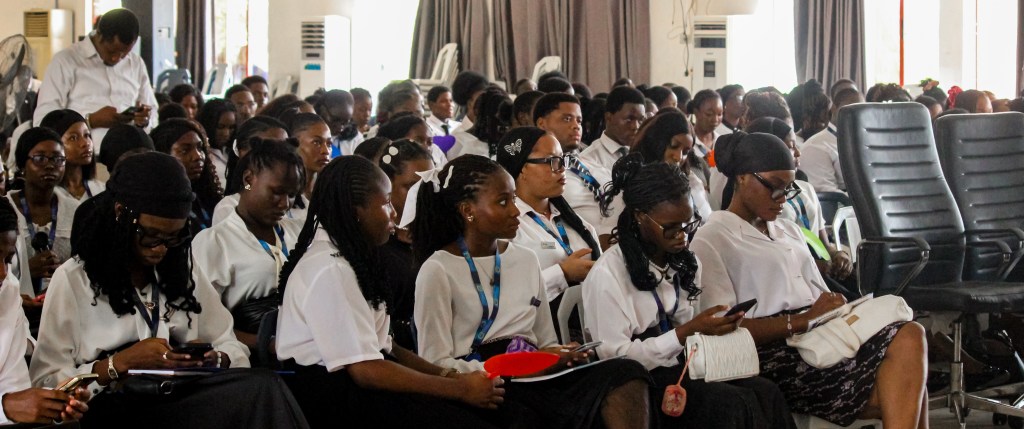
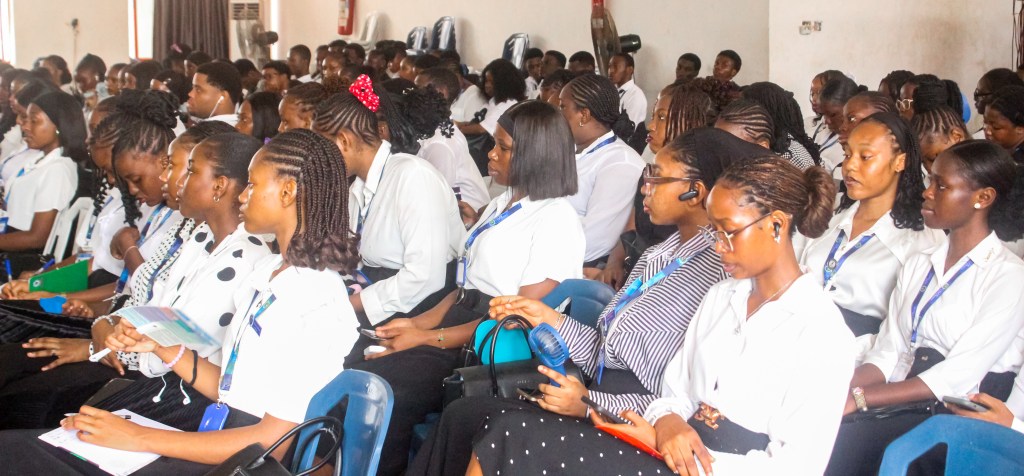
Caleb University Conference: Prof Rotimi Olatunji  highlights ACSPN’s role in advancing Communication and Media Capacity

The National President of the Association of Communication Scholars and Professionals of Nigeria (ACSPN), Professor Rotimi Olatunji, has reaffirmed the Association’s commitment to advancing Nigeria’s communication and media landscape through stronger collaboration among academia, industry, and government.

Speaking at the 2025 International Conference of Caleb University, themed “Smart Collaboration: Industry–Academic Partnership for Innovation, Technological and Industrial Advancement,” Olatunji emphasised that effective partnerships are key to building a knowledge-driven and innovation-oriented society.

Delivering a lecture titled “Enhancing Capacity Building in Communication and Media through Academic–Industry–Government Partnerships in Nigeria: A Triple Helix Approach,” the ACSPN President said Nigeria’s communication sector must embrace synergy to unlock its full potential.

“True innovation in media is not just about novelty but about creating value and impact through transformation,” he said.

Triple Helix Model as a Framework for Change

Drawing on the Triple Helix Model—which integrates universities, industries, and government agencies within a shared innovation ecosystem—Olatunji noted that such collaborations promote curriculum co-design, joint research, and experiential learning. He called for a shift from conventional classroom teaching to practical engagement, policy-oriented research, and technology-enabled storytelling. He urged the Federal Government to strengthen institutional frameworks for university–industry partnerships, while encouraging the private sector to invest in academic research and innovation.

Meanwhile, a statement issued by Dr Solomon Oyeleye, ACSPN’s General Secretary, further underscored Olatunji’s appeal for a more structured and sustainable approach to capacity building in communication and media education.

Highlighting ACSPN’s ongoing initiatives, Olatunji cited collaborations with the Centre for Journalism Innovation and Development (CJID), Dataphyte, the Ford Foundation, UNICEF, UNESCO, and the MacArthur Foundation. These partnerships, he said, have produced joint research projects, digital media training, innovation incubation programmes, and fellowships across Nigerian universities.

“Between November 2024 and now, ACSPN and CJID have trained nearly 100 scholars and professionals in mainstreaming AI into communication and media practice in Nigeria,” Olatunji revealed, describing the project as “a continuous one.”
It should be noted taht that since its inception, ACSPN has championed excellence in communication research and professional practice through initiatives such as the Empowerment Series, Eminent Persons’ Strategy Series, Value-Added Conferences, and Mentorship Programmes. These, Olatunji noted, have enhanced research productivity, professional competence, and youth engagement across the sector.
Pioneering Curriculum Reform

Olatunji also traced ACSPN’s pivotal role in the unbundling of the B.Sc. Mass Communication programme into eight distinct degree programmes—a landmark reform in Nigerian higher education.

According to him, the Association initiated the review process with support from UNICEF, organising the first stakeholder meeting at the University of Lagos with participants from the Nigerian Press Council, Nigerian Broadcasting Commission, Advertising Practitioners Council of Nigeria (APCON), and the Nigerian Institute of Public Relations (NIPR), among others.

Further progress, he recalled, was achieved through MacArthur Foundation grants managed by Professor Umaru Pate, which facilitated nationwide consultations culminating in the National Universities Commission’s adoption of the new communication degree structure.

Championing Media Literacy and Research

Through its partnerships with UNESCO and other development partners, ACSPN has also produced notable resources such as the UNESCO-supported brochure on combating fake news and promoting media and information literacy. These efforts, Olatunji said, highlight the Association’s leadership in evidence-based research, policy advocacy, and innovation in media and communication across Africa.

Despite these achievements, he acknowledged persistent challenges, including inadequate funding, weak research infrastructure, limited access to emerging technologies, and a continuing gap between academic output and industry needs.

Call for Policy Reforms and Technological Integration

In his concluding remarks, Olatunji called for robust policy reforms to position communication and media as strategic pillars of Nigeria’s national development. He also urged communication scholars and professionals to embrace continuous learning and to leverage emerging technologies such as artificial intelligence, virtual reality, and data-driven journalism to remain relevant in an evolving media landscape.

Participants at the conference commended Olatunji’s lecture for its intellectual depth and practical insights, describing it as a timely and visionary contribution to Nigeria’s pursuit of a knowledge-based, innovation-driven society.

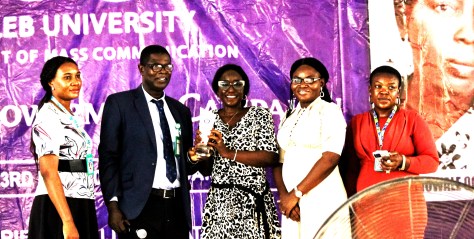
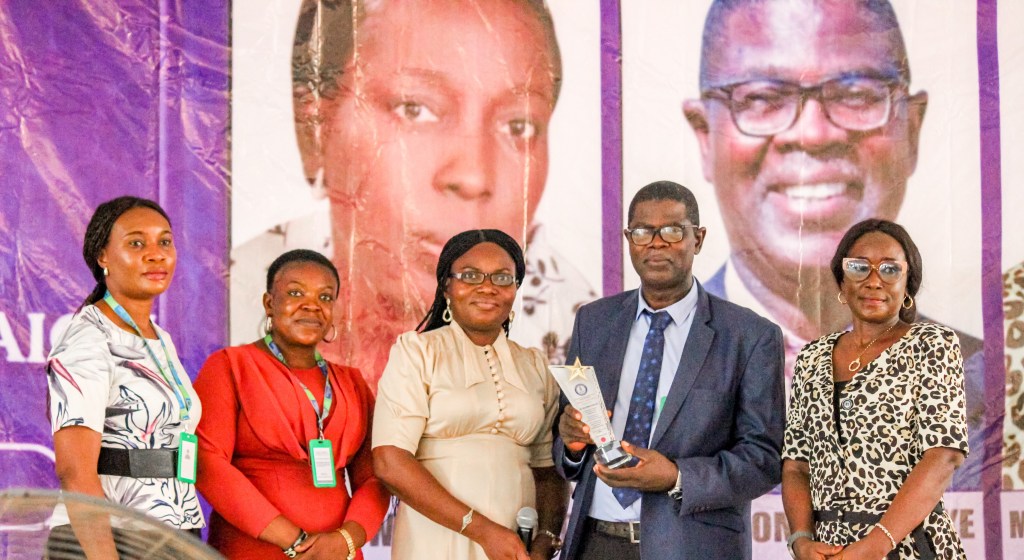
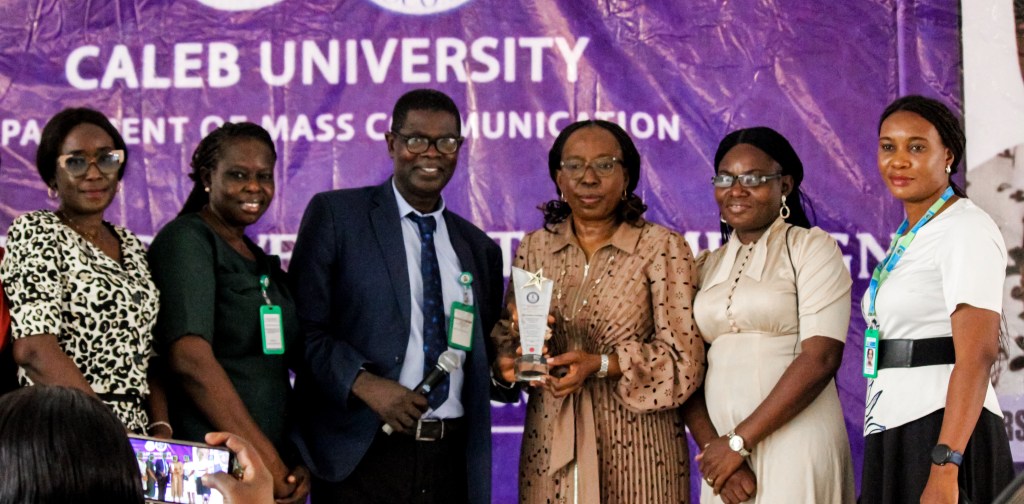
Prof Olatunji, flanked by Dr Kayode Okuande, Dean, College of Communication and Media Studies and on the right by Dr Sunday Ogbonna, Acting Head, Department of  Mass Communication and Dr Solomon Oyeleye Acting Director, Centre for Parents Engagement and Alumni Relations, Caleb University
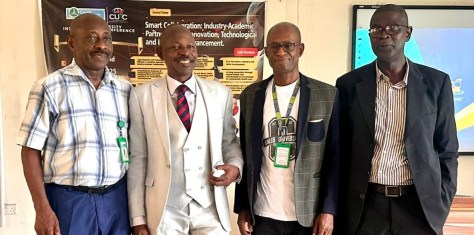
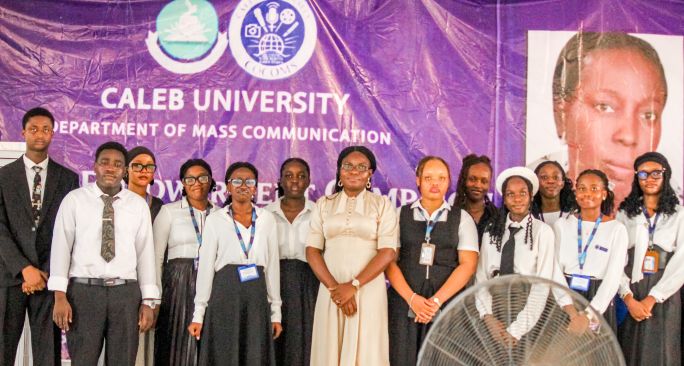
Prof Rotimi Olatunji surrounded by members of the College of Communication and Media Studies (COCOMS), Caleb University, after the conference

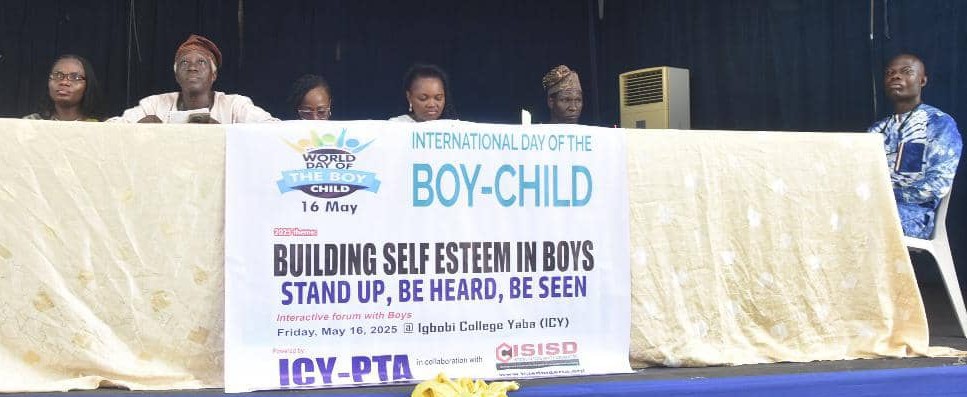
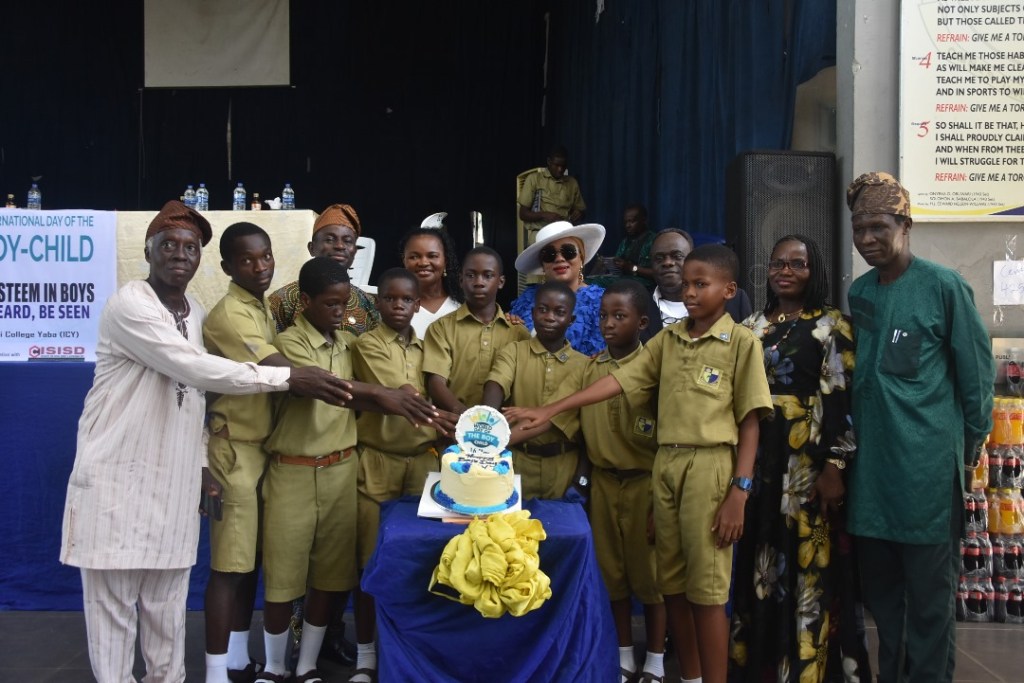
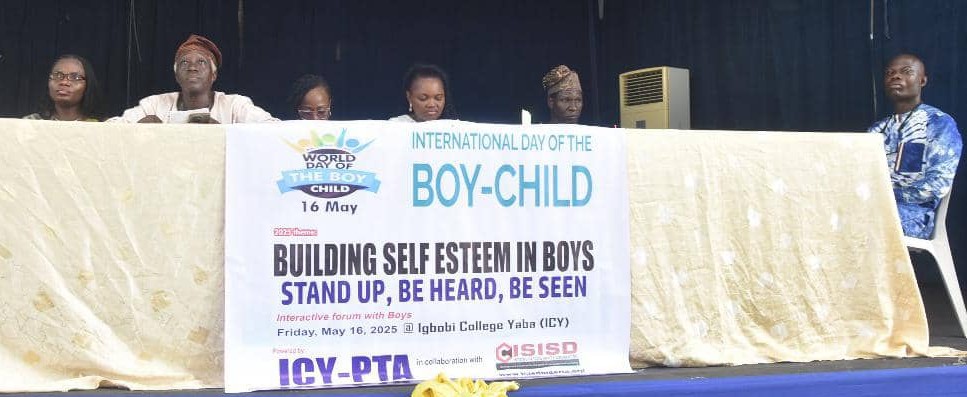
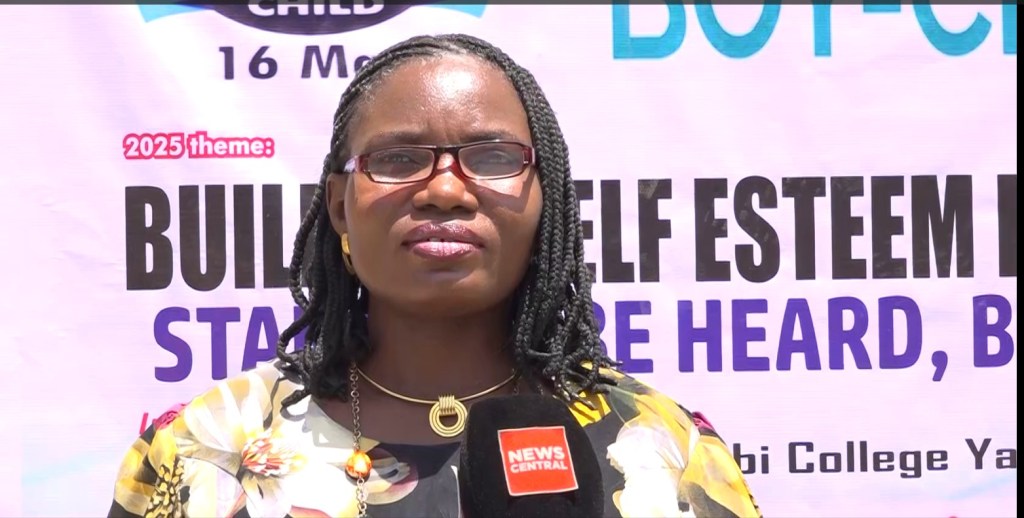
2025 WDBC: Building Self Esteem in Boys

By SDN

The world of the boy child is a peculiar one that must be given attention. This is so because neglect of the boy child is tantamount to creating a dysfunctional society where the untrained boy would become a threat to the trained girl, and society in general.

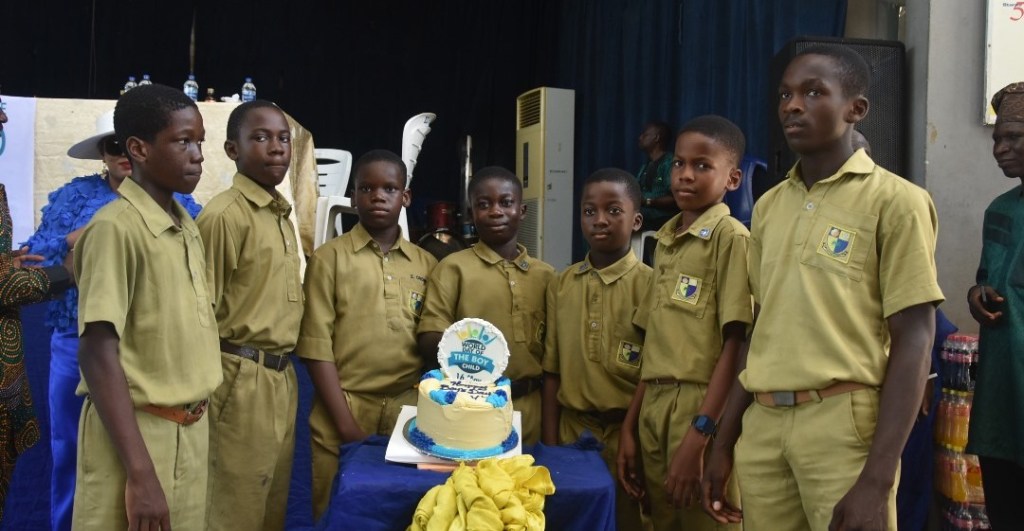
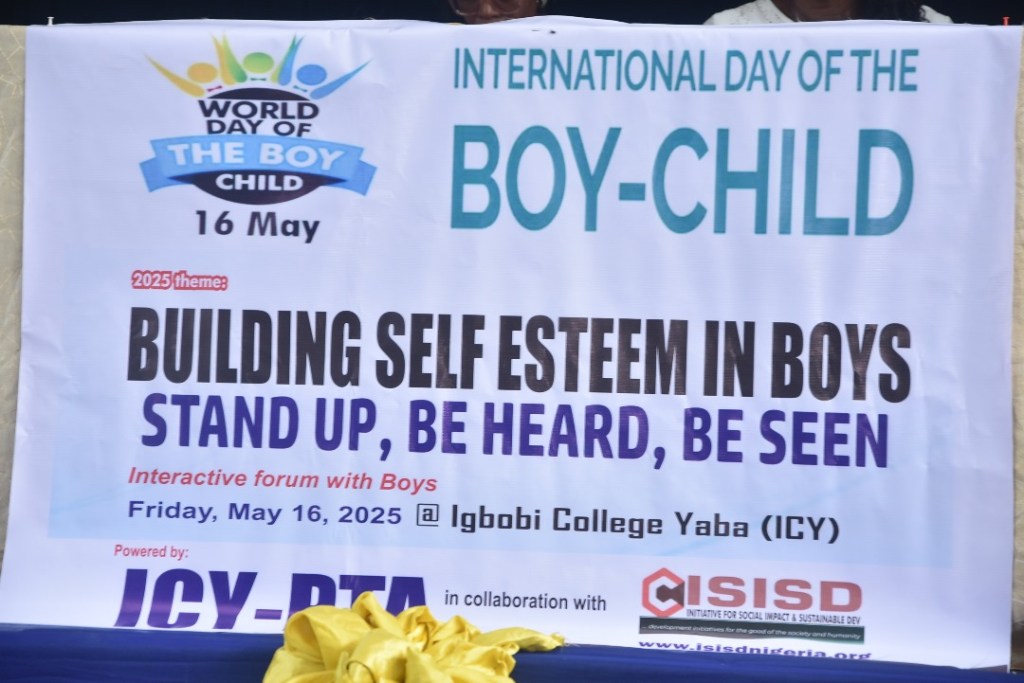
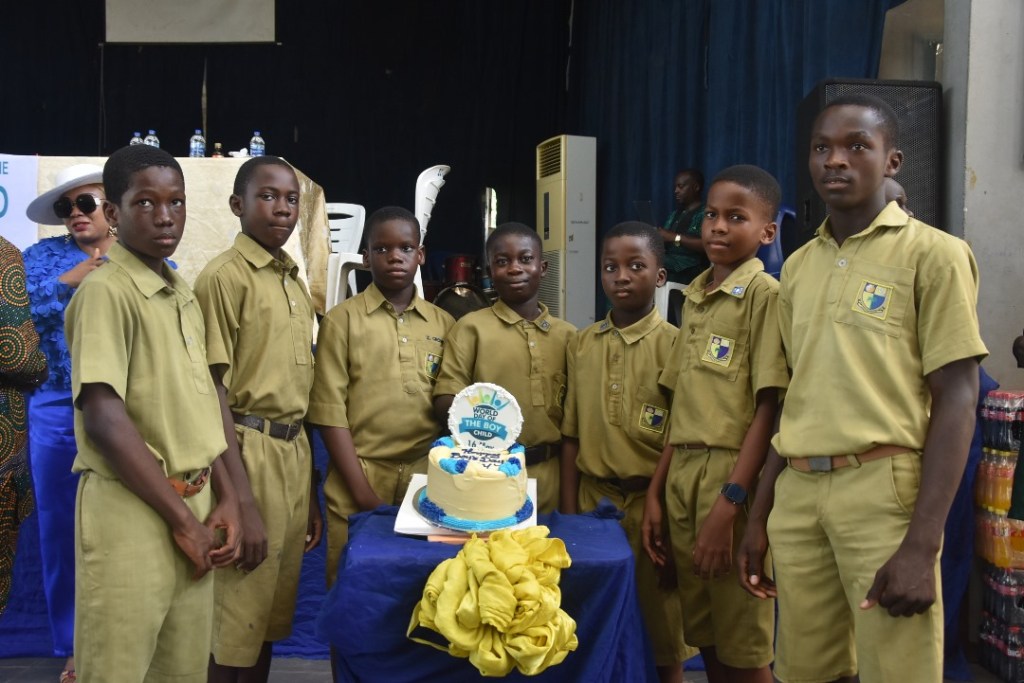
This, among others necessitates the call for concerted attention for the boy child and for which May 16 was initiated as the World Day of the Boy Child (WDBC) by Dr Jerome Teelucksingh of the University of West Indies, Trinidad & Tobago. The WDBC is also widely acknowledged as the International Boys Day, a day to celebrate the positivity of boys and proffer solutions to myriad of challenges being faced by boys and adolescent males globally.

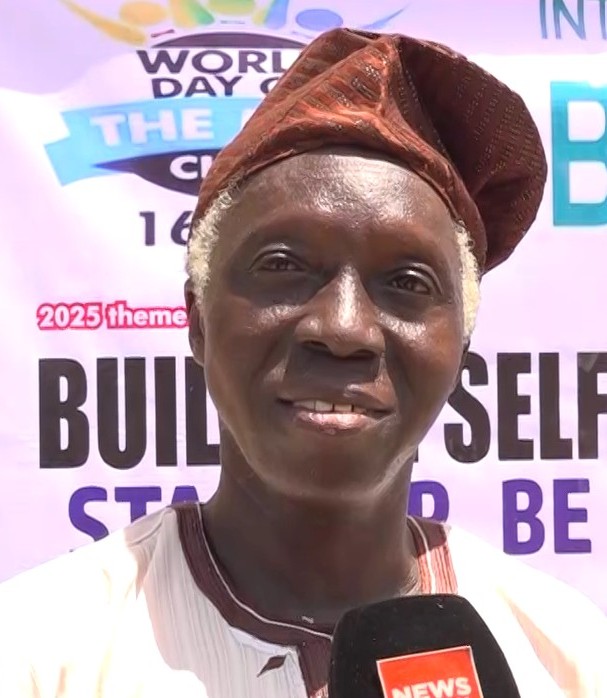
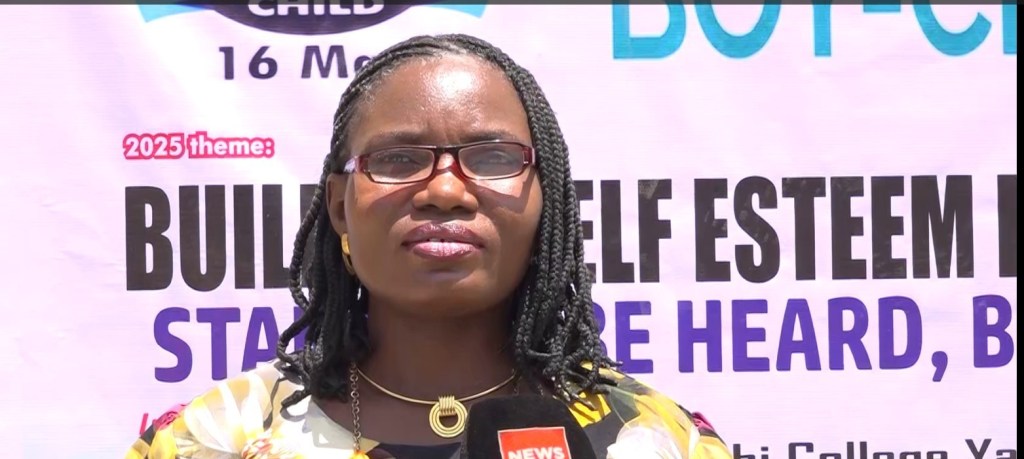
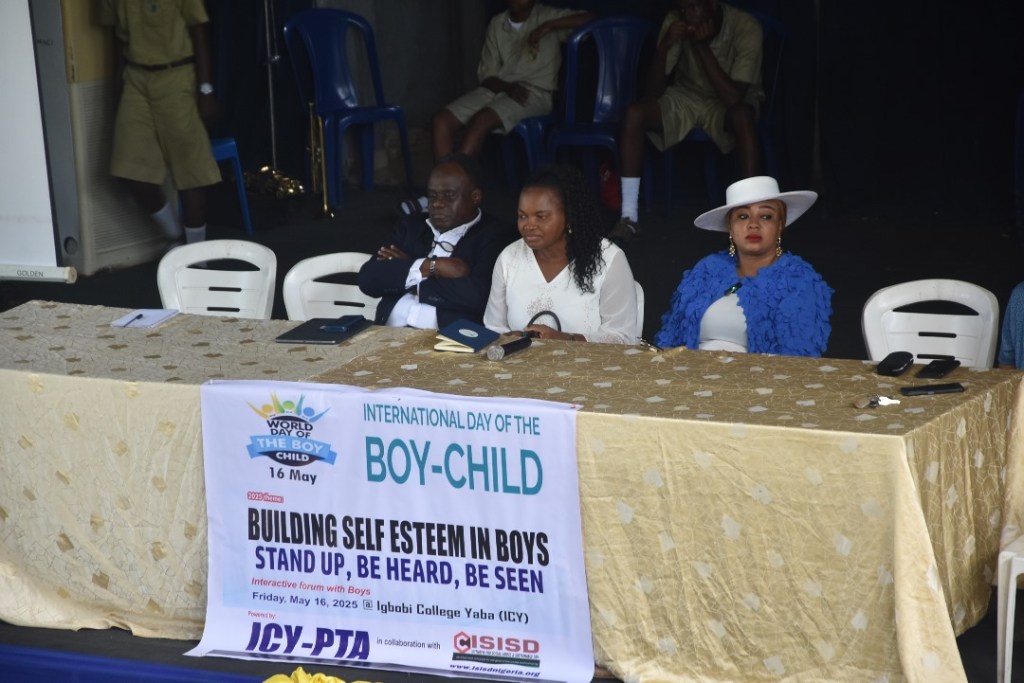
The 2025 theme: “Building Self Esteem in Boys: Stand up, Be heard , Be seen,” is coming at the heels of neglect and vulnerability of boys in the society.

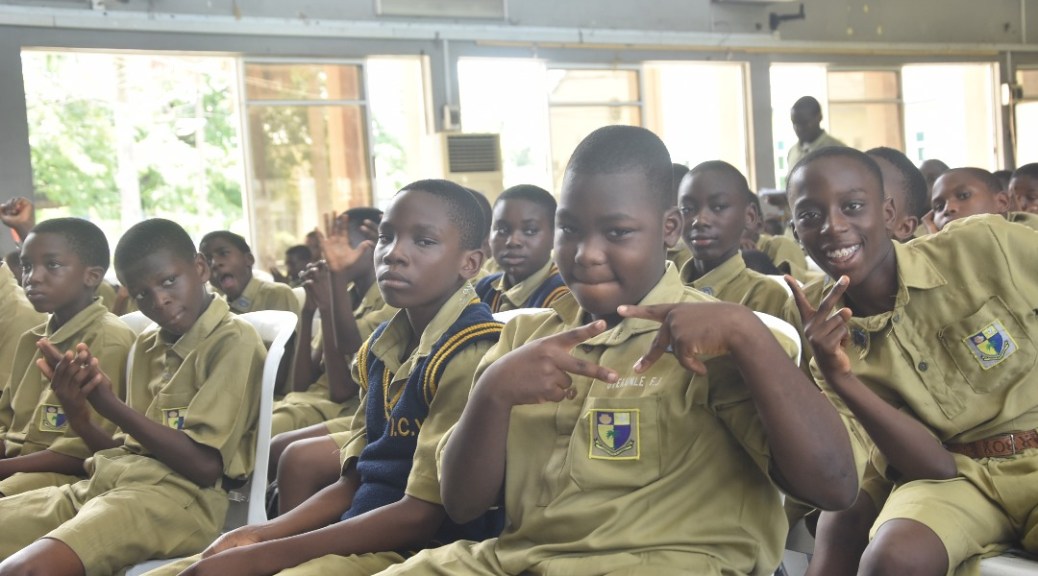
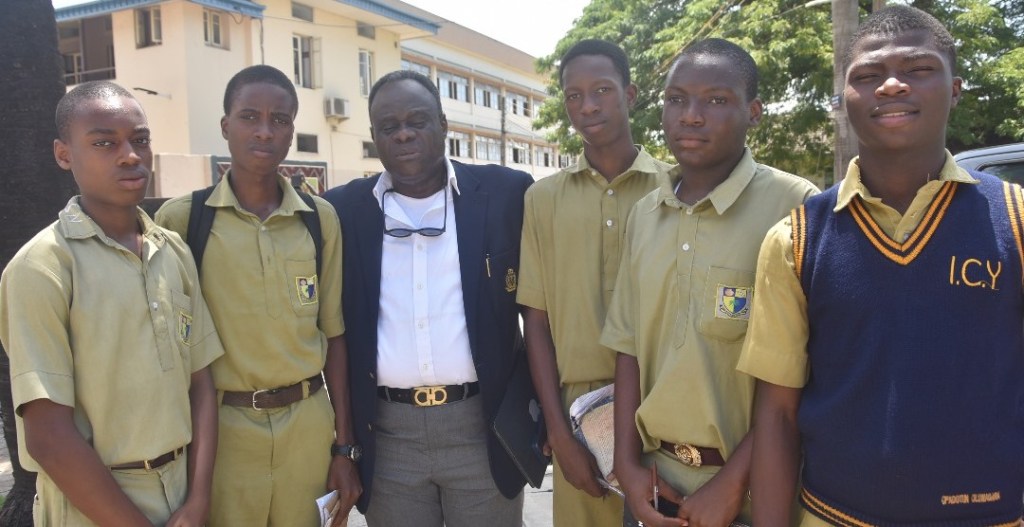
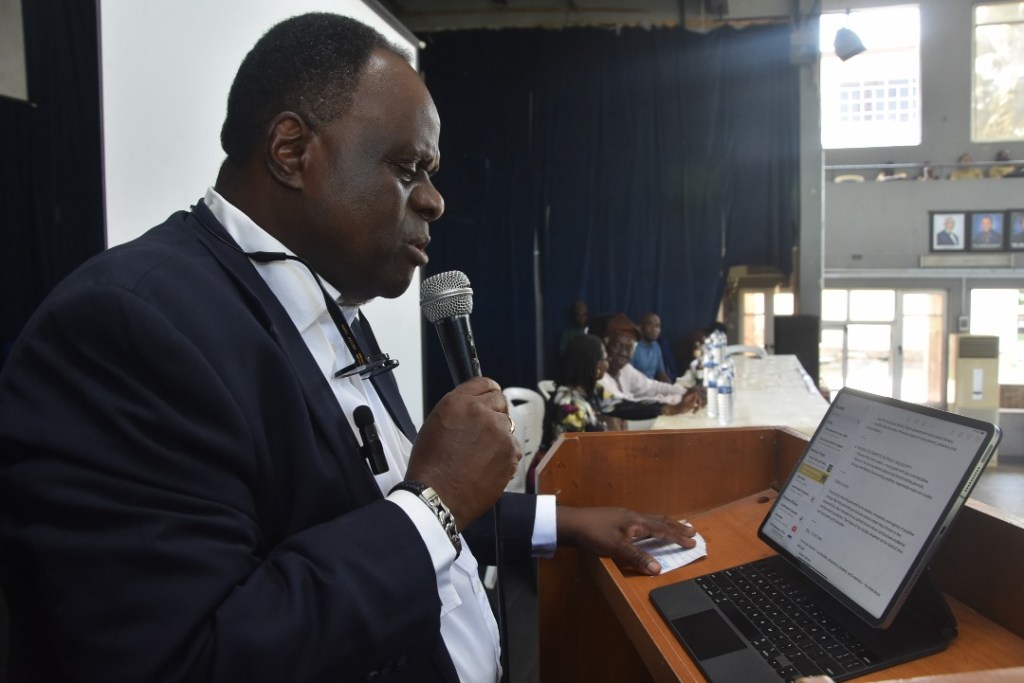
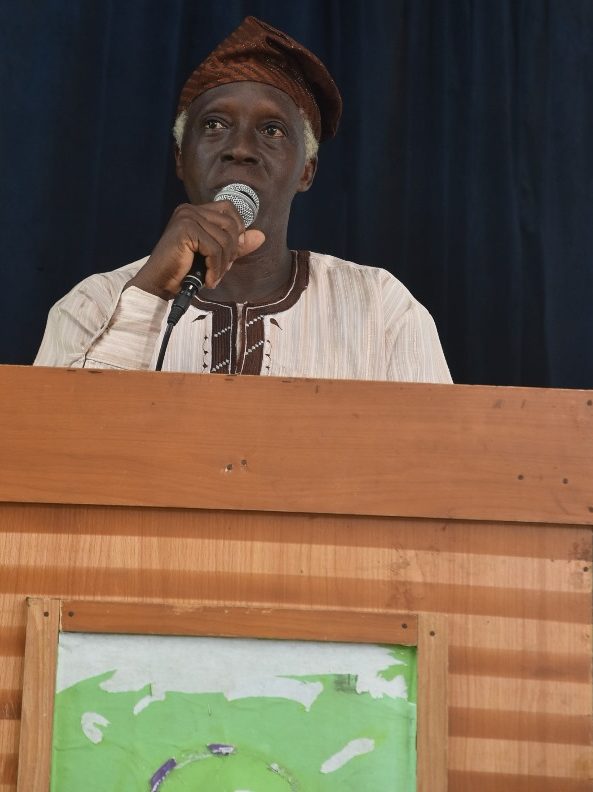
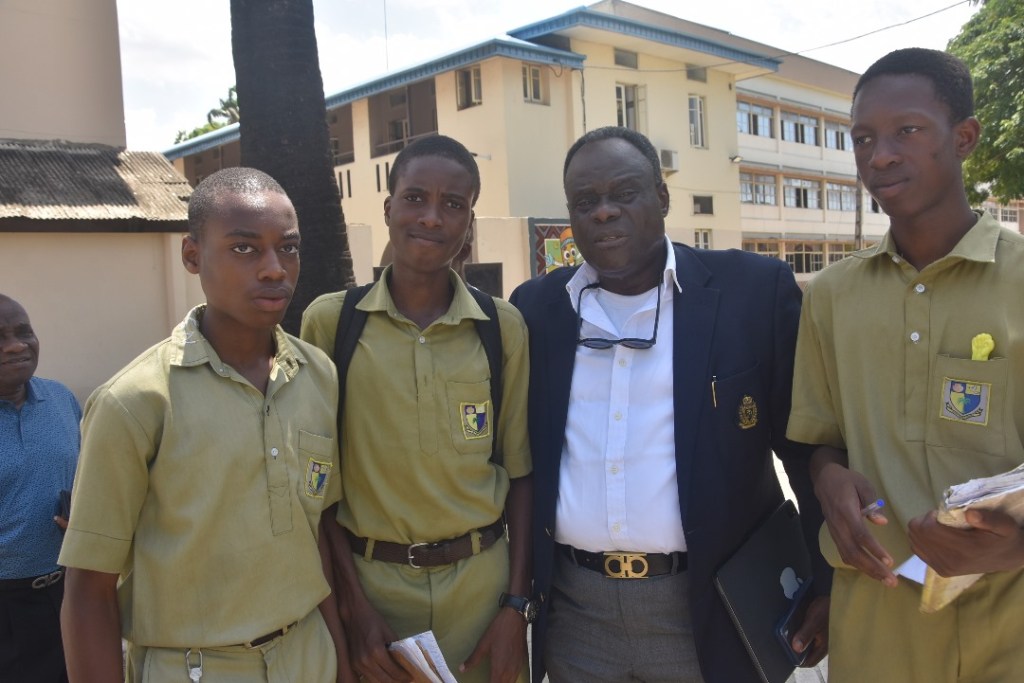
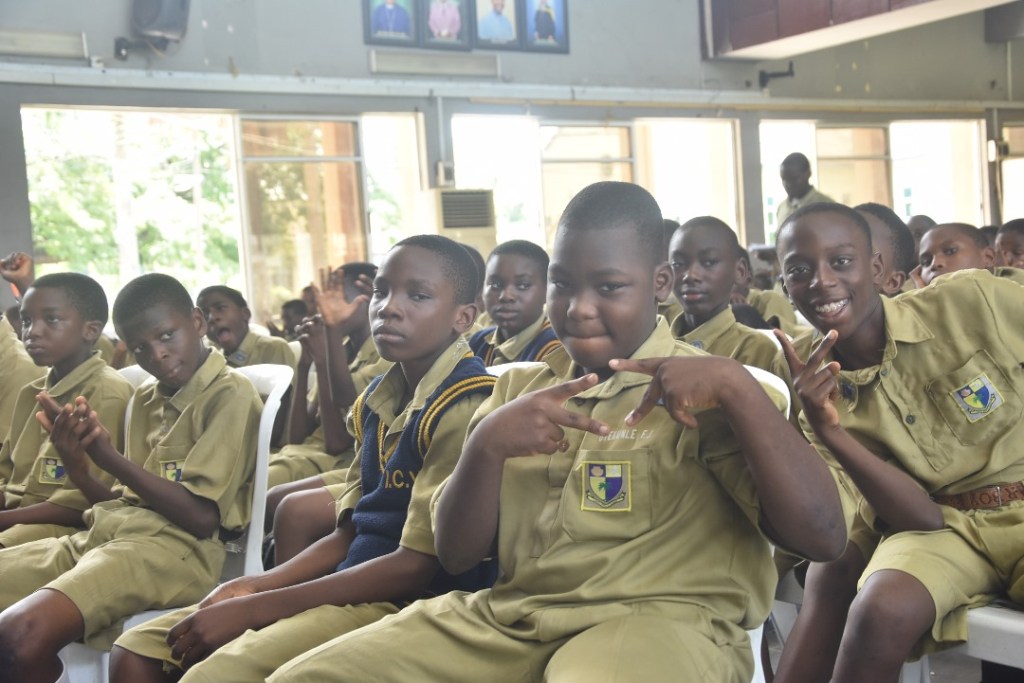
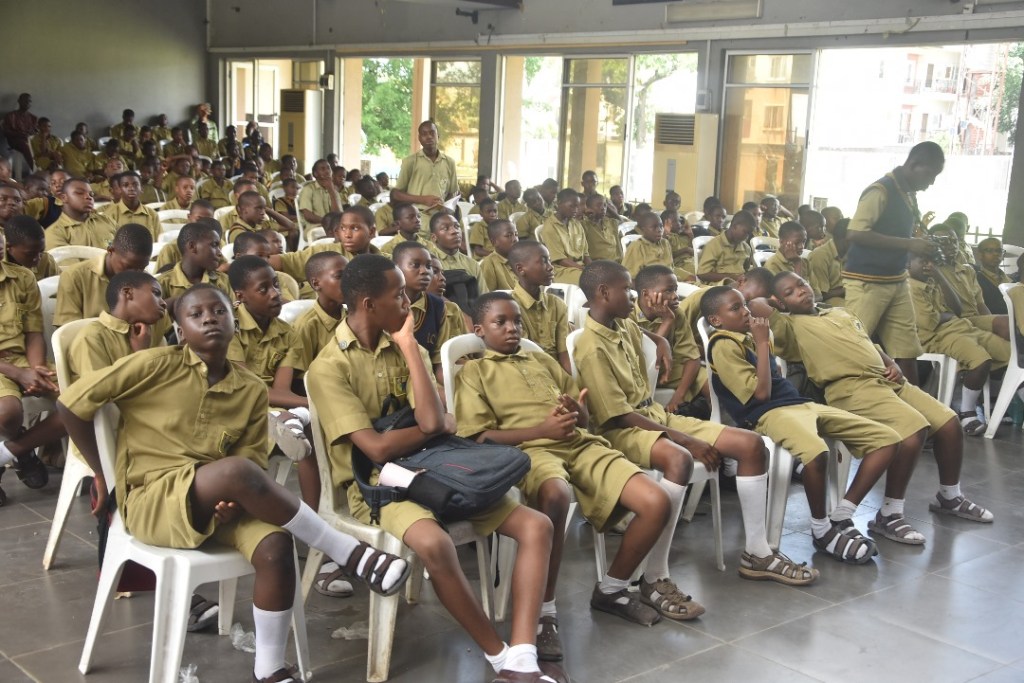
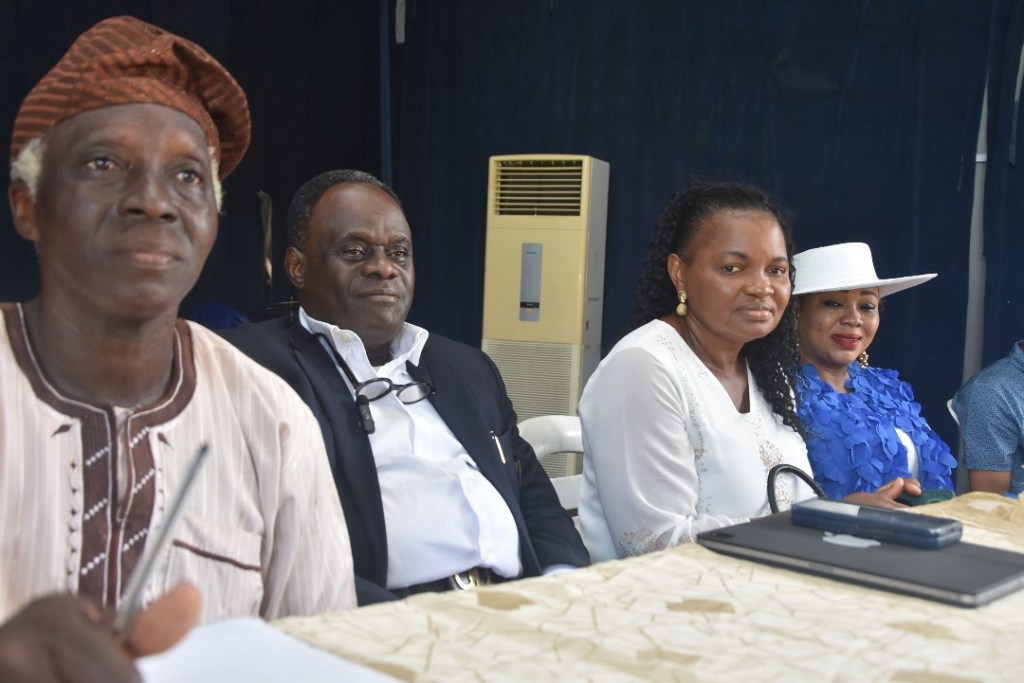
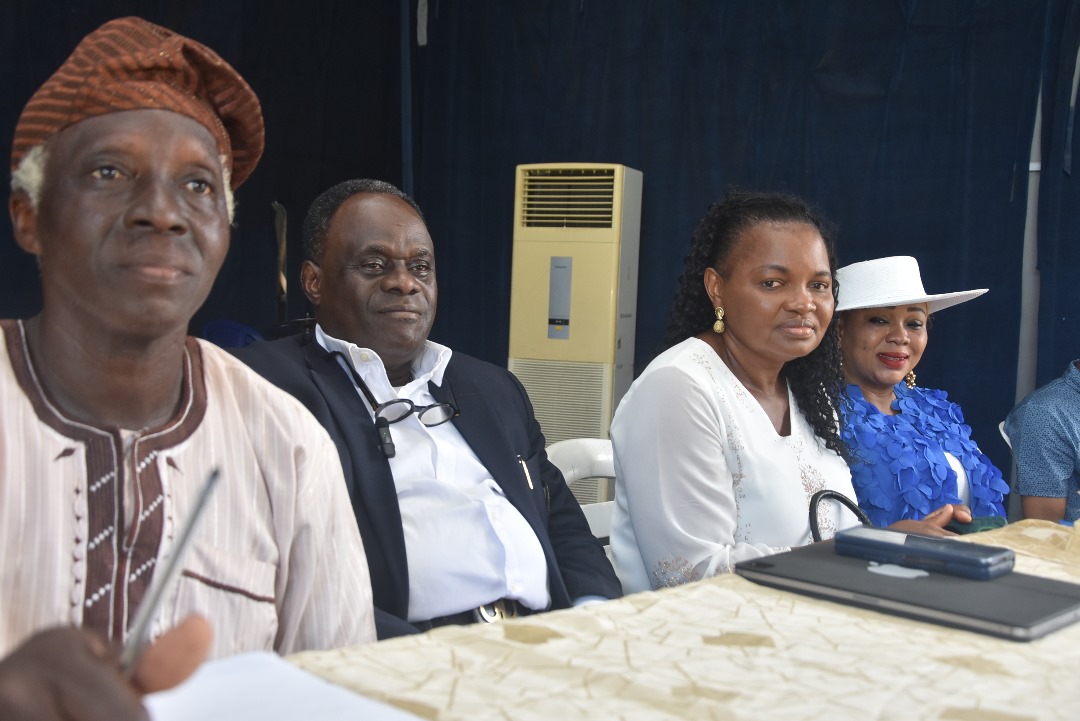
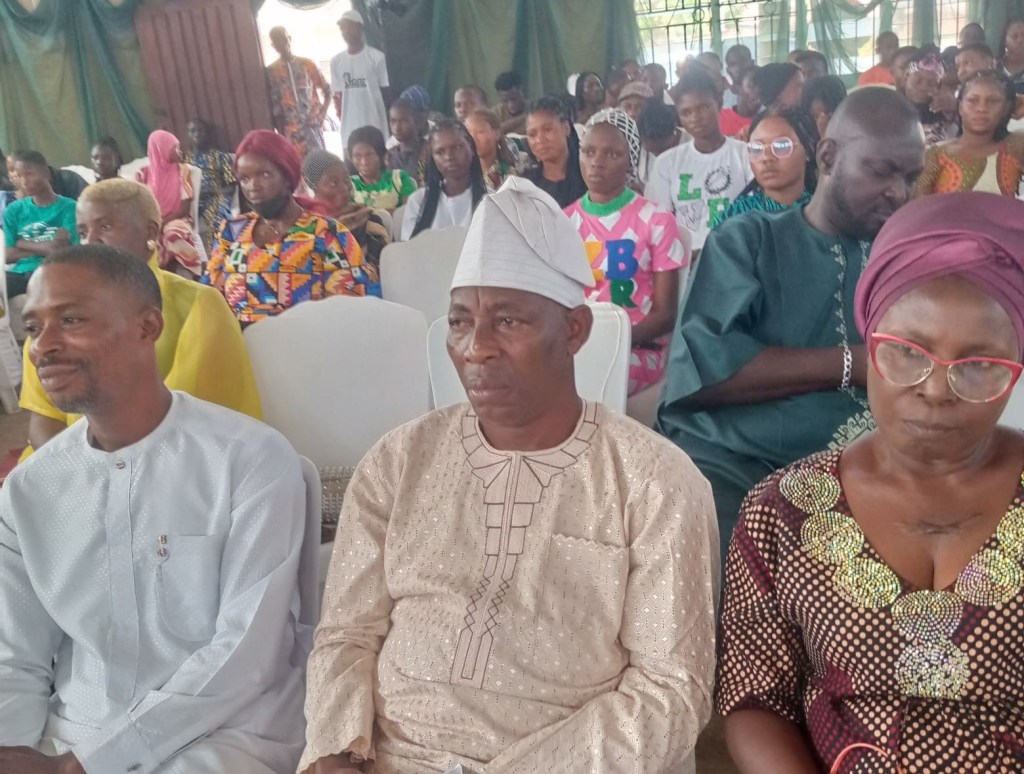
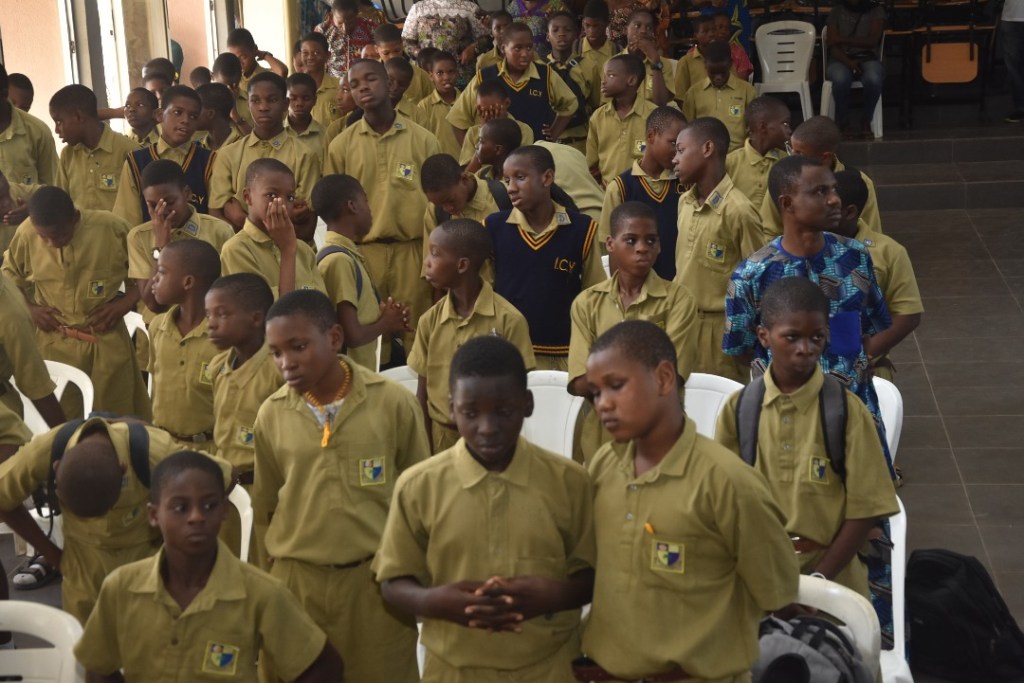
As part of activities commemorating the WDBC, Initiative for Social Impact and Sustainable Development (ISISD) joined the rest of the world to bring to the fore, issues affecting the boy child and providing solutions to some of the identified problems. ISISD in collaboration with Igbobi College Yaba Parents Teachers Association (ICY-PTA) organised capacity building programme for the students on the need to protect and enhance their self esteem.

According to Teelucksingh, the occasion gives the opportunity to put boys at the front burner and generate discussions into solving those issues for the boy child to fulfill potential in the society.

“Today, many boys are out of school serving as cheap labour at mines sites, factories as a result of poverty. In crisis situations, boys and adolescent males are used as children soldiers. Some of them suffer sexual abuse, depressed and suicidal. As a result of neglect, lack of positive male role model, many engage in social vices that are inimical to their mental, physical and psychological growth”, Teelucksingh noted.

According to the Principal, Igbobi College Yaba, Reverend Adedotun Akanbi, boys learn from what they see their fathers do at home and the same mentality is what they bring to the society.

“There is need for the boy child to learn virtues from home. The school system must also support boys educational and emotional needs. Boys must learn to respect the opposite gender. When boys learn values and leadership, I think they are ready,” he said.

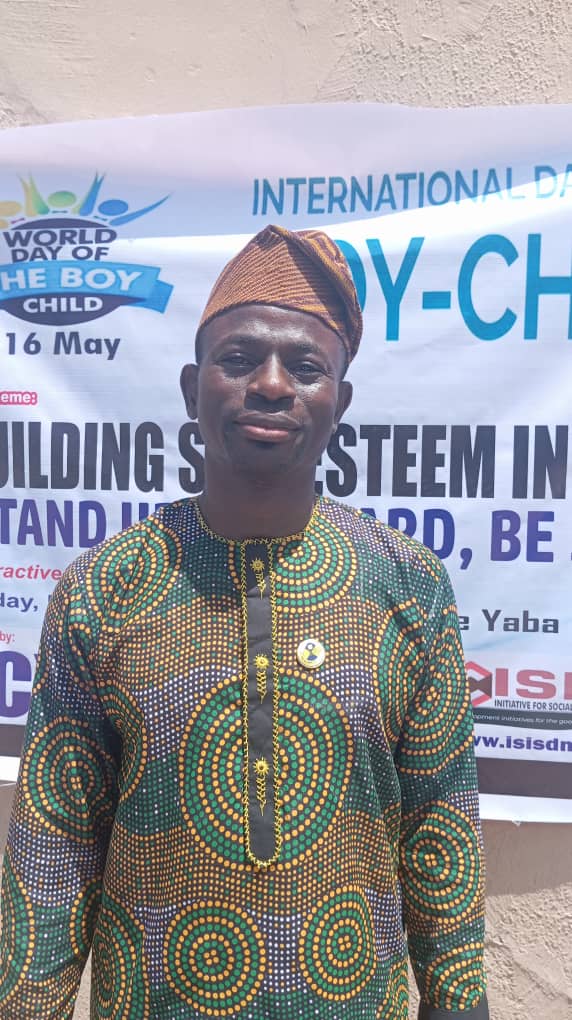
In the same vein, ICY-PTA Chairman, Dr. Abiodun Makinde said character is important for the boy child to succeed in life and affect the society positively. “Children learn from home and it is what they learn from home that they bring to schools and society. Parents must strive to instil good characters in boys for them to succeed in life endeavours.’

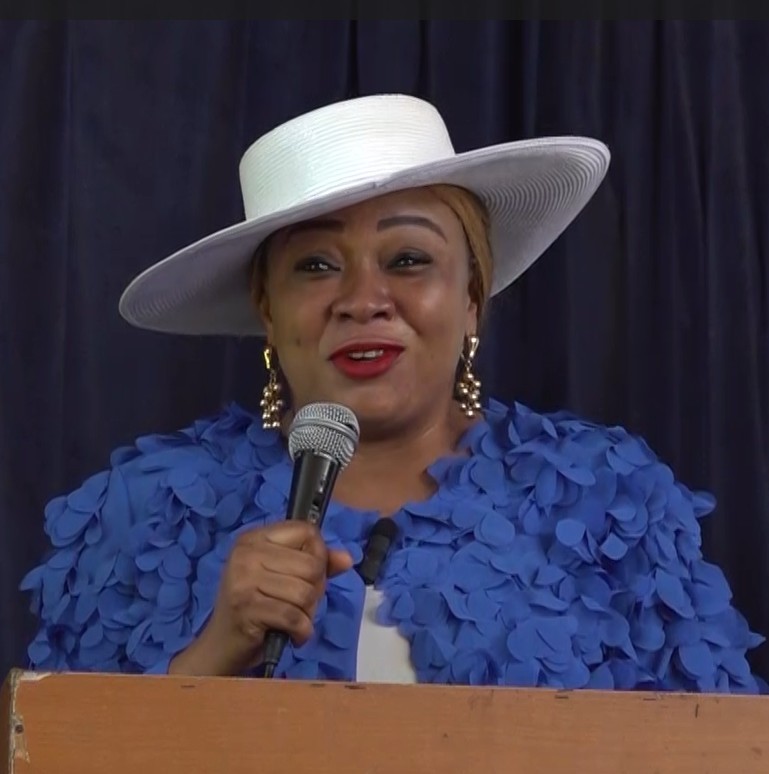
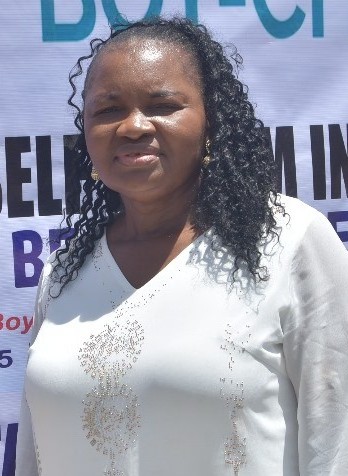
Speaking on the theme, Educational Consultant, Mrs. Franca Okpiaifo said self esteem is a person’s self worth and the total value one places on self. She advised participants that it is important for them to know who they are which will help them in life journey.

“Self esteem defines your self confidence.
Stand up means knowing who you are. You don’t have to feel it, you know it without any doubt. When you stand up for something, you will be seen and heard,” she said.

She identified five things that would help participants to build their self esteem including “know who you are, define your purpose; have definite values; be the best version of you; do not be afraid of you (Your best version); do not allow other people, peers, social media to define you.”

In his address, Mr.Jide Sanwo, Special Adviser to Ogun State Governor on Revenue and also an alumnus of the college urged the boys to prioritise purposeful living over social vices.

He explained that boys must learn to live a purposeful life and be able to identify those better than them in a particular subject and learn from them.

“You must shun examination malpractices. When you cheat and get to the top you find it difficult to perform, you can’t stay up there if you don’t have good foundation.

“There’s nothing as good as putting your hope in God. Let’s shun social vices. Run away from cultism, drugs, cybercrime and the rest that won’t add any value to you,” he admonished.

Similarly, Evangelist Temilolu Okeowo also advised the boys to shun any immoral behaviour and make their studies a priority.

“You have no business in getting into romantic affairs in your teens. Shut your heads to those lewd lyrics, pornography. Your studies must be your priority now,” she warned.

ISISD Coordinator and WDBC Ambassador, Mrs. Funmi Falobi said boys and adolescent males face a lot of challenges world over and the need to address such for better society.

“As we commemorate the 2025 World Day of the Boy Child, governments, organisations, institutions, families and communities must come together and discuss ways to make life better for the boy child. Governments must come up with policies that would protect boys and adolescent males in order to achieve potential,” she advised.

She declared that the boy child must not be left behind but policy must be inclusive to cater for his physical, mental and psychological needs for a saner and peaceful society.

Commending the programme, one of the participants, Pelumi Adegboyega, an SS2 student said they learnt the importance of self esteem. “Without self esteem it is almost impossible to go far in life. If you’re not confident in yourself you find it difficult to progress and make decision.”

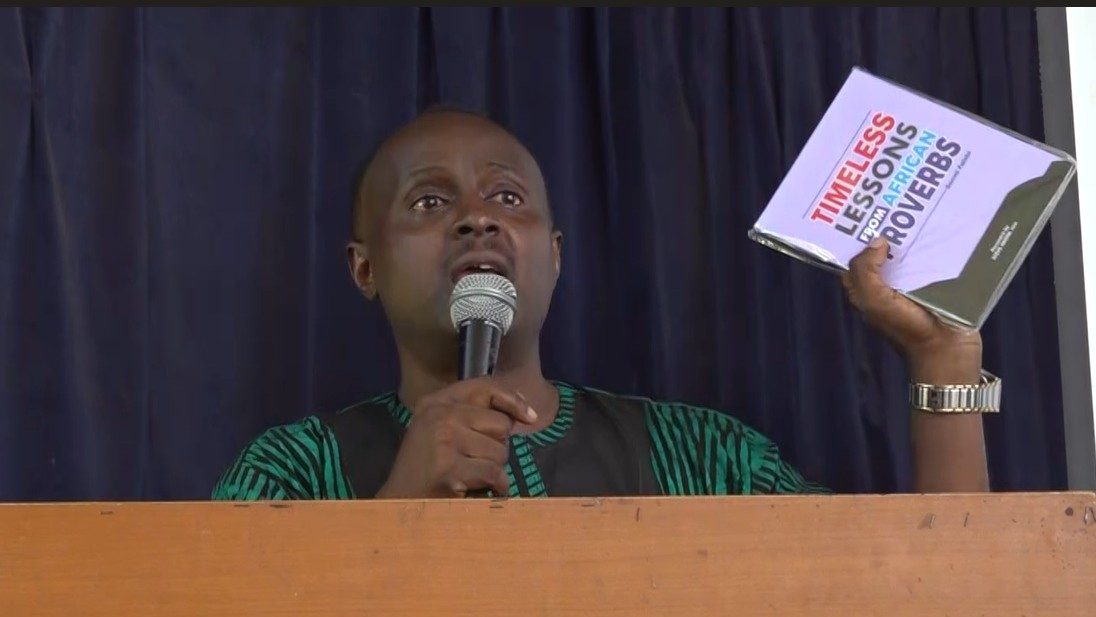
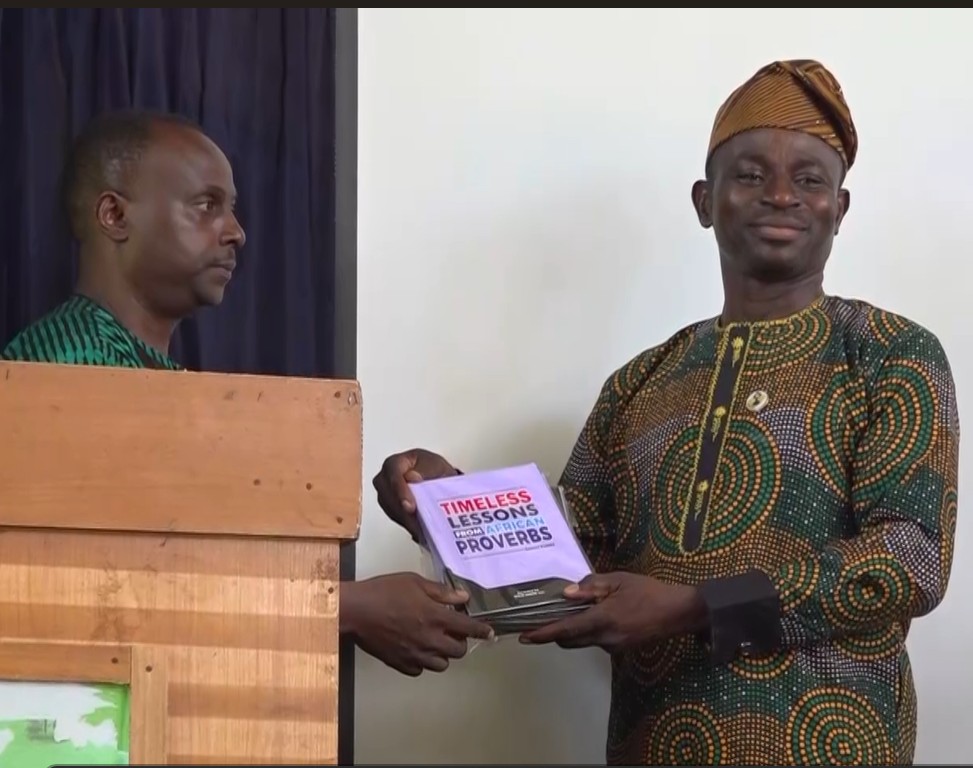
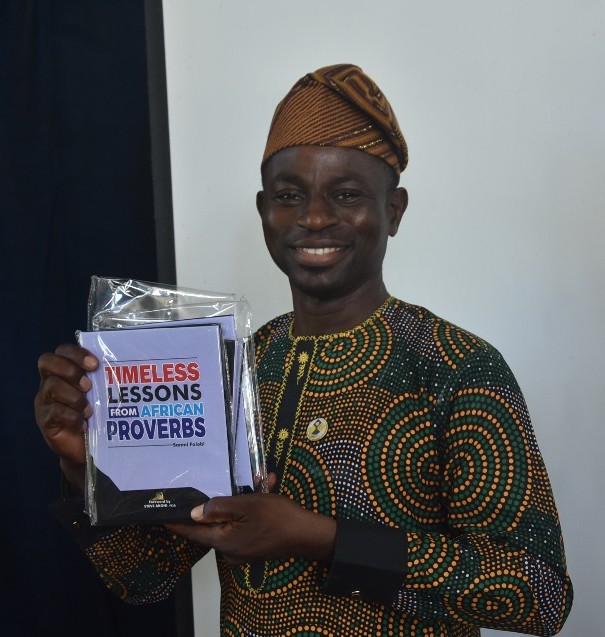
There was book presentation by Mr. Sanmi Falobi to the school. There was also film show to drive home the essence of self esteem for the boys.

WDBC (or International Boys Day) was inaugurated in 2018 by Dr. Jerome Teelucksingh a University Lecturer in Trinidad and Tobego,
and in 2025 it was observed in 36 countries. WDBC serves as a platform for individuals, organisations, and institutions to improve the manner in which we protect our boys and reclaim our heritage.  

As Prof. Amos Utuama, SAN, goes home

By Babalola Falobi (Ph.D)
Warri, Delta State

“When beggars die, there are no comets seen; The heavens themselves blaze forth the death of Princes” – Williams Shakespeare (Julius Caesar).

The former Deputy Governor of Delta State, and a distinguished Alumnus of the University of Lagos, Prof. Amos Utuama SAN, has been laid to rest in his hometown, Otu-Jeremi, near Ughelli, in Delta State, in a “blaze of glory.”

The 2-day event commenced with a Service of Songs at St. Andrew’s Catholic Church, Otu-Jeremi on Tuesday, 29th April, 2025.

Dignitaries present at that occasion included the former Governor of Delta State, Chief James Onanefe Ibori, under whom the late Prof Utuama served as Attorney General and Commissioner for Justice for 8 years (1998-2007), after which he became Deputy Governor to Dr. Emmanuel Uduaghan (2007-2015). The present Governor of Delta State, Elder. Sheriff Oborevwori, his wife, and a host of Commissioners and members of the Federal and State Legislatures were also in attendance. Senior members of the Bench and Bar, from all over the country, captains of industry, Traditional Rulers and High Chiefs, as well as several Unilag Alumni members, were also present.

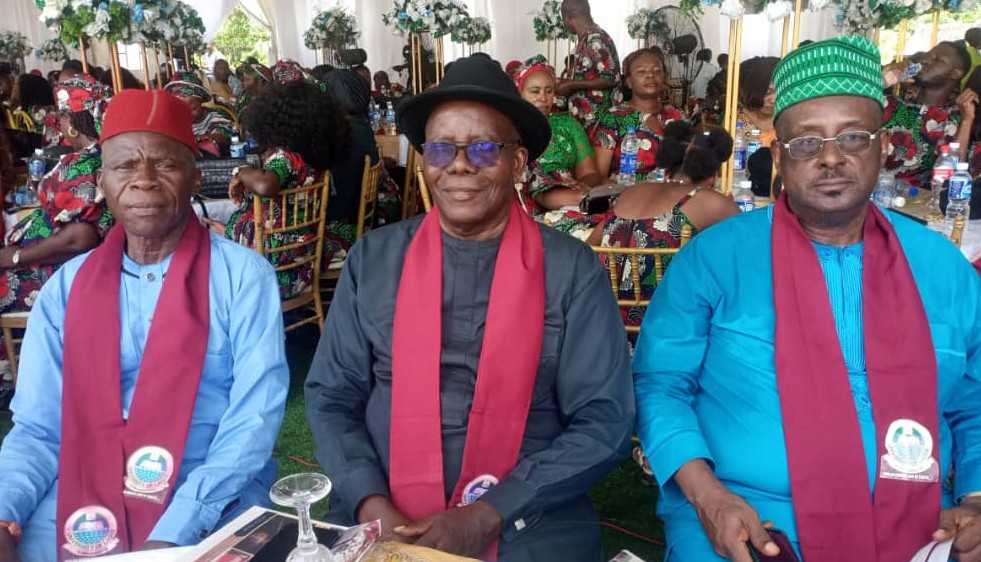
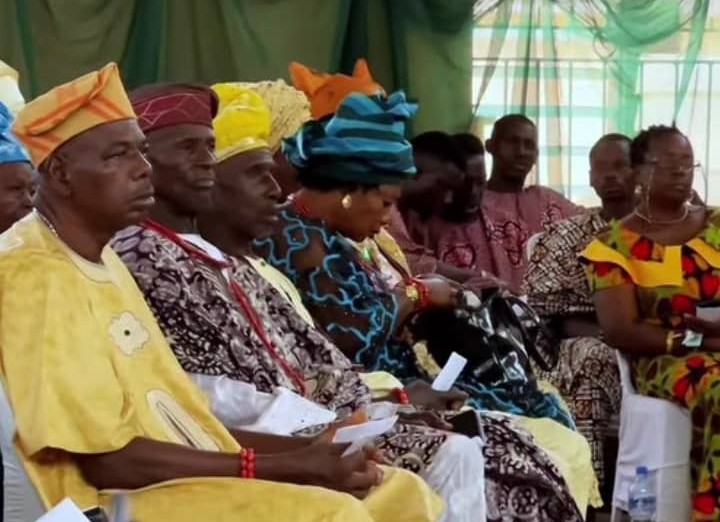
The Church service was held on Wednesday, April 30, 2025 at the Warri Cathedral, after which his burial took place, privately, at his residence at Otu-Jeremi. The entertainment of dignitaries and guests took place at the Otu-Jeremi Primary School ground, at which the Speaker of Delta State House of Assembly, Hon Dennis Guwor, several Commissioners and Honourable members of the Legislature, members of the Bench and Bar, several Chiefs, as well as a full compliment of Unilag Alumni members from both the Warri and Asaba branches, were visible present.

The Immediate Past Chairman of the Warri Circle, Dr. Babalola Falobi, represented the National President (Worldwide), Engr. Ifeoluwa Oyedele, FAEng, while the new Chairman of Warri Circle, Deacon Tony Onakpoma, and the Chairman of Asaba Branch, Barr. Emmanuel Diei, and numerous Alumni members, were also present at the event. The Unilag Alumni Association was well represented and properly recognised at the event.

The late Prof. Amos Utuama died a few months ago, at the age of 77 years. May his soul rest in peace.

Combating Misogyny and Tech-Facilitated Gender-Based Violence in Nigeria

>By Sanmi Falobi<

In the already saturated social environment of dealing with patriarchal contexts that limits and hinder the communication rights of girls and women, the emerging manifestation of Misogynistic actions and Tech-Facilitated Gender-Based Violence (TFGBV) is a growing subject of concern. This is so because these acts have been found to infringe on the communication rights of women and girls, online and offline. Indeed, this emerging trend has become increasingly visible as more Nigerians turn to digital platforms for communication, business, and social interaction.

According to a recent report, which entailed perspectives from expert discourse, social media monitoring and focus group sessions, it was revealed from the monitoring of social media platforms, that the advancement in the use of technology and digital devices, has translated the manifestation of Gender-Based Violence (GBV) from the physical/social realms to technological and social communication platforms.

Indeed, while technology has opened doors to new opportunities, it has also created avenues for abuse, particularly of women and marginalised groups. As the digital spaces for communication expanded across social media platforms, so has the infringement, repression and oppression of the communication rights of women and girls translated from the traditional forms of physical violence to digital spaces as Online Gender Based Violence (OGBV), otherwise known as Tech-Facilitated Gender-Based Violence (TFGBV).

According to the report entitled, ‘Trends & contexts of Misogyny and Tech-Facilitated Gender-Based Violence in Nigeria’, “many women face daily harassment on platforms such as Twitter, Facebook, and Instagram.”

The report, produced by Journalists For Christ International Outreach (JFC), the organisation for Christian Journalists and allied professionals in Nigeria, under a project, entitled ‘countering misogyny and online gender-based violence through monitoring, digital counter-narratives and advocacy actions’ is with the support of the World Association for Christian Communication (WACC) and Bread for The World – German Protestant Agency for Diaconia and Development.

Misogyny and TFGBV: twin evil of same coin

In Nigeria, girls and women often bear the brunt of acts that stems from patriarchal ideologies. Indeed, Misogyny and TFGBV have emerged as common manifestations that inhibits and repressed the communication rights of girls and women in digital spaces, as perpetrators now use social media platforms like X (formerly Twitter), Facebook and Instagram, among others, as platforms to perpetuate forms of violence against women.

These acts includes cyberbullying: bullying with the use of digital technologies; Doxing: revealing or publishing private information about a person online; Sexting: the act of sending sexual text messages, including nude, seminude, or suggestive photos; Online sexual harassment: Sharing of unwanted, online sexual messages, photos, or videos, with the intent to make victims feel threatened, exploited or humiliated; Trolling: deliberately upsetting other people by posting inflammatory content, including making dehumanising and derogatory statements or name-calling, body shamming, use of derogatory statement and spreading false information to create confusion or controversy about an issue that relates to the target, among others,

Case studies: Misogyny, TFGBF and denigration of women

It would be recalled that when Zenith Bank Plc, one of the leading commercial banks in Nigeria, announced the appointment of Dr Adaora Umeoji as its Group Managing Director/Chief Executive Officer (CEO), effective June 1, 2024, the announcement was hailed and widely celebrated as a significant landmark. The significance Dr Umeoji’s appointment, which was made public by the bank’s Company Secretary, Mr Michael Otu, is hinged on the fact that Umeoji is the first female GMD/CEO in the bank’s 35 years of existence.

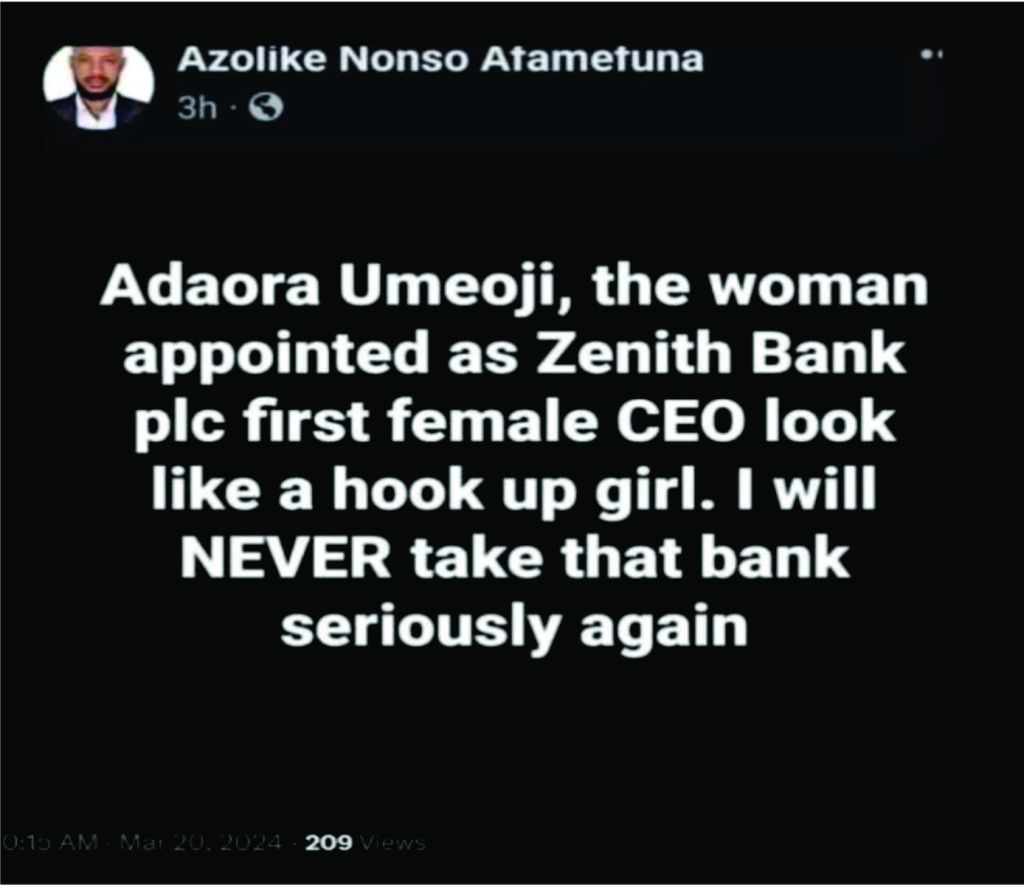
However, the release of the official picture of the new CEO was to become a subject of misogynistic statements by some persons online, among which was a post by a Facebook account holder by the name Azolike Nonso Afamefuna. The crux of the matter and the grouse of the Facebook post made by Afamefuna, on March 20, 2024, sequel to the announcement of Umeoji as the CEO of Zenith Bank was that she was ‘too beautiful’ to be a professional banker. Discarding her professional qualifications and experience, the post had insinuated that Dr Adaora Umeoji’s emergence as the bank’s CEO was because of her beauty and sexual escapades, rather than her professional qualifications or achievements. In the post, which was widely condemned, and which the account holder, later deleted with an apology, Afamefuna had stated that Umeoji looked like a ‘hook-up girl’, (a terminology which generally refers to a lady who is involved in casual sexual relationships).

The analysis of the post, which was one of the case studies referenced in the JFC report, was meant to objectify and demean her, disregarding all her qualifications and hard-earned positions through the management cadre of Zenith Bank to becoming CEO. The post according to the analysis in the report is a misogynistic statement that trivialises her career success and qualifications and as such was meant to reinforce harmful stereotypes that women, regardless of their achievements, are judged by their looks and not their professional competence. Ultimately, the post exemplifies how Misogyny undermines women in positions of power, portraying their presence as diminishing rather than empowering.

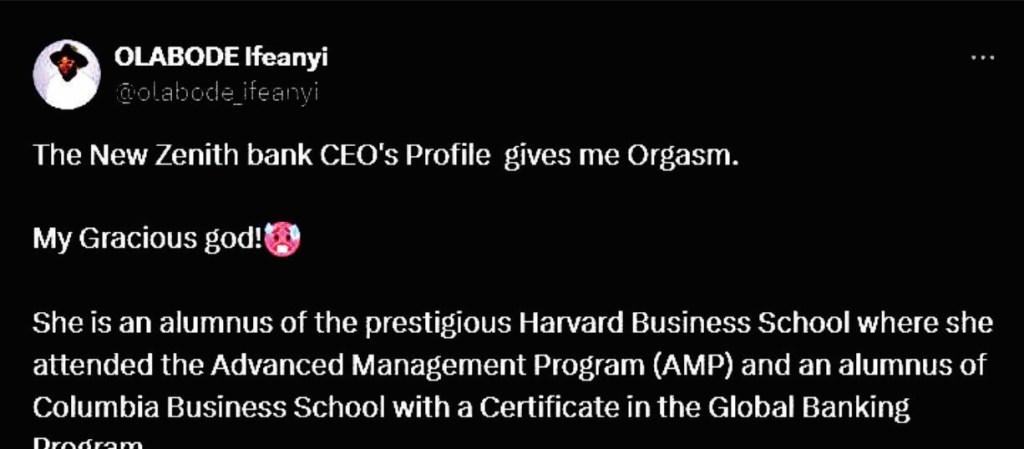
In a related post on X, a post by @olabode_ifeanyi had inadvertently stated that the “new Zenith Bank CEO’s profile gives me orgasm”. Though the content of the post was positive and celebrated the achievement of Dr Umeoji, the sexualisation of the title by the writer was interpreted to have a ‘mysogynistic intent’ by viewing her professional achievements through a sexual lens.

Though he later apologised and deleted the post, claiming that he was excited by the achievements of the newly appointed CEO, some social media users had reacted that the writer would not have used the word ‘orgasm’, if a man with a similar profile were to be appointed as the bank’s CEO.

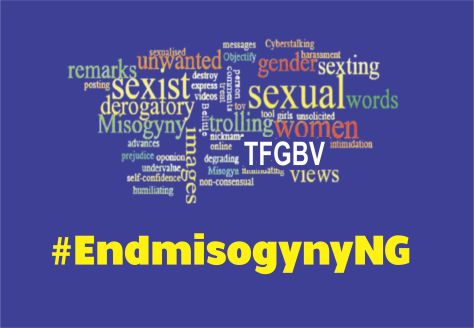
In responding to the emerging indicators, Blessing Oladunjoye, the project officer for JFC Nigeria, under the #EndMisogynyNG campaign initiative noted that Misogyny and tech-facilitated harassment and prejudice against women are becoming prevalent on social media platforms, though unknown by some perpetrators who just see it as catching fun.

According to her, “some of the comments and expressions on social media including sexual remarks, non-consensual posting of sexual images or videos, and related snide posts to demean women, were intentional, and stem from personal ideologies and background”. She lamented that keeping silent or overlooking such acts will continue to fuel the prevalence of Misogyny and TFGBV.

Blessing Oladunjoye

Giving further insight, she stated that the report, which entailed a social media monitoring exercise conducted between January and September 2024 on the trend of misogyny and tech-based GBV revealed that misogynistic content and cyberbullying are majorly spread on Facebook  (74.2%), followed by X (formerly Twitter) and Instagram (12.1% each), while TikTok only takes 1.5%.

According to her, the study examined 500 social media posts and identified 66 instances of cyberbullying, online harassment, and misogynistic content directed at women. Additionally, the study found that while some female genders were not exempted from the act, males were the most that posted misogynistic content.

“This makes it clear that misogyny/OGBV are perpetrated largely by the male gender with a representative value of 60.6%, females also participated, representing 16.7%, the undetermined is 9 representing 13.6% and a combination of both males and females was 9.1%”.

She highlighted the widespread discrimination against women in society, especially those who are at the highest levels of their professions and fields of practice, as a serious issue that must be addressed to propel sanity in society, noting the importance of educating the general public about the dangers posed by misogynistic content in society.

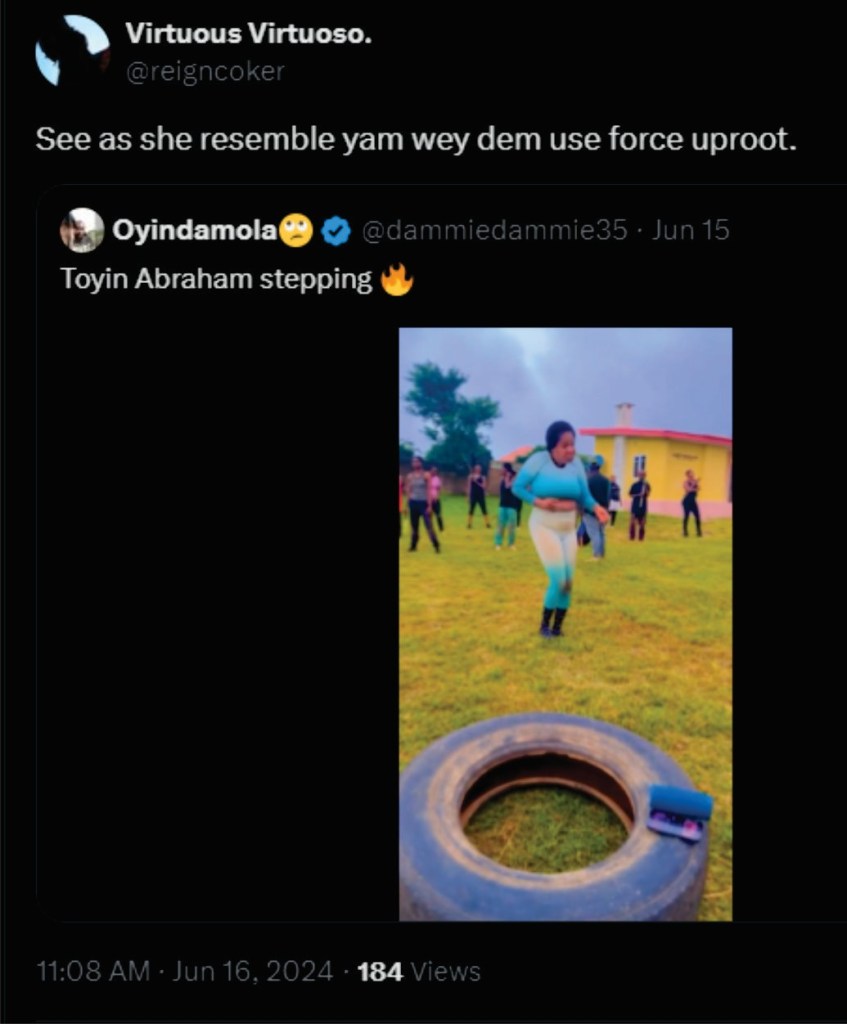
In another inference as contained in the report, Toyin Abraham (a Nollywood actress), in a demeaning and disrespectful manner was objectified with her legs described as ‘a yam that has been forcibly uprooted.’ While the original post which was viral on Facebook and Instagram was that of a short video with the headline, ‘Toyin Abraham shows off her amazing dance steps’ and ‘Actress Toyin Abraham Flaunts her Amazing Dancing Moves!’, the headline used by an X user @reigncoker on the short (7seconds) video post was a headline which was a derisive and deliberate statement to belittle and degrade her, reflecting an underlying attitude of Misogyny and disrespect for her achievements. The choice of words, expressed in indigenous pidgin language objectifies the actress, who was dancing, during what appears to be a work-out/exercise session.

According to the analysis, comparing her leg to ‘yam’, a staple food, is “an unflattering metaphor which is misogynistic and also reinforcing negative stereotypes”.

Other referenced case studies, beyond that of Dr Adaora Umeoji and Toyin Abraham include misogynistic statements against Funke Akindele another Nollywood Actress, and other persons, of the female gender.

Understanding and mitigating Misogyny and TFGBV

There are several general definitions and explanations about Misogyny. While the Collins dictionary defined it as ‘a strong dislike of women’, the Cambridge dictionary defined it as ‘feelings of hating women or the belief that men are much better than women’ and Merriam Webster dictionary defined Misogyny to mean ‘hatred of, aversion to, or prejudice against women’.

Referencing internetmatters.org, the report alluded that misogyny in the online space is largely found in videos, images and forums or comment sections. It includes name-calling or use of slur language suggesting women are lesser than men, or use of vulgar images or photos and content that puts down women.

While Misogyny is generally defined as the dislike, hatred of, contempt for, or prejudice against women or girls, typically exhibited by men, or acts and actions showing feelings of dislike for women, an adaptation of the broad 5 statement of definitions by london.gov.uk explained Misogyny to include acts or attitudes that “objectify women, such as to treat a person like a tool or toy, as if they have no feelings, opinions, or rights of their own; belittle women or girls in conversation, such as using sexist nicknames or using derogatory remarks; seek to control women’s behaviour; use intimidating or humiliating behaviour to destroy a woman’s self-confidence and undermine her; treat women differently from men in social and professional settings; and pursue/express unwanted sexual comments or advances on women.

Tech-Facilitated Gender-Based Violence (TFGBV) on the other hand is described as “the form of gender-based violence which is predominantly carried out online, on digital spaces/platforms. It can be described as targeted harassment and prejudice against women through technology-based, online channels or platforms.”

According to Mrs Ugonma Cokey, the Vice President of JFC and the focal lead of the #EndMisogynyNG Project, cyberbullying of women as a form of tech-based gender-based violence is on the rise. She noted that data from research and  Focus Group Discussions (FGDs) with about 100 people, including female journalists, students from tertiary institutions, professionals and men, has exposed that there are syndicates of online predators whose mission is to cyberbully women, noting that this validates general perspectives that women are often harassed and objectified in their lines of profession and through sexual text messages, and social media posts/contents to misrepresent and dehumanise the female gender.

Ugonma Cokey

“Women seeking leadership positions in their career advancement are frequently stigmatised as a result of societal male dominance. Women with disabilities are also the victims of online gender-based violence as they encounter profiling by the members of the public while they also receive sexual advances from the opposite gender”, she noted.

Mrs Cokey emphasised the importance of collaborating with men for strategic role-playing to combat misogyny and tech-based gender-based violence against women, as the majority of the content is perpetuated by the male gender.

Impact of Misogyny, TFGBV and need for collaborative actions

The increasing attacks on women on social media and other platforms are taking a psychological and emotional toll on the victims, as “it tends to force women to conform to societal pressures, often against their will,” Mrs Funmi Falobi, a mass communication lecturer and gender advocate, lamented.

“Mysogyny and TFGBV often targets women and this breaks the willpower of women and reduces women’s participation and contribution in society.It causes psychological harm, leading to a defeatist attitude and stalled ambitions. It limits the potential of women and can destroy ambition, conforming women to societal stereotypes. It also leads to depression, suicidal thoughts, and stigmatisation”.

Funmi Falobi

Suggesting the mitigation strategy to challenge tech-based gender-based Violence, Mrs Falobi, who is the coordinator of the Initiative for social Impact and Sustainable Development (ISISD) as well the gender expert for the JFC #EndmisigynyNG movement called for increasing awareness and more collaboration among civil society stakeholders to stem all forms of attack against female gender across the social strata

She noted that everyone, including the media, has a key role to play.

“Promoting responsible social media practices and collaborating with institutions to create awareness are essential steps in mitigating misogyny and TFGBV. Increased media reporting on the issues and encouraging storytelling to educate others are vital in the fight against misogyny, TFGBV and indeed any form of repression of the rights of women/girls.”

She also urged journalists and the media to report on women’s issues with an inclusive mindset and without prejudice, and to refrain from using sexist language when disseminating information, as this could further encourage misogyny in society.

Mr Lekan Otufodunrin, JFC President and the Project Coordinator, also urged journalists to maintain professionalism while doing their jobs and prioritise peace consciousness when reporting issues around gender-based violence.

Lekan Otufodunrin

He noted that journalists have powerful roles to play to reshape perspectives in society, both online and offline and as such, it is imperative for them to focus on the narratives that will create positive impacts on society generally.

He noted that the issues around Misogyny and TFGBV are of global concern and as such, the initiative by JFC Nigeria as a member of the WACC Africa membership network is a pilot scheme that calls for broader stakeholders’ involvement in focusing on achieving the priority purpose of providing information, assessing trends in manifestation and taking mitigation actions to address emerging incidences of gender discrimination and rights repression within the online/digital space.

Enhancing Youth Education: Olajide Awe Foundation Supports 250 Students with Free UTME Forms

>By Sanmi Falobi<

About 250 students from communities across Oriade Local Government Area of Osun state are on the edge of having their aspirations for tertiary education fulfilled, courtesy of the Ogbeni Olajide Awe Foundation (OOAF), which, as part of its educational advancement initiatives shall be purchasing and donating UTME forms to 250 students that will be writing the 2025 JAMB exams. The initiative, which is up-scaling the previous year’s gesture where about 100 UMTE forms were purchased for indigent students is part of the foundation’s commitment in advancing education for the youths.

The event, which was also organised as part of the official physical launch of the Ogbeni Olajide Awe Foundation, held at the auditorium of the Youth Empowerment Centre, in Iwoye Ijesa, Oriade Local Government Area of Osun State.

According to the founder of OOAF, Olajide Awe, who was subsequently honoured with the Chieftaincy title of Ariwajoye of Iwoye-Ijesa, by His Royal Majesty, the Oniwoye of Iwoye-Ijesa Kindgom, Oba Ogidiolu Amos Adewumi, Otokobo II, the foundation’s intervention is aimed at bridging gaps in access to education, alleviate poverty, and inspire hope through impactful initiatives.

“It is with a heart full of gratitude and humility that I stand before you on this momentous occasion for the physical launch of the foundation. Today, we gather here not just to celebrate an achievement but to reaffirm a commitment to a purpose much greater than ourselves: the empowerment and education of young minds in our community. First and foremost, I give all glory to God for His grace and favour that have made this day a reality”, he said.

OOAF founder, Olajide Awe

Olajide Awe noted that the gesture, is a way of giving back to society and that the initiative aligns with his tradition of celebrating his birthday, which falls due annually on January 3.

He added that the initiative is to contribute in easing the financial burden on families and as well inspire students to pursue academic excellence.

In his welcome speech, he noted that the OOAF was birthed with a simple, yet profound mission: to empower lives and bring smiles to faces, particularly through education without any political undertone.

“Education is the cornerstone of progress, the tool that transforms individuals and uplifts communities. It is our firm belief that by investing in education, we are building a brighter and more prosperous future for all. Education is not a scam. After carefully observing those deprived of education, analysing those who have experienced the transformative power of schooling, and interacting with passionate learners, I have realised one thing—if there is anything worth pursuing in life, it is education’, he said.

“In January 2024, during the virtual launch of this foundation, we provided 100 UTME registration forms to deserving candidates and supported them with tutorials. Today, as we mark this physical launch, we are proud to distribute 250 UTME registration forms, ensuring more young minds have access to opportunities that can shape their future.

“However, we cannot do this alone. This is a mission that requires collective effort. I invite everyone here—our traditional rulers,  clergymen,  distinguished guests, my network of friends, and community members—to join hands with us on this journey. Your support is vital. Together, we can break barriers, create opportunities, and build a brighter future for the next generation. This is a movement powered by hope, fueled by education, and strengthened by community. Join us as we transform lives—one student at a time”, he added.

Overwhelmed and surprised by the unexpected and unanticipated honour bestowed on him as a Chief, the Ariwajoye of Iwoye-Ijesa expressed his gratitude for the support of the royal fathers and other eminent personalities who graced the occasion.

“I appreciate the presence of your Royal Majesty, The Oniwoye of Iwoye Ijesa Kingdom, Oba Ogidiolu Amos Adewumi, Otokobo II; Your Royal Majesty, the Owaloko of Iloko ijesa, Oba (Dr) Akeem Olusayo Ogungbangbe, Ajagbusi Ekun VI; Your Royal Majesty, the Onitegun of Itegun Ijesa, Oba Oluwaseyi Ogunniyi, and Your Royal Majesty,  Elegboro of Ijebu Jesa, Oba Engr Moses Olufemi Agunsoye, Abikehin Ekun.

Connected by Royalty; the Owaloko of Iloko ijesa & the Oniwoye of Iwoye Ijesa Kingdom

I also appreciate the presence of the Iwoye-Ijesa Council of Chiefs, the Clergymen present, our distinguished speakers, my beloved mother and dear family members,  all student bodies, beneficiaries, and members of this great community”, he added.

The Oniwoye of Iwoye Ijesa Kingdom, the Onitegun of Itegun Ijesa & OOAF Founder

Meanwhile, the Coordinator of the Foundation, Elizabeth Bamisaye, who is in charge of the registration of students under the scheme, noted that the foundation as a non-governmental, non-profit organization is solely launched to help provide for the less privileged in all sphere of life.

“We would be touching the young and the old as we further progress in life.  We are presently starting with students who are done with secondary school and looking forward to writing UTME in 2025. We would register them, tutor them, and give them guidance in their choice of schools and discipline,” she noted.

She added that the foundation has recorded some testimonies.

Elizabeth Bamisaye

“Last year, we obtained JAMB forms for about 70 students and guided them through tutorial classes. As a result, we achieved notable successes. If I am not mistaken, in the entire Oriade Local Government Area, one of our students achieved the highest score of 262, along with other impressive scores such as 251, 245, 236, and 228, which rank among the best results last year. Several of our students also gained admission into higher institutions. So, without a doubt, there are indeed testimonies.

“There are also testimonies from the parents and guardians, including the Oniwoye of Iwoye Ijesa, Oba Amos Adewumi Ogidiolu, Otokobo II, who stated that providing JAMB forms free of charge is one of the successes achieved under his reign as king”, she added.

Giving his perspectives, Michael Babayemi, President of the Federation of Iwoye Ijesha Students’ Union noted that he would be glad to be part of the expected impact of the initiative.

“The programme, being the first of its kind, was really impactful. I’ve not had students message me about a particular course (JAMB) for a long time now, but they’ve been doing that now.

Elizabeth Bamisaye and Michaeal Babayemi

Judging from last year’s results, it has helped lots of students and I believe this year’s will be better than last year’s. I have been responding to the students and telling them the right desks to submit all they need to submit.

If there’s any area I can be of help, I’ll gladly render my assistance/help,” he added.

According to the programme statement of the foundation, other initiatives ahead, apart from educational support shall include skill acquisition, capacity building, and community development projects.

Inspiring inclusion: ISISD partners NIJ for IWD 2024

By Jimoh Oluwaseyi

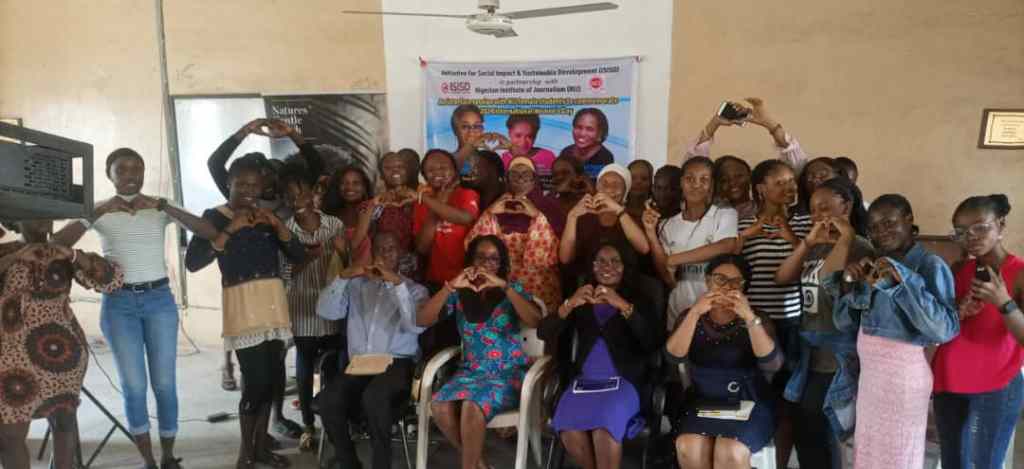
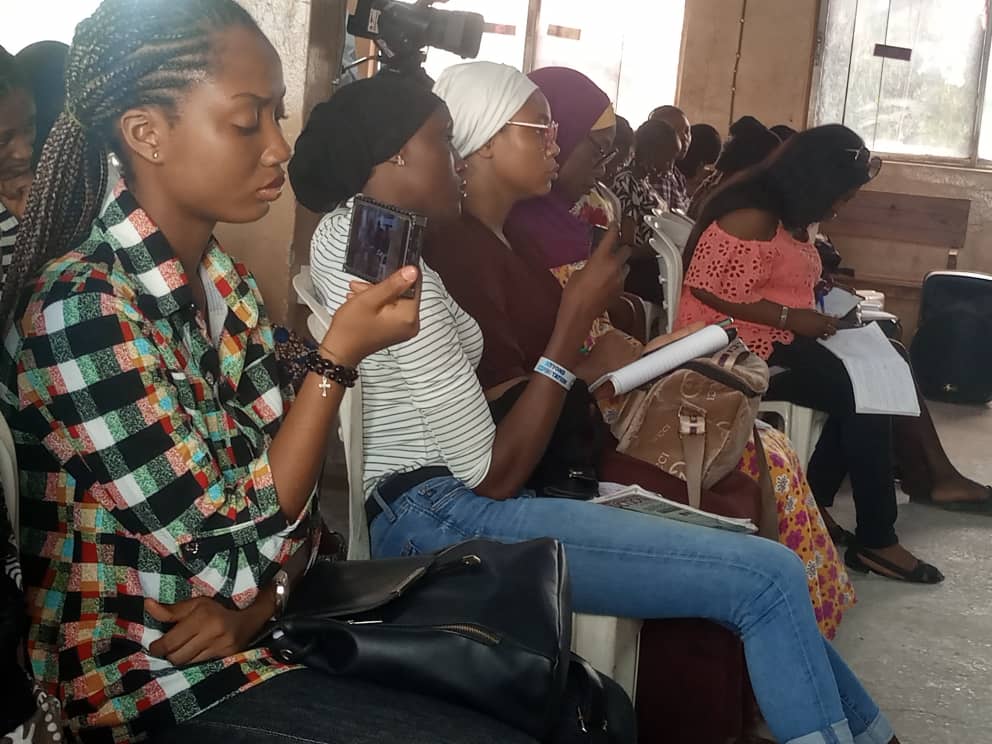
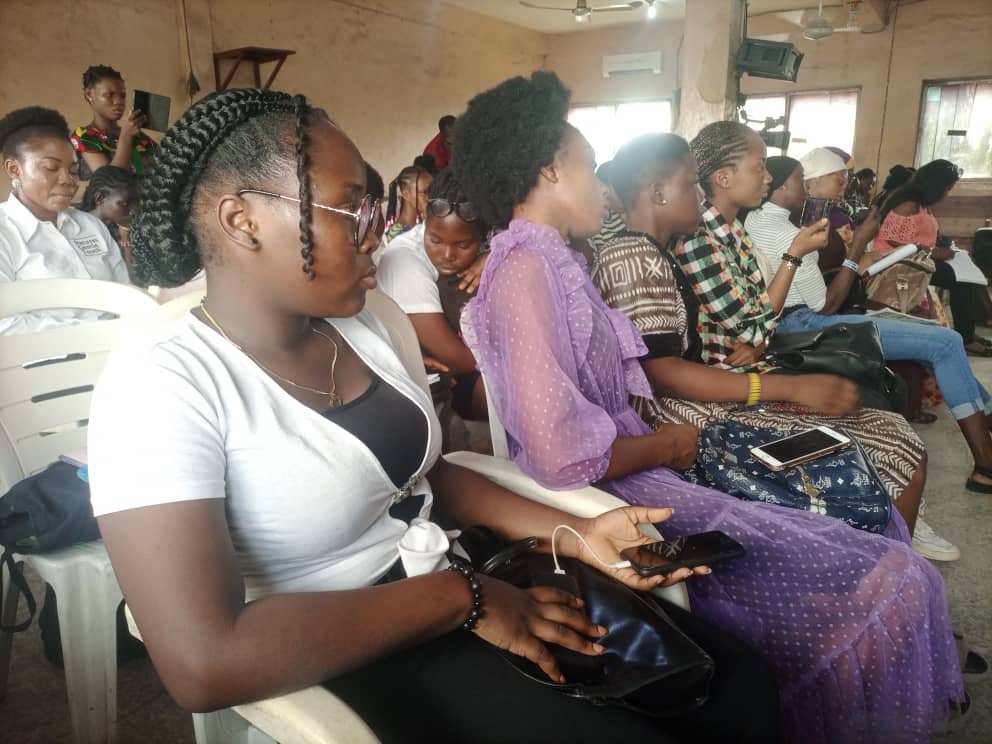
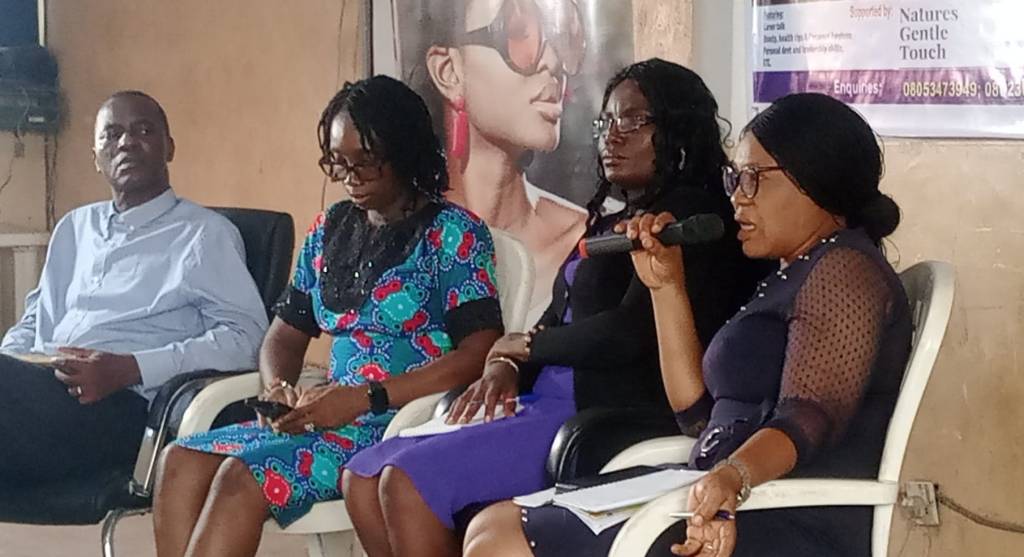
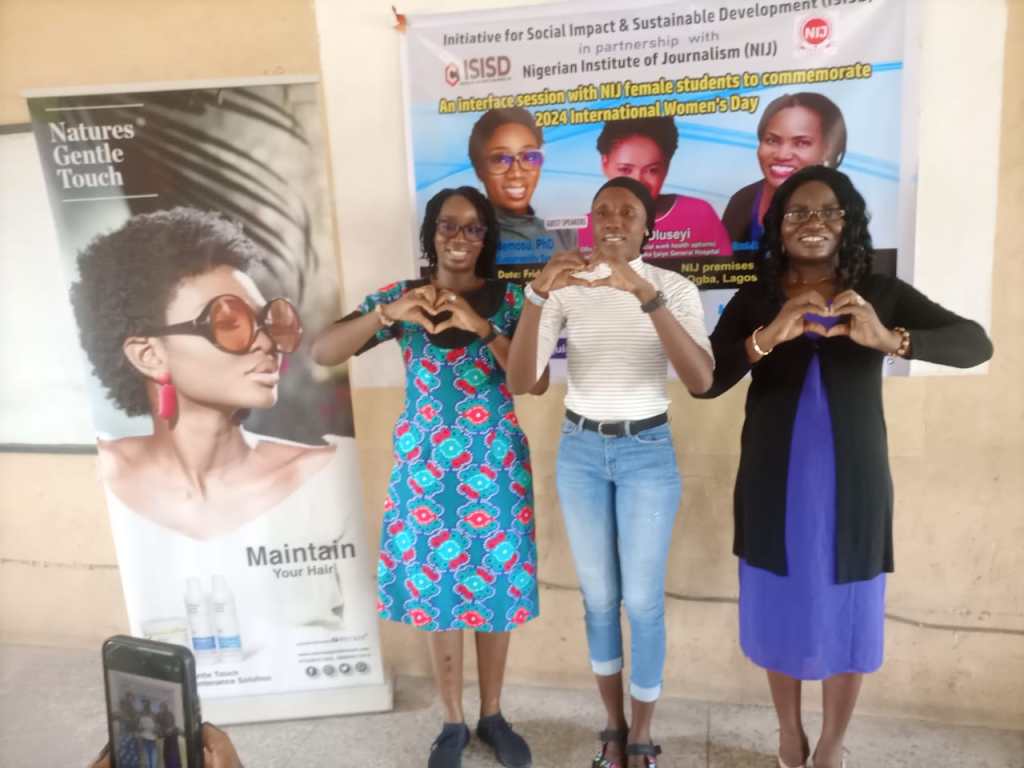
It was a session of impactful learning when the Initiative for Social Impact and Sustainable Development (ISISD) and the Nigerian Institute of Journalism (NIJ) partnered to commemorate the 2024 International Women’s Day (IWD) with a capacity building programme for the female students of the institute.

The event, which held at the NIJ premises on Friday, March 8, 2024 was centred around the IWD 2024 theme, “Invest in women: Accelerate progress” with the campaign hashtag #InspireInclusion.

Dr Ifedolapo Ademosu, a Communication and Sustainability Specialist in her presentation titled: ”Write Your Own Story,” charged the students to define who they want to be and set their goals.

Using the Harold Lasswell’s Model of Communication process in driving home her point, she encapsulated the need for a woman to know- who she is, what is going on with her, when she wants to begin to effect a change, where she really wants to be in the future, how to overcome life’s obstacle and understanding why she wants to achieve those goals.

“Focus on where you are going because the road to success is not straight
“Set your goals. Ask the right question and collaborate with people,” she advised.

Dr. Ademosu motivated the female students by making suitable references to past phenomenal women in the media space. Adding, “You don’t fight the male gender. What you need to do is learn how to negotiate. You need to understand the limitation of the environment you are.”

Also speaking, the Chief Nursing Officer, Ifako Ijaiye General Hospital, Lagos State, Mrs. Oluseyi Olaitan shared with the students vital health tips on the need for women to embrace and prioritise holistic health if indeed these potential mothers want to produce a healthy nation.

She admonished that the students must be socially fit, physically stable, mentally alert and spiritually healthy to be able to cope with life issues.

She urged them not to abuse drugs but encouraged them to eat healthy and take time to rest.

“It is true things are hard but make use of the minimal resources available. Drink water, take fruits. When you are healthy, immunity is high, your body will be able to fight disease. To be healthy you must have a good rest,” she urged.

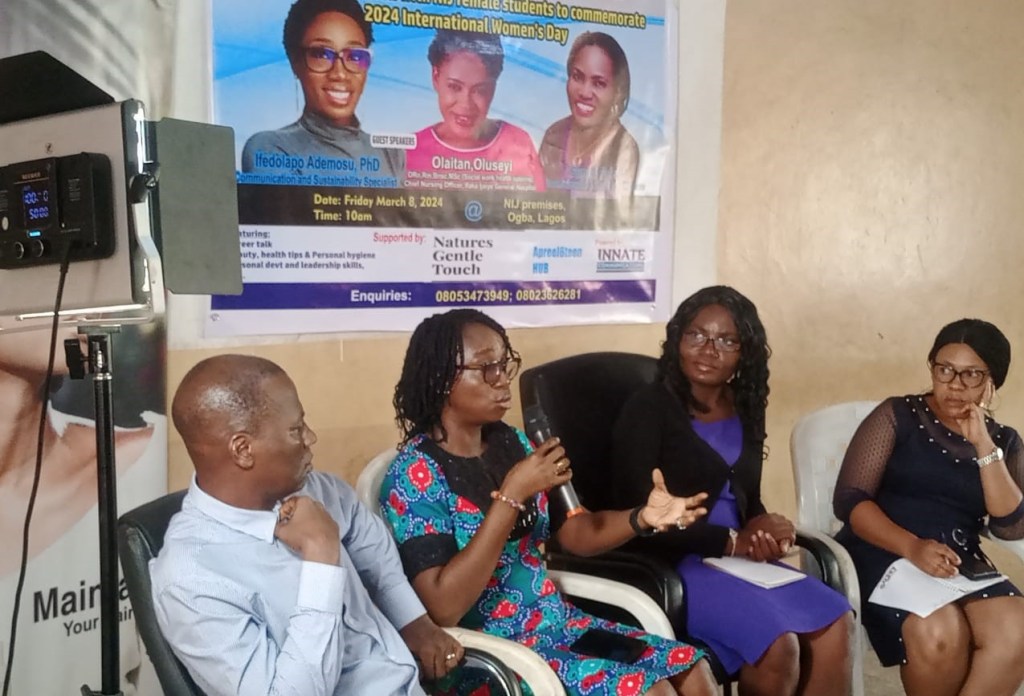
L-R: Lekan Otufodunrin , Ifedolapo Ademosu, Funmi Falobi and Oluseyi Olaitan

Contributing to the session, the Executive Director, Media Career Development Network, Mr. Lekan Otunfodunrin challenged the female students through the lifestyle of Oluwatoyosi Ogunseye, a former female student of the institute who is making a meaningful impact in her world.

He said Oluwatoyosi was a former Sunday Editor at the Punch Newspaper but soared to become a senior editor at the British Broadcasting Corporation (BBC) and currently the President of an international organisation.

“You need to inspire yourself. There is no position in the media that women have not occupied. There is nothing impossible that women cannot do in the media. You are able. Don’t let anyone tell you women have not done it. Include yourself if nobody includes you. Speak up,” Otufodunrin said.

To spice up the event, Nature’s Gentle Touch, a subsidiary of Recare, engaged the participants with tips on proper hair care. In a speech to commemorate the event, the CEO, Recare, Mr. Chijioke Anaele, explained that this year’s IWD theme aligns with Nature’s Gentle Touch brands initiative which includes investing in, uplifting and empowering women with skills and knowledge.

Represented by Mfon Nkereuwem, he said the brand specifically formulated for the Nigerian woman using natural ingredients have been supporting women by creating unique products that provide solutions to their hair and scalp problems.

“Our state-of-the-art Hair Institute, with a team of seasoned professionals is one of the largest conservatoire of beauty and style education in sub Sahara Africa. We are always on ground to provide insights into personalized hair/scalp care routines treatment designed specifically for the health of your hair and scalp,” he stated.

Earlier, the facilitator of the event, a social development advocate and development journalist, Mrs. Funmi Falobi, in her opening remark stated that there is need for women to embrace their personality while purposefully strategising to achieve higher feats in life and career.

She reiterated the reasons to address gender inequality and the need to embrace better inclusion through proper self positioning.

“As young female journalists, you must know that there is no limit to what you can achieve in lfe and career. You must believe in yourself. You must reinvent yourself, explore opportunities and get mentorship which will help you to attain your full potential in your field of endeavours,” Falobi advised.

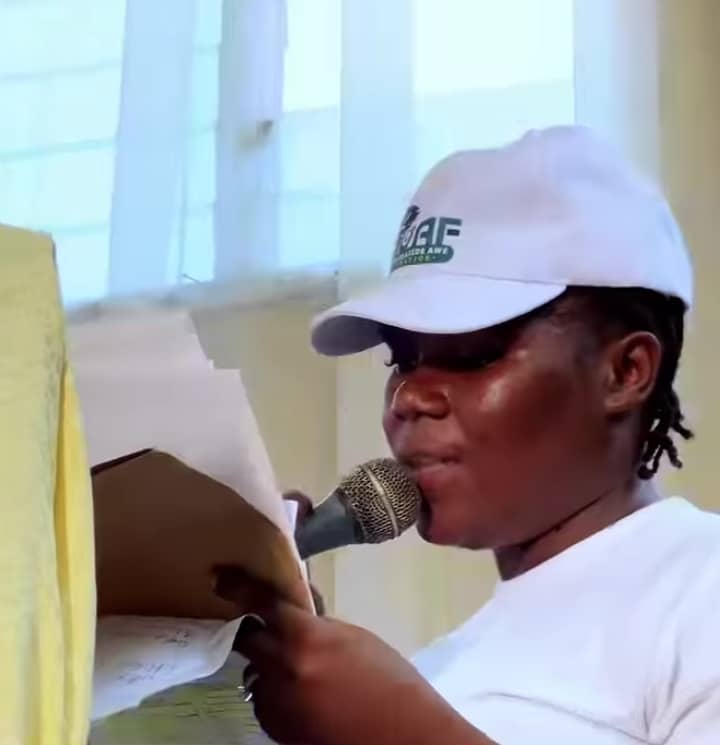
There was also a poetic performance by Jimoh Elizabeth Oluwaseyi entitled: “This Wombed-Man Called Woman,” an inspiration and appreciation of the feminine gender.

The interface session afforded the students to ask various questions pertaining to womanhood and career advancement and suitable answers were provided.

The students expressed their sincere and heartfelt appreciation to the speakers as they were determined to accelerate progress just like the theme of the International Women’s Day suggests.