All posts by socialdevelopmentnews

I am Funmi Falobi, Development Journalist, PR professional, Social Entrepreneur and lead contributor/Editor, Social Development News. Beyond journalism, I am also passionate about advancing social causes and empowerment, especially for children, youth and women.

Peculiarities of the Challenges Faced by Men and Boys in Africa: A Deep Look at Mental Well-Being

>By Oluwaseun Ola-Daniels<

Across Africa, men and boys face unique mental health challenges that often go unspoken, misunderstood, or ignored. These challenges are not merely personal; they are structural and cultural, deeply rooted in social expectations surrounding strength, emotional control, and success. While mental health conditions affect people of all genders and ages, men and boys on the continent experience them in distinctive ways due to entrenched cultural norms, economic pressures, limited access to care, and persistent stigma.

A Widespread but Under-Recognised Crisis

According to the World Health Organization (WHO), nearly 150 million people in Africa are living with mental health conditions, including depression, anxiety, and substance use disorders. Despite this scale, access to mental health services remains severely limited, particularly outside major urban centres.

Suicide is another pressing concern. WHO data indicate that Africa’s age-standardised suicide rate stands at 11.5 per 100,000 people, with men accounting for a disproportionate share of these deaths. In many African countries, including Nigeria, men die by suicide at significantly higher rates than women. This pattern mirrors global trends but is intensified by region-specific social and economic pressures.

Cultural Expectations: “Be Strong” at All Costs

One of the most powerful influences on male mental health in Africa is the cultural expectation that men must be unshakeably strong and emotionally restrained. From an early age, boys are taught—directly and indirectly—that vulnerability equates to weakness. Phrases such as “boys don’t cry” and “man up” are commonly used to discourage emotional expression and help-seeking behaviour.

Psychologists and mental health advocates argue that this rigid cultural script pushes many boys and men to internalise stress, anxiety, and emotional pain rather than express it or seek support. Over time, this silent endurance often manifests in harmful ways, including depression, substance misuse, aggression, and, in extreme cases, suicide.

Nigeria: A Case Study of Young Men and Mental Strain

Nigeria presents a stark illustration of how these pressures intersect. Research has shown that 82.5 per cent of adolescent boys in a Nigerian correctional facility exhibited symptoms of psychiatric disorders, including disruptive behaviour, substance use, anxiety, and mood disorders.

Substance abuse among young Nigerians is particularly alarming. National surveys reveal that 14.4 per cent of people aged 15 to 64 report drug use—almost three times the global average. Anxiety disorders affect millions nationwide, and men are three to four times more likely than women to die by suicide.

Economic insecurity further compounds these challenges. High youth unemployment, financial instability, and the entrenched expectation that men must act as providers exacerbate feelings of hopelessness, shame, and depression among young men. These realities reveal how multiple pressures—emotional suppression, economic uncertainty, substance misuse, and interaction with the criminal justice system—converge to worsen mental health outcomes.

Societal Stigma and Limited Access to Help

Across Africa, particularly in rural areas, access to mental health services is grossly inadequate. Nigeria, for instance, has fewer than 0.1 psychiatrists per 100,000 people—a figure far below what is required for a population exceeding 200 million.

In many communities, mental health challenges are interpreted through spiritual or cultural frameworks, prompting families to seek help from traditional healers or religious leaders rather than trained mental health professionals. While such support may offer comfort, delays in professional intervention often worsen conditions. Combined with stigma, these barriers mean that many men only seek help when they are already in crisis, if they seek it at all.

Barriers Unique to Men: From Silence to Suicide

Experts consistently observe troubling patterns across the continent. Men are generally less likely to seek mental health support due to stigma and restrictive gender norms. In several African countries, male suicide rates far exceed those of women. In places such as South Africa, men are reported to die by suicide up to five times more often than women.

Young men face additional burdens from economic instability, unemployment, and social expectations of financial responsibility. Together, these factors create an environment in which men and boys suffer in silence—often with fatal consequences.

Conclusion: A Crisis That Demands Compassion

Mental health is not merely a personal concern; it is a societal responsibility. When boys and men are expected to suppress their pain, ignore emotional distress, and conform to rigid definitions of masculinity, the consequences are devastating. Lives are lost, families are broken, and communities are weakened.

Addressing this crisis requires compassion, listening, and systemic change. By challenging harmful norms, expanding access to mental health services, and creating spaces where emotional well-being is recognised as a fundamental part of human health, Africa can begin to heal a deeply rooted and dangerous silence.

Oluwaseun Ola-Daniels is Programme Manager, Mega Impact Foundation, Delta State.

IPC, CEMESO, CSO coalition task NASS on harmonisation of electoral bill, real-time results

>By SDN<

Civil Society Organisations (CSOs) have issued a clarion call to the National Assembly, urging the lawmakers to harmonise the Electoral Bill and validate real-time electronic transmission of election results ahead of the 2027 general elections.

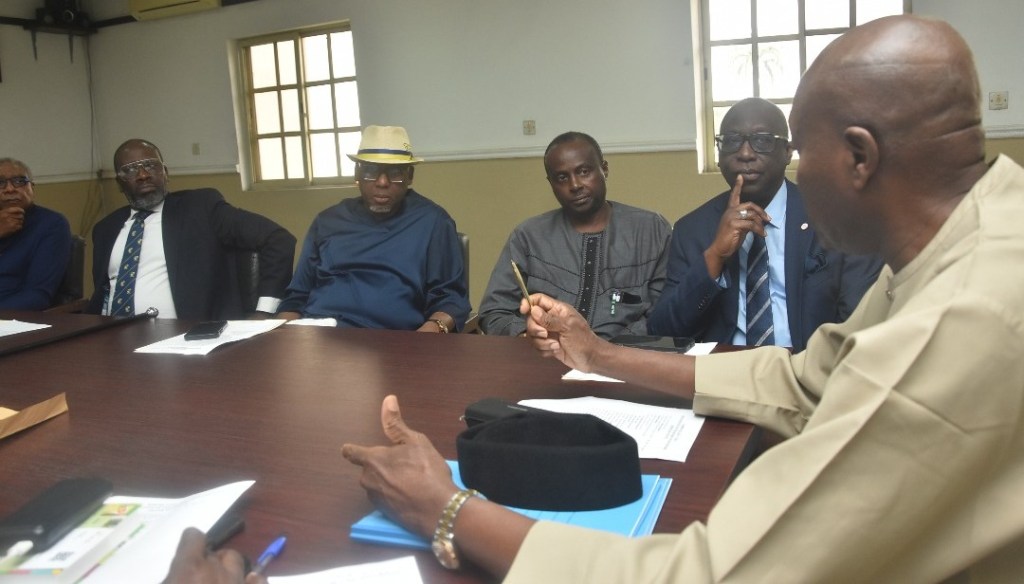
This call was echoed at a Press Conference in Lagos where two frontline CSO leaders, Mr. Lanre Arogundade of the International Press Centre (IPC) and Dr. Akin Akingbulu of the Centre for Media and Society (CEMESO), expressed deep concern over the Senate’s rejection of electronic result transmission, the exclusion of downloadable missing and unissued voter cards, and the shortening of critical electoral deadlines.

The duo, who are part of a CSO coalition—including The Kukah Centre, ElectHer, Nigerian Women Trust Fund, TAF Africa, Yiaga Africa, Spaces 4 Change, CAPPA, and WARDC—also called for a technology-neutral approach to electronic result transmission.

According to Dr. Akingbulu, the divergence between the Senate and the House of Representatives on the amendments could have profound implications for the integrity of the 2027 general elections.

“The divergence between the Senate and the House of Representatives on these amendments has significant implications for the credibility of the 2027 elections. Electoral reform is not merely a procedural exercise; it is fundamental to ensuring transparency, predictability, and the legitimacy of democratic transitions.

“The protracted amendment process has created legal uncertainty, delaying INEC’s constitutionally mandated electoral preparations and potentially undermining its ability to conduct credible elections. Since the Senate vote, public discourse has been saturated with conflicting narratives regarding its precise position,” he said.

He emphasised that delays in concluding the electoral amendment could compromise preparations for the 2027 elections.

“The ongoing legal uncertainty appears to have deterred INEC from releasing the timetable for the 2027 elections, potentially placing the Commission in breach of the extant law. The 2022 Electoral Act remains in force until amended.

We urge INEC to issue the election timetable and schedule for the 2027 general election in accordance with the 2022 Electoral Act without further delay. This would fulfil statutory obligations, protect the Commission from legal challenge, provide political parties, candidates, and civil society with certainty for systematic preparations, and establish baseline timelines that any subsequent amendments could adjust through transitional provisions if necessary. Indefinite postponement pending legislative resolution only compounds administrative challenges and legal vulnerabilities,he said.

As the Senate prepares an emergency plenary session on Tuesday, 10 February 2026, the coalition called on it to seize the opportunity to adopt clear, unambiguous provisions. These should mandate real-time electronic transmission and collation of results, allow for downloadable missing and unissued voter cards, and retain timelines for election notice, submission of candidate lists, and publication of nominated candidates.

Adding further perspectives on the issue, Mr. Arogundade noted thus:

“Designated election officials should transmit all results in real time from polling units and collation centres to a public portal. These results should verify any other figures before final collation. The House of Representatives’ position on downloadable voter cards should also be adopted. During the 2023 elections, over 6.2 million registered voters were effectively disenfranchised because they did not collect their PVCs. Downloadable PVCs eliminate this barrier and open the door to fuller participation”, he said.

“Electoral timelines must be retained: 360 days for election notice, 180 days for submission of candidate lists, and 150 days for publication of nominations. Shortening these timelines increases risks, constrains ballot production and distribution, and heightens the likelihood of operational failure”, he added.

The coalition also recommended broadening eligibility to report electoral results to include political parties, candidates, accredited party agents, and observers, creating a multi-stakeholder accountability framework that strengthens the credibility of the process.

Finally, the CSOs called on the National Assembly to conclude the amendment process and transmit the final bill to the President within two weeks, urging citizens to hold legislators accountable. They stressed that public interest and electoral integrity must take precedence—through real-time electronic transmission, downloadable PVCs, and protection of timelines essential to credible elections.

The eyes of the nation are on the National Assembly. Every delay, every compromise, could affect the very foundation of our democracy. We cannot afford to gamble with the 2027 elections,” the coalition warned.

Prof. Jeremiah Ojediran: Leadership without noise, legacy without end

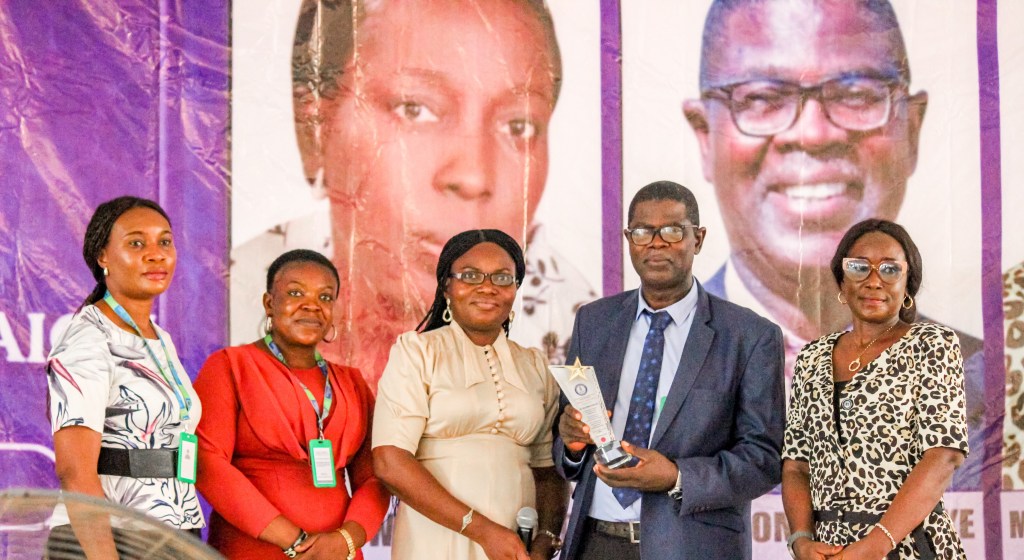
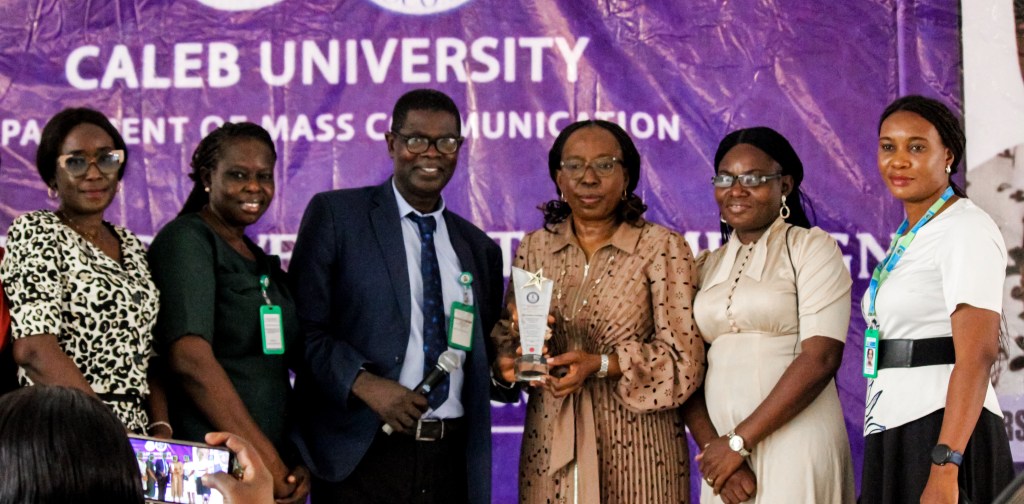
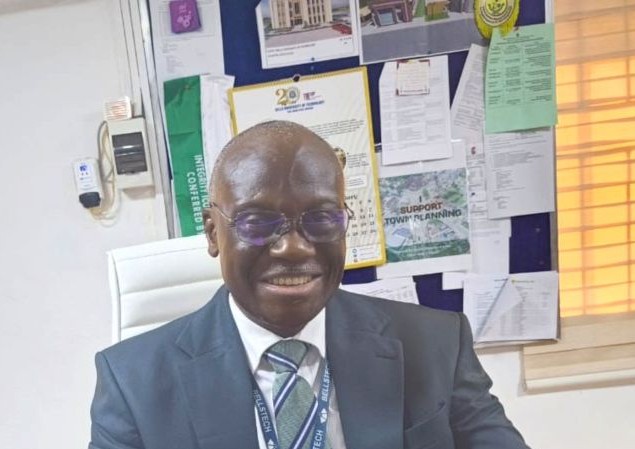
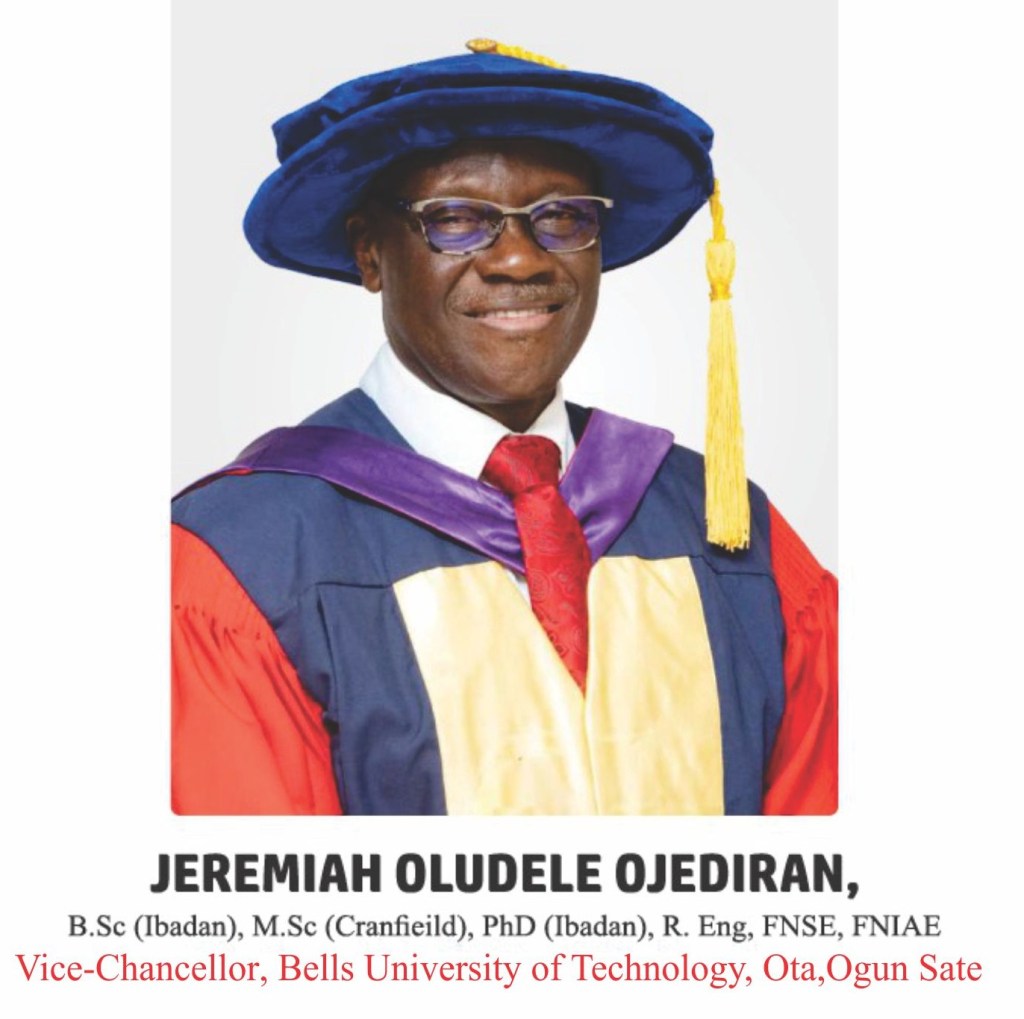
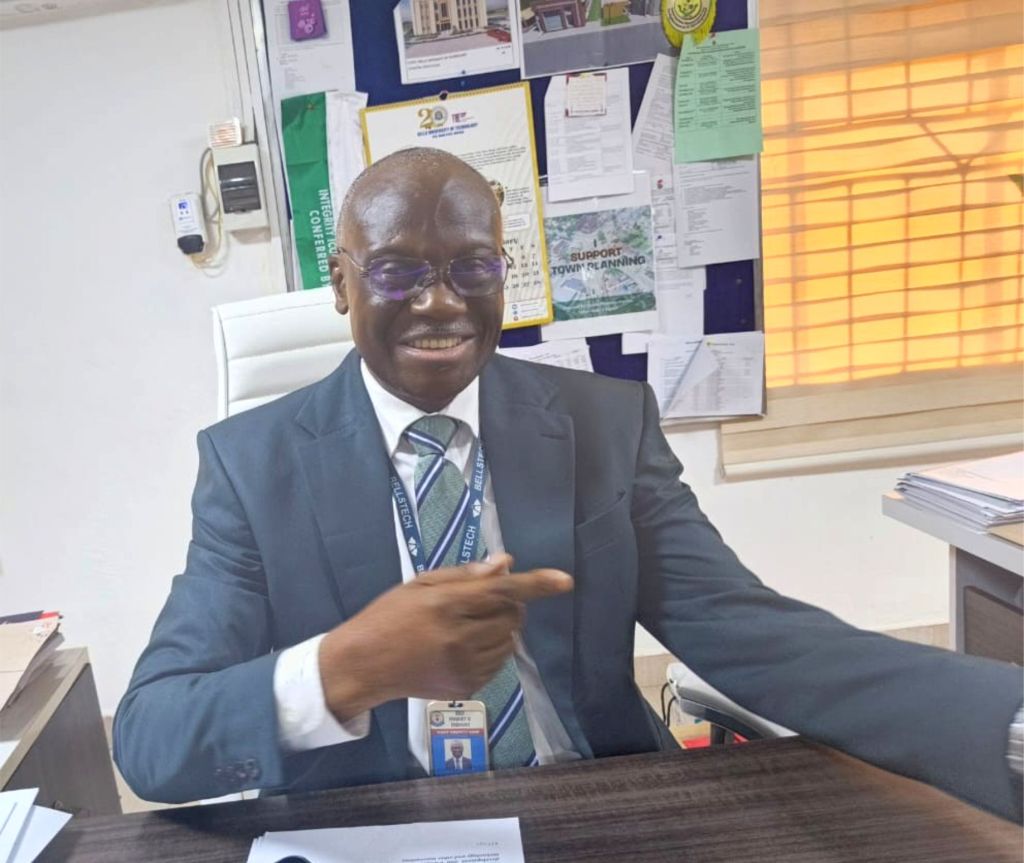
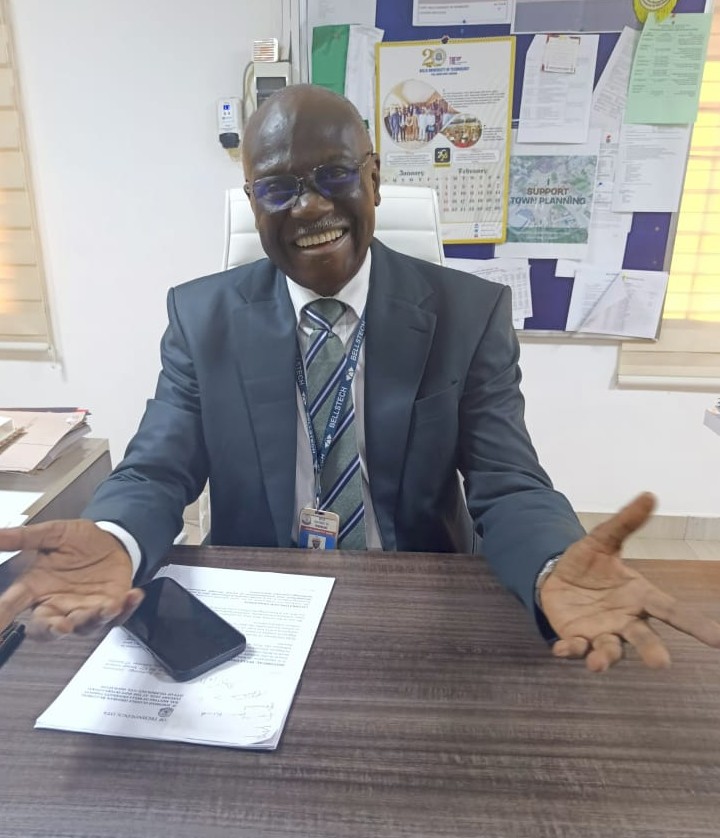
Calm in tone, firm in principle and deeply purposeful in action, Professor Jeremiah Oludele Ojediran, Vice-Chancellor of Bells University of Technology, Ota, Ogun State, does not command attention through volume of words, he does it through action, impact and transformational leadership.
In a world increasingly shaped by loud influence and fleeting fame, his leadership speaks quietly yet powerfully — through character, consistency and conviction.

As a distinguished academic and engineer, Professor Ojediran, R.E. (COREN), FNSE, FNIAE, ION, is not only a master of his craft but a proven performer and transformational leader. Combining technical mastery, human insight, and wise management of resources as an educational administrator, he has transformed institutions, strengthened systems, and guided students and staff in navigating academic, professional, and personal challenges — showing that excellence, integrity, and strategic vision can create lasting impact.

His life sends a simple but profound message: where you begin does not determine how far you can go. At a time when many young people feel disillusioned by economic instability and shrinking opportunity, Professor Ojediran stands as proof that leadership anchored in values, knowledge and purpose still inspires. His is not a story of hurried success, but of greatness built deliberately.

From curiosity to calling

Every remarkable journey begins with a spark. For Professor Ojediran, that spark was ignited not in a laboratory or lecture hall, but beside a local motorcycle mechanic’s workshop. As a boy, he would watch in fascination as engines were dismantled and reassembled, sensing instinctively that machines held stories he wanted to understand.

“My journey into science and engineering began in Form Four at Baptist High School, Jos,” he recalls. “My elder brothers were already in the science stream. Their enthusiasm influenced me, and I chose Physics, Chemistry, Biology and Additional Mathematics.”

Yet his interest in engineering predated secondary school. The mechanic’s workshop near his home became an informal classroom.

“The real catalyst was a motorcycle mechanic near our home. His workshop was a place of wonder for me. I spent hours observing him work. I even told my father I wanted to become a mechanic,” he noted.

For a time, Biology drew him towards medicine. However, childhood health challenges — including undergoing three major surgeries — forced a reassessment. “I realised medicine might not be suitable for me. Engineering aligned better with my temperament and abilities.”

When life redirects the plan

Professor Ojediran’s academic path was anything but linear. Admitted to the University of Ibadan to study Wood Engineering, he initially sought to transfer to Mechanical Engineering. Administrative constraints prevented this, but the university’s structure required all engineering students to take common courses for the first two years. By his third year, he transitioned into Agricultural Engineering — a discipline that combined mechanical principles with agricultural application, satisfying both interest and practicality.

Like many of his generation, he initially envisaged a career in industry rather than academia. After graduating and completing his National Youth Service in Irrua, present-day Edo State, he explored corporate and government roles.

Then came an unexpected turn.

“My entry into academia was not planned,” he admits. While exploring employment options, he noticed an advert for an Assistant Lecturer position at the Polytechnic of Sokoto, Birnin-Kebbi. He applied, was interviewed, and was offered the role.

Before resuming, two additional offers arrived — from the Federal Ministry of Land Resources in Kaduna and the Federal School of Soil Conservation in Jos. He briefly worked in Kaduna but found the role unfulfilling. Birnin-Kebbi called.

“I planned to stay only six months,” he says. “But the institution provided accommodation and a car loan. That convinced me to remain.”

Six months became twelve formative years. In retrospect, that unplanned detour became the foundation of a lifelong vocation. As John Lennon once observed, life is what happens while you are busy making other plans.

Birnin-Kebbi: the crucible of leadership

Birnin-Kebbi was more than a workplace; it was a furnace that forged leadership.

There, Professor Ojediran was mentored by Alhaji Sabi Saleh, then Head of Department — a disciplined administrator who groomed him for leadership long before he realised it himself.

When Alhaji Saleh left the institution, Professor Ojediran was unexpectedly appointed Acting Head of Department, despite being younger than many of his peers.

The Rector placed his confidence in him, granting both responsibility and autonomy. It was a daunting but defining opportunity.

“Upon settling into the Polytechnic of Sokoto State, Birnin-Kebbi in 1980, I found myself fortunate to be mentored by Alhaji Sabi Saleh, Head of Department (HOD) at the time. Alhaji Saleh was not just a remarkable administrator, but also a thoughtful mentor who groomed me for the challenging administrative roles that awaited me. Under his guidance, I acquired a wealth of experience in handling departmental affairs, much of which I would later rely on in my career.

His influence was fundamental in shaping my administrative skills, and I am deeply grateful for the experience,” he noted.

“When Alhaji Saleh left the Polytechnic, to my surprise, I was given the opportunity to step into his shoes as the Acting HOD. Although I was much younger than the other Heads of Department, the Rector placed his faith in me, recognising qualities I was not fully aware I possessed. He gave me the freedom to manage the department, trusting me to lead it effectively.

This level of responsibility, while daunting, also presented a profound opportunity for growth.”

One of the defining milestones of his tenure as Acting Head of the Department of Agricultural Engineering was his leadership in restructuring the department into two specialised areas: Agricultural Mechanisation and Irrigation. This strategic division was not merely administrative; it represented a forward-looking reorganisation that aligned the department with evolving professional and national development needs.

Following his term as Head of Department, his responsibilities expanded when he was appointed Coordinator of the Industrial Training (IT) programme, now known as the Student Industrial Work Experience Scheme (SIWES), for the College of Science and Technology — the largest college on campus. Through diligent coordination and disciplined oversight, he strengthened the programme’s impact, ensuring that students gained meaningful and relevant industrial exposure. His effective leadership in this role subsequently earned him the position of Acting Director of SIWES.

His insightful contributions at board meetings and the tangible successes recorded during his leadership as Head of Department further distinguished him. These qualities led to his appointment as Acting Dean of the School of Engineering, following the withdrawal from service of the substantive Dean, Mr Asamoah, a Ghanaian national.

Shortly thereafter, the institution underwent a major restructuring, resulting in the creation of two distinct entities: the College of Science and the College of Engineering. As the serving Dean at the time, he was consequently appointed Acting Director of the College of Engineering, reinforcing institutional confidence in his leadership and marking another significant ascent in his academic administrative career.

As Head of Department and later Acting Dean, he confronted ethnic tensions, religious sensitivities, institutional politics and professional rivalry. One incident, in particular, nearly cost him his life.

“I vividly recall one incident that underscores the subtle but fragile religious atmosphere I was navigating. A student came into the examination hall with a book which I did not recognise as the Qur’an. In an effort to enforce examination regulations, I threw the book aside, inadvertently committing what they perceived as an act of religious sacrilege. This escalated into a potentially dangerous situation, as some individuals were prepared to attack me over what they saw as an act of disrespect to their religion. It took a great deal of humility and numerous apologies on my part to defuse the situation, and I count myself fortunate to have emerged unscathed and alive.”

That incident left a lasting impression. From then on, he understood that leadership in a diverse society requires cultural intelligence, restraint and empathy as much as authority. The pressures eventually made him reconsider his future at the Polytechnic.

In search of new opportunities

Around 1990, while seeking new opportunities, he encountered two respected academics — Professors Aboaba and Makanjuola — who redirected him once again, this time to the newly established Oyo State University of Technology (now LAUTECH) in Ogbomoso, his hometown. There, guided again by familiar mentors, he re-entered academia at a higher level.

“The ethnic and religious tensions, along with other challenges, led me to reconsider my future at the Polytechnic. Around this time in 1990, I had a conversation with my father-in-law, who provided me with a letter of introduction to Air Vice Marshal Larry Koinyan, the then Chairman of the Directorate of Food, Roads and Rural Infrastructure (DFFRI). When I arrived at DFFRI, I had the fortune of meeting two distinguished personalities: Professor Aboaba and Professor Makanjuola.

Professor Aboaba had been my Dean during my third year at the University of Ibadan, and he was thrilled to see me. He encouraged me to join DFFRI, but one of them cautioned me that the organisation lacked stability. Instead, I was handed a letter of recommendation to Professor Olusegun Oke, the Vice-Chancellor of the newly established Oyo State University of Technology (OSUTECH), now Ladoke Akintola University of Technology (LAUTECH), in Ogbomoso, which happened to be my hometown.

As fate would have it, Professor ‘Segun Oke was appointing lecturers for the Department of Mechanical Engineering at LAUTECH. He instructed me to submit my CV to Professor E. B. Lucas, the Dean of Engineering at the time. Coincidentally, Professor Lucas had also been my mentor during my undergraduate studies at the University of Ibadan. In a fortunate turn of events, this connection led me back into academia, and I found myself rejoining the academic fold for the second time at a higher level.”

Reflecting on his years in Birnin-Kebbi today, he noted that those years taught him that true growth comes not from comfort, but from confronting adversity.

“Ultimately, my journey in Birnin-Kebbi was a testament to the fact that smooth seas may offer comfort, but it is the storms that truly shape us. It was through overcoming these complexities that I uncovered the resilience, adaptability and leadership qualities that would guide me throughout the rest of my career. I emerged from my time there not only as a more skilled academic and leader, but also as a person more aware of my own strengths, limitations, capacity for growth and the need for reliance on the Divine.”

Mentorship: the quiet architecture of success

Behind every successful scholar stands a constellation of mentors. Professor Ojediran’s earliest was an unlikely one: a primary school teacher.

Between Primary One and Three, Arithmetic terrified him — until Mr Fehintola arrived. Teaching with oranges, guavas and bananas, he transformed fear into understanding. For the first time, Professor Ojediran scored full marks. Confidence replaced anxiety.

In secondary school, teachers such as Mr Angba, Mr Zacchaeus and Mr Ketiku deepened his love for Mathematics and Physics. At the University of Ibadan, Professors Lucas, Bamiro and Igbeka instilled academic rigour and integrity. Administrators like Alhaji Sabi Saleh and Professor Oke taught leadership through discipline and example.

From these experiences emerged a conviction: mentorship is not optional for greatness; it is essential.

Today, he mentors deliberately, believing that leadership without succession is failure postponed. He emphasises humility, openness to feedback and patience — virtues that sustain long-term relevance.

The doctoral furnace

Perhaps no period better exemplifies Professor Ojediran’s humility and willingness to learn than his PhD journey. Under the supervision of a former classmate who had become an exacting and uncompromising scholar, he faced relentless critique, repeated rejections and moments of doubt. At one stage, a manuscript returned with the stark comment: “This is not of doctoral standard.”

However, instead of becoming disheartened, he approached each critique as an opportunity to grow. Humility allowed him to separate himself from the work, to absorb the lessons embedded in every correction, and to refine his thinking with patience and precision. Rather than resist the criticism, he embraced it, listening carefully to feedback, reflecting deeply and using every correction as an opportunity to improve.

From this experience, he drew a profound lesson: a PhD is not merely an academic qualification, but a training ground in humility, perseverance and intellectual endurance.

For young scholars, he advises that one must detach ego from feedback, focus on improvement rather than praise, and recognise that rigorous critique is a signal of the seriousness with which one’s potential is being evaluated.

Reinventing and advancing: a pathway to greater opportunities

For Professor Ojediran, progress has never been accidental; it has been shaped by deliberate reinvention and a constant pursuit of relevance. His academic journey through leading institutions in Nigeria and the United Kingdom reflects a steady rise built on purpose, discipline and excellence in Agricultural Engineering.

While the foundation was laid at the University of Ibadan (1975–1979), where his fascination with engineering found direction and meaning in solving real agricultural challenges, he later broadened his expertise at the SILSOE College, Cranfield Institute of Technology, UK (1983–1984), earning an MSc in Agricultural Engineering (Soil and Water) — an experience that exposed him to global best practices and sharpened his technical vision.

Reinvention remained central to his professional life. His transition from the polytechnic system into the university environment required more than experience — it demanded advancement. At LAUTECH, he rose through the ranks while pursuing requisite academic criteria to properly fit into the university system, earning a PhD in Agricultural Engineering (Soil and Water) at the University of Ibadan (1993–1997), equipping himself with the intellectual depth and resilience that would define his academic and leadership career.

In 2004, he was pronounced Professor of Agricultural Engineering — a defining milestone that affirmed a principle he often shares: adaptability is the currency of long-term relevance. In doing so, Professor Ojediran exemplified a powerful truth: lasting relevance belongs to those willing to evolve in pursuit of greater opportunities.

Leadership beyond title

At LAUTECH, Professor Ojediran’s rise was defined by performance. Recognised for diligence and reliability, he was entrusted with key administrative roles. Even when regulations initially prevented him from becoming Head of Department, the Senate created a coordinating role in acknowledgement of his leadership capacity.

As Deputy Dean, Acting Dean and later Deputy Vice-Chancellor, he strengthened systems, improved accreditation outcomes, expanded postgraduate programmes and upgraded infrastructure.

By the time he was elected Deputy Vice-Chancellor in 2008, his reputation for competence, integrity and foresight was firmly established.

Integrity under pressure

Towards the end of his tenure, LAUTECH was engulfed in a political succession crisis following the removal of the then Vice-Chancellor before end of tenure. In the ensuing crisis, Prof Ojediran was announced by the Osun State government as Acting Vice-Chancellor, while the Oyo State Government announced another person.. This placed him under surveillance, threat and pressure. He however refused to be used as a pawn. Guided by conscience and prayer, he declined the position and worked quietly to restore institutional calm.

“Towards the end of my tenure as Deputy Vice-Chancellor, the university became the center of a heated succession crisis. This followed the forceful removal of Professor Benjamin Adeleke as Vice-Chancellor by the Oyo State Government, one of the university’s owner states. Appointed in October 2005, Professor Adeleke was expected to serve a full five-year term, concluding on September 30, 2010. Yet, the ongoing ownership dispute between Oyo and Osun States cut his tenure short. In his place, Professor Nassir Olanrewaju was installed as Acting Vice-Chancellor.

In a counter-move, the Osun State Government announced me, the Deputy Vice-Chancellor, as their candidate for Acting Vice-Chancellor. The sudden appointment came as a complete shock. It was a position I neither sought nor desired. Overnight, I found myself caught between two formidable political forces, each viewing the leadership of LAUTECH as a symbol of their influence and ownership rights.”

At the height of it, he had to reject the offer to be VC and chose to ease himself out of the system. At the point in time, he had to accept a visiting appointment at the University for Development Studies in Tamale, Ghana, which provided renewal and global exposure. After a year, he returned to Nigeria, and realising that the crisis in LAUTECH was atill ongoing, he reactivated his leave to be a visiting professorship at Landmark University in Omu Aran, Kwara State. From March 1, 2013, to February 28, 2014. He thereafter was seconded to Adeleke University as a Visiting Professor and foundation Dean of the Faculty of Engineering.

From there, he applied to head Bells University of Technology.

“After two fulfilling years at Adeleke University, the position of Vice-Chancellor there was advertised. I applied for the role, and around the same time, Bells University of Technology also announced the vacancy for its Vice-Chancellor position. I applied to both universities and performed exceptionally well in the interviews. Guided by prayer, I resolved that I would accept whichever offer came first.

As fate would have it, the day Adeleke University’s letter was due for delivery to the proprietor for approval, he was away in Dubai. Before his return, Bells University of Technology had already extended their offer, which I accepted. On August 1, 2016, I officially assumed office as the Vice-Chancellor of Bells University of Technology, Ota.”

Transforming Bells University

When Professor Ojediran assumed office as Vice-Chancellor in 2016, Bells University faced low morale, salary arrears, declining enrolment and a weakened academic culture.

However, through strategic reforms — financial restructuring, service outsourcing and operational stabilisation — he restored confidence. Salaries were regularised, making the 25th of every month symbolic of renewed trust.

Recognising that degrees without skills were no longer sufficient, he embedded ICT certifications across all levels in partnership with New Horizons Nigeria. Graduates now leave with both degrees and globally recognised skills.

The Student Work Experience Programme was also redesigned into a hands-on industrial model involving construction, wiring, production and fabrication. “We stopped asking students to imagine engineering,” he said. “We asked them to practise it.”

Staff development became a priority, transitioning the institution from contract dependence to a strong base of full-time, PhD-holding academics. Research structures improved global visibility, while campus infrastructure expanded — supported by a strong working relationship with the Promoter, Chief Olusegun Obasanjo.

Legacy Beyond Office: Lessons for the Next Generation

Beyond the count of his years, Professor Jeremiah Ojediran, who celebrated his 70th birthday on 13 January 2025, stands as a living testament to values that rise above age, office and era. While his journey spans many decades of service and scholarship, it is his principles — not his chronology — that define his true legacy and enduring relevance to the next generation. His legacy is not merely etched in achievements, but in principles that speak across generations, lighting the path for those who will come after him.

At the heart of his life’s message are the following timeless truths:

  • Purpose outlives position — for roles may change, but a life anchored in purpose continues to shape the world long after the seat is vacated.
  • Mentorship is a responsibility — not a favour, but a sacred duty to lift others as we rise.
  • Adversity is a teacher — every trial, when embraced with courage, becomes a classroom for wisdom.
  • Excellence is a habit — not an occasional act, but a daily discipline that defines true greatness.
  • Character sustains success — for without integrity, even the brightest triumphs fade into shadows.

Indeed, as he steps into a new phase of impact and transformational leadership later in 2026, having served two terms of five years each as Vice-Chancellor of Bells University of Technology, his influence will certainly not diminish — but will be multiplied and carried forward in the lives he has shaped, the minds he has sharpened and the values he has so steadfastly embodied.

His, is a story that confirms the truism that the greatest legacy is not what we build for ourselves, but what we awaken in others.

…………………………………………………………………………………………

>>>>By Sanmi Falobi

Credits: Valedictory Lecture — Guiding the Next Generation: Lessons from a Professor’s Academic Journey, by Professor Jeremiah Oludele Ojediran.

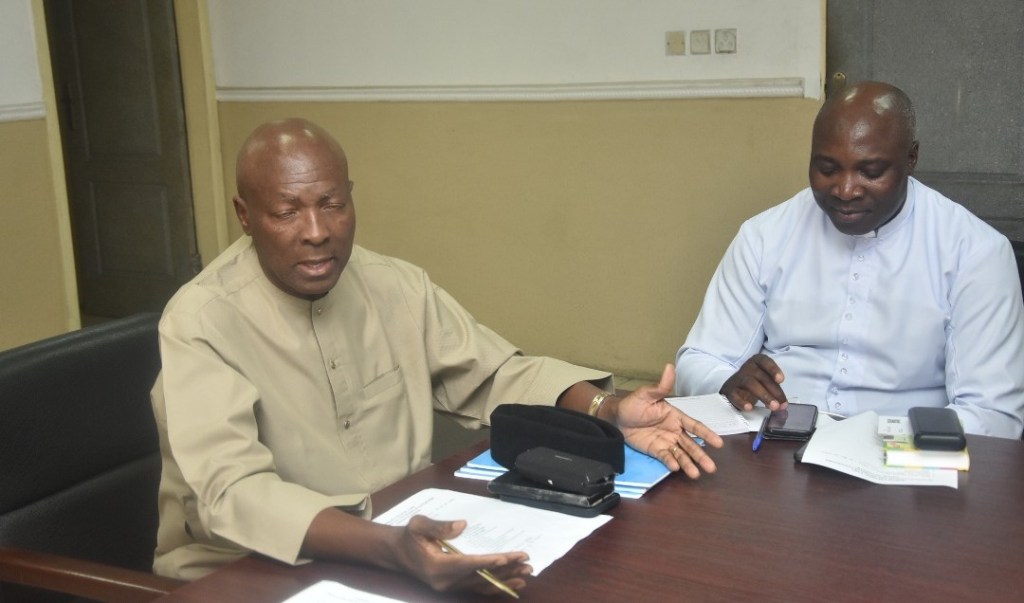
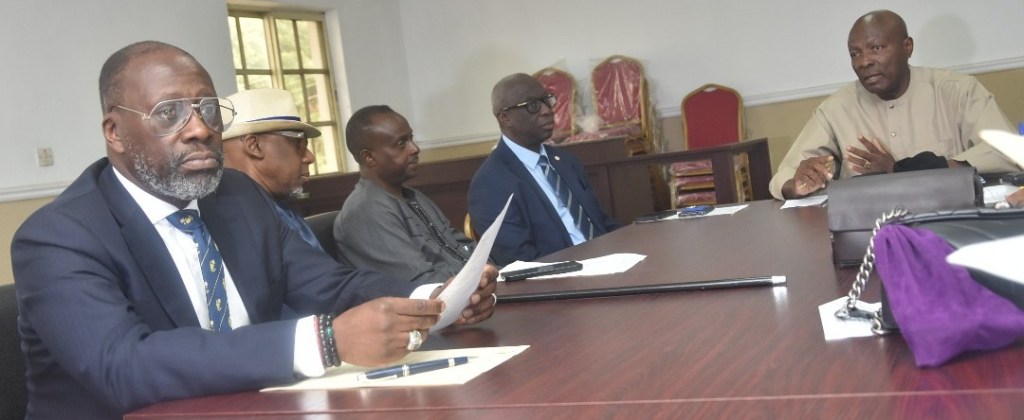
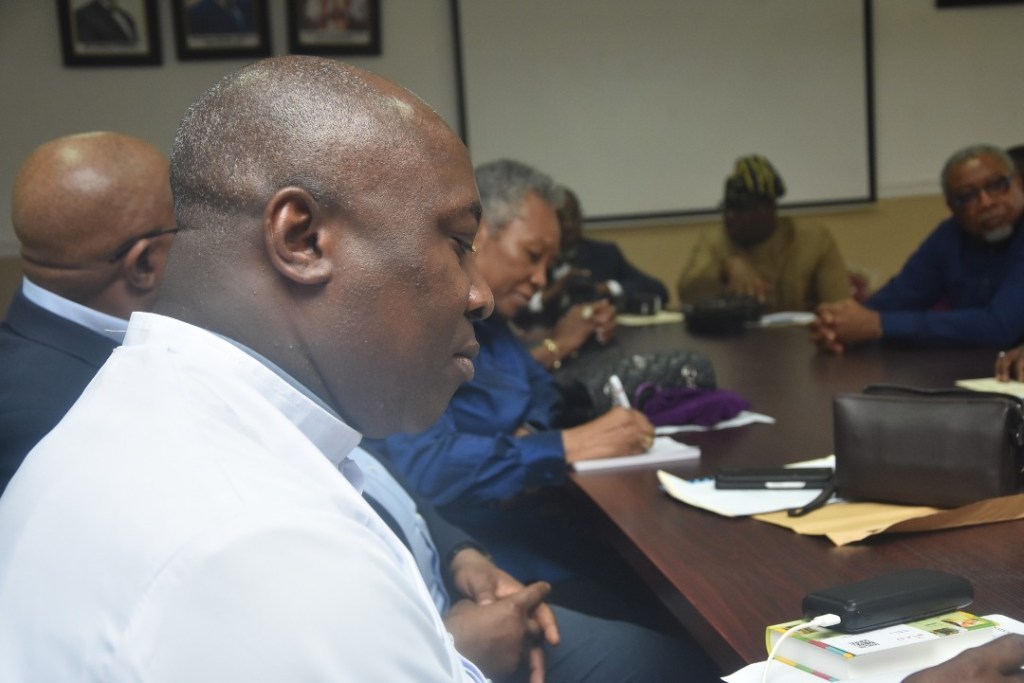
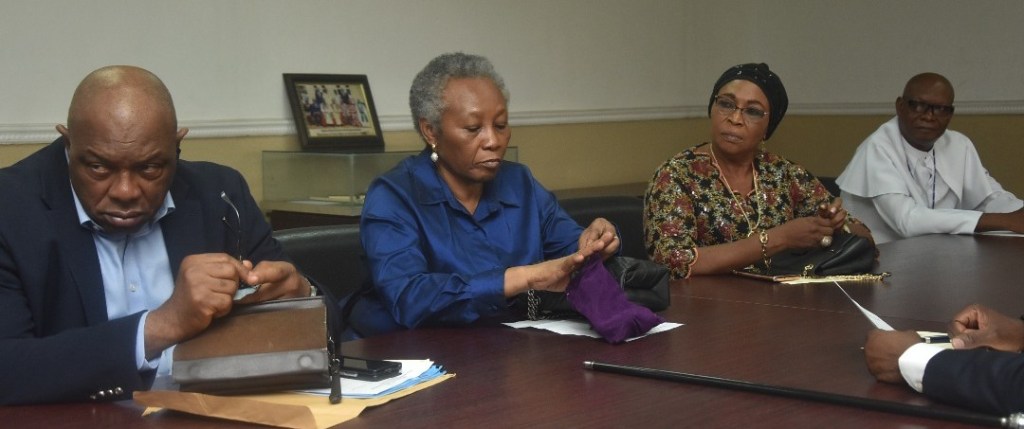
IGBOBI COLLEGE UNVEILS NEW BOARD OF GOVERNORS, SIGNALS A FRESH CHAPTER OF STEWARDSHIP

The bells of history rang once again at Igbobi College, Yaba, as the revered institution—founded in 1932 by the Anglican Communion and the Methodist Mission in Nigeria—formally ushered in a new 16-member Board of Governors, reaffirming its enduring legacy while boldly embracing the future.

Against the backdrop of nearly a century of academic excellence and character formation, Sir Babatunde Emmanuel Sobamowo (73/75 Set)—a distinguished Old Boy and seasoned professional—was inaugurated as Chairman of the Board, a symbolical transfer of stewardship of the College into the hands of one of its own, to another.

Sir Sobamowo takes over from another eminent alumnus, Mr. Foluso Olajide Phillips (68/70 Set), whose years of devoted service have now culminated in his elevation to the Supervisory Board of the College—a transition marked by continuity, honour, and deep institutional memory.

An alumnus of Aggrey House, Sir Sobamowo’s journey with Igbobi College began in 1969. His years as a student were marked by academic excellence and sporting distinction, notably as a member of the Aggrey House relay quartet at both junior and senior levels. He graduated in June 1975 with outstanding results, including the best performance in Higher School Certificate (HSC) Geography—a testament to a lifelong pattern of excellence.

Beyond Igbobi’s gates, Sir Sobamowo’s professional trajectory has been equally impressive. He holds a Bachelor of Science (Honours) degree in Economics from the University of Lagos and is a Fellow of the Institute of Chartered Accountants of Nigeria (ICAN), an Associate of the Chartered Institute of Taxation of Nigeria (CITN), and a Fellow of the Chartered Institute of Stockbrokers (CIS). He currently serves as Managing Director/Chief Executive Officer of Global Asset Management Nigeria Limited, a licensed dealing member of the Nigerian Exchange Limited (NGX).

The newly inaugurated Board reflects a rich blend of experience, faith-based heritage, alumni commitment, and stakeholder representation.
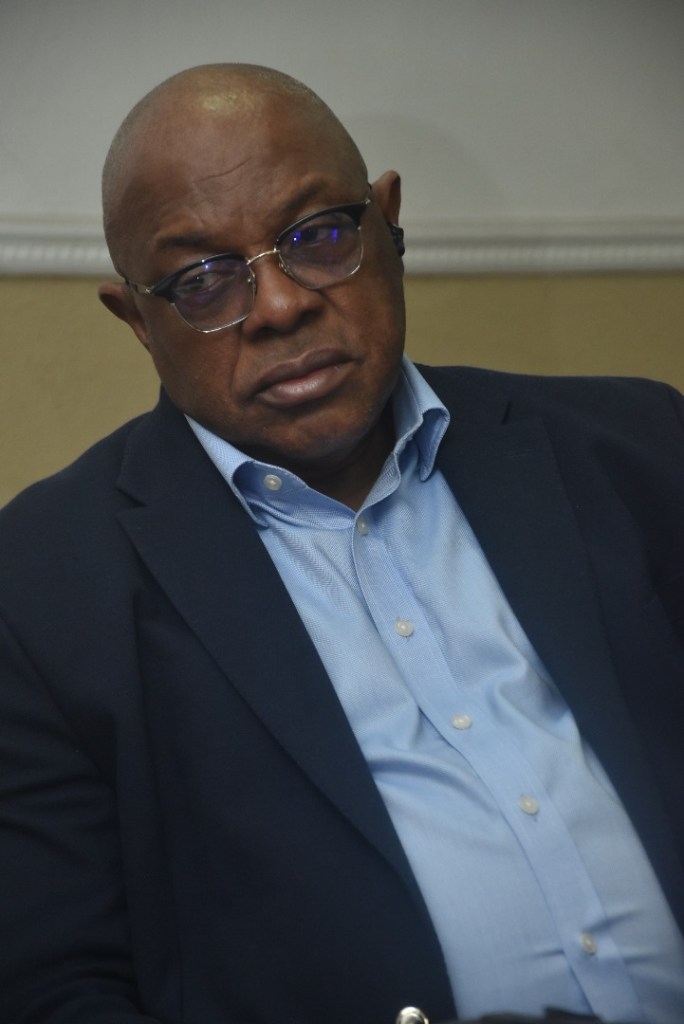
Representing the Methodist Mission alongside the Chairman are:
Mr. Jide Coker (OI); Lady Folasade Ogunnaike; Sir Ladi Smith (OI); Sir Kayode Adeluola, SAN (OI); and the Very Rev. Patrick Bamidele.
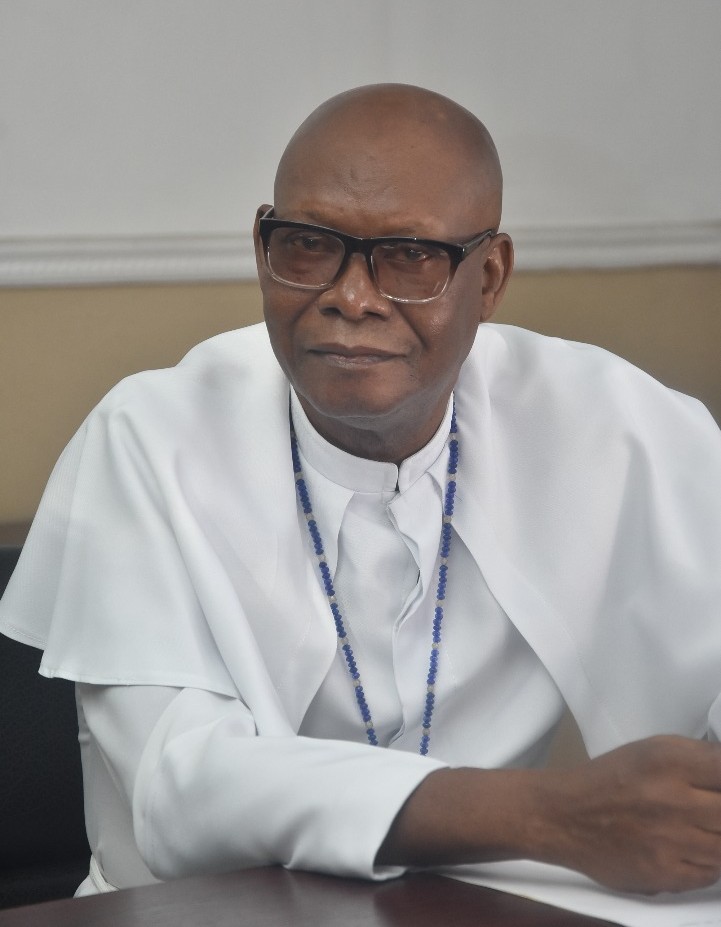
The Anglican Communion is represented by:
Mrs. Morin Desalu (Deputy Chairman); Dr. Ebun Bangboye (OI); Dr. Damola DaCosta (OI); Barr. Seni Adio, SAN (OI); Lady Chikwue Ochiagha; and Mr. Dele Awokoya (OI).

Igbobi College Old Boys’ Association (ICOBA) is represented by:
Mr. Yomi Badejo-Okusanya and Mr. Femi Soremekun.

Also on the Board is the PTA Chairman, Mr. Oluwasanmi Falobi, underscoring the College’s commitment to inclusive governance, while ICY’s new Principal, Ven. Joseph Adediji, serves as Secretary to the Board, ensuring continuity between policy and practice.

The inauguration ceremony was formally conducted by the Bishop of the Anglican Communion, Lagos West Diocese, The Rt. Revd. Dr. James Olusola Odedeji, whose presence reaffirmed the spiritual foundations upon which Igbobi College was built and continues to stand.

Mandated to serve a five-year term, the new Board has already commenced its duties, carrying the weight of legacy and the promise of the future. As Igbobi College advances toward its next century, the inauguration of this Board stands as a powerful reminder that while generations may change, the College’s commitment to excellence, character, and service remains timeless.

ICY 2025 Carol heralds a new Chaplain and Principal as timeless harmonies ignite Christmas

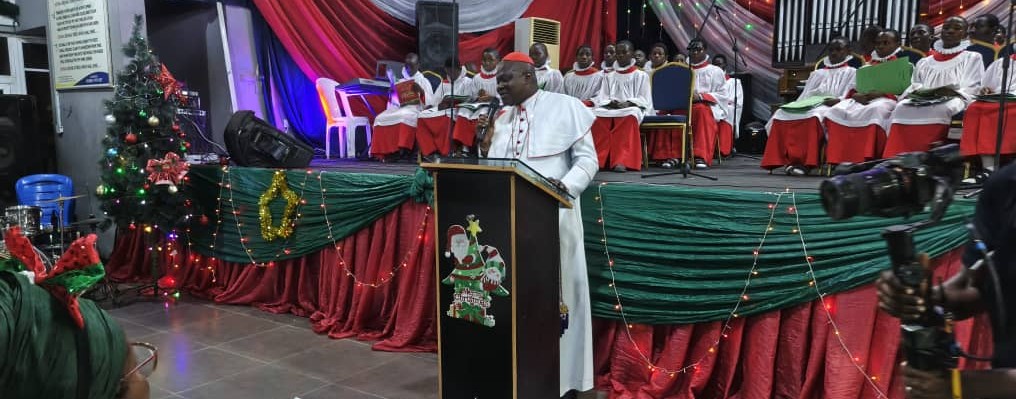
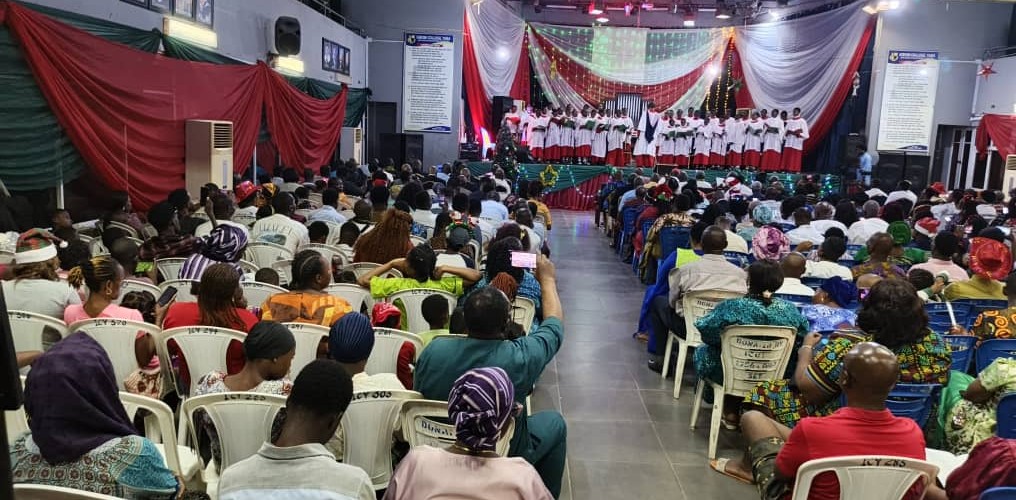
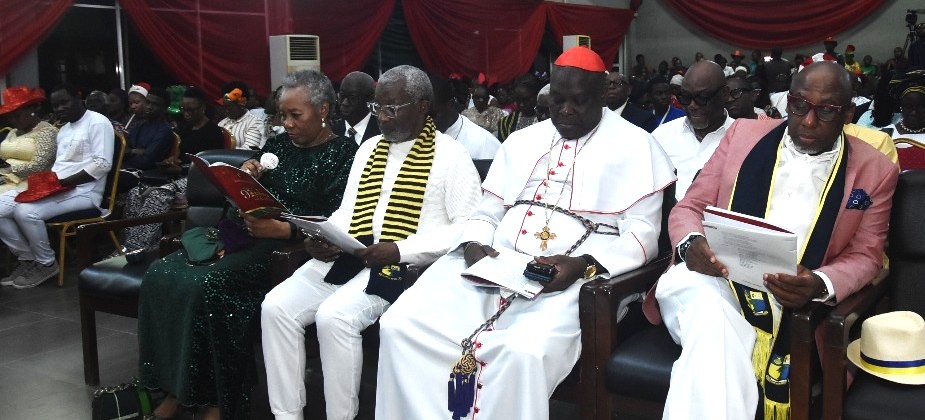
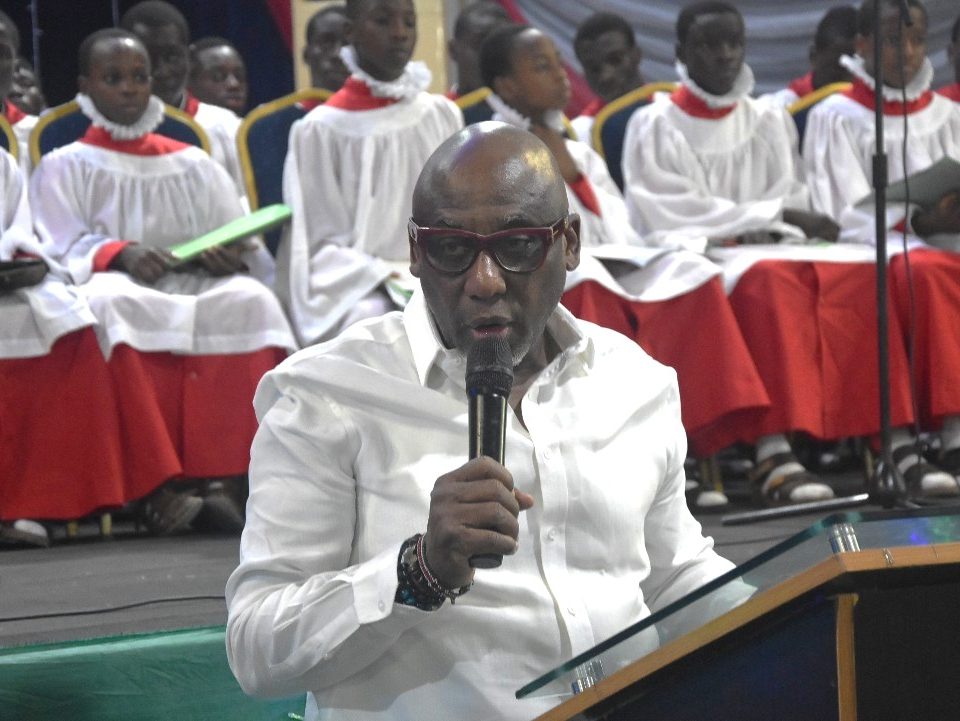
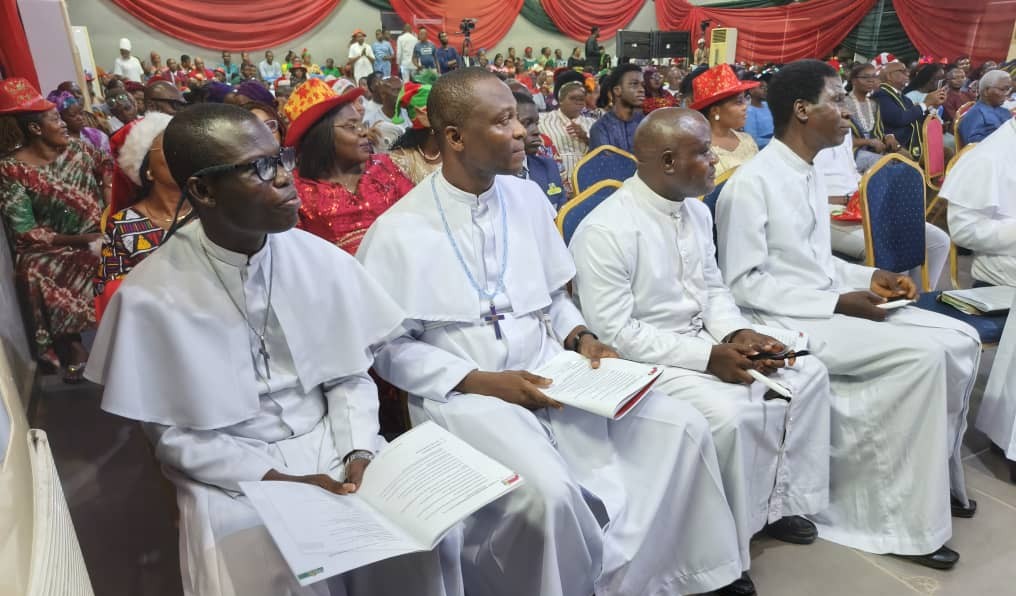
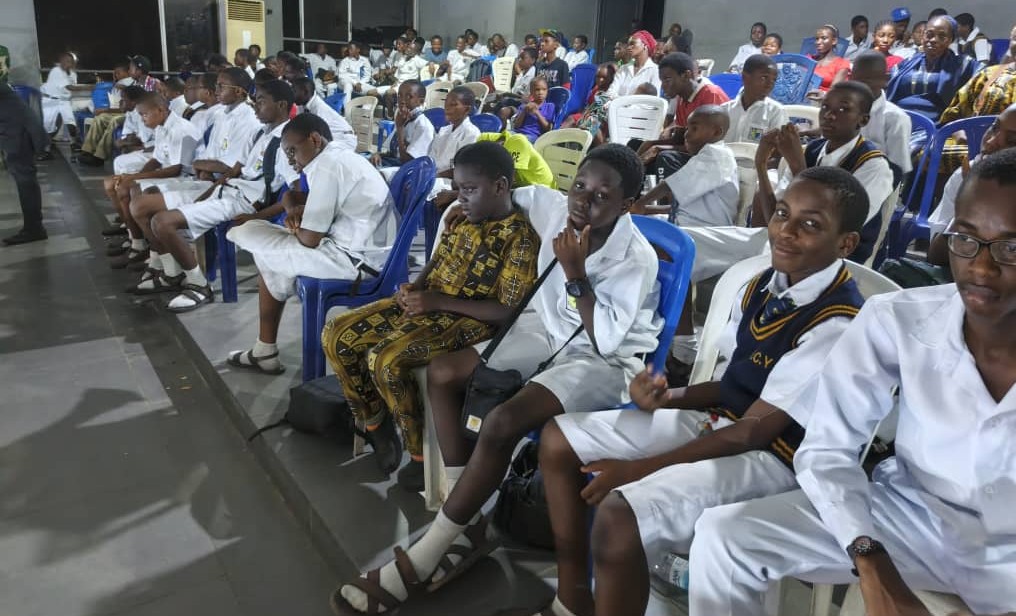
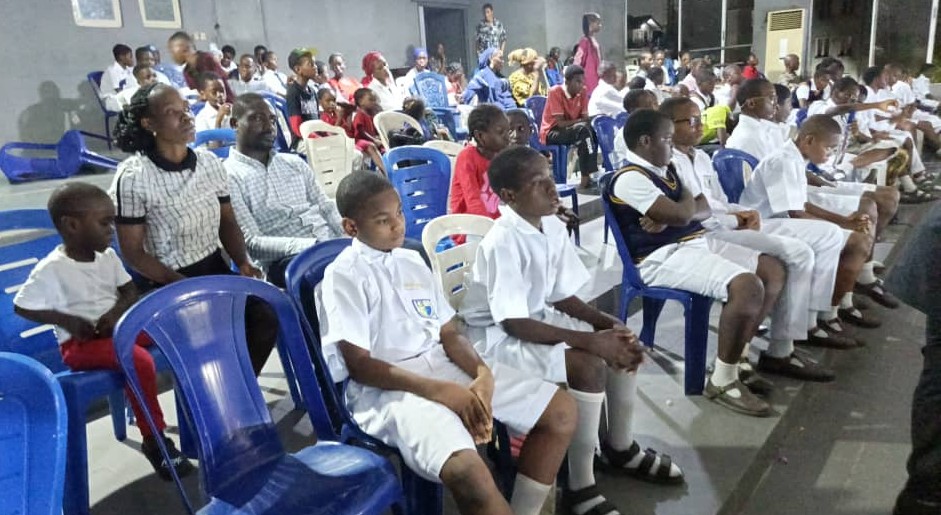
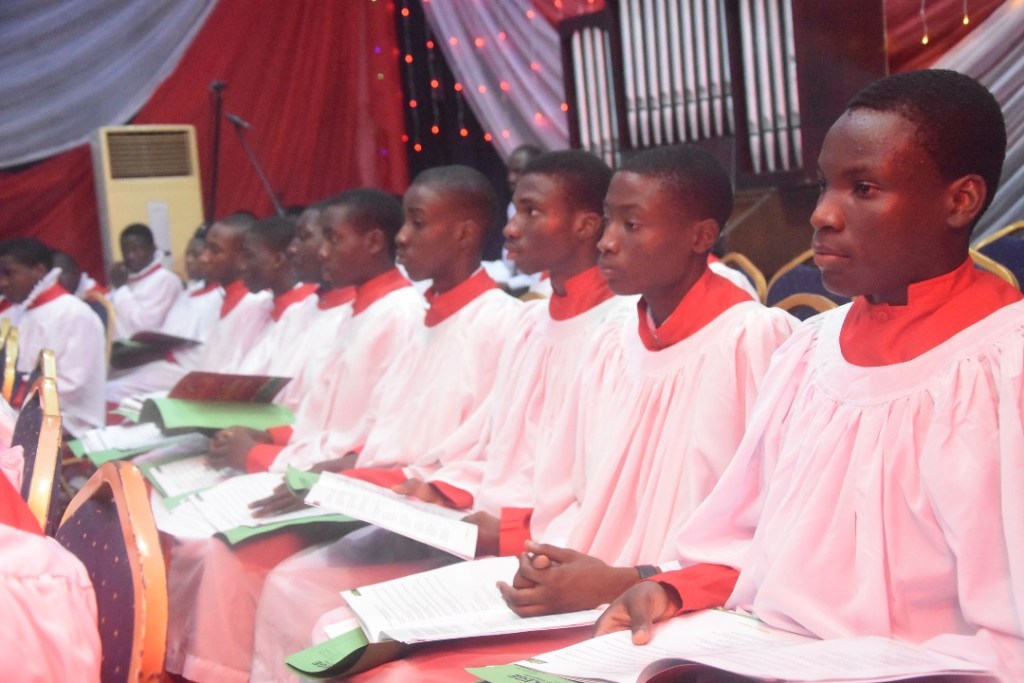
The Rev. Allen Angus Memorial Hall, Igbobi College, Yaba (ICY), resonated with the warmth and spirit of tradition on Sunday, December 14, 2025, as the school hosted its annual Festival of Nine Lessons and Carols. The event, a cherished hallmark of ICY’s heritage, once again showcased the discipline, talent, and devotion of the ICY all boys Choir, whose timeless harmonies filled the auditorium and lifted the hearts of all in attendance. The event, renowned for its depth, dignity and musical excellence, lived up to its reputation as a true masterpiece of sacred songs, while also marking a significant moment of transition in the life of the school.

From the opening procession to the final benediction, the ICY Choir delivered a moving and sonorous performance that held the audience spellbound. The blend of traditional carols and scriptural readings not only evoked the essence of the Christmas season but also reflected the discipline, heritage and spiritual foundation for which Igbobi College is widely known.

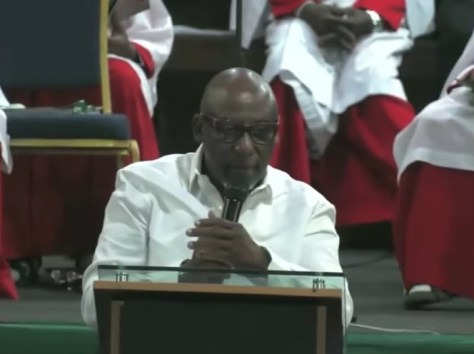
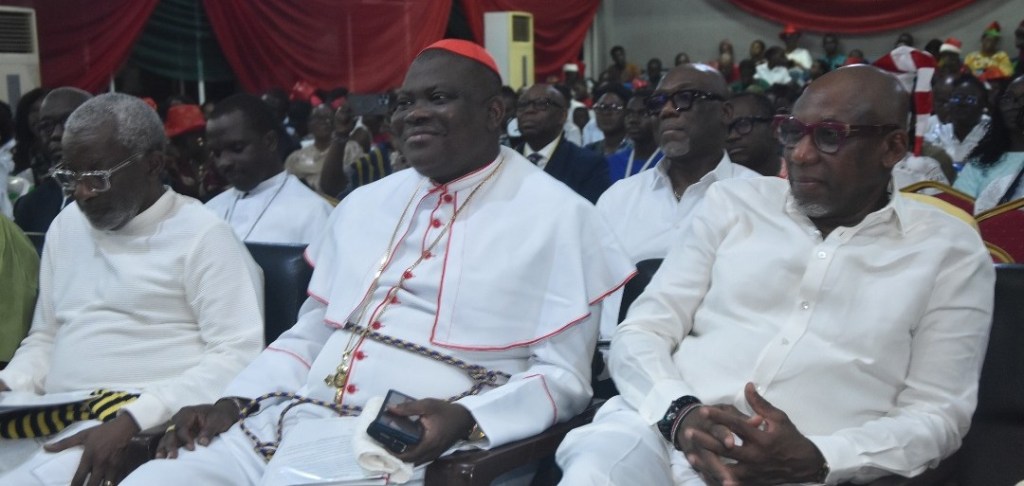
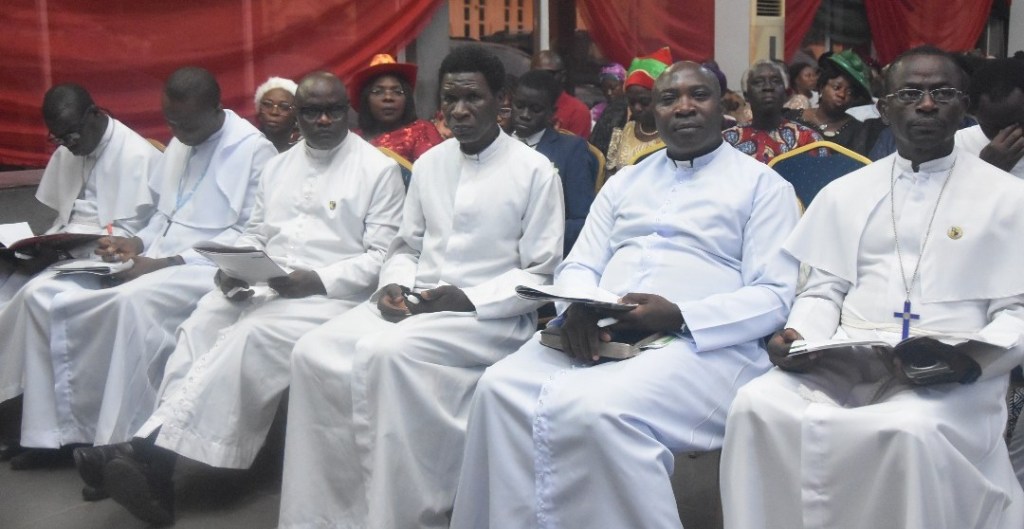
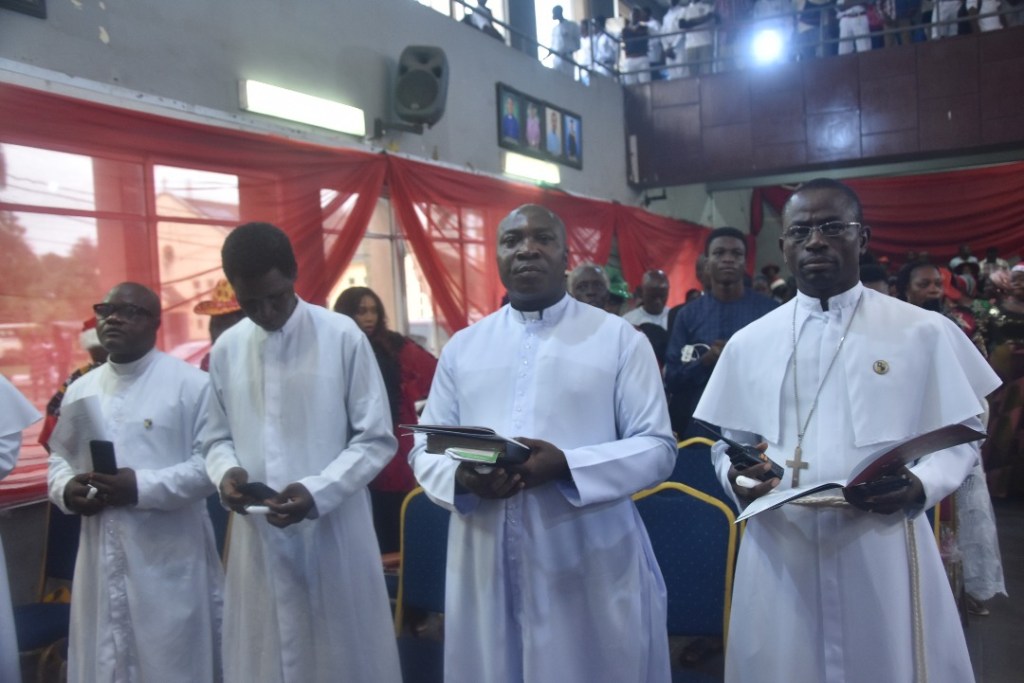
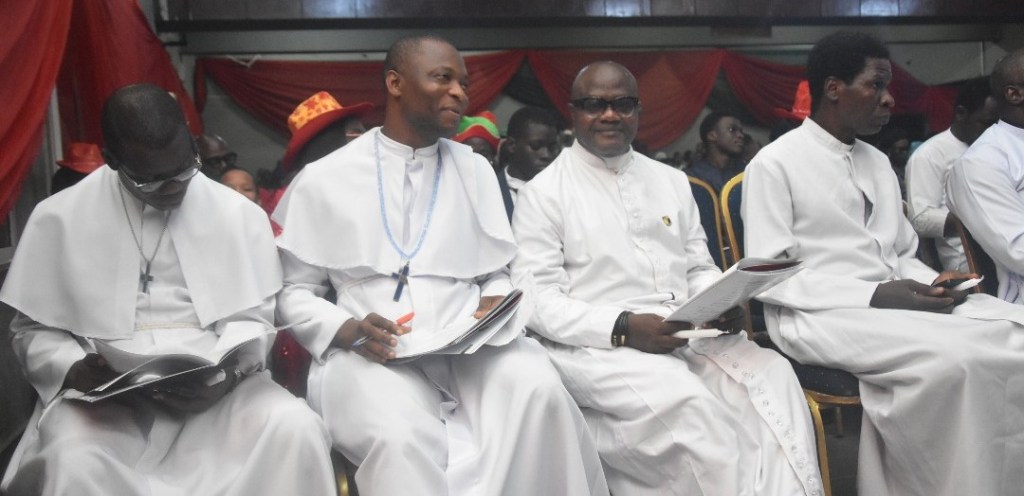
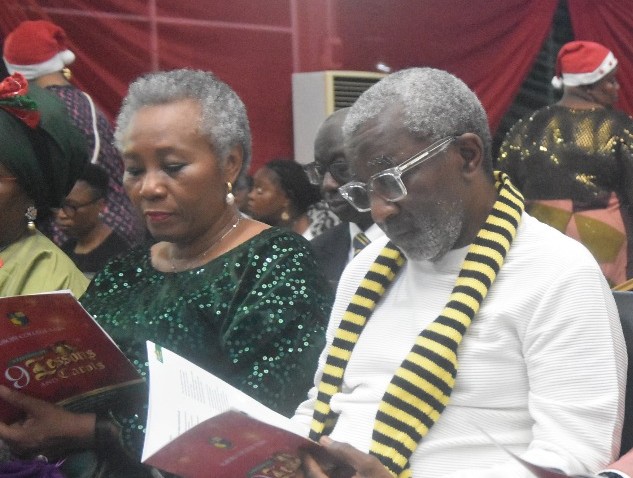
The Carol Service, organised by the 1973–1977/79 and 1997 sets of the Igbobi College Old Boys’ Association (ICOBA),  attracted a distinguished audience that included representatives of the Anglican and Methodist supervising missions, members of the ICY Board of Governors (BOG), ICOBA members from across generations, school management and staff, parents, students and friends of the College.

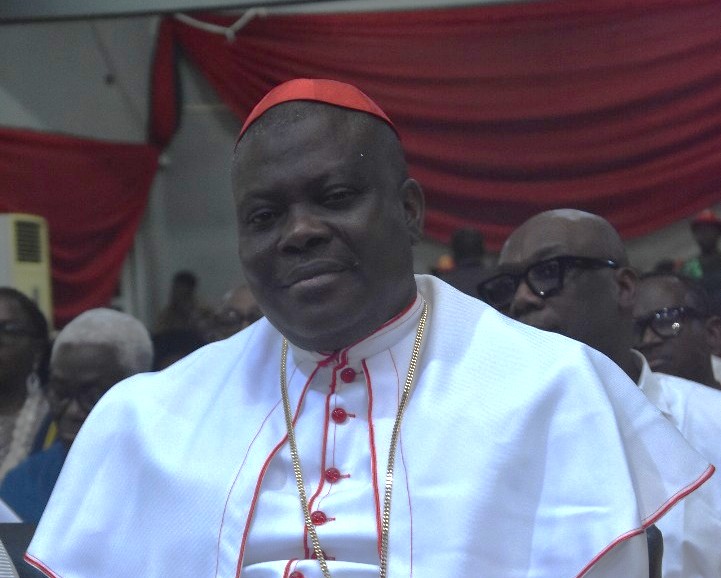
Adding to the significance of the occasion was the esteemed presence of Rt. Rev. S. T. V. Adegbite, Bishop of the Ikeja Diocese of the Methodist Church Nigeria, and current Chaplain of Aso Rock, whose presence lent further spiritual depth and institutional gravitas to the celebration. His attendance, alongside that of the ICOBA President, Mr. Yomi Badejo-Okusanya, Mrs.Morin Desalu – Deputy Chairman (BOG), Mr. Foluso Phillips, immediate past BOG Chair who has been elevated to serve on the Supervisory Board of the College and other members of the Board of Governors, underscored the strong alignment between the College’s leadership, alumni body and faith-based foundations.

In short statement while appreciating all that graced the occasion, Bishop Adegbite harped on the need to have hope, noting that that peace will prevail in Nigeria.

“The message I bring is the message of hope, the message of peace that Nigeria will not disintegrate. Nigeria will remain one, so fear not because God is with us. Emmanuel is with us. He will guide us.
……God will see us through, and we shall enter 2026 with His grace….”, he said, among others.

Meanwhile, beyond the music, the 2025 Carol Service provided an opportunity to celebrate institutional continuity and renewal. A major highlight of the occasion was the formal recognition of Revd. Kolade Philips Ilori as the new Chaplain of the ICY Chapel, alongside the announcement of Venerable Joseph Oyewale Adediji as the new Principal of Igbobi College. He takes over from Revd Adedotun Akanbi who had successfully completed the maximum five years tenure as ICY Principal. Ven. Adediji brings with him, several years of experience in the education sector, including proximate experience of serving as Principal of Anglican Comprehensive High School, Ipaja, Lagos.

The success of the ICY Festival of Nine Lessons and Carols once again highlighted the enduring leadership and artistic direction of Mr. Tunji Ogunnoiki, under whose coordination the Carol Service has remained a masterpiece over the years. His attention to detail, musical discipline and deep understanding of the ICY choral tradition continue to sustain the event’s high standards and spiritual impact.

The peak of the event was the candlelight session, when all felicitated and danced while the ICY choir sang historic Christmas songs amidst celebration—re-enacting the living testament to ICY’s legacy, faith, and community spirit.

Indeed, the ICY festival of Nine Lessons and Carols continues to be a masterpiece, a ritual of song and devotion that binds generations together, reminding all that while leadership may change, the melody of excellence and tradition endures.

>>>> Story @Sanmi Falobi; supporting pix @ Emmanuel Ekundayo <<<<

Natures Gentle Touch Trains Next Generation on Healthy Haircare

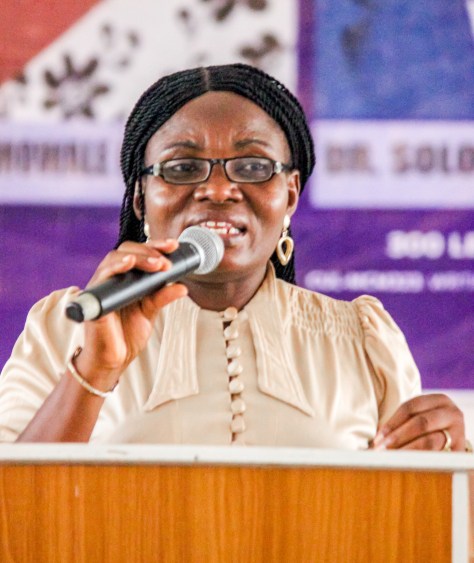
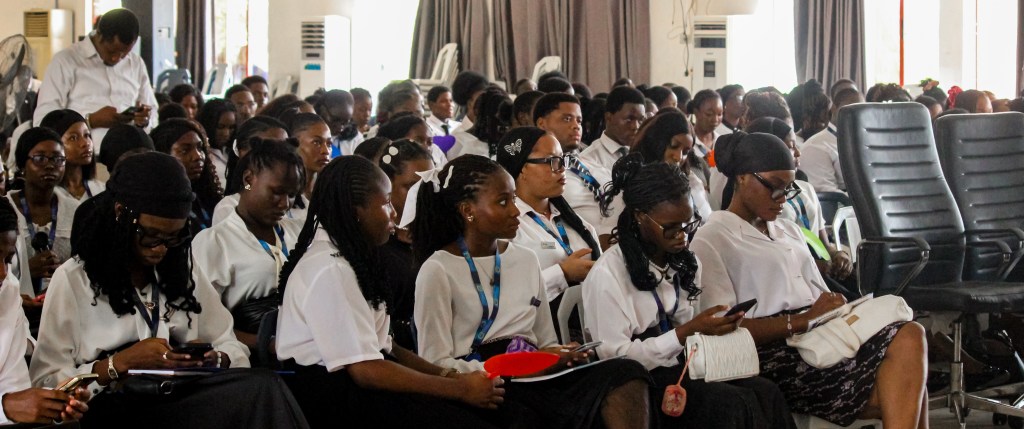
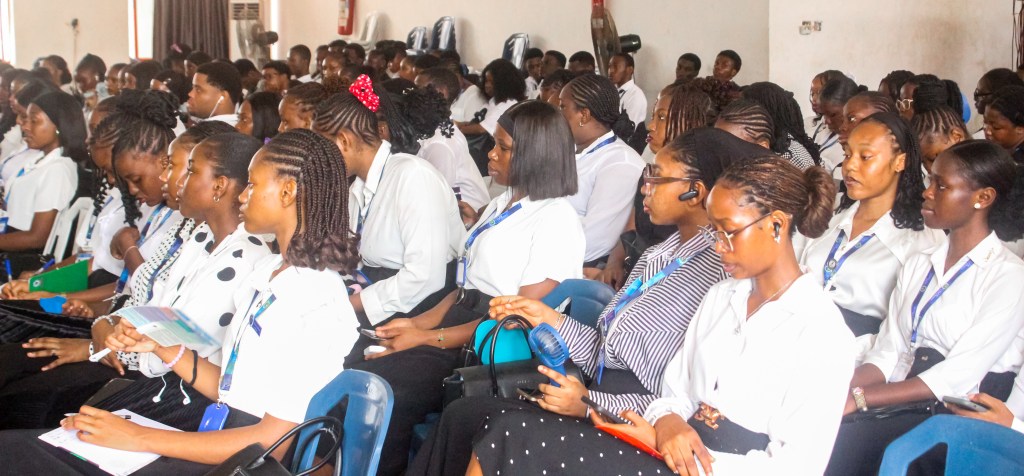
In a bid to promote proper haircare habits among young people, Recare—makers of Nature’s Gentle Touch and one of Nigeria’s leading haircare brands—has launched an awareness programme focused on best practices for maintaining healthy hair, particularly natural hair.

At a training workshop held in Lagos, Chijioke Anaele, Chief Executive Officer, CEO, Natures Gentle Touch Institute, shed light on common hair challenges such as lice infestation. According to her, many young people experience lice due to poor hygiene and close contact with someone who had it.

“Lice is communicable. If you stay near someone who has it, it can easily be transferred,” she noted. “It often occurs due to dirt. We recommend heat for treatment, and products with mint. For relaxed hair, chemical application usually kills the lice, but for natural hair, heat works best. Our dandruff products also help because they contain mint.”

Anaele also explained that hair breakage remains a major concern and can be triggered by ageing, prolonged braiding, the use of rubber bands, and misuse of chemical products.

“As someone ages, hair growth slows down. Women often experience breakage due to childbirth or postpartum changes. Leaving chemicals on the hair for too long causes damage, and rubber bands are not ideal for securing hair,” he cautioned.

To maintain healthy natural hair, she recommended deep conditioning at least every two weeks to restore texture and strength.

On dandruff, Anaele emphasised that although it has no permanent cure, it can be effectively managed with consistent care.

“There’s no absolute cure for dandruff yet. What we do is manage it so it’s no longer visible or embarrassing. Consistency is key,” he added.

Blessing Sunday, Digital Marketing Manager at Natures Gentle Touch Institute, explained that the goal of the workshop was to help young people understand the value of natural hair and how to care for it properly. She described natural hair as a symbol of African identity and pride.

“Today, many young people rely on braids and wigs, but we want them to embrace their natural hair—learn to style it and nurture it proudly as Africans,” she said.

Now in its 18th edition—and the fourth and final session for 2025—the workshop has successfully reached its target audience.

“We’ve been able to encourage the younger generation to appreciate their natural hair in the same way older generations did. This boosts confidence and strengthens cultural pride,” Sunday affirmed.

Participants praised the initiative for its relevance and impact.
Amos Abosede, who previously battled an itchy scalp and dandruff, expressed relief:

“The training has been insightful. My itching stopped after I started using Nature’s Gentle Touch products. I’ll recommend them to anyone—they work.”

Another participant, Anuoluwaposi Bamidele, a student and fashion designer, shared a similar experience:

“I’ve seen real improvement in my hair growth and length. Before now, I didn’t know how to care for my hair and struggled with: dandruff. The training changed everything, and the products have been effectve’

CEE-HOPE Hails Senate for Passing Bill on Domestic Workers’ Rights, Urges Speedy Passage by House of Reps

CEE-HOPE Hails Senate for Passing Bill on Domestic Workers’ Rights, Urges Speedy Passage by House of Reps

The Centre for Children’s Health Education, Orientation and Protection (CEE-HOPE) has commended the Senate of the Federal Republic of Nigeria for passing the Informal Sector Employment (Regulation) Bill, 2025 (SB.629), which seeks to protect the rights of domestic workers and other informal sector employees. The Bill was passed on the floor of the Senate on November 12.

Speaking on the development, Betty Abah, Executive Director of CEE-HOPE, described the move as “a long-overdue step toward justice, dignity, and recognition for millions of hardworking Nigerians, most of them women and girls, whose labour sustains households across the country but whose rights have remained unprotected for decades.”

According to the International Labour Organization (ILO), there are about 75 million domestic workers globally, with over 80% being women. In Africa alone, there are at least 10 million domestic workers, while Nigeria is estimated to have between 3 and 5 million, forming a significant portion of the informal workforce. Yet, the majority operate without written contracts, fair wages, or social protection, leaving them vulnerable to exploitation, abuse, and modern slavery.

Alarmingly, the ILO further estimates that 17.2 million children worldwide are engaged in domestic work — more than half under the age of 14 — with girls making up nearly 67 % of that number.

In Nigeria, several hundred thousand children, mostly girls from poor backgrounds, are believed to be engaged in domestic labour, often exposed to abuse, trafficking, and denied education and childhood.

Abah noted that beyond legislation, the protection of domestic workers requires “strong unionisation, collective bargaining, and public awareness.” She stressed that the new Bill offers an opportunity to formally recognise domestic work as decent work, aligning Nigeria with the ILO Domestic Workers Convention (C 189), which calls for fair treatment, decent working conditions, and the right to organise.

“CEE-HOPE is committed to supporting the formation and strengthening of a national union for domestic workers,” Abah added. “We believe that only through collective organisation can domestic workers effectively demand fair wages, safe workplaces, and respect for their humanity.”

CEE-HOPE called on the House of Representatives to expedite passage of its companion legislation, the Domestic Workers (Employment and Protection) Bill, 2025 (HB.1765), and urged President Bola Ahmed Tinubu to give prompt assent to make it law. The organisation also appealed to state governments, civil society, and international partners to begin preparing for robust implementation once enacted.

Since 2020, CEE-HOPE which works with at-risk young people and marginalised populations, has campaigned for Nigerian domestic workers’ rights through wide-ranging initiatives including awareness creation through multileveled media platforms, engagement of multi-sectoral stakeholders (activists, unionists, media representatives, community leaders, domestic workers, employers and others) including law makers.

“This is a defining moment for Nigeria’s labour and human-rights landscape,” Abah declared. “By protecting domestic workers, we protect the dignity of our nation.”

WAEC 2026 Exams: Stakeholders raise concerns over implementation of New Curriculum

The past few weeks have been filled with anxious uncertainty for Agnes Umukoro, a Senior Secondary 3 student in Lagos. This follows a recent announcement by the Federal Ministry of Education introducing a revised national curriculum, alongside reports that the West African Examinations Council (WAEC) plans to begin assessing students based on it from the 2026 West African Senior School Certificate Examination (WASSCE).

“We are no longer allowed to offer some of the subjects we started with. I’m a science student and had planned to take Economics, but that’s no longer possible. On top of that, we’re being asked to take new subjects like Digital Technologies or a trade subject, which we’ve never studied before. How are we supposed to prepare for the WASSCE in just a few months?” Umukoro lamented.

Her experience mirrors the growing concerns of several SS 3 students nationwide following reports that WAEC intends to examine candidates under the revised national curriculum in 2026. The review, scheduled to take effect from the 2025/2026 academic session, introduces significant changes to WAEC’s subject combinations—sparking widespread confusion and anxiety across the education sector.

New Curriculum, New Challenges

Dr. Tunji Alausa, Minister of Education.

It will be recalled that in August 2025, the Federal Ministry of Education announced the completion of a comprehensive review of curricula for basic, senior secondary, and technical education, in collaboration with several agencies, including the Nigerian Educational Research and Development Council (NERDC), Universal Basic Education Commission (UBEC), National Senior Secondary Education Commission (NSSEC), and National Board for Technical Education (NBTE).

According to emerging details, the revised curriculum introduces mandatory subjects such as Citizenship and Heritage Studies and Digital Technologies, while consolidating over 30 trade subjects into six broad practical areas. History has also been reintroduced as a stand-alone subject at the basic education level.

Although these reforms aim to equip learners with relevant 21st-century skills and reduce subject overload, the timing has left many students facing subjects they have never been taught—alongside restrictions on those they originally selected.

Among numerous reactions, Mr Olanrewaju Akinola, a concerned parent from Lagos, described the decision as “unfair, ill-timed, and a potential recipe for disaster.” He argued that current SS 3 students—set to sit the 2026 WASSCE in just a few months—are being unfairly disadvantaged, as they have not been taught the new subjects they are now expected to take.

Mr Akinola stressed that any external examination, such as WASSCE or BECE, based on the new curriculum should commence in 2028, when the present SS 1 and JS 1 students—who started under the revised structure—will be in SS 3 and JS 3 respectively.

He noted that while the new curriculum’s inclusion of subjects such as Citizenship and Heritage Studies and Digital Technologies is commendable, WAEC’s decision to implement it by 2026 is “ill-conceived, unjust, and unworkable.”

A major concern, he said, is that students who have never studied Digital Technologies in SS 1 and SS 2 will now be examined on it. Likewise, those who have been offering subjects such as Tourism or Storekeeping since SS 1 are now required to switch to one of the six new trade areas.

“Students who have been offering certain subjects since SS 1 are now being told they can no longer take them in WASSCE. For instance, science students cannot take Economics, while business students who have been offering Government since SS 1 are now being compelled to take Marketing instead—even though they were never taught it,” Akinola noted.

He also questioned how schools are expected to generate continuous assessment (CA) scores from SS 1 to SS 3 for the newly introduced subjects, given that these were not previously taught.

Concerns over CBT Implementation

Furthermore, Akinola advised WAEC and the Federal Ministry of Education to reconsider their plan to make Computer-Based Testing (CBT) compulsory for WASSCE from 2026, citing inadequate infrastructure, poor accessibility, and logistical difficulties.

He warned that students—especially those in rural areas—would face serious challenges travelling repeatedly to CBT centres, many of which may be located far from their homes.

“Unlike JAMB, WAEC examinations are not just objective or a one-time two-hour test. They span several days and include practical components. Making CBT compulsory without adequate infrastructure will only worsen the situation,” he cautioned, noting the additional mental, financial, and logistical burdens this would place on students and parents.

“It’s stressful for both students and schools,” he added. “Parents are worried, and teachers are scrambling to align lessons with new requirements in just a few months.”

WAEC Denies Issuing Directive

Meanwhile, in response to the growing controversy, WAEC has denied issuing any directive restricting Senior Secondary students to specific subjects for the forthcoming 2026 WASSCE.

In a statement signed by Moyosola Adeshina, Acting Head of Public Affairs, on behalf of the Head of National Office, the Council described the reports as “unfounded assumptions” and urged schools and the public to disregard them.

“WAEC wishes to categorically distance itself from this unfounded assumption and the information making the rounds on the said subject. The Council did not issue any such directive(s) nor restrict students’ choice of subjects for WASSCE (SC) 2026 as alleged,” the statement read.

WAEC clarified that it does not make or alter secondary school curricula, as that responsibility lies with the Federal Government through the relevant education authorities.

“The development and regulation of curricula in Nigeria fall within the purview of the Federal Government. WAEC, as an examination body, only implements government policies through assessment,” it explained.

The Council emphasised that its role is strictly limited to conducting examinations based on government-approved curricula and within Nigeria’s educational framework.

Calls for Clarity and Sensible Implementation

Despite WAEC’s clarification, education experts, teachers, and parents continue to urge the Ministry of Education and WAEC to provide clear guidance and realistic timelines. Many acknowledge that curriculum modernisation is necessary but insist that implementation must be gradual, transparent, and aligned with students’ preparedness.

Mr Akinola maintained that implementing the new curriculum by 2026 would be “a recipe for disaster” and called on education authorities to act responsibly by deferring the examination of the revised curriculum until 2028.

“The future of our children is at stake, and we must ensure they are not short-changed by hasty and poorly planned reforms,” he said.

He urged policymakers and stakeholders to engage constructively to revise the decision in light of the emerging concerns.

“The future of our children is too important to be compromised by rushed policies,” Akinola concluded. “Students should only be tested on subjects they have actually studied. Anything less is unfair and could jeopardise their academic futures.”

………………………………………….

This special report is written by Sanmi Falobi, Guest Writer/Executive Editor, SDN news.