
>By Oluwaseun Ola-Daniels<
Across Africa, men and boys face unique mental health challenges that often go unspoken, misunderstood, or ignored. These challenges are not merely personal; they are structural and cultural, deeply rooted in social expectations surrounding strength, emotional control, and success. While mental health conditions affect people of all genders and ages, men and boys on the continent experience them in distinctive ways due to entrenched cultural norms, economic pressures, limited access to care, and persistent stigma.
A Widespread but Under-Recognised Crisis
According to the World Health Organization (WHO), nearly 150 million people in Africa are living with mental health conditions, including depression, anxiety, and substance use disorders. Despite this scale, access to mental health services remains severely limited, particularly outside major urban centres.
Suicide is another pressing concern. WHO data indicate that Africa’s age-standardised suicide rate stands at 11.5 per 100,000 people, with men accounting for a disproportionate share of these deaths. In many African countries, including Nigeria, men die by suicide at significantly higher rates than women. This pattern mirrors global trends but is intensified by region-specific social and economic pressures.
Cultural Expectations: “Be Strong” at All Costs
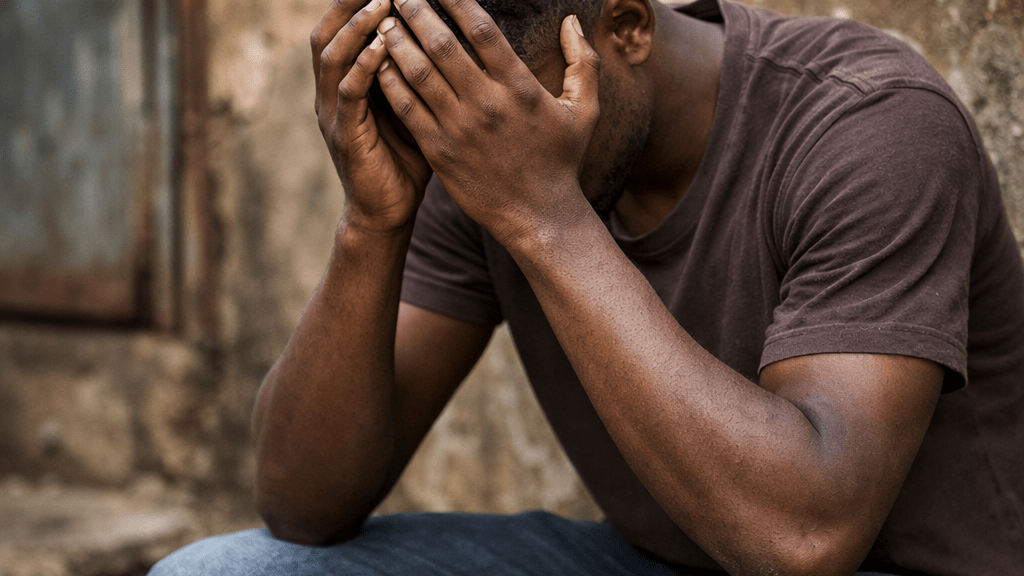
One of the most powerful influences on male mental health in Africa is the cultural expectation that men must be unshakeably strong and emotionally restrained. From an early age, boys are taught—directly and indirectly—that vulnerability equates to weakness. Phrases such as “boys don’t cry” and “man up” are commonly used to discourage emotional expression and help-seeking behaviour.
Psychologists and mental health advocates argue that this rigid cultural script pushes many boys and men to internalise stress, anxiety, and emotional pain rather than express it or seek support. Over time, this silent endurance often manifests in harmful ways, including depression, substance misuse, aggression, and, in extreme cases, suicide.
Nigeria: A Case Study of Young Men and Mental Strain
Nigeria presents a stark illustration of how these pressures intersect. Research has shown that 82.5 per cent of adolescent boys in a Nigerian correctional facility exhibited symptoms of psychiatric disorders, including disruptive behaviour, substance use, anxiety, and mood disorders.
Substance abuse among young Nigerians is particularly alarming. National surveys reveal that 14.4 per cent of people aged 15 to 64 report drug use—almost three times the global average. Anxiety disorders affect millions nationwide, and men are three to four times more likely than women to die by suicide.
Economic insecurity further compounds these challenges. High youth unemployment, financial instability, and the entrenched expectation that men must act as providers exacerbate feelings of hopelessness, shame, and depression among young men. These realities reveal how multiple pressures—emotional suppression, economic uncertainty, substance misuse, and interaction with the criminal justice system—converge to worsen mental health outcomes.
Societal Stigma and Limited Access to Help
Across Africa, particularly in rural areas, access to mental health services is grossly inadequate. Nigeria, for instance, has fewer than 0.1 psychiatrists per 100,000 people—a figure far below what is required for a population exceeding 200 million.
In many communities, mental health challenges are interpreted through spiritual or cultural frameworks, prompting families to seek help from traditional healers or religious leaders rather than trained mental health professionals. While such support may offer comfort, delays in professional intervention often worsen conditions. Combined with stigma, these barriers mean that many men only seek help when they are already in crisis, if they seek it at all.
Barriers Unique to Men: From Silence to Suicide
Experts consistently observe troubling patterns across the continent. Men are generally less likely to seek mental health support due to stigma and restrictive gender norms. In several African countries, male suicide rates far exceed those of women. In places such as South Africa, men are reported to die by suicide up to five times more often than women.
Young men face additional burdens from economic instability, unemployment, and social expectations of financial responsibility. Together, these factors create an environment in which men and boys suffer in silence—often with fatal consequences.
Conclusion: A Crisis That Demands Compassion
Mental health is not merely a personal concern; it is a societal responsibility. When boys and men are expected to suppress their pain, ignore emotional distress, and conform to rigid definitions of masculinity, the consequences are devastating. Lives are lost, families are broken, and communities are weakened.
Addressing this crisis requires compassion, listening, and systemic change. By challenging harmful norms, expanding access to mental health services, and creating spaces where emotional well-being is recognised as a fundamental part of human health, Africa can begin to heal a deeply rooted and dangerous silence.
Oluwaseun Ola-Daniels is Programme Manager, Mega Impact Foundation, Delta State.
 Social Development News (SDN)