By sdnonline
The U.S. Agency International Development (USAID) has awarded $10 million (N4.1 billion) over three years to UNICEF to support the Nigerian government’s initiative to improve water, sanitation, and hygiene (WASH) services in Kebbi, Sokoto and Zamfara States in the Northwest.
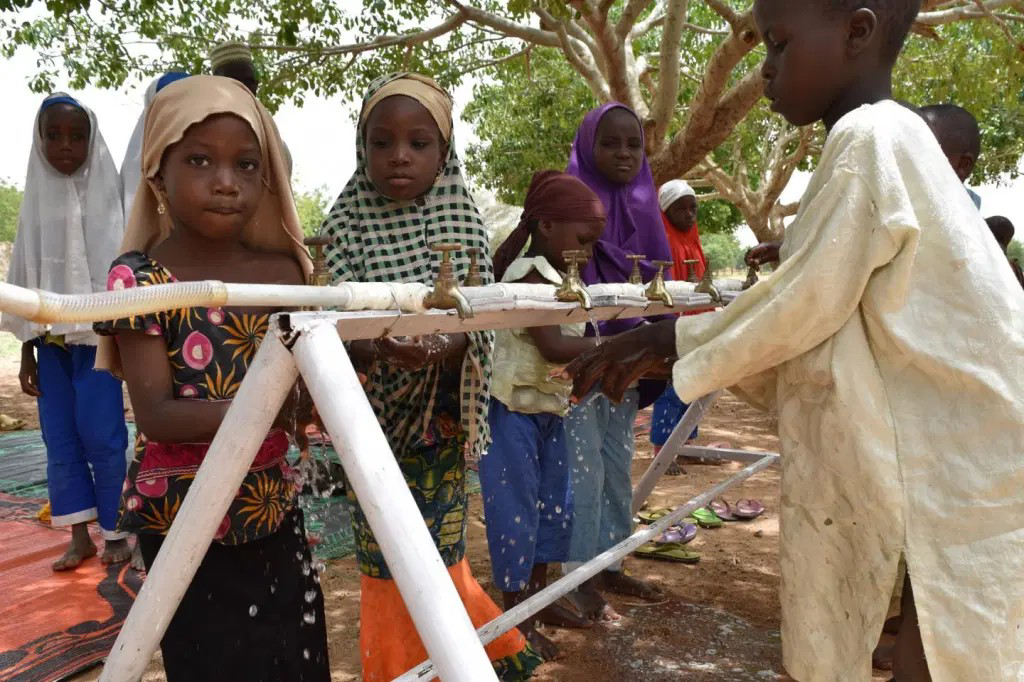
Known as Improving Sanitation, Hygiene and Safe Drinking Water in Northwest Nigeria, the activity to be managed by UNICEF will provide life-saving WASH services to more than 300,000 people in need of assistance.
The assistance will help to build community-centered approaches to deliver, operate, and manage sustainable WASH services in rural areas, as well as foster resilience in communities in collaboration with the state governments. It will also help rebuild dilapidated infrastructure and support communities to increase access to proper sanitation, adopt proper hygiene behaviors, and improve water quality.
“USAID is dedicated to ensuring clean water for more Nigerians,” Mission Director Dr. Anne Patterson said. “This new activity with UNICEF will help reduce waterborne diseases to keep more people, especially children, healthy.”
According to the 2019 National Outcome Routine Mapping of WASH services (WASHNORM), 30 percent of Nigerians lack access to basic water services and less than 10 percent have access to safely managed water services. While 44 percent of Nigerians have access to basic sanitation services, 23 percent, or 46 million people, lack access to proper sanitation. Access to safe hygiene facilities nationwide is low, at 16 percent.
In Nigeria, Sokoto and Kebbi states have the lowest levels of access to basic water services at 38 percent and 39 percent, respectively. Access to basic sanitation is also low in Kebbi, Zamfara and Sokoto at 35 per cent, 38 percent, and 41 per cent, respectively. Only five percent of people in Sokoto and one percent in Kebbi have access to safely managed water services.
This shortage of clean water supply, toilets, and handwashing facilities in households across Nigeria presents a formidable challenge. Poor access to WASH services is the major cause of diarrheal morbidity and mortality in Nigeria and is associated with at least 70,000 deaths in children under five each year.
Lessons from the COVID-19 pandemic have also reinforced the importance of adequate and safe water, basic sanitation, and proper hygiene practices to stem the spread of the disease in developing countries, including Nigeria.
“We are extremely grateful for the timely and much-needed WASH support from the U. S. government,” said Peter Hawkins, UNICEF’s Country Representative for Nigeria. “The ongoing COVID-19 pandemic, coupled with prevailing challenges and gaps in WASH services in northwest Nigeria is detrimental to the development of children and rural communities. This assistance is a testament to USAID’s commitment to the children and people of Nigeria.”
 Social Development News (SDN)